How to Express Dogs Glands Externally: A Complete, Easy-to-Follow Guide for Pet Owners
Caring for a dog goes beyond feeding, grooming, and daily walks. One area that many pet owners find confusing or uncomfortable is anal gland care. If you’ve been searching for how to express dogs glands externally, you’re not alone. This topic is often misunderstood, yet it plays an important role in your dog’s health and comfort.
You will learn what anal glands are, why they need expression, when to do it, and exactly how to express dog’s glands externally in a safe and gentle way. The goal is to help you feel confident while also knowing when to seek help from a professional.
What Are Dog Anal Glands and Why Do They Matter
Dogs have two small sacs located on either side of their anus. These are called anal glands. They produce a strong-smelling fluid that dogs naturally release when they poop. This scent helps dogs communicate with each other.
In a healthy dog, the glands empty naturally during bowel movements. But sometimes, the glands do not empty properly. When that happens, the fluid builds up, causing discomfort or even infection.
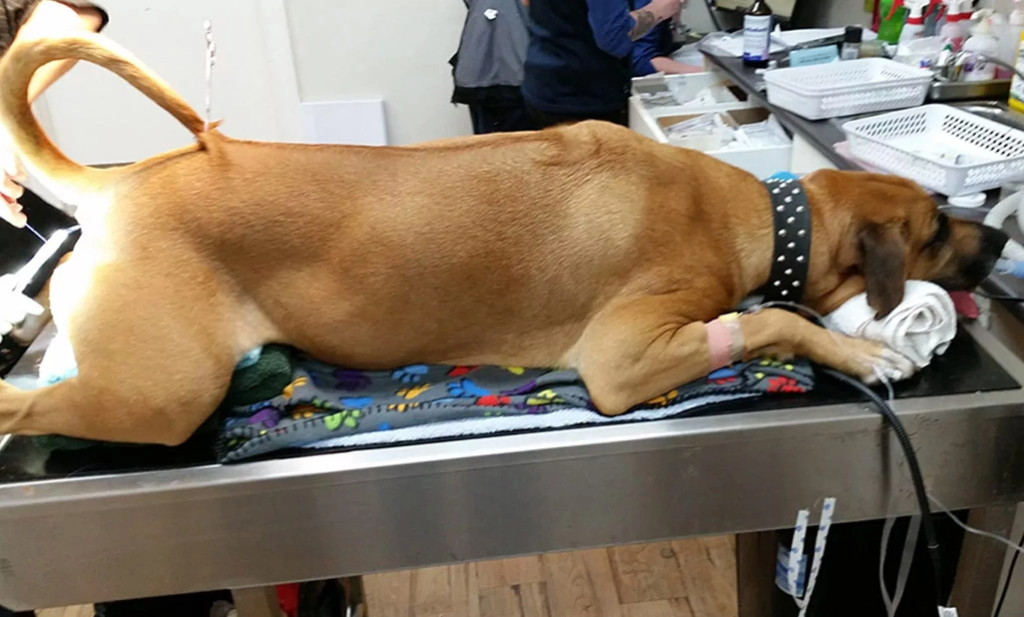
This is when learning how to externally express a dog’s glands becomes helpful.
Signs Your Dog Needs Anal Glands Expressed
Before learning how to express a dog’s glands externally, it’s important to know when your dog actually needs it.
Here are common signs:
Scooting or dragging their bottom on the floor
Licking or biting the area under the tail
A strong, fishy smell coming from your dog
Swelling or redness near the anus
Difficulty sitting comfortably
Sudden changes in behavior or irritability
These signs mean your dog may be uncomfortable and could benefit from gland expression.
External vs Internal Expression: What’s the Difference
When researching how to externally express dog glands, you might also hear about internal expression.
External expression means applying gentle pressure from the outside of the body. This method is safer and more suitable for pet owners at home.
Internal expression involves inserting a finger into the rectum. This is usually done by veterinarians or trained groomers because it requires skill and knowledge.
Also Read: What Is Market Value Adjustment? A Complete Beginner-Friendly Guide
For most pet owners, learning how to express dogs glands externally is the safest starting point.
When You Should NOT Express Your Dog’s Glands
Before you try how to externally express a dog’s glands, you must know when not to do it.
Do not attempt gland expression if:
Your dog shows severe pain when touched
There is bleeding or pus
The area is very swollen or hard
Your dog has a fever or seems very sick
You are unsure or uncomfortable doing it
In these cases, visit a veterinarian. Trying to handle serious problems at home can make things worse.
Tools You Need Before You Begin
To properly learn how to express dog’s glands externally, preparation is important.
You will need:
Disposable gloves
Paper towels or soft cloth
Warm water or pet-safe wipes
Old clothes or apron
A calm, quiet space
Optional but helpful:
A helper to hold your dog
Treats to reward your dog
Being prepared makes the process smoother and less stressful for both you and your pet.
Step-by-Step Guide: How to Express Dogs Glands Externally
Now let’s go through the process of how to externally express dog glands in a clear and simple way.
Step 1: Keep Your Dog Calm
Choose a quiet place where your dog feels safe. Speak gently and avoid sudden movements. If your dog is nervous, ask someone to help hold them still.
Step 2: Position Your Dog Properly
Small dogs can be placed on a table. Larger dogs can stand on the floor. Make sure you have easy access to the area under the tail.
Lift your dog’s tail gently.
Step 3: Locate the Glands
The glands are located at about the 4 o’clock and 8 o’clock positions around the anus. Think of it like a clock.
Use your fingers to feel gently for small, soft lumps.
Step 4: Apply Gentle Pressure
This is the most important part of how to express dogs glands externally.
Place your thumb and index finger on either side of the gland area. Press inward and slightly upward.
Do not squeeze hard. Use gentle, steady pressure.
Step 5: Watch for Fluid Release
If done correctly, a small amount of fluid will come out. The fluid may be:
Light brown or yellow
Thin or slightly thick
Strong smelling
Use a paper towel to catch the fluid.
Step 6: Clean the Area
After expressing the glands, clean the area with warm water or pet-safe wipes.
Step 7: Reward Your Dog
Give your dog a treat and praise them. This helps create a positive experience.
Important Tips for Safe Gland Expression
When learning how to express a dog’s glands externally, safety matters.
Always be gentle
Never force the glands to empty
Stop if your dog shows pain
Wash your hands after the process
Do not overdo it
Expressing glands too often can irritate them.
Also Read: What Is Mass Market Paperback? A Complete, Easy Guide
How Often Should You Express Your Dog’s Glands
There is no one-size answer. Some dogs never need help, while others need regular expression.
General guidelines:
Healthy dogs: rarely or never
Dogs with issues: every few weeks or as needed
Small breeds: may need more frequent care
If you are unsure, ask your vet for advice.
Why Some Dogs Have More Gland Problems
Understanding why problems happen helps you better manage them.
Common causes include:
Soft stool that does not press the glands naturally
Poor diet
Obesity
Allergies
Lack of exercise
Breed type
Small breeds like Chihuahuas and Toy Poodles often have more gland issues.
Diet and Its Role in Anal Gland Health
Diet plays a major role in preventing problems.
Dogs with firm, healthy stools are less likely to need gland expression.
Helpful dietary tips:
Add fiber to your dog’s food
Ensure proper hydration
Choose high-quality dog food
Avoid too many treats
Fiber helps create firm stools, which naturally empty the glands.
Risks of Doing It Incorrectly
Trying how to express dog’s glands externally without care can cause problems.
Possible risks include:
Bruising the glands
Causing pain or fear
Infection
Incomplete emptying
This is why gentle handling and proper technique are very important.
When to See a Veterinarian
Even if you know how to externally express a dog’s glands, some situations require professional care.
See a vet if:
The glands keep filling quickly
There is blood or unusual discharge
Your dog is in pain
There is swelling or abscess
Your dog has repeated infections
A vet can also check for underlying issues like allergies or infections.
Groomers vs At-Home Expression
Many groomers offer gland expression services.
Benefits of groomers:
Experienced handling
Quick process
Less stress for owners
Benefits of doing it at home:
Saves money
Convenient
Builds trust with your dog
Choosing between the two depends on your comfort level.
Common Mistakes to Avoid
When learning how to express dogs glands externally, avoid these mistakes:
Squeezing too hard
Expressing too often
Ignoring signs of infection
Not cleaning the area afterward
Forcing a scared dog
Taking your time and being gentle is key.
How to Make the Process Easier Over Time
Dogs can learn to tolerate or even relax during the process.
Helpful tips:
Start when your dog is young
Use treats and praise
Stay calm and confident
Keep sessions short
Be consistent
A calm owner leads to a calm dog.
Natural Ways to Reduce Gland Problems
Besides learning how to externally express dog glands, prevention is even better.
Natural ways include:
High-fiber diet
Regular exercise
Maintaining a healthy weight
Routine grooming
Hydration
Healthy dogs often need less manual expression.
Understanding Your Dog’s Body Language
Your dog communicates through behavior.
Signs of discomfort:
Whining
Moving away
Tensing up
Growling
If your dog shows these signs, stop and reassess.
Also Read: Can Urgent Care Remove Skin Tags? A Complete, Easy Guide for 2026
Final Thoughts on How to Express Dogs Glands Externally
Learning how to express dogs glands externally can feel uncomfortable at first, but it becomes easier with practice. The key is to stay gentle, patient, and aware of your dog’s needs.
Not every dog requires this care, so always observe your pet and only act when necessary. When in doubt, consult a professional.
Taking the time to understand this process helps keep your dog healthy, comfortable, and happy.
FAQs About How to Express Dogs Glands Externally
Is it safe to express my dog’s glands at home?
Yes, it is safe if done gently and correctly. External expression is the safest method for beginners.
How do I know if I did it correctly?
You will see a small amount of fluid released and your dog may seem more comfortable afterward.
Can I hurt my dog while expressing glands?
Yes, if you apply too much pressure or use the wrong technique. Always be gentle.
What does normal gland fluid look like?
It is usually light brown or yellow and has a strong smell.
Can diet alone fix gland problems?
In many cases, yes. A high-fiber diet can reduce the need for manual expression.
Do all dogs need gland expression?
No, many dogs naturally express their glands without any help.
How long does the process take?
Usually just a few minutes once you are familiar with it.
Can puppies have gland problems?
Yes, but it is less common. Always check with a vet before attempting expression on a puppy.
What if nothing comes out when I try?
Do not force it. Try again later or consult a veterinarian.
Should I wear gloves?
Yes, gloves are recommended for hygiene and cleanliness.