What Does a Heart Attack Feel Like? A Complete, Easy-to-Understand Guide
A heart attack is one of the most serious medical emergencies. Many people think it always feels the same, but that is not true. The truth is, what does a heart attack feel like can be very different from person to person. Some feel strong chest pain, while others feel only mild discomfort or unusual symptoms.
This article is designed to help you recognize the warning signs early, understand how symptoms vary, and know what actions to take.
What Does a Heart Attack Feel Like?
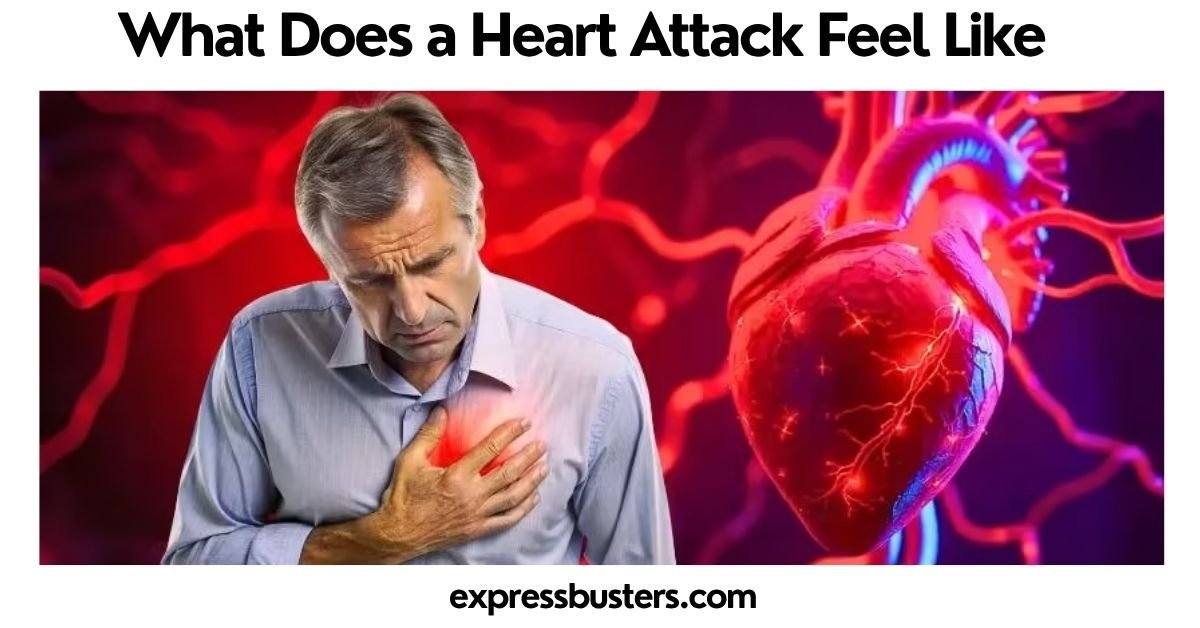
When people ask, “what does a heart attack feel like,” the most common answer is chest pain. But that is only part of the story.
A heart attack happens when blood flow to the heart is blocked. Because of this, the heart muscle does not get enough oxygen. This causes pain or discomfort.
Many people describe it as:
- A heavy pressure on the chest
- A squeezing or tight feeling
- A burning or aching sensation
- Pain that comes and goes
Some people say it feels like “an elephant sitting on the chest.” Others say it feels like simple indigestion.
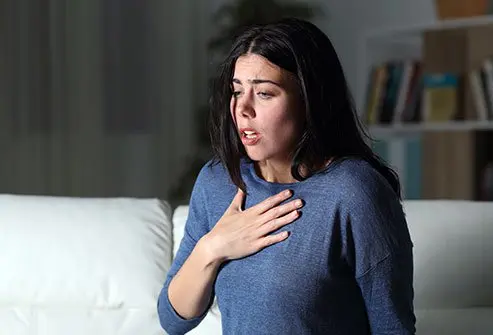
This is why heart attacks are sometimes ignored.
What Does It Feel Like to Have a Heart Attack Step by Step
Understanding how symptoms build can help you recognize a heart attack early.
Early Stage
At first, you may feel:
- Mild chest discomfort
- Slight pressure
- Feeling uneasy or anxious
Some people ignore this stage because it feels small.
Middle Stage
As the blockage gets worse:
- Chest pain increases
- Pain may spread to arms, neck, jaw, or back
- Breathing becomes harder
Severe Stage
If untreated:
- Strong chest pain or tightness
- Cold sweat
- Nausea or vomiting
- Extreme weakness
At this point, it becomes life-threatening.
Common Symptoms Everyone Should Know
When asking what does a heart attack feel like, these are the most common symptoms reported in the U.S.
ALso Read: Are Sock Marks a Sign of Heart Disease? Causes, Symptoms, and When to Worry
Chest Pain or Discomfort
This is the most common symptom.
- Feels like pressure or squeezing
- Can last several minutes
- May come and go
Pain in Other Parts of the Body
Pain can spread to:
- Left or right arm
- Neck
- Jaw
- Back
- Shoulders
Shortness of Breath
You may feel like you cannot get enough air, even when resting.
Cold Sweating
Sudden sweating without reason is a key warning sign.
Nausea or Vomiting
Some people feel sick to their stomach or may vomit.
Lightheadedness or Dizziness
You may feel weak, faint, or dizzy.
What Does a Heart Attack Feel Like for Women
Many people search specifically for what does a heart attack feel like for women, because symptoms can be very different.
Women are more likely to have less obvious symptoms.
Common Symptoms in Women
- Unusual fatigue (very tired for no reason)
- Nausea or vomiting
- Shortness of breath
- Back or jaw pain
- Mild chest discomfort instead of severe pain
Why Women’s Symptoms Are Different
Women may have smaller blockages or different patterns of heart disease. This can cause symptoms that are harder to recognize.
This is why many women delay seeking help.
What Does a Heart Attack Feel Like in Women vs Men
Understanding the difference is important.
Men Often Experience
- Strong chest pain
- Pain in the left arm
- Sudden symptoms
Women Often Experience
- Gradual symptoms
- Less intense chest pain
- More fatigue and nausea
Both are dangerous, but women’s symptoms are easier to miss.
What Does a Heart Attack Feel Like to a Woman Personally
When women describe their experience, they often say:
- “I felt extremely tired for days.”
- “It felt like pressure, not pain.”
- “I thought it was stomach problems.”
- “I had pain in my back, not chest.”
These real experiences show why awareness matters.
Silent Heart Attacks: When There Is Little or No Pain
Not all heart attacks are obvious.
Some people have what is called a silent heart attack.
What It Feels Like
- Mild discomfort
- No chest pain
- Feeling tired or weak
- Shortness of breath
Many people do not even know they had one until later.
How Long Does a Heart Attack Last
When asking what does it feel like to have a heart attack, people also wonder about timing.
Symptoms can:
- Last a few minutes
- Come and go
- Last for hours if untreated
If symptoms last more than 5 minutes, you should act immediately.
Heart Attack vs Heartburn: How to Tell the Difference
Many people confuse heart attacks with heartburn.
Also Read: Can TENS Unit Cause Heart Attack? Safety, Risks, and Expert Answers Explained
Heartburn Feels Like
- Burning in chest
- Happens after eating
- Improves with antacids
Heart Attack Feels Like
- Pressure or tightness
- May spread to other areas
- Does not improve with rest
If you are unsure, always treat it as a heart attack.
What Causes the Feeling During a Heart Attack
The feeling comes from lack of oxygen to the heart muscle.
When blood flow stops:
- Nerves send pain signals
- Muscles become damaged
- The body reacts with stress
This is why symptoms like sweating and nausea happen.
Who Is at Risk of a Heart Attack
Knowing your risk helps you stay prepared.
Common Risk Factors
- High blood pressure
- High cholesterol
- Smoking
- Diabetes
- Obesity
- Family history
- Lack of exercise
People with these risks should be extra alert to symptoms.
What Should You Do If You Feel Symptoms
If you think you are having a heart attack, act fast.
Immediate Steps
- Call emergency services (911 in the U.S.)
- Sit down and stay calm
- Chew aspirin if advised by a doctor
- Do not drive yourself
Quick action can save your life.
Why Acting Fast Is Critical
The longer you wait, the more damage happens to the heart.
Doctors often say:
“Time is muscle.”
This means every minute counts.
How Doctors Diagnose a Heart Attack
Doctors use several tests:
- ECG (checks heart activity)
- Blood tests
- Imaging scans
These help confirm if a heart attack is happening.
Treatment Options After a Heart Attack
Treatment depends on severity.
Common Treatments
- Medications
- Blood thinners
- Angioplasty (opening blocked arteries)
- Surgery in serious cases
Early treatment improves survival.
Recovery: What Happens After a Heart Attack
Recovery can take weeks or months.
What to Expect
- Lifestyle changes
- Medications
- Cardiac rehabilitation
Many people return to normal life with proper care.
Emotional and Mental Feelings During a Heart Attack
A heart attack is not only physical.
People often feel:
- Fear
- Anxiety
- Panic
These feelings are normal and part of the body’s response.
Can Young People Have Heart Attacks
Yes, even younger people can have heart attacks.
Risk is lower, but increasing due to:
- Poor diet
- Stress
- Smoking
- Lack of exercise
Symptoms are often ignored in younger individuals.
How to Prevent a Heart Attack
Prevention is key.
Simple Lifestyle Changes
- Eat healthy foods
- Exercise regularly
- Stop smoking
- Manage stress
- Control blood pressure
Small changes can make a big difference.
Common Myths About Heart Attacks
Myth 1: It Always Causes Severe Pain
Not true. Some people feel mild symptoms.
Myth 2: Only Older People Get Heart Attacks
Young people can also be affected.
Myth 3: Women Are Less Likely to Have Heart Attacks
Women are at equal risk, but symptoms differ.
How to Listen to Your Body
Your body often gives warning signs.
Do not ignore:
- Unusual fatigue
- Chest discomfort
- Shortness of breath
Trust your instincts.
ALso Read: Calesshop: A Complete Guide to the Emerging Online Marketplace
Real-Life Insight: Why People Miss Heart Attacks
Many people delay help because:
- Symptoms seem mild
- They think it is stress or indigestion
- Fear of overreacting
But it is always better to be safe.
When to Seek Immediate Help
Call emergency services if you have:
- Chest pain lasting more than 5 minutes
- Pain spreading to arms or jaw
- Shortness of breath
- Sweating with discomfort
Do not wait.
FAQs About What Does a Heart Attack Feel Like
Can a heart attack feel like anxiety?
Yes, it can feel like panic or anxiety. Some people think they are having a panic attack instead.
Can symptoms come and go?
Yes, symptoms may appear, disappear, and return.
Is chest pain always present?
No, especially in women and older adults.
Can you have a heart attack while sleeping?
Yes, some heart attacks happen during sleep.
Does a heart attack always cause collapse?
No, many people stay awake and aware.
Can dehydration cause similar feelings?
Dehydration can cause dizziness, but not the same chest pressure.
Is it safe to wait and see if symptoms go away?
No, waiting can be dangerous. Always seek help.
Can exercise trigger a heart attack?
It can, especially if there is existing heart disease.
Final Thoughts: Understanding What Does a Heart Attack Feel Like
Understanding what does a heart attack feel like can save lives. The symptoms are not always dramatic. Sometimes they are quiet, slow, and easy to miss.
The most important takeaway is this:
If something feels wrong, do not ignore it.
Act quickly, trust your body, and seek help immediately. Early action can mean the difference between life and death.
By learning the signs and sharing this knowledge, you can protect yourself and others.