What Is a Heart Attack? Symptoms, Causes, Treatment, Prevention, and Life-Saving Facts
Heart disease remains one of the leading causes of death in the United States, and one of the most dangerous heart conditions is a heart attack. Many people have heard the term before, but they still ask an important question: what is a heart attack?
A heart attack is a serious medical emergency that happens when blood flow to the heart muscle becomes blocked. Without enough oxygen-rich blood, part of the heart muscle starts to become damaged or die. Quick treatment is critical because every minute matters.
Understanding what is a heart attack can help save lives. Knowing the warning signs, risk factors, and what actions to take during an emergency may protect you or someone you love. Many heart attacks are preventable through healthy lifestyle choices, regular medical care, and early awareness.
This complete guide explains everything you need to know about heart attacks in simple language. You will learn the causes, symptoms, treatment options, prevention tips, recovery process, and the difference between related heart conditions. You will also learn about special types of heart attacks, including what is a widow maker heart attack and what is a silent heart attack.
What Is a Heart Attack?
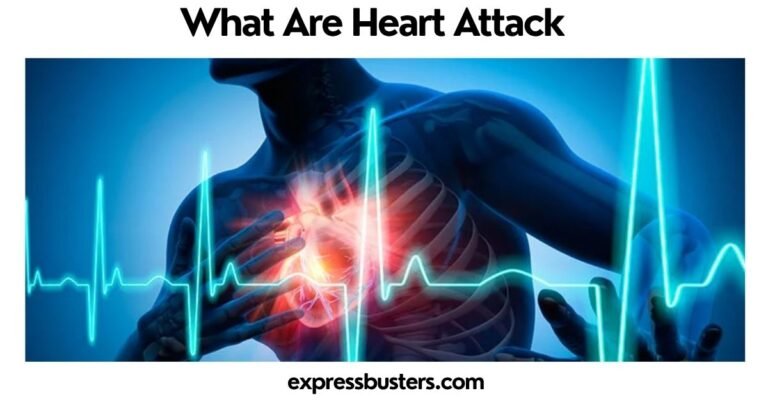
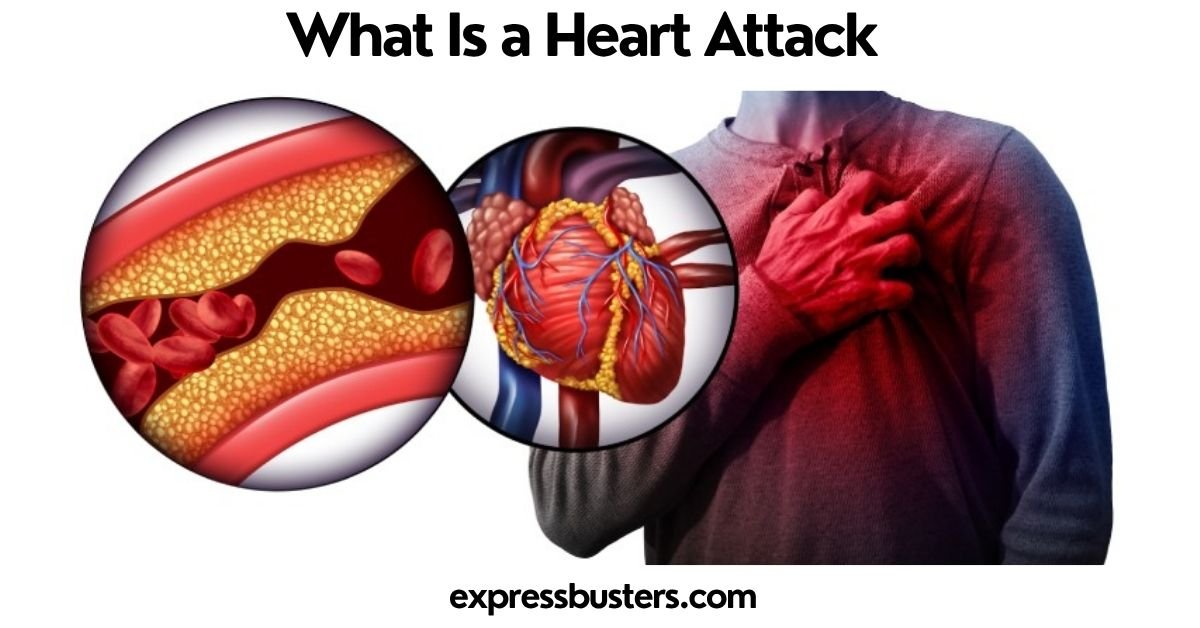
A heart attack, also called a myocardial infarction, happens when blood flow to part of the heart suddenly becomes blocked. The blockage prevents oxygen from reaching the heart muscle.
The heart needs a constant supply of oxygen-rich blood to keep pumping properly. Blood reaches the heart through coronary arteries. When one or more of these arteries become blocked, the heart muscle begins to suffer damage.
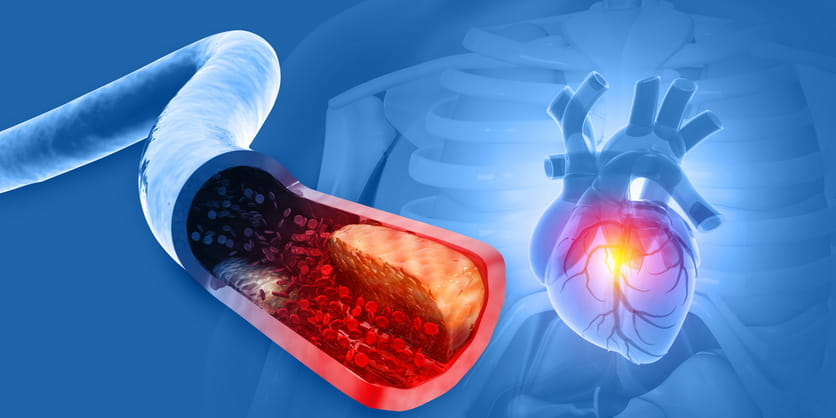
The blockage is usually caused by a buildup of fat, cholesterol, and plaque inside the arteries. Over time, plaque can break open and form a blood clot. If the clot blocks blood flow completely, a heart attack occurs.
Some people think a heart attack means the heart suddenly stops beating. That is not always true. During a heart attack, the heart usually continues beating, but part of the muscle is damaged due to lack of oxygen.
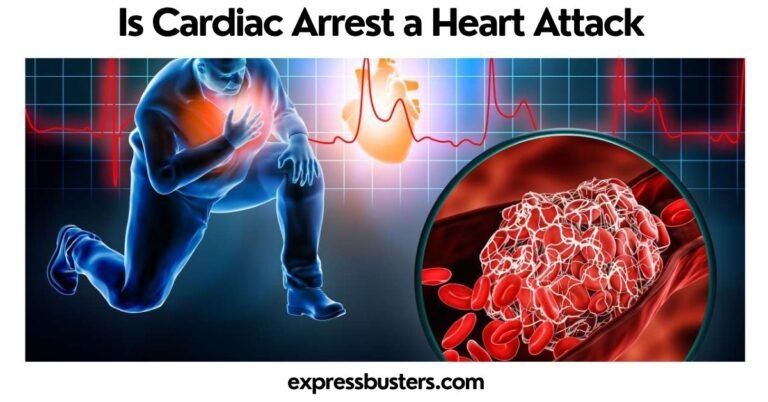
A heart attack is different from sudden cardiac arrest. Sudden cardiac arrest happens when the heart suddenly stops beating because of an electrical problem. A heart attack is mainly a circulation problem.
How the Heart Works
To fully understand what is a heart attack, it helps to know how the heart works.
The heart is a strong muscle that pumps blood throughout the body. It sends oxygen and nutrients to organs, muscles, and tissues.
The heart has its own blood supply through coronary arteries. These arteries wrap around the heart and deliver oxygen-rich blood directly to the heart muscle.
When coronary arteries become narrow or blocked, the heart muscle cannot get enough oxygen. This reduced blood flow can cause chest pain known as angina. If the blood flow stops completely, a heart attack happens.
Main Causes of a Heart Attack
Several conditions and habits increase the risk of heart attacks. The most common cause is coronary artery disease.
Coronary Artery Disease
Coronary artery disease occurs when plaque builds up inside the coronary arteries. Plaque contains fat, cholesterol, calcium, and other substances.
ALso Read: What Are Heart Attack: A Complete Guide for Everyone
As plaque grows, arteries become narrow and stiff. Blood flow becomes limited. If plaque suddenly breaks apart, a blood clot can form and block the artery.
Blood Clots
Blood clots are often responsible for completely blocking blood flow during a heart attack.
Coronary Artery Spasm
Sometimes a coronary artery suddenly tightens or spasms. This can temporarily stop blood flow to the heart muscle.
Severe Lack of Oxygen
Certain medical conditions may reduce oxygen levels in the blood and strain the heart.
Risk Factors for Heart Attack
Many risk factors increase the chance of developing heart disease and having a heart attack.
High Blood Pressure
High blood pressure damages artery walls over time and increases plaque buildup.
High Cholesterol
Too much bad cholesterol can create fatty deposits inside arteries.
Smoking
Smoking damages blood vessels and lowers oxygen in the blood.
Diabetes
Diabetes raises the risk of heart disease because high blood sugar damages blood vessels.
Obesity
Excess body weight puts extra stress on the heart.
Physical Inactivity
Lack of exercise weakens the heart and increases several health risks.
Stress
Long-term stress may raise blood pressure and increase unhealthy habits.
Family History
People with close relatives who had heart disease may face a higher risk.
Age
Heart attack risk increases with age.
Unhealthy Diet
Diets high in sugar, salt, unhealthy fats, and processed foods increase heart disease risk.
Common Symptoms of a Heart Attack
Heart attack symptoms can vary from person to person. Some people experience sudden severe symptoms, while others have mild warning signs.
Chest Pain or Pressure
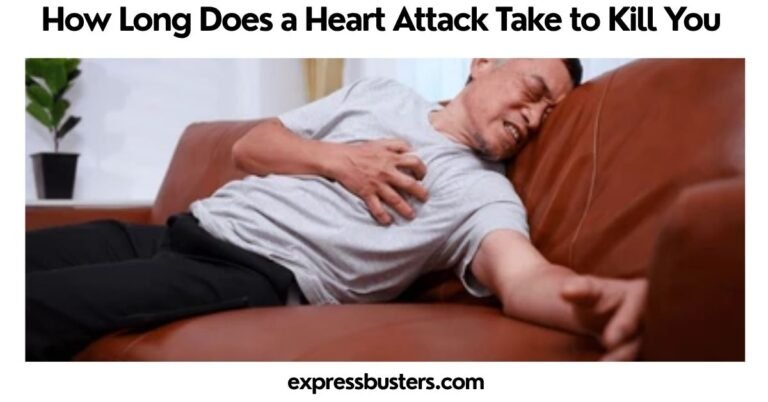
This is the most common symptom. Many people describe it as pressure, squeezing, tightness, heaviness, or pain in the chest.
Pain Spreading to Other Areas
Pain may move to the arms, shoulders, neck, jaw, back, or stomach.
Shortness of Breath
Breathing may become difficult even while resting.
Nausea or Vomiting
Some people feel sick to their stomach during a heart attack.
Cold Sweats
Sudden sweating without physical activity is a warning sign.
Dizziness or Lightheadedness
Reduced blood flow can make people feel faint.
Extreme Fatigue
Unusual tiredness may happen days or weeks before a heart attack.
Heart Attack Symptoms in Women
Women may experience different symptoms than men. Their signs are often more subtle.
Women may have:
- Unusual fatigue
- Nausea
- Shortness of breath
- Back pain
- Jaw pain
- Indigestion-like discomfort
- Mild chest pressure
Because symptoms can be less obvious, women sometimes delay getting medical help.
What Is a Silent Heart Attack?
Many people ask, what is a silent heart attack?
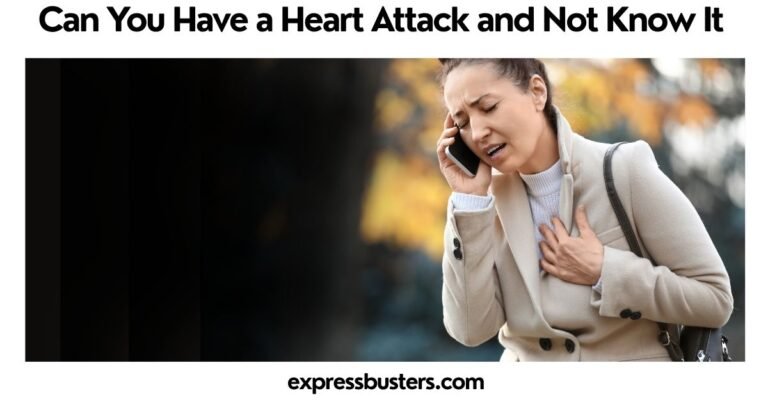
A silent heart attack happens when a person has a heart attack without realizing it. Symptoms may be very mild or mistaken for something else.
ALso Read: What Does a Heart Attack Feel Like? A Complete, Easy-to-Understand Guide
Some people think they have indigestion, muscle pain, or the flu. Others may not notice symptoms at all.
Silent heart attacks are dangerous because untreated heart damage can still occur. Doctors may later discover evidence of a past heart attack during tests.
People with diabetes are more likely to experience silent heart attacks because nerve damage may reduce pain sensations.
Common signs of a silent heart attack include:
- Mild chest discomfort
- Fatigue
- Shortness of breath
- Dizziness
- Discomfort in the jaw, arms, or back
What Is a Widow Maker Heart Attack?
Another important question is: what is a widow maker heart attack?
A widow maker heart attack is one of the most dangerous types of heart attacks. It occurs when there is a severe blockage in the left anterior descending artery, often called the LAD artery.
This artery supplies blood to a large portion of the heart. If blood flow is suddenly blocked, major heart damage can happen quickly.
People also search for what is a widowmaker heart attack, which refers to the same condition.
Symptoms may include:
- Severe chest pain
- Shortness of breath
- Sweating
- Nausea
- Collapse
Despite the frightening name, survival is possible with immediate treatment. Fast medical care greatly improves outcomes.
What to Do If Someone Is Having a Heart Attack
Knowing what to do if someone is having a heart attack can save a life.
Call 911 Immediately
Never ignore symptoms. Emergency medical treatment should begin as soon as possible.
Keep the Person Calm
Help them sit down and stay calm while waiting for emergency responders.
Give Aspirin If Appropriate
If the person is conscious and not allergic, aspirin may help reduce clotting. Only give it if advised by emergency services or a healthcare professional.
Loosen Tight Clothing
Help the person breathe comfortably.
Monitor Their Condition
If the person becomes unconscious and stops breathing, begin CPR if trained.
Use an AED if Available
An automated external defibrillator can help restart the heart during cardiac arrest.
Quick action improves survival chances and reduces heart damage.
How Doctors Diagnose a Heart Attack
Doctors use several tests to diagnose heart attacks quickly.
Electrocardiogram (ECG)
This test measures the heart’s electrical activity and can show signs of damage.
Blood Tests
Certain proteins enter the bloodstream when heart muscle damage occurs.
Echocardiogram
Ultrasound images help doctors examine heart function.
Coronary Angiography
Doctors use dye and imaging to locate blocked arteries.
Cardiac CT or MRI
Advanced imaging may provide additional details.
Emergency Treatment for Heart Attack
Fast treatment helps restore blood flow and save heart muscle.
Medications
Doctors may use:
- Blood thinners
- Aspirin
- Clot-busting drugs
- Nitroglycerin
- Beta-blockers
Angioplasty and Stent Placement
A small balloon opens blocked arteries. A stent helps keep the artery open.
Coronary Artery Bypass Surgery
Surgeons create a new route for blood flow around blocked arteries.
Recovery After a Heart Attack
Recovery takes time and often includes lifestyle changes.
Cardiac Rehabilitation
Cardiac rehab programs help patients recover safely through exercise, education, and counseling.
Medication Management
Many patients need long-term medications to protect heart health.
Emotional Recovery
Depression and anxiety are common after heart attacks. Emotional support is important.
Follow-Up Care
Regular doctor visits help monitor recovery progress.
Long-Term Effects of a Heart Attack
Heart attacks can lead to serious complications.
Heart Failure
Damaged heart muscle may weaken pumping ability.
Irregular Heart Rhythms
Electrical problems can develop after heart damage.
Cardiogenic Shock
Severe heart damage may prevent enough blood from reaching organs.
Sudden Cardiac Arrest
Serious rhythm problems may cause the heart to stop suddenly.
How to Prevent a Heart Attack
Many heart attacks are preventable.
Eat a Heart-Healthy Diet
Focus on:
- Fruits
- Vegetables
- Whole grains
- Lean proteins
- Healthy fats
Limit:
- Processed foods
- Added sugars
- Excess salt
- Trans fats
Exercise Regularly
Aim for regular physical activity each week.
Maintain a Healthy Weight
Healthy weight reduces stress on the heart.
Stop Smoking
Quitting smoking greatly lowers heart attack risk.
Manage Stress
Relaxation techniques and healthy coping methods can help.
Control Blood Pressure
Regular monitoring and treatment are important.
Manage Diabetes
Keeping blood sugar under control protects blood vessels.
Lower Cholesterol
Healthy lifestyle changes and medications may help.
Get Regular Checkups
Routine medical care helps detect problems early.
Heart Attack vs Cardiac Arrest
Many people confuse these conditions.
A heart attack occurs when blood flow to the heart muscle is blocked.
Sudden cardiac arrest occurs when the heart suddenly stops beating properly because of an electrical malfunction.
A heart attack can sometimes trigger cardiac arrest.
Both are medical emergencies.
Can Young People Have Heart Attacks?
Yes. Although heart attacks are more common in older adults, younger people can also experience them.
Risk factors among younger adults include:
- Smoking
- Obesity
- Drug use
- Diabetes
- High blood pressure
- Stress
- Poor diet
Some younger people also have genetic conditions affecting heart health.
Heart Attack Statistics in the United States
Heart attacks affect hundreds of thousands of Americans every year.
Important trends include:
- Heart disease remains a leading cause of death
- Many first heart attacks occur without previous warning signs
- Faster emergency treatment improves survival
- Preventive care significantly lowers risk
Public awareness campaigns continue encouraging people to recognize symptoms early.
Why Early Treatment Matters
Heart muscle begins dying within minutes after blood flow stops.
Doctors often say, “time is muscle.” The longer treatment is delayed, the greater the heart damage.
Early treatment can:
- Save heart muscle
- Reduce complications
- Improve survival
- Shorten recovery time
Never wait to see if symptoms improve on their own.
Mental Health After a Heart Attack
Many survivors experience emotional challenges after a heart attack.
Common feelings include:
- Fear
- Anxiety
- Depression
- Anger
- Stress
Support from family, counseling, and cardiac rehab programs can help emotional recovery.
Mental health is an important part of overall heart health.
Heart Attack Warning Signs That Should Never Be Ignored
Some symptoms require immediate medical attention.
Seek emergency help for:
- Chest pressure lasting more than a few minutes
- Severe chest pain
- Difficulty breathing
- Pain spreading to the arm or jaw
- Sudden sweating
- Fainting
- Sudden weakness
Calling 911 is safer than driving yourself to the hospital during symptoms.
The Future of Heart Attack Care
Medical technology continues improving heart attack treatment and prevention.
Modern advances include:
- Better imaging technology
- Faster emergency response systems
- Improved stents
- Advanced medications
- Wearable heart monitors
- Artificial intelligence for risk prediction
Researchers are also studying personalized treatments based on genetics and lifestyle factors.
Important Myths About Heart Attacks
Myth: Heart Attacks Only Happen to Older Men
Truth: Women and younger adults can also have heart attacks.
Myth: Chest Pain Is Always Severe
Truth: Some heart attacks cause mild discomfort or unusual symptoms.
Myth: Healthy People Never Have Heart Attacks
Truth: Even healthy-looking people may have hidden risk factors.
Myth: Heart Attack Recovery Is Quick
Truth: Recovery can take weeks or months.
Myth: A Heart Attack and Cardiac Arrest Are the Same
Truth: They are different medical emergencies.
Lifestyle Changes That Truly Protect the Heart
Many people focus only on medications, but daily habits strongly affect heart health.
Simple changes can make a big difference:
- Walking daily
- Sleeping enough
- Drinking water
- Cooking at home
- Reducing stress
- Avoiding tobacco
- Staying socially connected
Small consistent improvements often produce powerful long-term results.
Also Read: Are Sock Marks a Sign of Heart Disease? Causes, Symptoms, and When to Worry
When to See a Doctor
See a doctor if you experience:
- Chest discomfort
- Shortness of breath
- High blood pressure
- High cholesterol
- Frequent fatigue
- Family history of heart disease
Early evaluation may prevent serious complications later.
Frequently Asked Questions About Heart Attacks
Can stress cause a heart attack?
Stress alone may not directly cause a heart attack, but long-term stress increases risk factors like high blood pressure, poor sleep, and unhealthy habits.
How long does a heart attack last?
Symptoms may last several minutes or longer. Some symptoms come and go before becoming severe.
Can you survive a heart attack?
Yes. Many people survive heart attacks, especially with fast medical treatment.
Is a heart attack painful?
Some heart attacks cause severe pain, while others produce only mild discomfort.
Can exercise trigger a heart attack?
Heavy physical activity may trigger a heart attack in people with underlying heart disease, but regular exercise generally protects heart health.
What foods increase heart attack risk?
Foods high in trans fats, added sugars, salt, and processed ingredients may increase risk.
Can a heart attack happen during sleep?
Yes. Some heart attacks occur at night or early in the morning.
Are silent heart attacks dangerous?
Yes. Silent heart attacks still damage the heart even if symptoms are mild.
What is the first sign of a heart attack?
Chest discomfort is common, but symptoms vary between individuals.
Can women have different heart attack symptoms?
Yes. Women often experience less obvious symptoms like fatigue, nausea, or back pain.
What should you avoid after a heart attack?
Avoid smoking, unhealthy foods, excessive stress, and skipping medications or follow-up care.
Can heart attacks be prevented?
Many heart attacks can be prevented through healthy habits and proper medical care.
Final Thoughts
Understanding what is a heart attack is one of the most important steps toward protecting your health. A heart attack happens when blood flow to the heart muscle becomes blocked, leading to damage that can become life-threatening without immediate treatment.
Recognizing symptoms early and acting quickly can save lives. Learning what to do if someone is having a heart attack is equally important because fast emergency care greatly improves survival chances.
Heart attacks can affect men and women of all ages. Some are severe and sudden, while others may be silent or develop gradually. Dangerous conditions such as what is a widow maker heart attack and what is a silent heart attack show why awareness matters so much.
The good news is that many heart attacks are preventable. Healthy eating, regular exercise, stress management, avoiding smoking, and regular medical checkups all support a stronger heart and longer life.
By staying informed and making smart lifestyle choices, you can reduce risk, improve heart health, and help protect yourself and your loved ones for years to come.