What Causes a Heart Attack? Complete Guide to Causes, Risks, Warning Signs, and Prevention
Many people ask, “what causes a heart attack?” because heart disease remains one of the leading causes of death in the United States. A heart attack can happen suddenly, but in most cases, the damage builds slowly over many years.
Understanding what causes a heart attack can help save lives. When people know the warning signs, risk factors, and hidden causes, they can make better choices for their health. A heart attack does not only happen to older adults. It can affect younger people, men, women, athletes, and even people who seem healthy.
In simple terms, a heart attack happens when blood flow to the heart becomes blocked. Without enough oxygen-rich blood, part of the heart muscle begins to die. Fast treatment is critical because every minute matters.
This article explains everything you need to know about what causes a heart attack, including lifestyle habits, medical conditions, emotional triggers, silent risks, and prevention strategies. It also answers common questions people search online so you can better protect yourself and your loved ones.
What Is a Heart Attack?
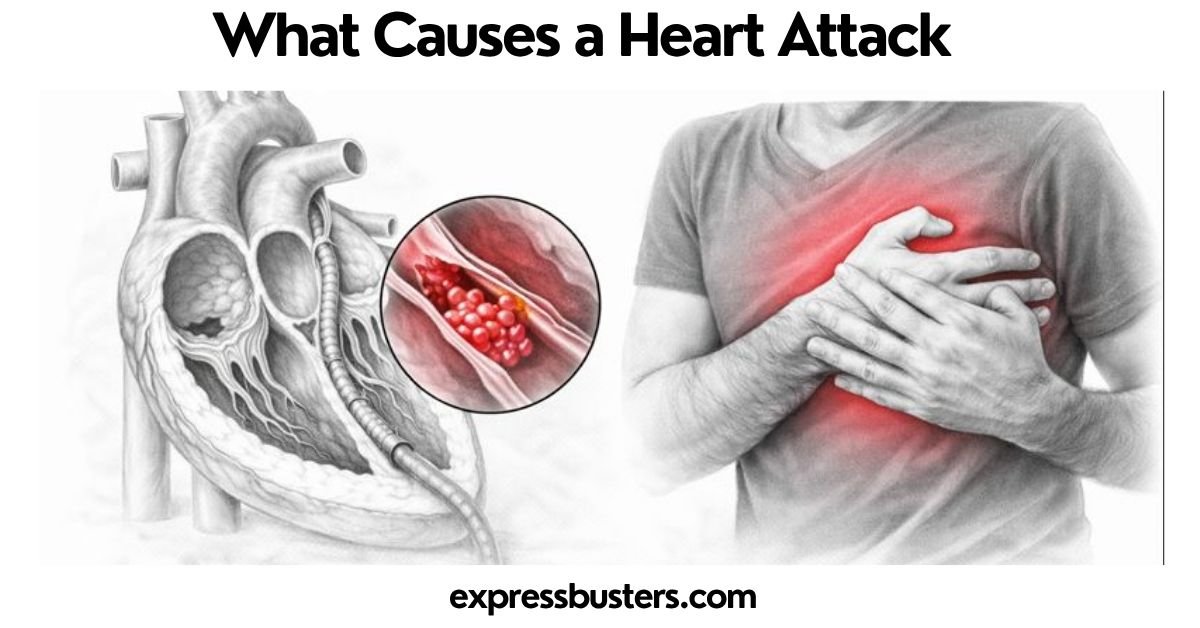
A heart attack, also called a myocardial infarction, happens when blood cannot properly reach the heart muscle. The blockage is usually caused by fatty deposits called plaque inside the arteries.
Over time, cholesterol, fat, calcium, and other substances build up in the artery walls. This condition is known as coronary artery disease. If the plaque breaks open, a blood clot may form and block the artery completely.
When this happens, the heart muscle loses oxygen. If blood flow is not restored quickly, permanent damage can occur.
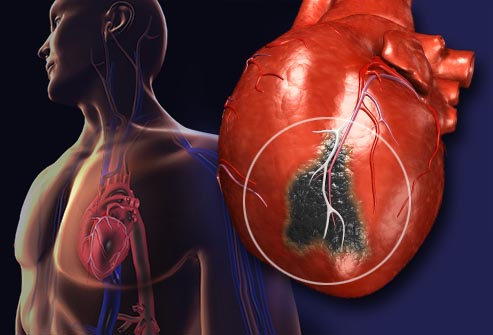
Some heart attacks are severe and sudden, while others start slowly with mild symptoms.
How the Heart Works
To understand what causes a heart attack, it helps to understand how the heart works.
The heart is a muscle that pumps blood throughout the body. It needs its own supply of oxygen-rich blood to function properly. This blood travels through coronary arteries.
Healthy arteries are flexible and open. Blood flows freely through them. But when arteries become narrow or blocked, the heart struggles to get enough oxygen.
This lack of oxygen is the main reason heart attacks happen.
What Causes a Heart Attack?
The most common answer to “what causes a heart attack” is blocked coronary arteries. However, many different factors can lead to these blockages.
Below are the major causes.
Coronary Artery Disease
Coronary artery disease is the number one cause of heart attacks.
This condition develops when plaque builds up inside the arteries. The arteries become narrow and stiff, reducing blood flow.
Plaque buildup usually happens slowly over decades. Many people do not know they have coronary artery disease until they experience chest pain or a heart attack.
Also Read: Are Sock Marks a Sign of Heart Disease? Causes, Symptoms, and When to Worry
Major contributors include:
- High cholesterol
- Smoking
- High blood pressure
- Diabetes
- Obesity
- Poor diet
- Lack of exercise
Coronary artery disease is responsible for most heart attacks in the United States.
Blood Clots
Blood clots are another major answer to the question “what can cause a heart attack.”
When plaque inside an artery cracks or bursts, the body tries to repair the damage. A blood clot forms over the injured area. Sometimes the clot grows too large and blocks blood flow completely.
This blockage can happen within minutes and may trigger a severe heart attack.
High Blood Pressure
High blood pressure damages artery walls over time. The constant force makes arteries weaker and more likely to collect plaque.
People with uncontrolled blood pressure have a much higher risk of heart attack, stroke, and heart failure.
Many adults have high blood pressure without symptoms. That is why it is often called the “silent killer.”
High Cholesterol
Cholesterol plays a major role in what causes a heart attack.
Low-density lipoprotein, or LDL cholesterol, is often called “bad cholesterol.” High LDL levels contribute to plaque buildup in the arteries.
At the same time, low levels of HDL cholesterol can increase risk because HDL helps remove excess cholesterol from the bloodstream.
A poor diet high in saturated fat and trans fat can worsen cholesterol levels.
Smoking and Tobacco Use
Smoking damages blood vessels and reduces oxygen in the blood. It also raises blood pressure and increases clot formation.
Even secondhand smoke can increase heart disease risk.
People who smoke are much more likely to experience a heart attack than non-smokers. The risk increases with long-term tobacco use.
Vaping may also affect heart health, although researchers are still studying its long-term effects.
Diabetes
Diabetes significantly raises the risk of heart attack.
High blood sugar damages blood vessels and nerves over time. People with diabetes are also more likely to have high cholesterol and high blood pressure.
Many diabetics develop heart disease years before symptoms appear.
Keeping blood sugar under control can greatly reduce heart attack risk.
Obesity
Excess body weight places strain on the heart.
Obesity is linked to:
- High blood pressure
- Diabetes
- High cholesterol
- Inflammation
- Sleep apnea
All of these conditions increase the chance of heart disease and heart attacks.
Belly fat is especially dangerous because it affects hormone levels and inflammation inside the body.
Lack of Physical Activity
A sedentary lifestyle is another hidden cause of heart attacks.
Regular exercise helps:
- Improve circulation
- Lower blood pressure
- Control weight
- Reduce stress
- Improve cholesterol levels
People who rarely move their bodies often have weaker cardiovascular health.
Even simple activities like walking can help protect the heart.
Poor Diet
Diet strongly affects heart health.
Foods that increase heart attack risk include:
- Fried foods
- Processed meat
- Sugary drinks
- Fast food
- Foods high in trans fat
- Excess salt
A poor diet contributes to obesity, diabetes, inflammation, and plaque buildup.
On the other hand, heart-friendly foods include:
- Fruits
- Vegetables
- Whole grains
- Nuts
- Fish
- Beans
- Olive oil
Healthy eating is one of the best ways to prevent heart disease.
Stress and Emotional Trauma
Many people do not realize emotional stress can affect the heart.
Long-term stress increases hormones like cortisol and adrenaline. These hormones raise blood pressure and inflammation.
Extreme emotional events can also trigger heart attacks.
Examples include:
- Sudden anger
- Grief
- Fear
- Anxiety
- Major shock
Some people experience stress-induced cardiomyopathy, also called broken heart syndrome. This condition can mimic a heart attack.
Drug and Alcohol Abuse
Illegal drugs are a dangerous answer to “what could cause a heart attack.”
Cocaine, methamphetamine, and other stimulants can narrow arteries and increase blood pressure suddenly.
Heavy alcohol use can also damage the heart muscle and raise blood pressure.
Even young people without heart disease may suffer heart attacks due to drug use.
Also Read: Can TENS Unit Cause Heart Attack? Safety, Risks, and Expert Answers Explained
Sleep Problems
Poor sleep is closely connected to heart disease.
Sleep disorders such as sleep apnea reduce oxygen levels during sleep and strain the heart.
People who sleep too little may also have higher stress hormones and blood pressure.
Good sleep is essential for overall heart health.
Genetics and Family History
Some people inherit a higher risk of heart disease.
If parents or close relatives had heart attacks at an early age, your risk may increase.
Genetics can influence:
- Cholesterol levels
- Blood pressure
- Diabetes risk
- Inflammation
While you cannot change family history, healthy habits can lower overall risk.
Age and Gender
Age is an important factor in what causes a heart attack.
As people get older, arteries naturally become less flexible.
Men generally face a higher risk earlier in life. However, women’s risk rises after menopause due to hormonal changes.
Women may also experience different symptoms than men.
Inflammation in the Body
Chronic inflammation damages blood vessels and contributes to plaque buildup.
Inflammation may come from:
- Smoking
- Obesity
- Autoimmune diseases
- Poor diet
- Chronic infections
- Stress
Researchers now believe inflammation plays a major role in heart disease progression.
What Causes a Massive Heart Attack?
People often ask, “what causes a massive heart attack?”
A massive heart attack usually occurs when a major coronary artery becomes fully blocked. This blocks blood flow to a large portion of the heart muscle.
Several factors can trigger a massive heart attack:
- Large blood clots
- Severe coronary artery disease
- Sudden plaque rupture
- Extremely high blood pressure
- Drug use
- Delayed treatment
The longer the blockage lasts, the more heart muscle dies.
Massive heart attacks are especially dangerous because they can cause:
- Cardiac arrest
- Heart failure
- Severe rhythm problems
- Sudden death
Immediate emergency care is critical.
What Is the Cause of a Massive Heart Attack in Younger Adults?
Heart attacks in younger adults are becoming more common.
Several modern lifestyle factors may explain this trend.
Common causes include:
- Smoking and vaping
- Obesity
- Stress
- Poor diet
- Lack of exercise
- Drug use
- Diabetes
- High cholesterol
Some younger adults also have hidden genetic conditions that increase clotting or cholesterol problems.
Because younger people often ignore symptoms, treatment may be delayed.
Silent Heart Attacks
Not all heart attacks are dramatic.
A silent heart attack may happen with mild or unusual symptoms. Some people mistake symptoms for indigestion, fatigue, or muscle pain.
Silent heart attacks are more common in:
- Older adults
- Women
- Diabetics
Even though symptoms may be mild, damage to the heart still occurs.
Warning Signs of a Heart Attack
Recognizing symptoms early can save a life.
Common warning signs include:
- Chest pain or pressure
- Tightness in the chest
- Pain in the arm, neck, jaw, or back
- Shortness of breath
- Sweating
- Nausea
- Dizziness
- Fatigue
Symptoms may appear suddenly or slowly over hours or days.
Women sometimes experience less obvious symptoms such as:
- Extreme fatigue
- Nausea
- Upper back pain
- Shortness of breath
Never ignore unusual chest discomfort.
Can Stress Alone Cause a Heart Attack?
Stress alone may not directly block arteries, but it can trigger dangerous reactions in the body.
Stress can:
- Raise blood pressure
- Increase heart rate
- Cause artery spasms
- Increase inflammation
- Trigger unhealthy habits
In people with existing heart disease, severe stress may trigger a heart attack.
Managing stress is an important part of heart health.
Can Healthy People Have Heart Attacks?
Yes, even healthy-looking people can experience heart attacks.
Sometimes the cause is hidden coronary artery disease or genetic risk factors.
Athletes and active people are not completely protected.
However, maintaining healthy habits greatly lowers the chances.
Heart Attack Risk Factors You Can Control
The good news is that many heart attack risks are preventable.
The most important controllable risk factors include:
- Smoking
- High blood pressure
- High cholesterol
- Diabetes
- Obesity
- Poor diet
- Lack of exercise
- Stress
- Excess alcohol
Small lifestyle changes can make a huge difference over time.
How Doctors Diagnose a Heart Attack
Doctors use several tests to confirm a heart attack.
These may include:
- Electrocardiogram (ECG)
- Blood tests
- Echocardiogram
- Coronary angiography
- Stress tests
Quick diagnosis helps reduce heart damage.
Treatment for Heart Attacks
Treatment depends on the severity of the blockage.
Common treatments include:
- Aspirin
- Blood thinners
- Oxygen
- Clot-busting drugs
- Angioplasty
- Stents
- Bypass surgery
Doctors work quickly to restore blood flow to the heart.
Recovery may include medications, lifestyle changes, and cardiac rehabilitation.
How to Prevent a Heart Attack
Understanding what causes a heart attack is important, but prevention is even more important.
Here are the best ways to protect your heart.
Eat a Heart-Healthy Diet
Focus on foods that reduce inflammation and improve blood flow.
Good choices include:
- Vegetables
- Fruits
- Lean proteins
- Whole grains
- Fish
- Nuts
- Healthy oils
Reduce processed foods and added sugar.
Stay Physically Active
Exercise strengthens the heart and improves circulation.
Aim for at least 150 minutes of moderate exercise each week.
Simple activities like walking, swimming, or biking are helpful.
Quit Smoking
Stopping smoking quickly improves heart health.
The body begins repairing itself soon after quitting.
Even long-time smokers can reduce risk by stopping today.
Manage Blood Pressure
Regular blood pressure checks are important.
Lifestyle changes and medications can help keep numbers under control.
Control Cholesterol Levels
Healthy eating, exercise, and medications may help lower LDL cholesterol.
Keeping cholesterol in a healthy range reduces plaque buildup.
Maintain a Healthy Weight
Losing even a small amount of weight can improve heart health.
Healthy weight management lowers stress on the heart.
Reduce Stress
Stress management techniques include:
- Meditation
- Deep breathing
- Exercise
- Better sleep
- Therapy
- Spending time outdoors
Mental health and heart health are deeply connected.
Get Quality Sleep
Adults should aim for 7 to 9 hours of sleep each night.
Treating sleep apnea may also reduce heart risks.
Know Your Family History
Understanding family history helps doctors identify risk earlier.
People with strong family histories may need earlier screenings.
Why Heart Attacks Are Increasing in Modern Society
Modern lifestyles may explain why heart disease remains common.
ALso Read: Calesshop: A Complete Guide to the Emerging Online Marketplace
Today many people experience:
- Chronic stress
- Sedentary jobs
- Poor diet
- Processed foods
- Lack of sleep
- Social isolation
Technology has improved life in many ways, but unhealthy routines have also increased.
Preventing heart disease now requires both medical care and healthier daily habits.
Common Myths About Heart Attacks
Many myths prevent people from getting proper care.
Myth 1: Heart Attacks Only Happen to Old People
Heart attacks can affect younger adults too.
Myth 2: Chest Pain Is Always Severe
Some heart attacks cause mild discomfort only.
Myth 3: Women Do Not Get Heart Attacks Often
Heart disease is a major health risk for women.
Myth 4: Thin People Cannot Have Heart Disease
Even people with normal weight may have high cholesterol or hidden artery disease.
Myth 5: Exercise Prevents All Heart Problems
Exercise helps greatly, but it does not remove all risks.
The Emotional Impact of a Heart Attack
A heart attack affects more than the body.
Many survivors experience:
- Anxiety
- Fear
- Depression
- Stress about future health
Emotional recovery is an important part of healing.
Support from family, doctors, and counselors can help people rebuild confidence after a heart attack.
The Future of Heart Attack Prevention
Medical science continues improving heart care.
Researchers are studying:
- Better cholesterol treatments
- Inflammation-targeting medications
- Genetic testing
- Artificial intelligence for early detection
- Wearable heart monitors
Early prevention may become even more effective in the future.
Final Thoughts on What Causes a Heart Attack
So, what causes a heart attack?
In most cases, the main cause is blocked blood flow to the heart due to plaque buildup and blood clots. However, many lifestyle habits, medical conditions, and emotional factors contribute to this process.
Smoking, high blood pressure, diabetes, obesity, stress, poor diet, and lack of exercise all increase risk. Genetics and age also play important roles.
The good news is that many heart attacks can be prevented. Healthy daily habits, regular medical care, and awareness of symptoms can dramatically reduce risk.
Understanding what causes a heart attack empowers people to make smarter choices for themselves and their families. Prevention starts with education, action, and consistency.
FAQs About What Causes a Heart Attack
Can dehydration cause a heart attack?
Severe dehydration may strain the heart and affect blood pressure. While dehydration alone usually does not directly cause a heart attack, it can increase risk in vulnerable individuals.
Can cold weather trigger a heart attack?
Yes. Cold weather can narrow blood vessels and raise blood pressure, making heart attacks more likely in some people.
Can anxiety feel like a heart attack?
Yes. Anxiety and panic attacks can cause chest pain, rapid heartbeat, and shortness of breath. However, chest symptoms should always be checked by a doctor because heart attacks can look similar.
Can eating too much cause a heart attack?
Large heavy meals may temporarily strain the heart, especially in people with existing heart disease.
What causes heart attacks during sleep?
Nighttime heart attacks may be linked to sleep apnea, poor oxygen levels, stress hormones, or severe heart disease.
Can infections increase heart attack risk?
Yes. Serious infections and inflammation may increase stress on the heart and raise clotting risk.
Are heart attacks always fatal?
No. Many people survive heart attacks, especially when treatment happens quickly.
Can exercise trigger a heart attack?
Intense exercise may trigger a heart attack in people with severe underlying heart disease, but regular physical activity usually lowers long-term risk.
What foods are most dangerous for heart health?
Foods high in trans fats, processed sugar, excess salt, and unhealthy oils may increase heart disease risk.
How fast can a heart attack happen?
Some heart attacks develop suddenly within minutes, while others build slowly over several hours or days.