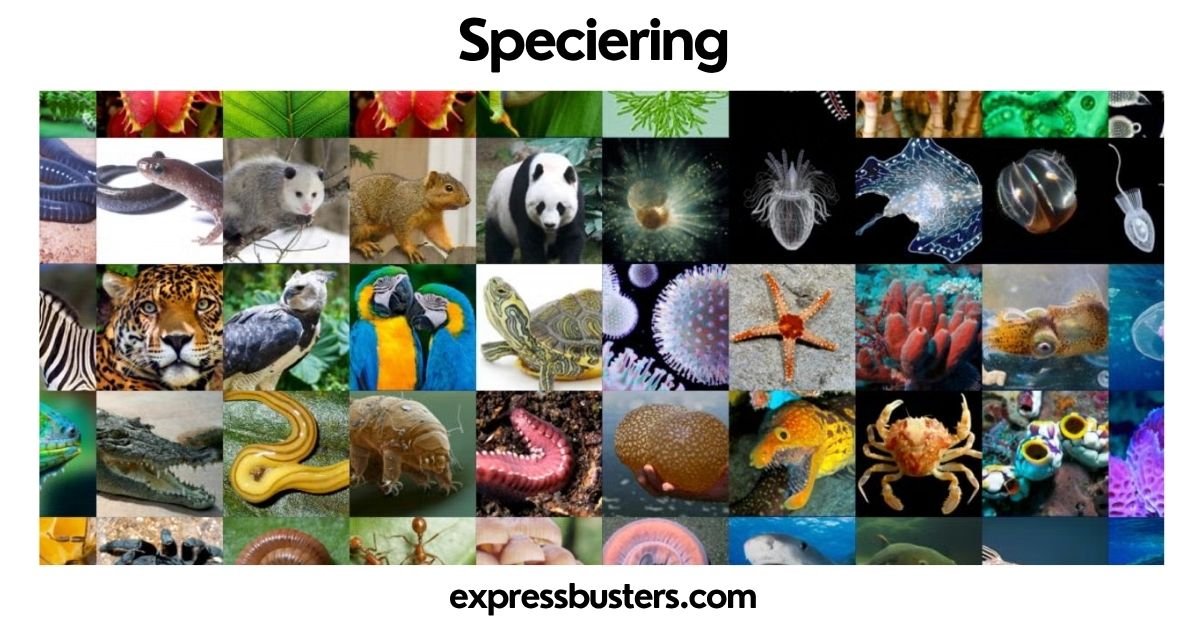
Speciering: A Complete Guide to How New Species Form and Change Life on Earth
Speciering is one of the most important natural processes in biology. It explains how new species appear, how life becomes more diverse, and why the world is filled with so many different plants, animals, insects, and microorganisms.
From birds on remote islands to fish in deep lakes and plants growing in separate mountain regions, speciering helps scientists understand how life changes over time. Without speciering, Earth would not have the incredible biodiversity we see today.
Many people hear about evolution, but fewer understand how evolution actually creates new species. That is where speciering becomes important. It is the bridge between small genetic changes and the formation of completely new living organisms.
This guide explains speciering in a simple and professional way. You will learn what speciering means, how it works, what causes it, the main types of speciering, real-world examples, and why it matters for humans, science, and the future of our planet.
What Is Speciering?
Speciering is the biological process through which new species develop from existing populations.
It happens when groups of the same species become separated and begin to evolve differently over time. As these differences grow, the groups may no longer be able to reproduce with each other successfully. When that happens, they become separate species.
In simple words, speciering is how one species turns into two or more different species.
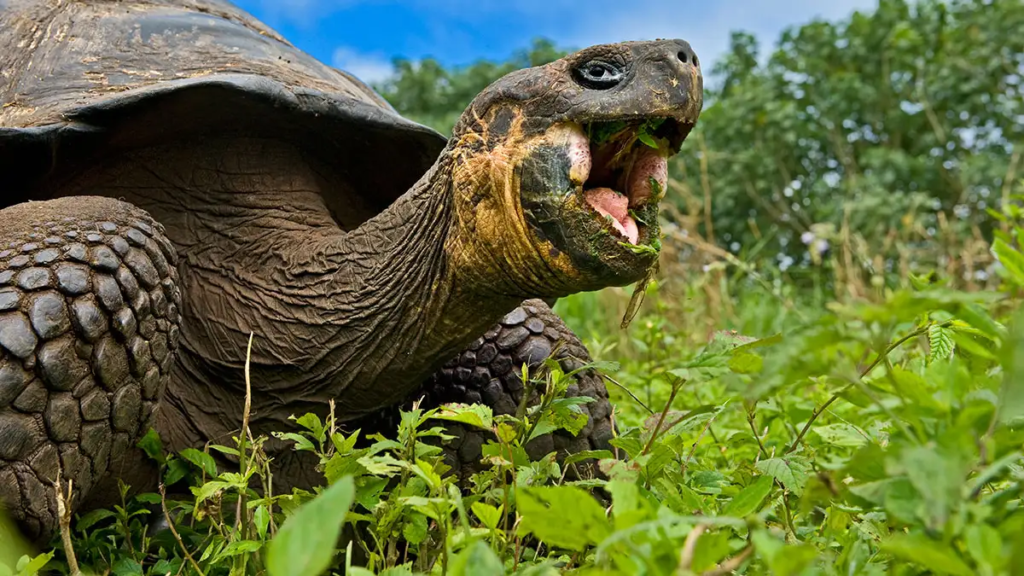
For example, imagine a group of birds living in one forest. If part of that group becomes isolated on an island, the island birds may slowly change over many generations. They may develop different beaks, feeding habits, or mating behaviors. After enough time, they may no longer breed with the original forest birds. At that point, speciering has occurred.
Speciering is a natural part of evolution and helps explain the origin of biodiversity across the world.
Why Speciering Matters
Speciering is not just a scientific idea found in textbooks. It shapes the natural world around us.
Every fruit, flower, animal, and insect species that exists today is the result of speciering happening over millions of years.
Here is why speciering matters:
Also Read: Dojen Moe: The Complete Guide to a Unique Fan Culture Trend
It Creates Biodiversity
Biodiversity means the variety of life on Earth. Speciering is the main reason biodiversity exists.
Without speciering, there would be far fewer life forms and ecosystems would be much simpler.
It Helps Species Survive
When environments change, species must adapt or disappear. Speciering allows populations to develop new traits that improve survival in different conditions.
This helps life continue even during major environmental changes.
It Supports Scientific Research
Scientists study speciering to understand genetics, adaptation, climate effects, and conservation biology.
It helps researchers protect endangered species and manage ecosystems more effectively.
It Explains Evolution Clearly
People often ask how evolution creates something completely new. Speciering provides the answer.
It shows how gradual changes can eventually lead to entirely separate species.
The Basic Process of Speciering
Speciering usually does not happen quickly. It often takes thousands or even millions of years.
The process generally follows several important steps.
Population Separation
The first step in speciering is separation.
A single population becomes divided into smaller groups. This separation may happen because of mountains, rivers, oceans, climate changes, or migration.
Once separated, the groups no longer mix regularly.
Genetic Changes Begin
Each group starts developing its own genetic differences.
Mutations happen naturally. Some traits become more common because they help survival or reproduction.
Over time, these small differences increase.
Adaptation to Different Environments
Different environments create different survival pressures.
A population in a cold region may develop thicker fur, while another in a warmer region may develop heat resistance.
These adaptations push the groups further apart biologically.
Reproductive Isolation
Eventually, the groups may become so different that they cannot reproduce successfully together.
This is called reproductive isolation.
It is the final and most important stage of speciering.
Once reproductive isolation happens, new species exist.
Main Types of Speciering
There are several forms of speciering. Each happens in a different way depending on environmental and biological conditions.
Understanding these types helps explain how species form across different ecosystems.
Also Read: NOVAPG: The Modern Digital Platform Transforming Businesses
Allopatric Speciering
Allopatric speciering happens when a population becomes physically separated by a geographic barrier.
This is the most common type of speciering.
Barriers may include:
- Mountains
- Rivers
- Oceans
- Deserts
- Glaciers
- Forest fragmentation
Because the groups are separated, they stop breeding with each other and begin evolving independently.
Example: A population of squirrels divided by the formation of the Grand Canyon may eventually become two separate species.
Sympatric Speciering
Sympatric speciering happens without physical separation.
The populations live in the same area but become reproductively isolated because of behavioral, genetic, or ecological differences.
This often happens in insects, fish, and plants.
Example: Some insects begin feeding on different plants and only mate near those plants. Over time, they become separate species.
Parapatric Speciering
Parapatric speciering happens when neighboring populations live in different environments and have limited contact.
They are not fully separated, but they do not mix enough to remain one species.
Environmental differences slowly drive them apart.
Example: Grass growing near polluted mining areas may evolve differently from grass growing in clean soil nearby.
Peripatric Speciering
Peripatric speciering occurs when a small group becomes isolated from a larger population.
Because the new group is small, genetic changes can happen faster.
This is often seen on islands.
Example: A few birds reaching a remote island may evolve into a new species over time.
Factors That Cause Speciering
Several forces work together to create speciering.
These are the main drivers.
Natural Selection
Natural selection favors traits that improve survival and reproduction.
Different environments create different selection pressures, leading to new adaptations.
This is one of the strongest causes of speciering.
Genetic Mutation
Mutations are random changes in DNA.
Most mutations are small, but over time they create variation within populations.
Some mutations help survival and become common.
Without mutation, speciering would not happen.
Genetic Drift
Genetic drift is random change in gene frequency, especially in small populations.
It can cause populations to become genetically different even without strong environmental pressure.
This is common in isolated island populations.
Sexual Selection
Mate choice can also drive speciering.
If individuals prefer partners with specific colors, songs, or behaviors, separate breeding groups can form.
This eventually leads to reproductive isolation.
Environmental Change
Climate shifts, habitat destruction, volcanic eruptions, and ice ages can separate populations and create new survival challenges.
These events often trigger speciering.
Reproductive Isolation in Speciering
Reproductive isolation is the key sign that speciering is complete.
It means two groups can no longer produce healthy, fertile offspring together.
There are two major types.
Prezygotic Isolation
This happens before fertilization.
It prevents mating or fertilization from taking place.
Examples include:
- Different mating seasons
- Different mating calls
- Different habitats
- Physical differences
- Behavioral differences
Postzygotic Isolation
This happens after fertilization.
Mating occurs, but the offspring are weak, infertile, or do not survive.
A common example is the mule, which is produced by a horse and a donkey but usually cannot reproduce.
Famous Examples of Speciering
Real-world examples help make speciering easier to understand.
Darwin’s Finches
One of the most famous examples comes from the Galápagos Islands.
Different finch populations developed different beak shapes depending on available food sources.
Some birds adapted for seeds, others for insects, and others for cactus flowers.
Over time, these finches became separate species.
This example helped support Charles Darwin’s ideas about evolution.
African Cichlid Fish
African lakes contain hundreds of cichlid fish species that evolved from common ancestors.
Different colors, feeding methods, and mating behaviors caused rapid speciering.
This is one of the fastest known examples.
Also Read: What Is Market Value Adjustment? A Complete Beginner-Friendly Guide
Apple Maggot Flies
Some apple maggot flies originally laid eggs only on hawthorn trees.
When apple trees were introduced, some flies switched to apples.
Because apples and hawthorns fruit at different times, the flies began breeding separately.
This created sympatric speciering.
Polar Bears and Brown Bears
Scientists believe polar bears and brown bears share a common ancestor.
As some bear populations adapted to Arctic conditions, they developed white fur, hunting skills for ice environments, and other specialized traits.
This is an example of speciering through environmental adaptation.
Speciering in Plants
Plants often experience speciering differently than animals.
One major reason is polyploidy.
Polyploidy and Plant Speciering
Polyploidy happens when a plant receives extra sets of chromosomes.
This can create a new species almost instantly because the new plant may no longer breed successfully with the original population.
This form of speciering is much more common in plants than animals.
Many crops used by humans today are linked to polyploid speciering.
Examples include wheat, cotton, and strawberries.
Human Impact on Speciering
Humans can both slow down and speed up speciering.
Habitat Destruction
Deforestation, pollution, and urban growth can destroy habitats before speciering has time to occur.
This reduces biodiversity and increases extinction risk.
Climate Change
Changing temperatures force species to move, adapt, or separate into new environments.
This can create new opportunities for speciering but also major threats.
Conservation Programs
Protected areas help preserve isolated populations and natural evolutionary processes.
Conservation scientists study speciering to protect future biodiversity.
Artificial Selection
Humans also influence species development through breeding plants, animals, and crops.
While this is not natural speciering in the strict sense, it shows how selective pressures shape living organisms.
Speciering vs Evolution
Many people confuse speciering with evolution, but they are not exactly the same.
Evolution refers to genetic change in populations over time.
Speciering is a specific result of evolution where those changes become large enough to form new species.
Also Read: What Is Mass Market Paperback? A Complete, Easy Guide
You can think of it this way:
Evolution is the process.
Speciering is one major outcome.
Not all evolution leads to speciering, but all speciering happens because of evolution.
Challenges in Studying Speciering
Speciering often happens very slowly, which makes it difficult to observe directly.
Scientists use several methods to study it.
Fossil Records
Fossils help show how species changed over long periods.
They provide evidence of ancestral relationships.
DNA Analysis
Modern genetics allows scientists to compare DNA between species and estimate when they separated.
This is one of the most powerful tools today.
Field Observation
Researchers study isolated populations in nature to observe early stages of speciering.
Birds, fish, insects, and island animals are common study subjects.
Laboratory Experiments
Some organisms like bacteria and fruit flies reproduce quickly, allowing scientists to observe evolutionary changes in shorter time periods.
These studies provide strong evidence for speciering.
Common Misunderstandings About Speciering
There are several myths about speciering that create confusion.
Myth: New Species Appear Suddenly
Reality: Most speciering takes a very long time and happens gradually.
Myth: Speciering Only Happened in the Past
Reality: Speciering is still happening today in many parts of the world.
Myth: Humans Came From Modern Monkeys
Reality: Humans and modern monkeys share common ancestors. One did not directly come from the other.
Myth: Speciering Is Just a Theory Without Proof
Reality: There is strong evidence from genetics, fossils, and observed natural examples supporting speciering.
The Future of Speciering Research
Modern science is improving our understanding of speciering faster than ever.
Genome sequencing, artificial intelligence, and climate research are helping scientists study evolutionary change with greater accuracy.
Researchers are now asking deeper questions such as:
- How fast can speciering happen?
- Can humans predict future speciering events?
- How does urban life affect species formation?
- Can conservation support healthy speciering?
These questions are important for the future of biology and environmental protection.
Final Thoughts on Speciering
Speciering is one of the most powerful forces in nature.
It explains how life becomes more diverse, how new species form, and how ecosystems continue changing across generations.
From birds on islands to flowers in mountains and fish in ancient lakes, speciering shapes the living world around us.
Understanding speciering helps us better understand evolution, biodiversity, and our own place in nature.
It also reminds us that life is never standing still. Species continue to adapt, separate, and change—even today.
As science advances, our understanding of speciering will continue to grow, offering deeper insight into the story of life on Earth.
FAQs About Speciering
Is speciering the same as evolution?
No. Evolution is the overall process of genetic change over time, while speciering is the formation of new species as a result of evolution.
How long does speciering take?
It depends on the species and environment. Some cases take thousands of years, while others may take millions. In rare cases, especially in plants, speciering can happen much faster.
Can speciering be observed today?
Yes. Scientists have observed early stages of speciering in fish, insects, plants, and microorganisms. Some examples are happening right now.
Does speciering only happen in animals?
No. Speciering happens in animals, plants, fungi, bacteria, and other living organisms. Plant speciering is often especially fast because of chromosome changes.
What is the fastest type of speciering?
In plants, polyploidy can create new species very quickly, sometimes in a single generation.
Why is reproductive isolation important in speciering?
Because it marks the point where two populations can no longer successfully reproduce together. This confirms they are separate species.
Can humans cause speciering?
Yes. Human activities like climate change, habitat fragmentation, and species introduction can create conditions that support or disrupt speciering.
Is extinction related to speciering?
Yes. Extinction removes species, while speciering creates new ones. Together, they shape biodiversity over time.