Are Sock Marks a Sign of Heart Disease? Causes, Symptoms, and When to Worry
Many people notice lines or indentations on their legs after wearing socks. These marks are very common and often harmless. But sometimes, they raise an important question: are sock marks a sign of heart disease?
It explores when they are normal, when they may signal a deeper problem, and how heart health can be involved. You will also learn how to tell the difference between harmless marks and signs that need medical attention.
Understanding Sock Marks on the Skin
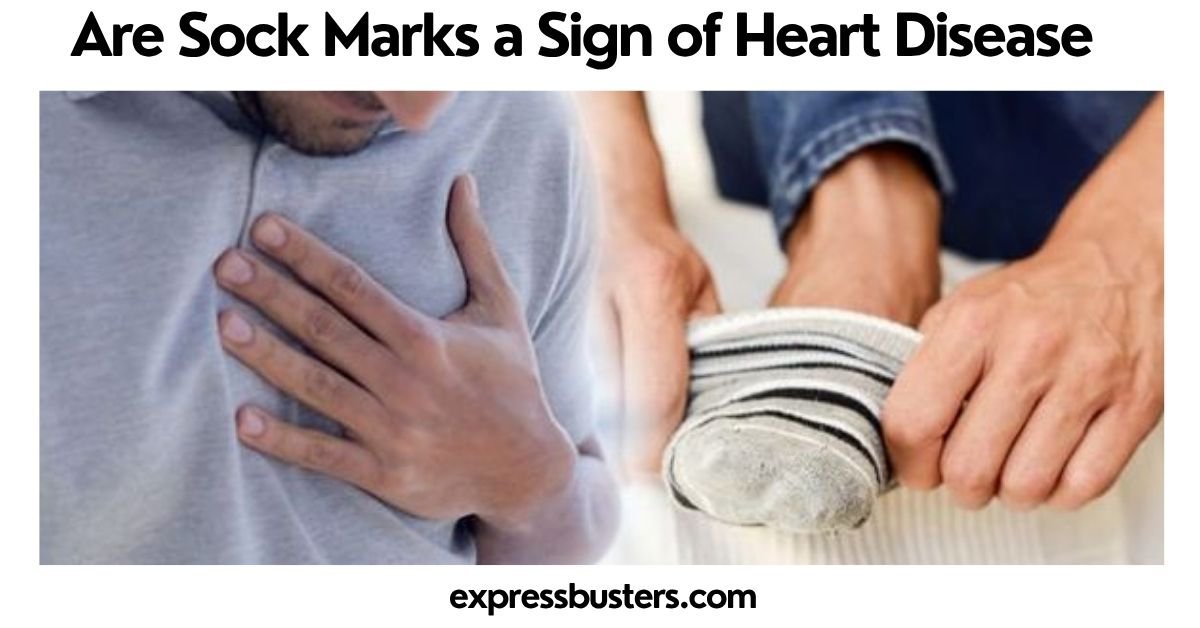
Sock marks are lines or indentations that appear on your skin after removing socks. These marks usually happen because the elastic band presses against your skin.
In most cases, this is completely normal. Your socks apply gentle pressure, and the skin reacts by forming temporary lines. These marks usually fade within a few minutes to an hour.
However, not all sock marks are the same. Some people notice deeper marks that last longer or come with swelling. That is when the question becomes more serious: are sock marks a sign of heart disease or another health condition?

Why Sock Marks Happen
To understand the possible link to heart disease, it helps to know why sock marks form in the first place.
There are a few main reasons:
Pressure from Elastic Bands
Socks have tight bands to stay in place. This pressure can leave marks, especially if worn for long hours.
Fluid Retention
When fluid builds up in the lower legs, it makes the skin softer. This makes it easier for socks to leave deeper marks.
Poor Circulation
If blood flow is slow, fluid may collect in the legs. This can increase the chance of visible sock marks.
Body Position
Standing or sitting for long periods can cause fluid to settle in your legs due to gravity.
Are Sock Marks a Sign of Heart Disease?
The short answer is: sometimes, but not always.
Most sock marks are harmless. However, if they are frequent, deep, and linked with swelling, they could be a sign of a condition called edema. Edema means fluid buildup in the body, especially in the legs and feet.
In some cases, edema can be related to heart problems.
How Heart Disease Can Cause Sock Marks
The heart plays a key role in pumping blood through your body. When the heart is not working properly, blood flow slows down. This can cause fluid to build up in the lower parts of the body.
This condition is often linked to heart failure.
What Happens in Heart-Related Swelling
When the heart is weak:
- Blood does not move efficiently
- Fluid leaks into tissues
- Swelling develops in the legs and ankles
- Sock marks become deeper and last longer
This is why people ask: are sock marks a sign of heart disease?
The answer becomes more important when swelling is persistent and comes with other symptoms.
Signs That Sock Marks May Be Serious
Not all sock marks are a problem. But you should pay attention if you notice the following:
Persistent Swelling
If your legs stay swollen even after resting, this could be a warning sign.
Deep Indentations
If sock marks stay visible for hours, it may indicate fluid retention.
Pain or Discomfort
Swelling with pain is not normal and needs attention.
Shortness of Breath
This is a key symptom of heart problems and should not be ignored.
Fatigue
Feeling tired all the time can be linked to poor heart function.
Rapid Weight Gain
Sudden weight gain may be due to fluid buildup.
If these symptoms appear together, then the question are sock marks a sign of heart disease becomes much more relevant.
Also Read: a&a meat market: Quality, Value, and What Makes It Stand Out
Other Causes of Sock Marks
Heart disease is not the only reason for sock marks. There are many other conditions that can cause similar symptoms.
Kidney Problems
The kidneys help remove excess fluid. If they are not working well, fluid may build up in the body.
Liver Disease
Liver issues can lead to fluid retention in the abdomen and legs.
Venous Insufficiency
This happens when veins struggle to send blood back to the heart. It can cause swelling and sock marks.
Medications
Some medicines, like blood pressure drugs, can cause swelling.
Pregnancy
Hormonal changes and increased fluid can lead to visible sock marks.
High Salt Intake
Too much salt can cause the body to hold onto water.
Are Sock Marks a Sign of Heart Disease Reddit Discussions
Many people search online forums to understand their symptoms. The phrase are sock marks a sign of heart disease reddit is often used by people looking for real experiences.
On such platforms, users share stories about noticing sock marks and later discovering health issues. While these discussions can be helpful, they are not always accurate.
Some key insights from these discussions include:
- Many people have harmless sock marks
- Some cases led to early diagnosis of health issues
- Anxiety can increase when symptoms are misunderstood
It is important to use these discussions as a guide, not a diagnosis.
When Sock Marks Are Completely Normal
In many cases, sock marks are not a cause for concern.
They are usually harmless when:
- They fade quickly
- There is no swelling
- There is no pain
- They appear after wearing tight socks
In these situations, the answer to are sock marks a sign of heart disease is no.
How to Check for Edema at Home
You can do a simple test to check for fluid buildup.
The Press Test
Press your finger gently into your lower leg for a few seconds. If the skin stays indented after you remove your finger, this may be a sign of pitting edema.
This type of swelling can be linked to heart, kidney, or liver issues.
Lifestyle Factors That Increase Risk
Certain habits can increase your risk of developing swelling and related symptoms.
Lack of Movement
Sitting or standing for long hours slows circulation.
Poor Diet
High salt intake leads to water retention.
Obesity
Extra weight puts pressure on the heart and veins.
Smoking
Smoking damages blood vessels and affects circulation.
Alcohol Use
Too much alcohol can harm the liver and heart.
Improving these habits can reduce symptoms and improve overall health.
How Doctors Diagnose the Cause
If sock marks are severe or persistent, a doctor may run tests to find the cause.
These may include:
- Blood tests
- Urine tests
- Heart function tests
- Ultrasound of the legs
- Chest imaging
These tests help determine whether the issue is related to heart disease or another condition.
Treatment Options Based on Cause
Treatment depends on the underlying reason.
For Heart-Related Issues
Doctors may prescribe medications to improve heart function and reduce fluid buildup.
For Mild Swelling
Simple changes like reducing salt intake and staying active can help.
Compression Socks
These help improve circulation and reduce swelling.
Elevating Legs
Raising your legs above heart level can reduce fluid buildup.
Medication Adjustments
If drugs are causing swelling, your doctor may change them.
Preventing Sock Marks and Swelling
Prevention is often simple and effective.
Stay Active
Walk regularly to improve circulation.
Reduce Salt Intake
Limit processed and salty foods.
Drink Enough Water
Proper hydration helps balance fluids.
Wear Proper Socks
Choose socks that are not too tight.
Elevate Your Legs
Rest with your legs raised when possible.
The Role of Early Detection
Early detection of health problems can make a big difference.
If sock marks are linked to a serious condition, catching it early can:
- Improve treatment outcomes
- Prevent complications
- Protect long-term health
This is why it is important to understand the real meaning behind the question are sock marks a sign of heart disease.
Expert Insight and Practical Interpretation
While many sources focus on general explanations, it is important to interpret sock marks in context.
Here is a practical way to think about it:
Sock marks alone are not a disease. They are a sign. The meaning of that sign depends on other symptoms.
ALso Read: Is Red Dead Online Crossplay? Complete Guide for Gamers
If you only have marks, there is usually no problem.
If you have marks plus swelling, fatigue, or breathing issues, then it becomes important to investigate further.
This balanced view helps avoid both panic and neglect.
Common Myths About Sock Marks
There are several myths that can confuse people.
Myth 1: Sock marks always mean heart disease
This is not true. Most cases are harmless.
Myth 2: Only older people get swelling
Younger people can also experience fluid retention.
Myth 3: Tight socks are always bad
Not necessarily. Proper compression socks can be helpful.
When to See a Doctor
You should seek medical advice if:
- Swelling does not go away
- Sock marks are deep and long-lasting
- You feel short of breath
- You experience chest discomfort
- You have sudden weight gain
These signs may indicate a more serious issue.
Final Thoughts
So, are sock marks a sign of heart disease?
The answer depends on the situation.
In most cases, sock marks are harmless and simply caused by pressure from socks. But when they are combined with swelling and other symptoms, they may signal an underlying health issue, including heart disease.
Understanding your body and paying attention to changes is the best way to stay healthy. If something feels unusual, it is always better to check with a medical professional.
FAQs About Sock Marks and Heart Disease
Can sock marks appear without swelling?
Yes, they can appear due to tight socks alone and are usually harmless.
How long should sock marks last?
Normal sock marks fade within minutes to an hour.
Are deep sock marks always dangerous?
Not always, but they should be checked if they last long or come with swelling.
Can dehydration cause sock marks?
Dehydration usually does not cause sock marks, but fluid imbalance can affect skin elasticity.
Do compression socks leave marks?
They can leave light marks, but they are designed to improve circulation and reduce swelling.
Is leg swelling always related to heart disease?
No, it can also be caused by kidney issues, liver problems, or vein conditions.
Can exercise reduce sock marks?
Yes, regular movement improves circulation and reduces fluid buildup.
Should I stop wearing socks if I see marks?
No, but you may want to choose looser or better-fitting socks.
Are sock marks more common in hot weather?
Yes, heat can cause blood vessels to expand and lead to swelling.
Can stress cause sock marks?
Stress alone does not cause sock marks, but it can affect overall health and circulation.