How Far Do Deer Travel: Complete Guide to Deer Movement, Behavior, and Range
Understanding how far deer travel is one of the most important questions for hunters, wildlife enthusiasts, and landowners across the United States. Deer movement is not random. It follows patterns shaped by food, safety, weather, and breeding behavior. When you truly understand these patterns, you begin to see deer not as unpredictable animals, but as creatures with consistent habits and logical movement.
This guide goes far beyond surface-level explanations. It breaks down real movement patterns, explains why deer travel the way they do, and gives practical insights based on biology and field behavior. Everything is written in a simple, easy-to-read way while still giving you expert-level understanding.
What Does “How Far Do Deer Travel” Really Mean?
When people ask how far do deer travel, they usually mean one of three things:
- How far deer move in a single day
- How large their home range is
- How far they go during specific seasons like the rut
These are very different concepts, and confusing them leads to wrong conclusions. A deer might live in a small home range but still travel miles in a single day depending on conditions.
To understand deer movement correctly, we need to look at all three.
How Far Do Deer Travel Daily
The average distance a deer travels in a day depends on habitat, food availability, and pressure from predators or humans.
In most parts of the United States:
- Whitetail deer usually travel 1 to 3 miles per day
- In rich habitats, they may move less than 1 mile
- In poor habitats, they may travel 3 to 5 miles or more
So when asking how far do deer travel daily, the answer is not fixed. It changes with the environment.
Deer do not wander aimlessly. Their daily movement follows a pattern:
- Move from bedding area to feeding area in early morning
- Stay hidden during mid-day
- Move again in the evening to feed
This pattern keeps them safe while meeting their energy needs.
Also Read: Why Choose Ziptie AI Search Analytics: A Complete Guide for Smarter Business Decisions
How Far Do Deer Travel in a Day in Different Habitats
Habitat plays a huge role in deer travel distance.
Dense Forest Areas
In thick woods with plenty of food:
- Deer may only travel 0.5 to 1 mile daily
- Everything they need is close together
Agricultural Land
In farmland areas:
- Deer may travel 1 to 2 miles daily
- They move between cover and crops
Mountain or Sparse Regions
In tougher environments:
- Deer may travel 3 to 6 miles daily
- Food and water are spread out
This is why the answer to how far do deer travel in a day always depends on location.
How Far Do Whitetail Deer Travel Compared to Other Deer
Whitetail deer are the most common deer species in the United States, and their movement is different from mule deer or elk.
Whitetail Deer
- Small home range
- Usually stay within 1 square mile
- Daily travel is limited and predictable
Mule Deer
- Larger home range
- Seasonal migrations of 20 to 100 miles
- Travel farther than whitetails
Elk
- Very large range
- Can migrate over 100 miles
- Travel long distances daily
So if you’re asking how far do whitetail deer travel, the answer is generally much shorter than other deer species.
Understanding Deer Home Range
A deer’s home range is the total area it lives in over time.
For whitetail deer:
- Does (female deer): 0.5 to 1 square mile
- Bucks (male deer): 1 to 3 square miles
Within this area, deer have:
- Bedding zones
- Feeding areas
- Travel routes
They rarely leave this range unless forced to.
This means most deer you see in an area live there year-round.
Why Deer Don’t Travel Far Every Day
Deer are energy-efficient animals. They avoid unnecessary movement.
Here’s why they limit travel:
Food Efficiency
If food is nearby, there is no reason to travel far.
Predator Avoidance
Moving less reduces exposure to danger.
Energy Conservation
Traveling long distances burns energy that deer need to survive.
So even though deer can travel far, they usually choose not to.
Also Read: What Is Ziptie AI Search Analytics: A Complete Guide for Beginners and Professionals
Seasonal Changes in Deer Travel
The answer to how far do deer travel changes dramatically depending on the season.
Spring and Summer
- Food is abundant
- Deer travel less
- Movement is predictable
Fall (Pre-Rut)
- Bucks begin exploring
- Travel distance increases slightly
Rut (Breeding Season)
- Bucks may travel several miles in a day
- Movement becomes unpredictable
- This is when deer travel the farthest
Winter
- Movement decreases again
- Deer conserve energy
- Stay close to food and shelter
Seasonal changes are one of the biggest factors in deer movement.
How Far Do Deer Travel During the Rut
During the rut, bucks behave very differently.
- They may travel 5 to 10 miles in a single day
- They leave their normal home range
- They search for does
This is the time when hunters see bucks in unusual places.
So if you’re asking how far do deer travel a day during the rut, the answer is much farther than normal.
Do Deer Travel the Same Paths Every Day?
Yes, deer are creatures of habit.
They use:
- Trails
- Funnels
- Edges of fields
- Creek beds
These routes are chosen because they offer:
- Safety
- Cover
- Easy movement
Once a deer feels safe on a path, it will use it repeatedly.
This is why understanding movement patterns is more important than just knowing how far do deer travel daily.
How Weather Affects Deer Travel Distance
Weather has a strong effect on deer movement.
Cold Weather
- Deer move more
- Need extra food
Warm Weather
- Deer move less
- Avoid overheating
Rain
- Light rain increases movement
- Heavy rain reduces activity
Wind
- High wind reduces movement
- Deer feel less safe
So daily travel distance can change quickly based on weather conditions.
How Food Availability Changes Travel Distance
Food is the main driver of deer movement.
Abundant Food
- Deer travel less
- Stay close to feeding areas
Limited Food
- Deer travel farther
- Expand their range
Food sources include:
- Crops
- Acorns
- Grass
- Shrubs
When food shifts, deer shift too.
How Human Pressure Affects Deer Travel
Human activity has a major impact on how far deer travel.
Low Pressure Areas
- Deer move naturally
- Travel predictable distances
High Pressure Areas
- Deer become nocturnal
- Travel farther to avoid humans
- Change routes frequently
This is especially important for hunters.
Do Bucks Travel More Than Does?
Yes, bucks generally travel more than does.
Does
- Stay in small home ranges
- Focus on food and safety
Bucks
- Cover larger areas
- Especially during rut
This is why bucks are harder to predict.
How Terrain Influences Deer Movement
Terrain shapes how deer move.
Flat Land
- Easy movement
- Larger travel distances
Hills and Mountains
- Movement is slower
- Deer choose easier routes
Water Barriers
- Rivers limit movement
- Deer use crossing points
Terrain affects both distance and direction.
How Far Do Deer Travel at Night
Deer are most active at night.
- Travel farther than during the day
- Feel safer in darkness
- Move between feeding areas
Nighttime movement can double daytime travel distance.
Do Deer Migrate Long Distances?
Most whitetail deer do not migrate long distances.
However, in some northern regions:
- Deer may migrate 10 to 50 miles
- This is driven by snow and food availability
Migration is not common in southern states.
Tracking Deer Movement in Real Life
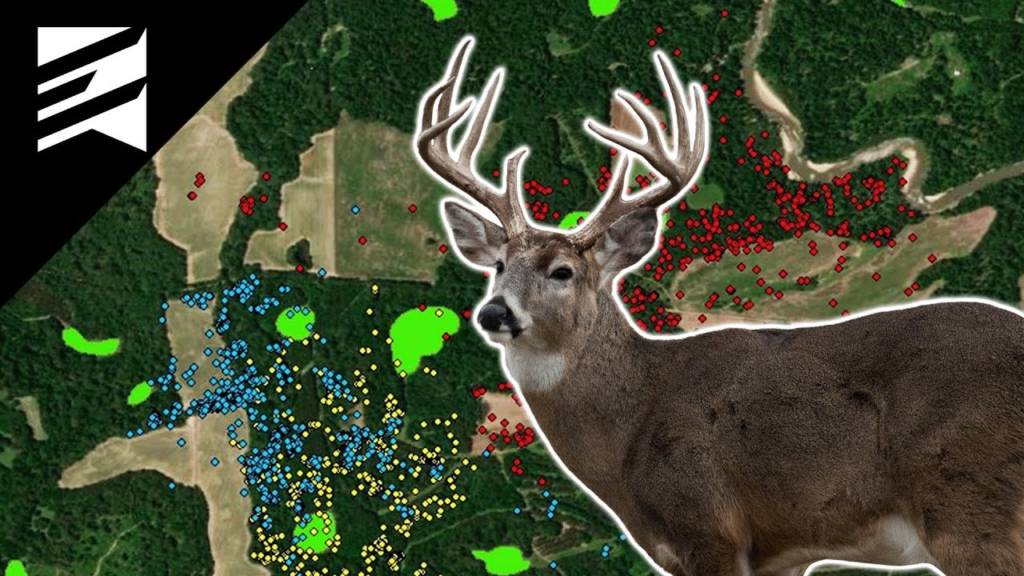
Modern tracking studies using GPS collars show that:
- Deer movement is highly consistent
- Most deer stay within their home range
- Only a small percentage travel long distances
This data confirms that deer are predictable when understood correctly.
Practical Insights for Hunters and Landowners
Understanding how far do deer travel gives real advantages.
For Hunters
- Focus on travel corridors, not random spots
- Hunt near bedding-to-feeding routes
- Adjust strategy during rut
For Landowners
- Improve habitat to reduce deer travel
- Provide food sources
- Create safe cover
When deer have everything they need, they stay close.
Common Misconceptions About Deer Travel
Many people misunderstand deer movement.
Myth 1: Deer roam everywhere
Reality: Most deer stay within a small range
Myth 2: Deer travel miles every day
Reality: Most travel is short and purposeful
Myth 3: Bucks always move randomly
Reality: Even bucks follow patterns outside the rut
Also Read: Are Diamonds a Good Investment? A Complete 2026 Guide for Smart Investors
How to Predict Deer Movement Accurately
To predict deer movement:
- Identify food sources
- Locate bedding areas
- Find connecting trails
- Consider wind direction
- Watch seasonal changes
This is far more useful than simply asking how far do deer travel in a day.
Expert Insight: Why Deer Movement Is More About Patterns Than Distance
The real takeaway is this:
Distance alone does not matter as much as pattern.
A deer that travels 1 mile in a predictable path is easier to understand than one that travels 5 miles randomly.
Experts focus on:
- Timing
- Routes
- Behavior
Not just distance.
FAQs About How Far Do Deer Travel
Do deer return to the same place every day?
Yes, deer often return to the same bedding and feeding areas as long as they feel safe.
How far can a deer smell danger?
Deer can detect scent from several hundred yards away, which affects how they choose travel routes.
Do young deer travel less than older deer?
Yes, younger deer usually stay closer to their birth area, while older bucks may explore more.
How far do injured deer travel?
Injured deer can travel anywhere from a few yards to several miles depending on the severity of the injury.
Do deer travel more during hunting season?
Yes, increased pressure often causes deer to move more at night and sometimes travel farther.
Can deer cross highways and roads easily?
Deer can cross roads, but they prefer quieter areas. Heavy traffic can limit their movement.
Do deer follow the same trails every year?
Yes, many trails are used for generations if the habitat remains unchanged.
Final Thoughts on How Far Do Deer Travel
The question how far do deer travel does not have a single answer. Deer movement depends on food, safety, weather, season, and habitat.
In most cases:
- Deer travel 1 to 3 miles daily
- Stay within a small home range
- Move farther during the rut
But the real key is not distance. It is understanding patterns.
When you understand why deer move, you can predict where they will go next. That knowledge is far more powerful than any number.
This deeper understanding is what separates average knowledge from expert insight.