How Long Does a Heart Attack Last? Complete Guide to Symptoms, Timing, Recovery, and Emergency Warning Signs
A heart attack is one of the most serious medical emergencies a person can experience. Every year, hundreds of thousands of people in the United States suffer from heart attacks, and many people ask the same important question: how long does a heart attack last?
The answer is not always simple. Some heart attacks last only a few minutes, while others continue for hours. In some cases, symptoms come and go before the actual heart attack happens. The length of a heart attack depends on several factors, including the severity of the blockage, the person’s age, overall health, and how quickly medical treatment begins.
Understanding the timeline of a heart attack can help save lives. Many people ignore early symptoms because they believe the pain will disappear on its own. Unfortunately, waiting too long can lead to severe heart damage or death.
This complete guide explains everything you need to know about how long does a heart attack last, including symptom duration, warning signs, emergency response, recovery timelines, differences between men and women, and what happens if a heart attack goes untreated.
What Is a Heart Attack?
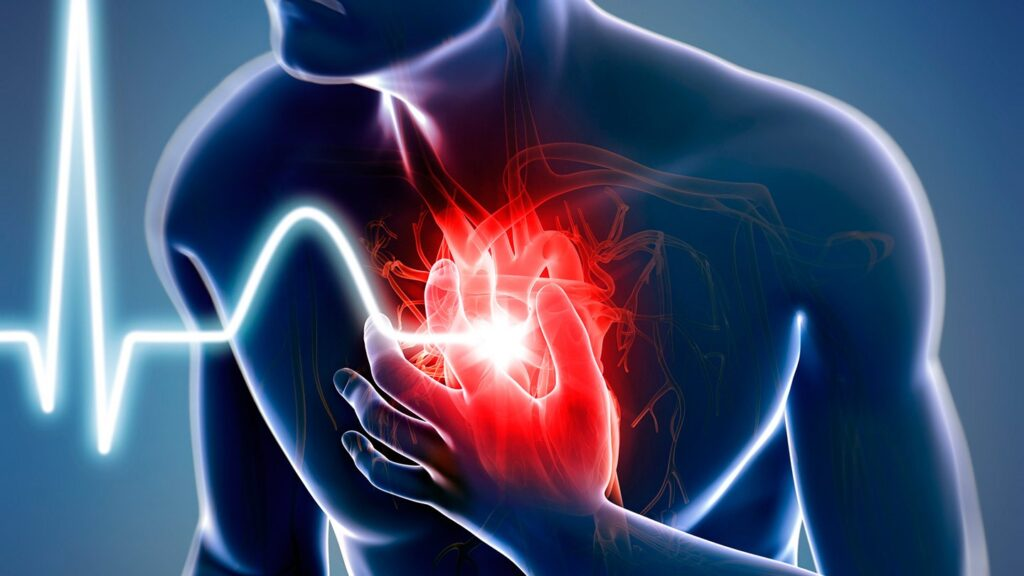
A heart attack, also called a myocardial infarction, happens when blood flow to the heart becomes blocked. The blockage usually forms because of fatty deposits called plaque inside the coronary arteries.
When blood cannot reach part of the heart muscle, the tissue begins to die from lack of oxygen. The longer the blockage continues, the more damage occurs.
Heart attacks are medical emergencies that require immediate treatment.
Some heart attacks are sudden and severe. Others begin slowly with mild discomfort or chest pressure that worsens over time.
How Long Does a Heart Attack Last?
The duration of a heart attack varies from person to person.
In general, heart attack symptoms can last anywhere from a few minutes to several hours. Most heart attacks last longer than 20 minutes.
Mild heart attacks may only cause symptoms for a short time. Severe heart attacks can continue for hours if the blockage remains untreated.
Many people ask exactly how long does a heart attack last because they want to know whether temporary chest pain is dangerous. A key warning sign is persistent discomfort that does not fully go away with rest.
Here is a general timeline:
- Mild symptoms may last 5 to 15 minutes
- Typical heart attack pain often lasts 20 minutes or longer
- Severe untreated heart attacks may continue for several hours
- Some symptoms can come and go repeatedly before becoming intense
The most important thing to remember is that any chest pain lasting more than a few minutes should never be ignored.
How Long Does Heart Attack Pain Last?
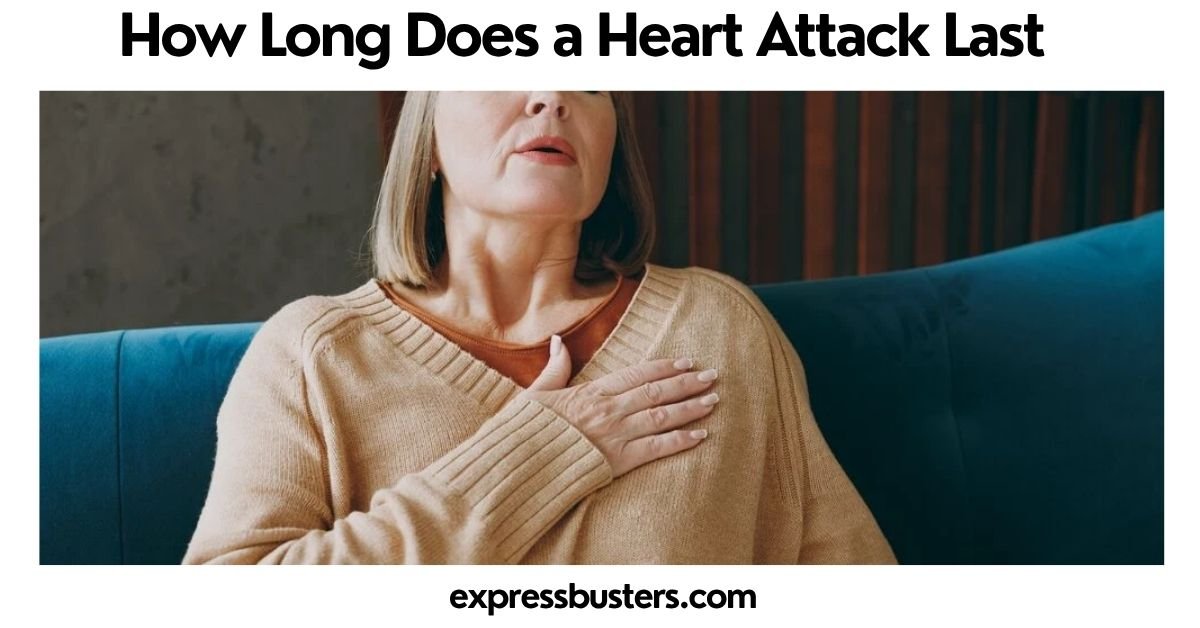
One of the most common symptoms is chest pain or pressure.
People often wonder how long does a heart attack pain last because chest discomfort can have many causes. Heart attack pain usually lasts longer than ordinary chest pain caused by stress, muscle strain, or indigestion.
Also Read: What Are Heart Attack: A Complete Guide for Everyone
Heart attack pain often:
- Lasts more than 15 to 20 minutes
- Feels heavy, squeezing, or tight
- Comes in waves or stays constant
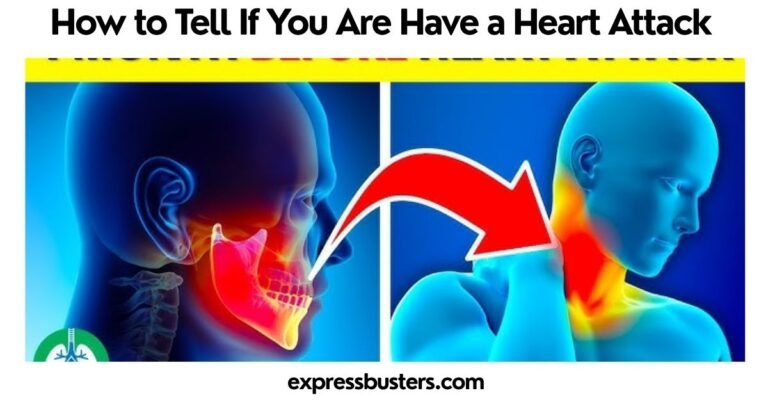
- Spreads to the arms, jaw, neck, back, or shoulders
- Does not fully improve with rest
Some people experience sudden severe pain, while others feel mild discomfort that gradually becomes stronger.
Pain may disappear temporarily and then return. This can confuse people into thinking the danger has passed.
If chest pain continues or returns repeatedly, emergency medical care is necessary.
How Long Does Chest Pain Last With a Heart Attack?
How long does chest pain last with a heart attack depends on the severity of the blockage and how quickly treatment starts.
For many patients, chest pain lasts between 20 minutes and several hours. In some cases, discomfort may feel mild at first and slowly worsen.
Chest pain during a heart attack may feel like:
- Pressure in the center of the chest
- Tightness or squeezing
- Burning or fullness
- Crushing pain
- Heavy weight on the chest
Unlike brief sharp pain from anxiety or muscle strain, heart attack chest pain usually persists or returns repeatedly.
Some people also experience “silent” heart attacks with little or no chest pain. This is more common in older adults, women, and people with diabetes.
What Happens During the First Few Minutes of a Heart Attack?
The first minutes of a heart attack are extremely important.
As soon as blood flow becomes blocked, the heart muscle begins losing oxygen. Damage can start within minutes.
During the early stage, a person may experience:
- Mild chest pressure
- Sweating
- Shortness of breath
- Fatigue
- Dizziness
- Nausea
Some people mistake these symptoms for heartburn, stress, or anxiety.
The body often sends warning signs before a major heart attack occurs. These warning signs can appear days or even weeks earlier.
Early Warning Signs Before a Heart Attack
Not all heart attacks happen suddenly.
Many people experience symptoms before the actual event. These warning signs may come and go.
Common early symptoms include:
- Chest discomfort during physical activity
- Unusual tiredness
- Trouble breathing
- Pain in the shoulders or jaw
- Lightheadedness
- Nausea
- Sleep problems
Ignoring these warning signs can increase the risk of a major heart attack later.
How Long Does a Heart Attack Last if Untreated?
A dangerous question many people ask is how long does a heart attack last if untreated.
Without treatment, a heart attack can continue for several hours and cause permanent heart muscle damage.
The blockage usually remains until blood flow is restored. The longer oxygen is blocked, the more heart tissue dies.
An untreated heart attack can lead to:
- Heart failure
- Irregular heartbeat
- Cardiac arrest
- Severe organ damage
- Death
Some people survive untreated heart attacks, but they may suffer permanent heart damage that affects their quality of life for years.
Doctors often say, “Time is muscle.” Every minute matters during a heart attack.
Why Immediate Treatment Matters
Quick medical treatment can greatly reduce heart damage.
Emergency care may include:
- Aspirin
- Oxygen
- Blood-thinning medication
- Clot-busting drugs
- Angioplasty
- Stent placement
Fast treatment can stop the heart attack sooner and improve survival rates.
People who receive treatment within the first hour often have better recovery outcomes.
Can a Heart Attack Stop on Its Own?
Sometimes symptoms temporarily improve, but that does not mean the danger is gone.
A blockage may partially open and then close again. This can cause symptoms to come and go.
Even if pain disappears, medical evaluation is still necessary.
ALso Read: What Is a Heart Attack? Symptoms, Causes, Treatment, Prevention, and Life-Saving Facts
Some people experience a “warning heart attack” days before a major one. Doctors call this unstable angina.
Never assume the problem has resolved itself.
How Long Does a Heart Attack Last in Women?
Many people are surprised to learn that heart attack symptoms in women can differ from symptoms in men.
When discussing how long does a heart attack last in women, the duration may be similar, but symptoms are often more subtle.
Women may experience:
- Mild chest discomfort
- Extreme fatigue
- Shortness of breath
- Back pain
- Jaw pain
- Nausea
- Dizziness
- Indigestion-like feelings
Because symptoms can seem less severe, women sometimes delay seeking treatment.
This delay increases the risk of complications.
Women are also more likely to experience symptoms that come and go over several hours or days before a major heart attack occurs.
Heart Attack Symptoms in Men vs Women
Men often experience classic symptoms such as:
- Strong chest pain
- Pain down the left arm
- Heavy chest pressure
Women may have:
- Fatigue
- Nausea
- Neck or jaw discomfort
- Mild chest tightness
- Shortness of breath without severe pain
Understanding these differences can help people recognize a heart attack earlier.
Can a Heart Attack Last for Days?
A complete heart attack usually does not continue continuously for several days. However, warning symptoms can appear for days or weeks before the actual event.
Some people experience:
- Repeated chest discomfort
- Fatigue
- Shortness of breath
- Mild pressure episodes
These symptoms may signal reduced blood flow to the heart.
A major heart attack can eventually occur if the blockage worsens.
Silent Heart Attacks
Not all heart attacks cause obvious symptoms.
Silent heart attacks may cause:
- Mild fatigue
- Weakness
- Light chest discomfort
- Shortness of breath
- Sweating
Some people do not realize they had a heart attack until doctors discover heart damage later.
Silent heart attacks are more common among:
- Older adults
- Women
- People with diabetes
Even silent heart attacks can cause serious damage.
How Long Does Recovery Take After a Heart Attack?
Recovery time depends on:
- Severity of the attack
- Amount of heart damage
- Age
- Overall health
- Speed of treatment
Some people recover within a few weeks. Others need several months.
Typical recovery stages include:
First Week
During the first days after a heart attack, patients usually remain in the hospital for monitoring.
Doctors check:
- Heart rhythm
- Blood pressure
- Oxygen levels
- Heart function
Patients often feel tired and emotionally overwhelmed.
First Month
Most people gradually regain strength during the first month.
Doctors may recommend:
- Light walking
- Heart-healthy eating
- Stress reduction
- Medications
- Cardiac rehabilitation
Long-Term Recovery
Full recovery may take several months.
Lifestyle changes are often necessary to prevent another heart attack.
What Causes a Heart Attack?
Several conditions increase the risk of heart attacks.
Common causes include:
- Coronary artery disease
- High blood pressure
- High cholesterol
- Smoking
- Obesity
- Diabetes
- Stress
- Lack of exercise
- Poor diet
Family history also plays a role.
Heart Attack Risk Factors
Some people have a much higher risk than others.
Major risk factors include:
- Age over 45 for men
- Age over 55 for women
- Smoking
- High cholesterol
- High blood pressure
- Diabetes
- Obesity
- Heavy alcohol use
- Chronic stress
Reducing these risks can lower the chances of future heart problems.
What Does a Heart Attack Feel Like?
Heart attacks feel different for each person.
Some describe:
- Pressure
- Squeezing
- Tightness
- Burning
- Crushing pain
Others feel only mild discomfort.
Pain may spread to:
- Arms
- Neck
- Jaw
- Back
- Stomach
Some people feel short of breath without chest pain.
Signs You Should Call 911 Immediately
Seek emergency help if you experience:
- Chest pain lasting more than a few minutes
- Pain spreading to the arm or jaw
- Severe shortness of breath
- Cold sweat
- Sudden nausea
- Dizziness
- Fainting
Driving yourself to the hospital can be dangerous.
Emergency responders can begin treatment immediately.
What Happens at the Hospital During a Heart Attack?
Doctors use several tests to confirm a heart attack.
These may include:
- Electrocardiogram (ECG)
- Blood tests
- Echocardiogram
- Coronary angiography
Treatment may involve opening blocked arteries using stents or surgery.
How Doctors Stop a Heart Attack
Doctors aim to restore blood flow quickly.
Common treatments include:
Medications
Doctors may give:
- Aspirin
- Nitroglycerin
- Blood thinners
- Pain relief medication
Angioplasty and Stents
A thin tube is inserted into the artery to remove the blockage.
A stent helps keep the artery open.
Bypass Surgery
Severe blockages may require heart bypass surgery.
Can Stress Cause a Heart Attack?
Stress alone may not directly cause a heart attack, but it increases risk factors.
Chronic stress can:
- Raise blood pressure
- Increase inflammation
- Lead to unhealthy habits
- Trigger abnormal heart rhythms
Extreme emotional stress can sometimes trigger a condition similar to a heart attack called stress cardiomyopathy.
ALso Read: What Causes a Heart Attack? Complete Guide to Causes, Risks, Warning Signs, and Prevention
Can Young People Have Heart Attacks?
Yes, heart attacks can happen at any age.
Younger adults may develop heart attacks due to:
- Smoking
- Obesity
- Drug use
- High cholesterol
- Genetics
Heart attacks among younger adults have increased in recent years because of lifestyle-related health problems.
How to Prevent a Heart Attack
Prevention is one of the best ways to protect heart health.
Important prevention steps include:
- Stop smoking
- Exercise regularly
- Eat healthy foods
- Control blood pressure
- Manage diabetes
- Reduce stress
- Maintain a healthy weight
- Sleep well
Regular doctor visits are also important.
Best Foods for Heart Health
Healthy foods can lower heart disease risk.
Heart-friendly foods include:
- Fruits
- Vegetables
- Whole grains
- Fish
- Nuts
- Olive oil
- Beans
Avoid excessive:
- Sugar
- Salt
- Fried foods
- Processed meats
- Trans fats
Can Heart Attack Symptoms Come and Go?
Yes, symptoms can appear and disappear.
This often happens when blood flow changes temporarily.
Some people experience:
- Brief chest pressure
- Mild arm pain
- Fatigue episodes
- Intermittent shortness of breath
Recurring symptoms should always be evaluated by a doctor.
How Long Does a Mild Heart Attack Last?
A mild heart attack may last only a few minutes or continue for an hour or more.
Even mild heart attacks can damage the heart.
The term “mild” can be misleading because every heart attack is serious.
People sometimes survive mild heart attacks without realizing what happened.
Can You Survive a Heart Attack Without Treatment?
Some people survive untreated heart attacks, but the risk is extremely high.
Without treatment:
- Heart damage becomes worse
- Recovery becomes harder
- Future heart failure risk increases
Immediate medical care offers the best chance of survival.
Emotional Effects After a Heart Attack
Many people experience emotional struggles after a heart attack.
Common feelings include:
- Fear
- Anxiety
- Depression
- Anger
- Stress
Cardiac rehabilitation programs often include emotional support and counseling.
Mental health is an important part of recovery.
Life Expectancy After a Heart Attack
Many people live long lives after heart attacks, especially with proper treatment and healthy habits.
Survival depends on:
- Severity of damage
- Speed of treatment
- Lifestyle changes
- Medication adherence
Modern treatments have greatly improved survival rates.
When to See a Doctor
You should see a doctor immediately if you experience:
- Repeated chest discomfort
- Shortness of breath
- Unusual fatigue
- Dizziness
- Pain spreading to the jaw or arm
Never wait to see if symptoms disappear completely.
Important Insight Most People Overlook
One major problem in the United States is that many people expect heart attacks to look dramatic, like scenes from movies.
In reality, many heart attacks begin quietly.
People often continue working, driving, or sleeping while symptoms develop slowly.
This misunderstanding causes dangerous delays in treatment.
Understanding how long does a heart attack last is important, but recognizing symptoms early is even more critical.
Even mild symptoms can signal a serious emergency.
Final Thoughts
So, how long does a heart attack last?
The answer depends on the person, the severity of the blockage, and how quickly treatment begins. Heart attack symptoms may last for a few minutes, several hours, or come and go over time.
Most heart attacks last longer than 20 minutes and should never be ignored.
Knowing the warning signs can save lives. Quick medical care greatly improves survival and reduces permanent heart damage.
If you or someone nearby experiences chest pain, shortness of breath, or unusual discomfort, call 911 immediately.
Every minute matters during a heart attack.
FAQs About How Long Does a Heart Attack Last
Can a heart attack last only a few seconds?
Heart attack symptoms usually last longer than a few seconds. Brief chest pain lasting only moments is less likely to be a heart attack, but any concerning symptoms should still be checked by a doctor.
Can heart attack pain stop and start again?
Yes. Heart attack pain may come and go. Some people experience warning symptoms hours or days before a major heart attack.
How long should chest pain last before going to the ER?
Chest pain lasting more than 5 minutes, especially with sweating, nausea, or shortness of breath, should be treated as an emergency.
Can indigestion feel like a heart attack?
Yes. Heart attack symptoms can sometimes feel similar to indigestion or heartburn, especially in women.
Do all heart attacks cause severe pain?
No. Some heart attacks cause mild discomfort or no noticeable pain at all.
Can you have a heart attack while sleeping?
Yes. Heart attacks can happen during sleep, and some people wake up with chest pain or shortness of breath.
What is the average age for a heart attack?
Heart attacks are more common after age 45 in men and after age 55 in women, but they can happen earlier.
Can anxiety cause symptoms similar to a heart attack?
Yes. Anxiety and panic attacks can mimic heart attack symptoms, including chest pain and shortness of breath. However, only a medical evaluation can confirm the cause.
How long does fatigue last after a heart attack?
Fatigue can continue for several weeks or months during recovery.
Can a person have multiple heart attacks?
Yes. Having one heart attack increases the risk of future heart attacks if lifestyle changes and treatment are not followed.