How to Prevent a Stroke or Heart Attack: The Complete Guide to Protecting Your Heart and Brain
Heart attacks and strokes are among the leading causes of death and disability in the United States. Every year, millions of people are affected by these life-changing medical emergencies. The good news is that many heart attacks and strokes can be prevented through healthy lifestyle choices, early medical care, and awareness of risk factors.
If you have ever wondered how to prevent a stroke or heart attack, the answer is not found in one miracle food, one exercise routine, or one medication. Prevention is built on a combination of daily habits that work together to protect your heart, blood vessels, and brain over time.
Modern research continues to show that lifestyle changes can significantly reduce the risk of cardiovascular disease. Even small improvements in diet, exercise, sleep, and stress management can make a meaningful difference.
This comprehensive guide explains how to prevent a stroke or heart attack using evidence-based strategies that are practical, easy to understand, and effective for people of all ages.
Understanding the Difference Between a Stroke and a Heart Attack
Before learning how to prevent a stroke or heart attack, it helps to understand what these conditions are.
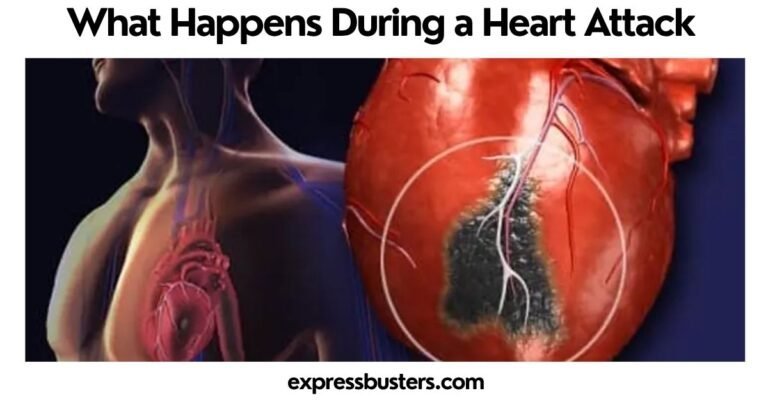
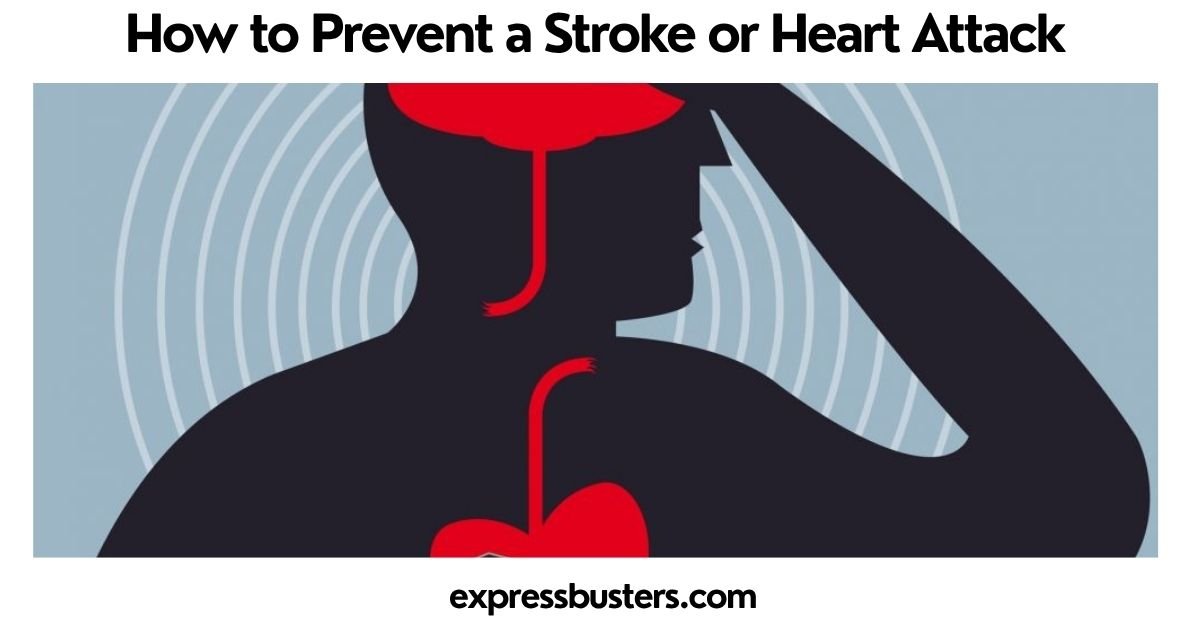
A heart attack happens when blood flow to part of the heart is blocked. Without oxygen-rich blood, heart muscle cells begin to die.
A stroke occurs when blood flow to part of the brain is interrupted. Brain cells can begin dying within minutes when they do not receive enough oxygen.
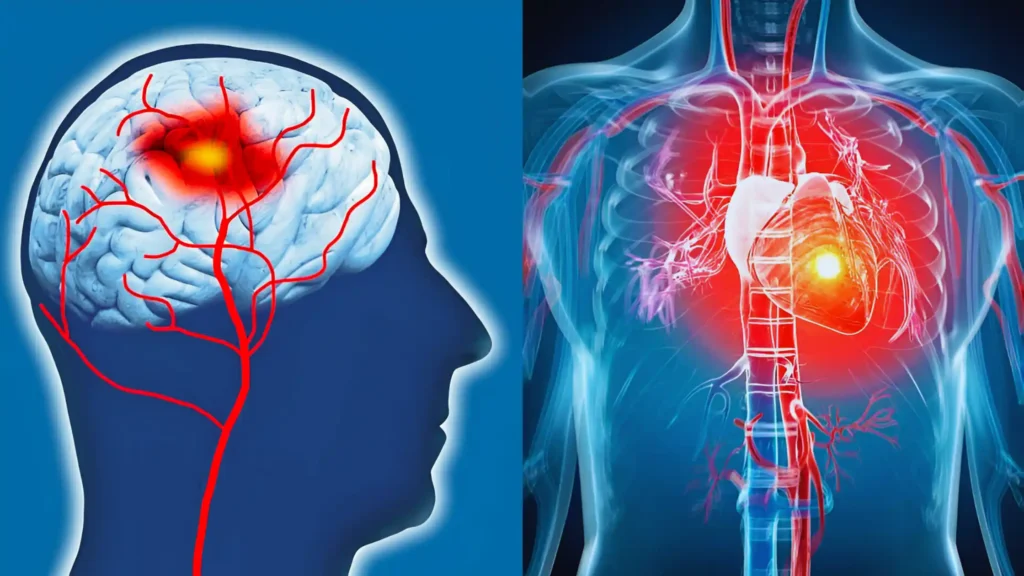
Although these conditions affect different organs, they often share many of the same risk factors, including:
- High blood pressure
- High cholesterol
- Smoking
- Diabetes
- Obesity
- Physical inactivity
- Poor diet
- Excessive alcohol consumption
- Chronic stress
Because the risk factors overlap, many prevention strategies protect both the heart and the brain at the same time.
Why Prevention Matters More Than Treatment
Many people focus on treatment after a heart attack or stroke occurs. However, prevention offers much greater benefits.
Once heart tissue or brain tissue is damaged, recovery can be difficult. Some individuals experience permanent disability, reduced quality of life, or ongoing medical complications.
Prevention helps by:
- Reducing healthcare costs
- Increasing life expectancy
- Improving daily energy levels
- Protecting physical independence
- Supporting mental health
- Lowering the risk of future complications
The best time to start prevention is before symptoms appear.
Know Your Personal Risk Factors
One of the most important steps in learning how to prevent a stroke or heart attack is understanding your individual risk.
Also Read: What to Do to Prevent a Heart Attack: A Complete Guide to Protecting Your Heart Health
Some risk factors cannot be changed:
Age
The risk of cardiovascular disease increases with age.
Family History
People with close relatives who experienced heart disease or stroke may have a higher risk.
Gender
Men generally face a higher risk earlier in life, although women become increasingly vulnerable after menopause.
Fortunately, many major risk factors can be controlled.
Control High Blood Pressure
High blood pressure is often called the “silent killer” because it may not cause noticeable symptoms.
Over time, high blood pressure damages arteries throughout the body. This damage can increase the risk of:
- Heart attack
- Stroke
- Heart failure
- Kidney disease
Maintaining healthy blood pressure is one of the most effective ways to prevent cardiovascular disease.
Strategies include:
- Limiting sodium intake
- Exercising regularly
- Maintaining a healthy weight
- Taking prescribed medications
- Managing stress
- Avoiding tobacco products
Regular blood pressure checks are essential because many people do not realize their numbers are elevated.
Maintain Healthy Cholesterol Levels
Cholesterol plays an important role in the body, but too much LDL cholesterol can contribute to plaque buildup inside arteries.
As plaque accumulates, arteries become narrower and less flexible. This process increases the likelihood of blood clots that can trigger a heart attack or stroke.
Ways to improve cholesterol levels include:
- Eating more fiber-rich foods
- Reducing trans fats
- Limiting saturated fats
- Exercising consistently
- Losing excess weight
- Following medical advice regarding cholesterol medications
Healthy cholesterol levels support better blood flow throughout the body.
Follow a Heart-Healthy Diet
Nutrition remains one of the most powerful tools for preventing cardiovascular disease.
A healthy diet helps manage:
- Blood pressure
- Cholesterol
- Blood sugar
- Body weight
- Inflammation
Eat More Fruits and Vegetables
Fruits and vegetables contain vitamins, minerals, antioxidants, and fiber that support cardiovascular health.
Aim to include a variety of colors every day.
Examples include:
- Spinach
- Kale
- Broccoli
- Carrots
- Berries
- Apples
- Oranges
Choose Whole Grains
Whole grains provide fiber and nutrients that help regulate cholesterol and blood sugar levels.
Good choices include:
- Oatmeal
- Brown rice
- Quinoa
- Whole wheat bread
- Whole grain pasta
Include Healthy Proteins
Lean proteins support muscle health without excessive saturated fat.
Examples include:
- Fish
- Chicken breast
- Turkey
- Beans
- Lentils
- Tofu
Eat More Healthy Fats
Not all fats are harmful.
Healthy fats can support cardiovascular function.
Examples include:
- Avocados
- Olive oil
- Nuts
- Seeds
- Fatty fish
Limit Processed Foods
Processed foods often contain:
- Excess sodium
- Added sugars
- Unhealthy fats
- Artificial ingredients
Reducing processed food intake can significantly improve overall health.
Exercise Regularly
Physical activity is one of the strongest defenses against cardiovascular disease.
Regular exercise helps:
- Lower blood pressure
- Improve cholesterol levels
- Reduce body fat
- Strengthen the heart
- Improve circulation
- Enhance insulin sensitivity
Adults should aim for at least 150 minutes of moderate exercise each week.
Examples include:
- Brisk walking
- Cycling
- Swimming
- Dancing
- Hiking
The key is consistency rather than perfection.
Even a daily 30-minute walk can provide substantial benefits.
Maintain a Healthy Weight
Excess body weight places additional strain on the heart and circulatory system.
Obesity increases the likelihood of:
- High blood pressure
- Type 2 diabetes
- High cholesterol
- Sleep apnea
- Heart disease
Weight management does not require extreme dieting.
Long-term success usually comes from:
- Sustainable eating habits
- Regular physical activity
- Portion control
- Consistent sleep
- Stress management
Even modest weight loss can improve cardiovascular health.
Quit Smoking and Avoid Tobacco
Smoking is one of the most preventable causes of heart attacks and strokes.
Tobacco products damage blood vessels, reduce oxygen delivery, and promote clot formation.
Benefits of quitting begin almost immediately.
After quitting smoking:
- Blood pressure improves
- Circulation improves
- Lung function increases
- Heart attack risk declines
- Stroke risk decreases
There is no safe level of tobacco use.
Avoiding secondhand smoke is also important.
Manage Diabetes Effectively
Diabetes significantly increases cardiovascular risk.
High blood sugar can damage blood vessels and nerves throughout the body.
People with diabetes should focus on:
- Blood sugar control
- Healthy eating
- Regular exercise
- Medication adherence
- Routine medical checkups
Managing diabetes effectively can dramatically lower the likelihood of cardiovascular complications.
Get Enough Quality Sleep
Sleep is often overlooked when discussing how to prevent a stroke or heart attack.
Poor sleep is associated with:
- High blood pressure
- Weight gain
- Diabetes
- Inflammation
- Heart disease
Most adults should aim for seven to nine hours of quality sleep each night.
Helpful sleep habits include:
- Maintaining a consistent bedtime
- Limiting screen time before bed
- Keeping the bedroom cool and dark
- Avoiding caffeine late in the day
Quality sleep allows the body to repair and regulate critical cardiovascular functions.
Reduce Chronic Stress
Stress is a natural part of life, but chronic stress can negatively affect cardiovascular health.
Long-term stress may contribute to:
- High blood pressure
- Poor eating habits
- Smoking
- Sleep problems
- Increased inflammation
Healthy stress-management techniques include:
- Meditation
- Deep breathing
- Walking
- Yoga
- Journaling
- Spending time with family
- Practicing gratitude
Learning healthy coping strategies can provide lasting benefits for both the heart and brain.
Limit Alcohol Consumption
While some studies have suggested possible benefits from moderate alcohol intake, excessive drinking clearly increases cardiovascular risk.
ALso Read: How Can I Prevent Heart Attack? A Complete Guide to Protecting Your Heart and Living a Longer Life
Heavy alcohol use can lead to:
- High blood pressure
- Irregular heart rhythms
- Weight gain
- Stroke
Moderation is essential.
People who do not drink alcohol should not start drinking solely for potential health benefits.
Conclusion
Understanding how to prevent a stroke or heart attack begins with recognizing that prevention is a lifelong process rather than a one-time event. Healthy eating, regular exercise, blood pressure control, cholesterol management, smoking cessation, stress reduction, quality sleep, and proper medical care all work together to protect the heart and brain.
The most successful prevention plans are built on small, sustainable habits practiced consistently over time. Every healthy choice you make today can help reduce your risk tomorrow.
By taking action now, you can improve your quality of life, protect your future health, and significantly lower your chances of experiencing a heart attack or stroke.
Frequently Asked Questions
Can dehydration increase the risk of a stroke or heart attack?
Severe dehydration may contribute to thicker blood and increased strain on the cardiovascular system. Staying properly hydrated supports healthy circulation.
Does cold weather increase heart attack risk?
Cold temperatures can cause blood vessels to narrow and may increase blood pressure, potentially raising cardiovascular risk in susceptible individuals.
Can air pollution affect heart health?
Yes. Long-term exposure to air pollution has been linked to increased rates of heart disease and stroke due to inflammation and vascular damage.
Is it possible to have a stroke without high blood pressure?
Yes. Although high blood pressure is a major risk factor, strokes can also occur due to blood clots, heart rhythm disorders, genetic conditions, and other medical issues.
Do regular dental checkups help heart health?
Research suggests that maintaining good oral hygiene may reduce inflammation and support overall cardiovascular health.
Can loneliness affect cardiovascular disease risk?
Studies indicate that social isolation and loneliness may increase stress and negatively impact heart health over time.
Should healthy young adults worry about stroke prevention?
Yes. Building healthy habits early can reduce lifetime cardiovascular risk and help prevent problems later in life.
Can standing desks reduce heart attack risk?
Standing desks alone are not enough, but reducing prolonged sitting and increasing daily movement can support cardiovascular health.
Does meal timing matter for heart health?
Emerging research suggests that consistent meal patterns and avoiding frequent late-night eating may support metabolic and cardiovascular health.
Can pets help reduce heart disease risk?
Pet ownership, particularly dog ownership, may encourage physical activity and reduce stress, which can contribute to better heart health.