Which Arm Hurts During a Heart Attack? A Complete Guide to Symptoms, Causes, and Warning Signs
Many people have heard that arm pain is one of the classic signs of a heart attack. However, a common question remains: which arm hurts during a heart attack?
The answer is not always simple. While left arm pain is the symptom most people associate with a heart attack, pain can also occur in the right arm, both arms, shoulders, neck, jaw, back, or chest. In some cases, a person may not feel arm pain at all.
Understanding which arm hurts during a heart attack can help people recognize warning signs earlier and seek emergency medical care faster. Since heart attacks remain one of the leading causes of death in the United States, knowing these symptoms can save lives.
This comprehensive guide explains everything you need to know about arm pain during a heart attack, including differences between men and women, why the pain happens, what it feels like, when to seek help, and common misconceptions.
What Is a Heart Attack?
A heart attack, medically known as a myocardial infarction, occurs when blood flow to part of the heart muscle becomes blocked. This blockage usually happens because of a buildup of plaque in the coronary arteries.
When blood cannot reach the heart muscle, the affected area begins to lose oxygen. Without immediate treatment, heart tissue can become permanently damaged.
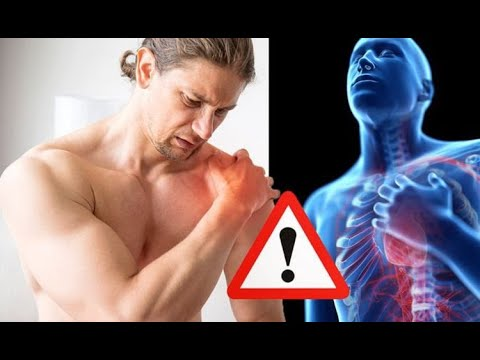
Common heart attack symptoms include:
- Chest pain or pressure
- Shortness of breath
- Arm pain
- Shoulder discomfort
- Jaw pain
- Neck pain
- Back pain
- Nausea
- Cold sweats
- Dizziness
- Extreme fatigue
Among these symptoms, arm pain is one of the most recognized warning signs.
Which Arm Hurts During a Heart Attack?
The most common answer to the question “which arm hurts during a heart attack” is the left arm.
For decades, medical professionals have identified left arm pain as a classic symptom of a heart attack. The discomfort often begins in the chest and spreads down the left shoulder into the arm.
However, modern research and clinical experience show that heart attack pain is not limited to the left side.
Also Read: How to Know If You Are Have a Heart Attack: Complete Guide to Recognizing the Warning Signs Early
A person may experience:
- Left arm pain
- Right arm pain
- Pain in both arms
- Shoulder pain without arm pain
- Arm numbness or tingling
- Pain that moves between arms
This means that during a heart attack which arm hurts can vary from person to person.
Any unexplained arm pain combined with chest discomfort, shortness of breath, nausea, or sweating should be treated seriously.
Why Does Arm Pain Occur During a Heart Attack?
Many people wonder why a heart problem causes pain in the arm.
The explanation involves something called referred pain.
The heart and arms share nerve pathways that connect to the spinal cord. When the heart muscle becomes deprived of oxygen, pain signals travel through these shared nerves.
As a result, the brain may interpret heart pain as arm pain.
This is why someone experiencing a heart attack may feel discomfort in areas far from the heart, including:
- Left arm
- Right arm
- Neck
- Jaw
- Upper back
- Shoulders
The brain can sometimes struggle to identify the exact source of the pain, leading to these unusual symptoms.
During a Heart Attack Which Arm Hurts Most Often?
Medical evidence shows that the left arm remains the most frequently affected arm during a heart attack.
Typical characteristics include:
- Pain starting in the chest and radiating downward
- Aching sensation
- Pressure-like discomfort
- Heaviness in the arm
- Numbness or tingling
- Weakness
Some people describe the feeling as if a heavy weight is resting on their arm.
Others say the pain travels from the shoulder to the elbow and sometimes into the fingers.
Because left arm pain is so common, it remains one of the key warning signs doctors look for when evaluating potential heart attacks.
Can a Heart Attack Cause Right Arm Pain?
Yes.
Many people are surprised to learn that right arm pain can occur during a heart attack.
Although less common than left arm pain, right arm discomfort is a recognized symptom.
In some cases:
- Pain affects only the right arm
- Pain begins in the right shoulder
- Pain spreads into both arms
- The right arm hurts more than the left
This is why doctors emphasize looking at the entire group of symptoms rather than focusing on a single body part.
If right arm pain occurs alongside chest pressure, breathing difficulties, nausea, sweating, or dizziness, emergency medical attention is necessary.
Which Arm Hurts During a Heart Attack for a Woman?
One of the most searched questions today is: which arm hurts during a heart attack for a woman?
Women can experience left arm pain just like men. However, women often have more varied and less obvious symptoms.
A woman experiencing a heart attack may feel pain in:
- Left arm
- Right arm
- Both arms
- Shoulders
- Neck
- Jaw
- Upper back
Women are also more likely to experience:
- Unusual fatigue
- Nausea
- Vomiting
- Lightheadedness
- Shortness of breath
- Sleep disturbances
- Indigestion-like discomfort
Because symptoms may be less dramatic than the classic crushing chest pain often seen in men, women sometimes delay seeking treatment.
This delay can increase the risk of complications.
Understanding which arm hurts during a heart attack for a woman is important because arm pain may be the only noticeable warning sign.
Which Arm Hurts During a Heart Attack Women Commonly Report?
Studies and hospital reports suggest that women frequently report:
- Left arm discomfort
- Pain in both arms
- Shoulder pain
- Upper back pain
Many women describe the sensation as:
- Burning
- Tightness
- Pressure
- Heaviness
- Aching
Unlike sudden severe pain, symptoms in women may develop gradually over hours or even days.
This gradual onset can make it harder to recognize that a heart attack is occurring.
For this reason, women should never ignore persistent arm pain accompanied by other unusual symptoms.
Which Arm Hurts During a Heart Attack for a Man?
Another common question is: which arm hurts during a heart attack for a man?
Men are more likely to experience the traditional symptoms associated with heart attacks.
These often include:
- Chest pressure
- Left arm pain
- Sweating
- Shortness of breath
The left arm remains the most commonly affected arm in men.
Many men describe:
- Sharp pain
- Crushing pressure
- Heavy sensation
- Tightness spreading down the arm
However, right arm pain and pain in both arms can also occur.
No arm-related symptom should be ignored simply because it affects the right side.
What Does Heart Attack Arm Pain Feel Like?
Heart attack arm pain is different from pain caused by exercise, injury, or muscle strain.
People commonly describe it as:
- Pressure
- Tightness
- Heaviness
- Aching
- Squeezing
- Burning
- Numbness
The pain may:
- Start suddenly
- Build gradually
- Come and go
- Spread from the chest
- Affect the shoulder first
In many cases, movement does not improve or worsen the discomfort.
This is an important difference between heart-related pain and musculoskeletal pain.
How Long Does Arm Pain Last During a Heart Attack?
The duration varies.
Some people experience pain for only a few minutes.
Others may have symptoms lasting:
- 15 minutes
- 30 minutes
- Several hours
Heart attack pain often does not completely disappear with rest.
If arm pain continues or repeatedly returns, medical evaluation is essential.
Persistent symptoms should never be ignored.
Can Arm Pain Be the Only Heart Attack Symptom?
Yes.
Although chest pain remains the most common symptom, some people experience what doctors call a “silent” or atypical heart attack.
In these cases, symptoms may include only:
- Arm pain
- Jaw pain
- Fatigue
- Shortness of breath
- Nausea
This is especially common among:
- Women
- Older adults
- People with diabetes
Because symptoms may be subtle, many individuals do not realize they are having a heart attack.
Differences Between Heart Attack Arm Pain and Muscle Pain
Many people worry whether their arm pain is heart-related or simply a muscle problem.
The following differences may help.
Heart Attack Arm Pain
- Often accompanied by chest discomfort
- May spread from the chest
- Can affect either arm
- Not linked to movement
- Often accompanied by sweating or nausea
- May cause shortness of breath
Muscle or Joint Pain
- Usually worsens with movement
- Often linked to injury
- Localized to one specific area
- Improves with rest
- No chest symptoms
- No nausea or sweating
Even so, it can be difficult to tell the difference.
When in doubt, seek emergency medical evaluation.
Risk Factors That Increase Heart Attack Risk
Understanding risk factors can help identify individuals who may be more vulnerable.
Major risk factors include:
- High blood pressure
- High cholesterol
- Smoking
- Diabetes
- Obesity
- Physical inactivity
- Family history of heart disease
- Excessive alcohol use
- Chronic stress
- Poor diet
The more risk factors a person has, the greater their likelihood of experiencing a heart attack.
What Should You Do If You Have Arm Pain and Suspect a Heart Attack?
Time is critical.
If you experience unexplained arm pain along with other heart attack symptoms:
- Call 911 immediately.
- Do not drive yourself if possible.
- Stay calm and sit down.
- Follow emergency operator instructions.
- Chew aspirin if recommended by medical professionals and if not allergic.
- Do not ignore symptoms and wait for them to disappear.
Early treatment dramatically improves survival rates and reduces heart damage.
When Should You Go to the Emergency Room?
Seek emergency care immediately if arm pain occurs with:
- Chest pressure
- Shortness of breath
- Sweating
- Nausea
- Dizziness
- Fainting
- Jaw pain
- Back pain
Even if symptoms seem mild, they may indicate a serious cardiac event.
It is always safer to be evaluated than to risk delaying treatment.
Common Myths About Heart Attack Arm Pain
Myth 1: Only the Left Arm Hurts
Reality: Both arms or even only the right arm can hurt during a heart attack.
Myth 2: Severe Chest Pain Is Always Present
Reality: Some heart attacks occur without major chest pain.
Myth 3: Women Have the Same Symptoms as Men
Reality: Women often experience more subtle symptoms.
Myth 4: Young People Cannot Have Heart Attacks
Reality: Heart attacks can occur at younger ages, especially when risk factors are present.
Myth 5: Arm Pain Means a Heart Attack Every Time
Reality: Many conditions cause arm pain. However, heart-related symptoms should always be taken seriously.
How Doctors Diagnose a Heart Attack
Emergency physicians use several tools to determine whether symptoms are heart-related.
Common tests include:
- Electrocardiogram (ECG)
- Blood tests for cardiac enzymes
- Chest X-ray
- Echocardiogram
- Coronary angiography
- CT imaging in selected cases
These tests help identify heart damage and determine the best treatment approach.
Preventing Future Heart Attacks
Prevention is one of the most powerful ways to protect your heart.
Healthy habits include:
- Eating more fruits and vegetables
- Limiting processed foods
- Exercising regularly
- Maintaining a healthy weight
- Controlling blood pressure
- Managing diabetes
- Quitting smoking
- Getting enough sleep
- Reducing stress
- Attending regular medical checkups
Small lifestyle improvements can significantly lower heart attack risk over time.
Also Read: Can Insulin Overdose Cause a Heart Attack? A Complete Medical Guide
Expert Insight: Why Arm Pain Should Never Be Ignored
One of the biggest mistakes people make is assuming arm pain comes from overuse, sleeping incorrectly, or minor injury.
While those explanations are often correct, unexplained arm discomfort—especially when combined with other symptoms—deserves immediate attention.
A key insight from cardiology experts is that heart attack symptoms rarely follow a perfect textbook pattern.
Some patients feel severe chest pain.
Others feel only arm discomfort.
Some experience fatigue and nausea.
The safest approach is to consider the entire symptom picture rather than focusing on one symptom alone.
Recognizing symptoms early and seeking emergency care quickly remains one of the most effective ways to improve survival.
Conclusion
If you are wondering which arm hurts during a heart attack, the most common answer is the left arm. However, heart attack pain can also affect the right arm, both arms, shoulders, neck, jaw, and upper back.
Understanding that symptoms vary from person to person is critical. Questions such as during a heart attack which arm hurts, which arm hurts during a heart attack for a woman, which arm hurts during a heart attack women experience, and which arm hurts during a heart attack for a man all have slightly different answers because heart attack symptoms are not identical in every individual.
The most important lesson is that unexplained arm pain combined with chest discomfort, shortness of breath, nausea, dizziness, or sweating should never be ignored.
Fast action saves lives.
Frequently Asked Questions (FAQs)
Can arm pain start days before a heart attack?
Yes. Some people experience warning symptoms, including arm discomfort, days or even weeks before a heart attack occurs.
Is left arm pain always related to the heart?
No. Left arm pain can result from muscle strain, nerve compression, arthritis, or injury. However, heart-related causes should be ruled out when other symptoms are present.
Can both arms hurt during a heart attack?
Yes. Some individuals experience pain, heaviness, or numbness in both arms simultaneously.
Does heart attack arm pain come and go?
It can. Some people report intermittent discomfort that repeatedly returns before becoming more severe.
Can anxiety cause arm pain similar to a heart attack?
Yes. Anxiety and panic attacks can sometimes mimic heart attack symptoms. Because the symptoms overlap, medical evaluation is important.
Does age affect heart attack symptoms?
Yes. Older adults often experience more subtle symptoms, including fatigue, weakness, confusion, or arm discomfort without severe chest pain.
Can heart attack arm pain wake you up from sleep?
Yes. Some heart attacks occur during sleep and may awaken a person with chest pressure, arm pain, sweating, or shortness of breath.
Is arm numbness a sign of a heart attack?
It can be. Arm numbness or tingling may occur when a heart attack affects shared nerve pathways.
Can a healthy person have a heart attack?
Yes. Although risk factors increase risk, heart attacks can occur even in individuals who appear healthy.
What is the biggest mistake people make when experiencing heart attack symptoms?
The biggest mistake is waiting too long to seek medical help. Early treatment significantly improves outcomes and can save heart muscle and lives.