How to Prevent a Heart Attack and Stroke: The Complete Guide to Protecting Your Heart and Brain
Heart attacks and strokes remain two of the leading causes of death and disability in the United States. The good news is that most cases can be prevented through healthy lifestyle choices, early detection of risk factors, and proper medical care. If you are wondering how to prevent a heart attack and stroke, understanding the causes, risk factors, and prevention strategies can help you take control of your health before a serious event occurs.
Many people believe that heart attacks and strokes happen suddenly without warning. In reality, these conditions often develop over many years due to damage to blood vessels, unhealthy habits, and untreated medical conditions. The choices you make today can significantly reduce your risk tomorrow.
This comprehensive guide explains how to prevent a heart attack and stroke using proven, science-based strategies that are easy to understand and apply in daily life.
Understanding Heart Attacks and Strokes
Before learning how to prevent a heart attack and stroke, it is important to understand what these conditions are and why they occur.
A heart attack happens when blood flow to part of the heart muscle becomes blocked. Without oxygen-rich blood, heart tissue begins to die.
A stroke occurs when blood flow to the brain is interrupted. This can happen because of a blockage in an artery or because a blood vessel ruptures.
Although heart attacks affect the heart and strokes affect the brain, both conditions share many of the same risk factors.
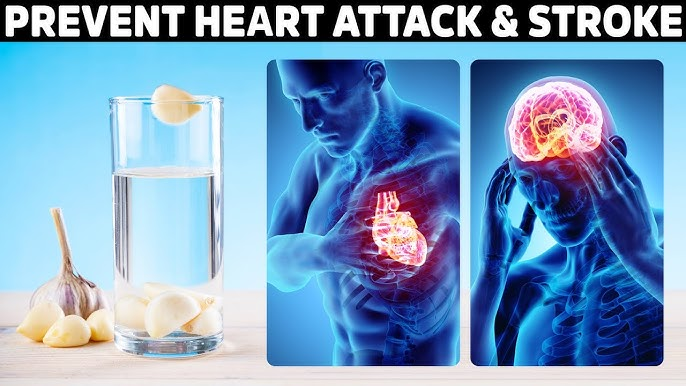
Common causes include:
- High blood pressure
- High cholesterol
- Smoking
- Diabetes
- Obesity
- Physical inactivity
- Poor diet
- Excessive alcohol consumption
- Chronic stress
Because these risk factors overlap, the same prevention strategies often reduce the risk of both conditions.
Why Prevention Matters More Than Treatment
Modern medicine has improved survival rates after heart attacks and strokes. However, prevention remains far more effective than treatment.
A severe heart attack can permanently damage heart muscle. Likewise, a stroke can cause lifelong disabilities affecting speech, movement, memory, and independence.
Preventing the first event is much easier than recovering from one.
Research consistently shows that healthy lifestyle habits can reduce cardiovascular disease risk by more than 80% in many individuals.
This means that learning how to prevent a heart attack and stroke is one of the most valuable investments you can make for your future health.
Know Your Personal Risk Factors
Not everyone has the same risk level. Some factors cannot be changed, while others can.
Non-Modifiable Risk Factors
These include:
- Age
- Family history
- Gender
- Ethnicity
As people age, the risk of heart disease and stroke naturally increases. A family history of cardiovascular disease can also raise risk.
Modifiable Risk Factors
These include:
- Smoking
- High blood pressure
- High cholesterol
- Diabetes
- Obesity
- Poor nutrition
- Physical inactivity
- Excessive alcohol use
- Stress
These are the factors you can actively improve.
The most effective approach to how to prevent a heart attack and stroke focuses on controlling these modifiable risks.
Control High Blood Pressure
High blood pressure is one of the strongest predictors of both heart attacks and strokes.
Many people do not know they have high blood pressure because it often causes no symptoms.
For this reason, it is often called the “silent killer.”
Healthy Blood Pressure Targets
Most adults should aim for:
- Less than 120/80 mmHg is considered optimal
- Less than 130/80 mmHg is generally recommended for many individuals at higher risk
Ways to Lower Blood Pressure
- Reduce sodium intake
- Exercise regularly
- Maintain a healthy weight
- Limit alcohol consumption
- Quit smoking
- Manage stress
- Take prescribed medications consistently
Checking blood pressure regularly allows early detection and treatment before serious damage occurs.
Keep Cholesterol Levels Healthy
Cholesterol plays a major role in artery blockage.
When LDL cholesterol becomes too high, plaque builds inside blood vessels. Over time, these deposits narrow arteries and increase the risk of heart attacks and strokes.
Ways to Improve Cholesterol
- Eat more fruits and vegetables
- Choose whole grains
- Limit saturated fats
- Avoid trans fats
- Increase fiber intake
- Exercise regularly
- Maintain a healthy weight
Foods That Help Lower Cholesterol
- Oatmeal
- Beans
- Lentils
- Almonds
- Walnuts
- Fatty fish
- Avocados
Routine cholesterol screening helps identify problems before symptoms develop.
Stop Smoking Immediately
If there is one habit that dramatically increases cardiovascular risk, it is smoking.
Smoking damages blood vessels, raises blood pressure, increases clot formation, and reduces oxygen delivery throughout the body.
Benefits of Quitting Smoking
Within:
- 20 minutes: heart rate begins to improve
- 24 hours: risk of heart attack starts decreasing
- 1 year: heart disease risk drops significantly
- Several years: stroke risk approaches that of a nonsmoker
No matter how long someone has smoked, quitting provides meaningful health benefits.
When discussing how to prevent a heart attack and stroke, smoking cessation remains one of the most powerful interventions available.
Also Read: How to Prevent a Stroke or Heart Attack: The Complete Guide to Protecting Your Heart and Brain
Follow a Heart-Healthy Diet
Nutrition affects nearly every cardiovascular risk factor.
A healthy eating pattern helps:
- Lower blood pressure
- Improve cholesterol
- Control weight
- Reduce inflammation
- Improve blood sugar
Best Foods for Heart and Brain Health
Fruits
Examples include:
- Apples
- Oranges
- Berries
- Grapes
Vegetables
Examples include:
- Spinach
- Broccoli
- Kale
- Carrots
Whole Grains
Examples include:
- Brown rice
- Oats
- Quinoa
- Whole wheat bread
Lean Proteins
Examples include:
- Fish
- Chicken breast
- Turkey
- Beans
Healthy Fats
Examples include:
- Olive oil
- Avocados
- Nuts
- Seeds
Foods to Limit
- Processed meats
- Sugary beverages
- Fast food
- Fried foods
- Excess sodium
- Refined carbohydrates
A practical rule is to fill half your plate with vegetables at most meals.
Maintain a Healthy Weight
Excess body weight increases strain on the heart and blood vessels.
Obesity contributes to:
- High blood pressure
- Diabetes
- High cholesterol
- Sleep apnea
- Chronic inflammation
Even modest weight loss can improve cardiovascular health.
Research shows that losing just 5% to 10% of body weight can significantly lower heart disease risk.
Rather than focusing on extreme diets, sustainable lifestyle changes tend to produce better long-term results.
Exercise Regularly
Physical activity strengthens both the heart and blood vessels.
Regular exercise helps:
- Lower blood pressure
- Improve cholesterol
- Control weight
- Reduce stress
- Improve insulin sensitivity
Recommended Activity Levels
Adults should aim for:
- At least 150 minutes of moderate aerobic activity weekly
Examples include:
- Brisk walking
- Cycling
- Swimming
- Dancing
Strength training should also be included at least twice per week.
Simple Ways to Become More Active
- Take stairs instead of elevators
- Walk during breaks
- Park farther away
- Use a standing desk
- Participate in recreational sports
Consistency matters more than intensity.
Prevent and Manage Diabetes
Diabetes significantly increases the risk of heart attacks and strokes.
High blood sugar damages blood vessels over time and accelerates plaque formation.
Key Diabetes Prevention Strategies
- Maintain healthy body weight
- Exercise regularly
- Eat a balanced diet
- Avoid excessive sugar intake
- Get regular health screenings
For individuals already diagnosed with diabetes, careful blood sugar control can dramatically reduce complications.
Managing diabetes is a critical component of how to prevent a heart attack and stroke.
Improve Sleep Quality
Sleep is often overlooked in cardiovascular health discussions.
Poor sleep contributes to:
- High blood pressure
- Obesity
- Diabetes
- Inflammation
Most adults need:
- Seven to nine hours of sleep each night
Tips for Better Sleep
- Maintain a consistent bedtime
- Avoid caffeine late in the day
- Limit screen time before bed
- Keep the bedroom cool and dark
People with loud snoring or excessive daytime fatigue should discuss possible sleep apnea with a healthcare provider.
Reduce Chronic Stress
Long-term stress can negatively affect cardiovascular health.
Stress may contribute to:
- Elevated blood pressure
- Poor eating habits
- Smoking
- Alcohol misuse
- Sleep disturbances
Healthy Stress Management Techniques
- Walking
- Meditation
- Deep breathing exercises
- Yoga
- Spending time outdoors
- Social connections
- Hobbies
One important insight often overlooked is that stress management is not simply about relaxation. It is about creating healthier responses to daily challenges.
Building emotional resilience may protect cardiovascular health for decades.
Limit Alcohol Consumption
Excessive alcohol can increase the risk of:
- High blood pressure
- Stroke
- Heart failure
- Weight gain
If alcohol is consumed, moderation is essential.
Many people assume alcohol protects the heart. While some earlier studies suggested potential benefits, current evidence indicates that excessive drinking causes far more harm than good.
For many individuals, reducing alcohol intake is an effective preventive measure.
Stay Hydrated
Proper hydration supports healthy circulation and overall cardiovascular function.
Water helps:
- Maintain blood volume
- Support normal blood pressure
- Improve physical performance
Most adults should drink water consistently throughout the day.
Hydration needs vary depending on:
- Activity level
- Climate
- Health conditions
Replacing sugary drinks with water is a simple step that supports heart health.
Recognize Early Warning Signs
Prevention also includes recognizing symptoms early.
Heart Attack Symptoms
Common warning signs include:
- Chest pain
- Chest pressure
- Shortness of breath
- Pain in the jaw
- Neck discomfort
- Arm pain
- Nausea
- Sweating
Stroke Symptoms
Remember the acronym FAST:
F – Face drooping
A – Arm weakness
S – Speech difficulty
T – Time to call emergency services
Immediate treatment can save lives and reduce long-term damage.
Get Regular Health Checkups
Many cardiovascular risk factors have no symptoms.
Routine screenings can identify problems before complications occur.
Important Tests Include
- Blood pressure checks
- Cholesterol testing
- Blood sugar testing
- Weight assessment
- Heart risk evaluation
Preventive healthcare allows earlier intervention and better outcomes.
Take Medications as Prescribed
Some individuals require medications to manage cardiovascular risk factors.
Common examples include:
- Blood pressure medications
- Cholesterol-lowering drugs
- Diabetes medications
- Blood-thinning medications
Skipping medications can significantly increase risk.
Medication works best when combined with healthy lifestyle habits.
Build a Long-Term Prevention Plan
One reason many people struggle with cardiovascular health is that they focus on short-term changes.
A better approach is creating a sustainable prevention strategy.
Step 1: Know Your Numbers
Track:
- Blood pressure
- Cholesterol
- Blood sugar
- Weight
Step 2: Set Realistic Goals
Focus on gradual improvement rather than perfection.
Also Read: What to Do to Prevent a Heart Attack: A Complete Guide to Protecting Your Heart Health
Step 3: Develop Healthy Habits
Small daily actions create long-term results.
Step 4: Monitor Progress
Review your health regularly and adjust as needed.
Step 5: Stay Consistent
Consistency is more important than occasional perfection.
The Most Effective Lifestyle Combination for Prevention
When researchers study people who successfully avoid cardiovascular disease, a pattern appears repeatedly.
The most protective combination includes:
- No smoking
- Healthy weight
- Regular exercise
- Nutritious diet
- Controlled blood pressure
- Controlled cholesterol
- Good sleep
- Stress management
These factors work together.
Improving just one area helps, but improving several areas simultaneously creates powerful protection.
This holistic approach represents the best answer to how to prevent a heart attack and stroke.
Common Myths About Heart Attack and Stroke Prevention
Myth 1: Heart Disease Only Affects Older Adults
Heart disease can begin developing decades before symptoms appear.
Myth 2: Thin People Cannot Have Heart Problems
Even individuals with normal weight can have high blood pressure, diabetes, or high cholesterol.
Myth 3: Exercise Cancels Out a Poor Diet
Physical activity is important, but nutrition remains essential.
Myth 4: Symptoms Always Appear Before a Heart Attack
Many people experience few or no warning signs before a major event.
Myth 5: Family History Means Prevention Is Impossible
Genetics influence risk, but lifestyle choices still play a powerful role.
Future Trends in Heart Attack and Stroke Prevention
Medical science continues advancing.
Emerging areas include:
- Wearable health technology
- AI-assisted risk prediction
- Personalized nutrition
- Genetic testing
- Remote patient monitoring
While technology may improve prevention, the foundation remains the same: healthy daily habits.
Technology works best when it supports—not replaces—healthy living.
Conclusion
Understanding how to prevent a heart attack and stroke can significantly improve both the length and quality of your life. Most heart attacks and strokes do not happen overnight. They develop over many years due to risk factors that are often preventable or manageable.
The most effective prevention strategy includes controlling blood pressure, improving cholesterol levels, avoiding smoking, maintaining a healthy weight, exercising regularly, eating a nutritious diet, managing stress, getting quality sleep, and working closely with healthcare professionals.
Rather than searching for a single miracle solution, focus on building a collection of healthy habits that support your heart and brain every day. Small improvements made consistently over time can produce life-changing results.
The journey toward better cardiovascular health starts with one decision: taking action today.
Frequently Asked Questions About How to Prevent a Heart Attack and Stroke
Can dehydration increase the risk of a stroke?
Severe dehydration may contribute to thicker blood and reduced circulation, which could increase stroke risk in certain individuals. Staying properly hydrated supports healthy blood flow.
Does cold weather increase the risk of heart attacks?
Yes. Extremely cold temperatures can cause blood vessels to constrict, raising blood pressure and increasing strain on the heart.
Can loneliness affect heart health?
Research suggests that chronic loneliness and social isolation may increase stress hormones, inflammation, and cardiovascular risk over time.
Is it possible to reverse artery plaque naturally?
While complete reversal may not always occur, healthy lifestyle changes can stabilize plaque, reduce inflammation, and slow or stop disease progression.
Do air pollutants affect stroke risk?
Yes. Long-term exposure to air pollution has been associated with increased rates of heart disease and stroke due to inflammation and vascular damage.
Can regular dental care help reduce cardiovascular risk?
Poor oral health may contribute to chronic inflammation, which has been linked to cardiovascular disease. Good dental hygiene supports overall health.
Are heart attacks and strokes more common in the morning?
Studies suggest that cardiovascular events occur more frequently during the early morning hours due to natural changes in blood pressure and hormone levels.
Can standing too much or sitting too much affect heart health?
Prolonged sitting is associated with higher cardiovascular risk. Regular movement throughout the day is beneficial even for people who exercise regularly.
Does meal timing influence cardiovascular health?
Emerging evidence suggests that consistent meal timing and avoiding frequent late-night eating may support metabolic and cardiovascular health.
What is the single most important step in how to prevent a heart attack and stroke?
There is no single solution. However, controlling blood pressure while maintaining a healthy lifestyle provides some of the greatest protection against both conditions.