How to Prevent Heart Attack: The Complete Guide to Protecting Your Heart and Living a Longer Life
Heart disease remains one of the leading causes of death in the United States. Every year, hundreds of thousands of people experience heart attacks, many of which could have been prevented through healthy lifestyle choices and early medical care.
If you have ever wondered how to prevent heart attack, the good news is that many risk factors are within your control. Simple daily habits such as eating nutritious foods, staying active, managing stress, and avoiding tobacco can dramatically reduce your risk.
This comprehensive guide explains how to prevent heart attack using science-backed strategies, practical tips, and expert insights. Whether you want to protect yourself, help a loved one, or lower your risk after a health scare, this article provides everything you need to know.
Understanding What a Heart Attack Is
Before learning how to prevent a heart attack, it helps to understand what actually happens during one.
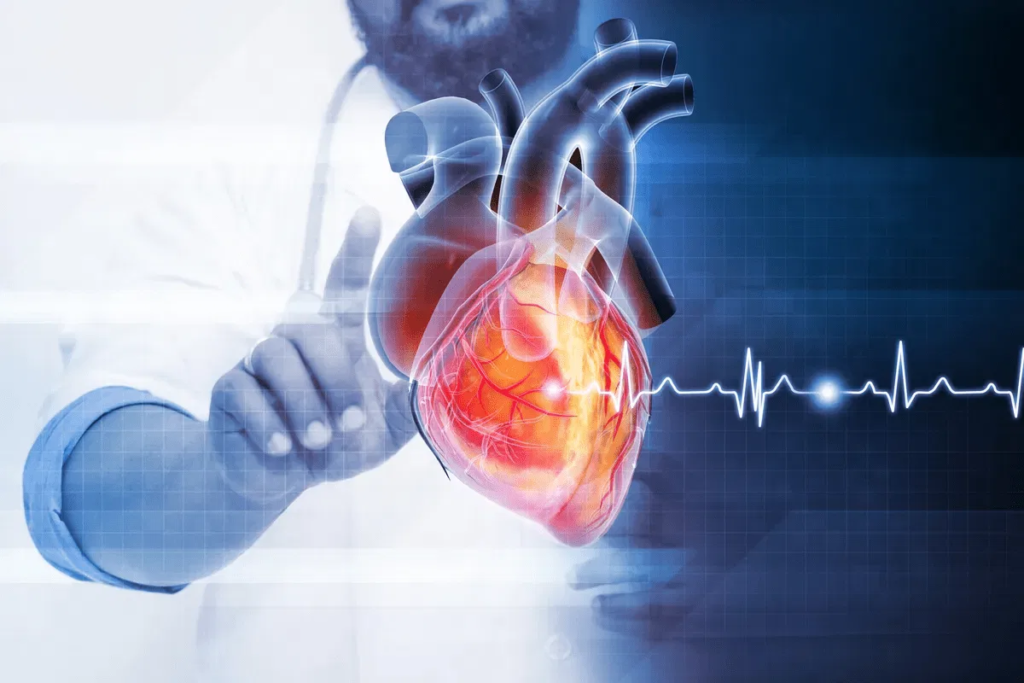
A heart attack occurs when blood flow to part of the heart muscle becomes blocked. The blockage is usually caused by a buildup of fatty deposits known as plaque inside the coronary arteries. When plaque ruptures, a blood clot can form and stop blood from reaching the heart muscle.
Without oxygen-rich blood, heart tissue begins to die. This damage can be permanent if treatment is delayed.
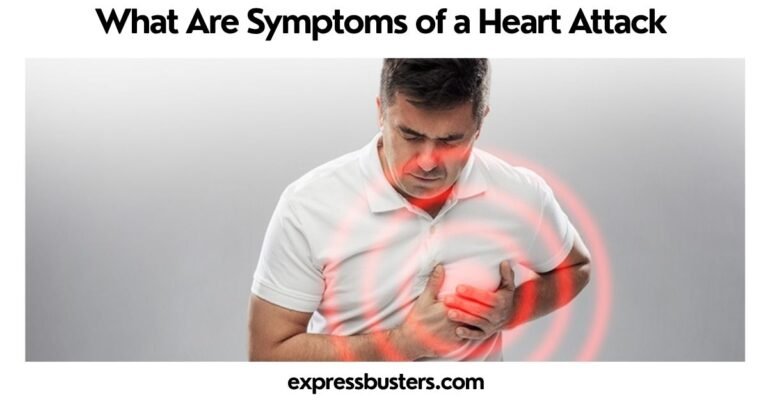
Common heart attack symptoms include:
- Chest pain or pressure
- Shortness of breath
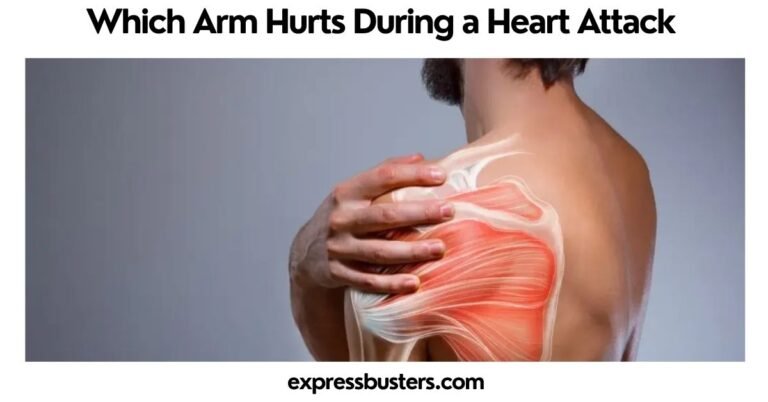
- Pain in the arm, shoulder, jaw, neck, or back
- Nausea or vomiting
- Cold sweats
- Dizziness or lightheadedness
- Unusual fatigue
Recognizing symptoms early and seeking emergency medical attention can save lives.
Why Heart Attack Prevention Matters More Than Ever
Modern lifestyles have created several challenges for heart health.
Many Americans spend long hours sitting, consume highly processed foods, experience chronic stress, and struggle with obesity. These factors contribute to conditions such as high blood pressure, diabetes, and high cholesterol, all of which increase heart attack risk.
The encouraging reality is that prevention works.
Research consistently shows that healthy lifestyle habits can significantly lower the risk of cardiovascular disease. Even small improvements can create meaningful benefits over time.
Learning how to prevent heart attacks is not just about avoiding disease. It is about improving energy levels, maintaining independence, and enjoying a higher quality of life.
Also Read: Can an EKG Detect a Heart Attack? Complete Guide to What an EKG Can and Cannot Reveal
Major Risk Factors for Heart Attack
Some risk factors cannot be changed, while others can.
Non-Modifiable Risk Factors:
- Age
- Family history of heart disease
- Gender
- Genetic factors
Modifiable Risk Factors:
- Smoking
- High blood pressure
- High cholesterol
- Obesity
- Physical inactivity
- Diabetes
- Poor diet
- Excessive alcohol consumption
- Chronic stress
- Poor sleep
The most effective prevention plans focus on controlling modifiable risk factors.
How to Prevent Heart Attack Through a Heart-Healthy Diet
One of the most powerful answers to the question of how to prevent heart attack is improving your diet.
Food directly affects cholesterol levels, blood pressure, inflammation, body weight, and overall cardiovascular health.
Eat More Fruits and Vegetables
Fruits and vegetables provide vitamins, minerals, fiber, and antioxidants that help protect blood vessels.
Aim for:
- Leafy greens
- Berries
- Oranges
- Apples
- Broccoli
- Carrots
- Bell peppers
- Tomatoes
The more colorful your plate, the better.
Choose Whole Grains
Whole grains contain fiber that helps lower cholesterol levels.
Healthy options include:
- Oatmeal
- Brown rice
- Quinoa
- Whole wheat bread
- Whole grain pasta
Replace refined grains whenever possible.
Prioritize Healthy Proteins
Lean proteins support muscle health without excessive saturated fat.
Good choices include:
- Fish
- Skinless poultry
- Beans
- Lentils
- Tofu
- Nuts
- Seeds
Fatty fish such as salmon and sardines provide omega-3 fatty acids that support heart health.
Limit Saturated and Trans Fats
Excess saturated and trans fats can increase LDL cholesterol.
Reduce intake of:
- Fried foods
- Processed snacks
- Fast food
- Fatty cuts of meat
- Commercial baked goods
Instead, choose healthy fats from:
- Olive oil
- Avocados
- Nuts
- Seeds
Reduce Sodium Intake
Too much sodium can raise blood pressure.
Tips include:
- Read food labels carefully
- Cook more meals at home
- Limit processed foods
- Use herbs and spices for flavor
A lower-sodium diet helps support healthy blood pressure levels.
Exercise Regularly to Protect Your Heart
Physical activity is one of the strongest tools for heart attack prevention.
If you are wondering how to prevent a heart attack naturally, exercise should be at the top of your list.
Benefits of Exercise
Regular activity helps:
- Lower blood pressure
- Improve cholesterol levels
- Control weight
- Reduce stress
- Improve blood sugar control
- Strengthen the heart muscle
Recommended Activity Levels
Most adults should aim for:
- At least 150 minutes of moderate exercise per week
Examples include:
- Brisk walking
- Cycling
- Swimming
- Dancing
- Gardening
You can also perform:
- 75 minutes of vigorous exercise weekly
Examples include:
- Running
- Fast cycling
- Aerobic workouts
Strength Training Matters Too
Muscle-building activities help improve metabolism and support healthy body composition.
Aim for strength training at least twice weekly.
Maintain a Healthy Weight
Excess body weight places additional strain on the heart.
Obesity is associated with:
- High blood pressure
- High cholesterol
- Diabetes
- Inflammation
Even modest weight loss can improve heart health.
Losing just 5% to 10% of body weight often leads to measurable improvements in cardiovascular risk factors.
Rather than focusing on rapid weight loss, prioritize sustainable habits that support long-term success.
Stop Smoking Immediately
Smoking damages blood vessels, increases blood pressure, reduces oxygen delivery, and accelerates plaque buildup.
Among all lifestyle changes, quitting smoking may be one of the fastest ways to reduce cardiovascular risk.
Benefits begin quickly:
- Heart rate improves within hours
- Circulation improves within weeks
- Heart disease risk declines over time
There is no safe amount of smoking.
This includes:
- Cigarettes
- Cigars
- Vaping products containing nicotine
- Secondhand smoke exposure
For anyone searching how to prevent heart attacks, quitting tobacco is one of the most effective actions available.
Control High Blood Pressure
High blood pressure is often called the silent killer because it may cause no symptoms.
Over time, elevated blood pressure damages arteries and increases heart attack risk.
Ways to Lower Blood Pressure
- Reduce sodium intake
- Exercise regularly
- Maintain healthy weight
- Limit alcohol
- Manage stress
- Take prescribed medications consistently
Regular blood pressure monitoring is essential.
Many people do not realize they have hypertension until complications develop.
Manage Cholesterol Levels
High cholesterol contributes to plaque buildup inside arteries.
There are two primary types:
LDL Cholesterol
Often called “bad cholesterol” because it contributes to artery blockage.
HDL Cholesterol
Often called “good cholesterol” because it helps remove excess cholesterol from the bloodstream.
Improving Cholesterol Naturally
- Increase fiber intake
- Exercise regularly
- Lose excess weight
- Avoid smoking
- Limit saturated fat
Some individuals may also require cholesterol-lowering medications based on their risk profile.
Prevent and Manage Diabetes
Diabetes significantly increases heart attack risk.
High blood sugar damages blood vessels and accelerates cardiovascular disease.
Important prevention strategies include:
- Healthy eating
- Physical activity
- Weight management
- Routine health screenings
People with diabetes should work closely with healthcare providers to maintain healthy blood sugar levels.
Get Quality Sleep Every Night
Sleep plays a larger role in heart health than many people realize.
Poor sleep contributes to:
- High blood pressure
- Weight gain
- Inflammation
- Diabetes risk
Adults should generally aim for seven to nine hours of sleep each night.
To improve sleep quality:
- Maintain a regular schedule
- Limit screen time before bed
- Keep the bedroom cool and dark
- Avoid heavy meals late at night
Consistent sleep supports long-term cardiovascular wellness.
Manage Stress for Better Heart Health
Chronic stress affects the body in multiple ways.
It can contribute to:
- Elevated blood pressure
- Increased inflammation
- Poor eating habits
- Smoking
- Reduced physical activity
Healthy Stress Management Techniques
- Meditation
- Deep breathing exercises
- Walking outdoors
- Yoga
- Journaling
- Spending time with loved ones
- Hobbies and recreation
Managing stress is an often-overlooked aspect of learning how to prevent heart attack.
Limit Alcohol Consumption
Excessive alcohol use may increase blood pressure and contribute to weight gain.
If you drink alcohol:
- Do so in moderation
- Avoid binge drinking
Some individuals may benefit from avoiding alcohol completely, particularly if advised by their physician.
Schedule Regular Medical Checkups
Preventive healthcare is a critical part of heart attack prevention.
Routine screenings help identify risk factors before serious complications develop.
Important measurements include:
- Blood pressure
- Cholesterol
- Blood sugar
- Weight
- Body mass index
- Family health history
Early detection allows earlier intervention and better outcomes.
Understanding How to Prevent Widowmaker Heart Attack
Many people search for information about how to prevent widowmaker heart attack because this type of heart attack is particularly dangerous.
A widowmaker heart attack involves severe blockage in a major coronary artery known as the left anterior descending artery.
Prevention focuses on reducing overall cardiovascular risk through:
- Healthy eating
- Regular exercise
- Cholesterol control
- Blood pressure management
- Smoking cessation
- Diabetes management
- Regular medical evaluations
Because widowmaker heart attacks can occur suddenly, prevention is especially important.
How to Prevent a Stroke or Heart Attack
Heart attacks and strokes share many of the same risk factors.
If you want to learn how to prevent a stroke or heart attack, focus on:
- Maintaining healthy blood pressure
- Managing cholesterol
- Controlling diabetes
- Staying physically active
- Eating nutritious foods
- Avoiding tobacco
- Maintaining healthy weight
The same healthy habits that protect the heart often protect the brain as well.
Foods That Support Heart Attack Prevention
Certain foods offer exceptional cardiovascular benefits.
Top choices include:
Oats
Rich in soluble fiber that helps lower cholesterol.
Berries
Contain antioxidants that support blood vessel health.
Salmon
Provides heart-protective omega-3 fats.
Nuts
Contain healthy fats, fiber, and minerals.
Beans
Offer plant-based protein and fiber.
Leafy Greens
Packed with vitamins and antioxidants.
Olive Oil
Supports healthy cholesterol levels.
Adding these foods regularly can strengthen your prevention strategy.
Warning Signs That Should Never Be Ignored
While prevention is the goal, recognizing warning signs remains essential.
Seek emergency medical attention immediately if you experience:
- Chest pressure
- Chest pain lasting several minutes
- Shortness of breath
- Pain spreading to the arm or jaw
- Sudden nausea
- Cold sweats
- Unexplained dizziness
Never attempt to self-diagnose a possible heart attack.
Quick treatment saves heart muscle and lives.
The Future of Heart Attack Prevention
Heart disease prevention is evolving rapidly.
Emerging trends include:
- Personalized risk assessments
- Wearable health technology
- Advanced cholesterol testing
- Genetic screening
- Artificial intelligence-assisted diagnostics
Despite technological advances, the foundation remains the same.
Healthy daily habits continue to provide the greatest protection against heart attacks.
ALso Read: How Many Energy Drinks Cause Heart Attacks? The Complete Evidence-Based Guide
Practical Daily Checklist for Heart Attack Prevention
Use this simple checklist:
- Eat fruits and vegetables every day
- Exercise for at least 30 minutes
- Avoid smoking
- Limit processed foods
- Drink enough water
- Manage stress
- Get quality sleep
- Monitor blood pressure
- Maintain healthy weight
- Attend regular health checkups
Small actions performed consistently create powerful long-term results.
Conclusion
Understanding how to prevent heart attack is one of the most valuable investments you can make in your health. While genetics and age play a role, many heart attack risk factors are controllable through lifestyle choices.
A heart-healthy diet, regular exercise, healthy weight management, smoking cessation, quality sleep, stress reduction, and routine medical care form the foundation of effective prevention.
People searching for how to prevent a heart attack, how to prevent heart attacks, how to prevent a stroke or heart attack, or how to prevent widowmaker heart attack should remember one important fact: prevention is not based on a single action. It is the result of many healthy choices repeated consistently over time.
The sooner you start, the greater the benefits. Every healthy meal, every walk, every smoke-free day, and every positive lifestyle change moves you closer to a stronger heart and a longer, healthier life.
Frequently Asked Questions About How to Prevent Heart Attack
Can drinking enough water help prevent a heart attack?
Proper hydration supports healthy circulation and overall cardiovascular function. While water alone cannot prevent heart attacks, staying hydrated is an important part of a healthy lifestyle.
Is walking every day enough to lower heart attack risk?
Yes. Daily walking can significantly improve heart health. Consistent brisk walking helps lower blood pressure, improve cholesterol levels, and support weight management.
Can young adults have heart attacks?
Yes. Although risk increases with age, younger adults can experience heart attacks, especially if they smoke, have obesity, diabetes, high cholesterol, or a strong family history of heart disease.
Do heart attacks always happen suddenly?
Not always. Some people experience warning symptoms for days, weeks, or even months before a heart attack occurs.
Can dehydration trigger heart problems?
Severe dehydration may increase strain on the cardiovascular system and can worsen existing heart conditions in some individuals.
Are energy drinks bad for heart health?
Excessive consumption of energy drinks may increase heart rate and blood pressure in certain individuals. Moderation is important.
Does sitting too much increase heart attack risk?
Yes. Prolonged sitting is associated with increased cardiovascular risk even among people who exercise regularly. Taking movement breaks throughout the day is beneficial.
Can laughter benefit heart health?
Research suggests that laughter may help reduce stress and improve blood vessel function, making it a positive addition to a heart-healthy lifestyle.
How often should healthy adults check their cholesterol levels?
Most adults should have cholesterol checked periodically according to their healthcare provider’s recommendations, typically every few years or more frequently if risk factors are present.
Is it ever too late to start preventing heart attacks?
No. Positive lifestyle changes can provide benefits at nearly any age. Improvements in diet, exercise, and other healthy habits can reduce cardiovascular risk even later in life.