Can You Survive a Heart Attack? Signs, Survival Rates, Treatment, and What to Do Fast
Many people ask the same frightening question: can you survive a heart attack? The simple answer is yes. Millions of people survive heart attacks every year, especially when they receive fast medical care and make healthy lifestyle changes afterward.
A heart attack is one of the most serious medical emergencies in the world. It happens when blood flow to the heart becomes blocked. Without oxygen-rich blood, part of the heart muscle starts to die. Even though this sounds terrifying, modern medicine has improved survival rates greatly over the last few decades.
Still, survival depends on several important factors. The speed of treatment, the type of heart attack, the person’s age, overall health, and how quickly emergency services arrive all play a major role.
Some people survive with little damage to the heart. Others may suffer long-term complications. In severe cases, a heart attack can be fatal within minutes. That is why understanding the warning signs and knowing exactly what to do can save a life.
This guide explains everything you need to know about heart attack survival in clear and simple language. You will learn how heart attacks happen, what symptoms to watch for, how doctors treat them, and what affects survival chances.
What Exactly Is a Heart Attack?
A heart attack, also called a myocardial infarction, happens when blood flow to the heart is blocked. The blockage usually comes from fatty deposits called plaque inside the arteries.
Over time, plaque can break open and form a blood clot. If the clot blocks blood flow completely, the heart muscle cannot get oxygen. Within minutes, heart tissue starts dying.
The longer the blockage lasts, the more damage happens.
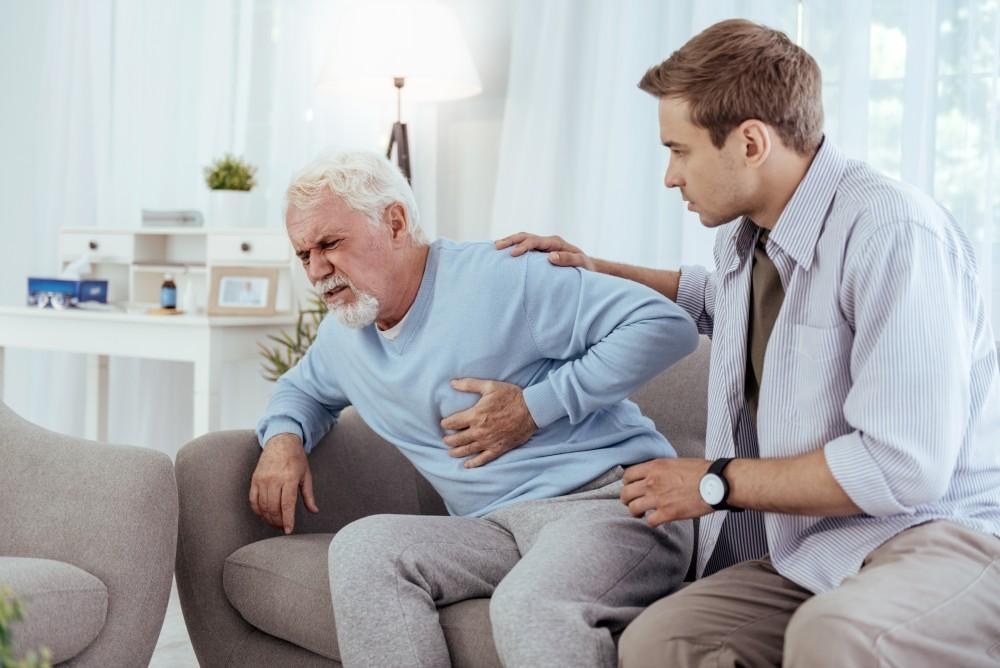
Heart attacks are different from cardiac arrest. During cardiac arrest, the heart suddenly stops beating. A heart attack can sometimes lead to cardiac arrest, but they are not the same thing.
Can You Survive a Heart Attack?
Yes, many people survive heart attacks. In fact, survival rates today are much better than they were years ago because of improved emergency care, medications, and awareness.
However, survival depends heavily on acting quickly. The first hour after symptoms begin is often called the “golden hour.” Treatment during this time can prevent severe heart damage and improve survival dramatically.
People who receive emergency treatment fast are far more likely to recover fully.
Several factors affect whether someone survives, including:
- How quickly medical help arrives
- The size of the blockage
- Which artery is blocked
- The person’s age
- Existing health conditions
- Whether the heart stops beating normally
- How much heart muscle is damaged
Even someone who suffers a major heart attack can survive with rapid treatment.
Can You Survive a Massive Heart Attack?
Many people wonder: can you survive a massive heart attack?
The answer is yes, but a massive heart attack is extremely dangerous. A massive heart attack usually means a large blockage affecting a major artery. This can stop blood flow to a big section of the heart.
Also Read: Which Aspirin Is Best for Heart Attack? Complete Guide for Fast Emergency Action and Heart Health
Massive heart attacks often cause:
- Severe chest pain
- Sudden collapse
- Dangerous heart rhythms
- Heart failure
- Loss of consciousness
- Cardiac arrest
Survival depends on immediate emergency treatment. Fast CPR, defibrillation, clot-busting drugs, and emergency surgery can save lives.
Some people recover fully after a massive heart attack. Others may develop long-term heart damage. The outcome depends on how long the heart lacked oxygen and how quickly blood flow was restored.
Common Warning Signs of a Heart Attack
Recognizing symptoms early can save your life.
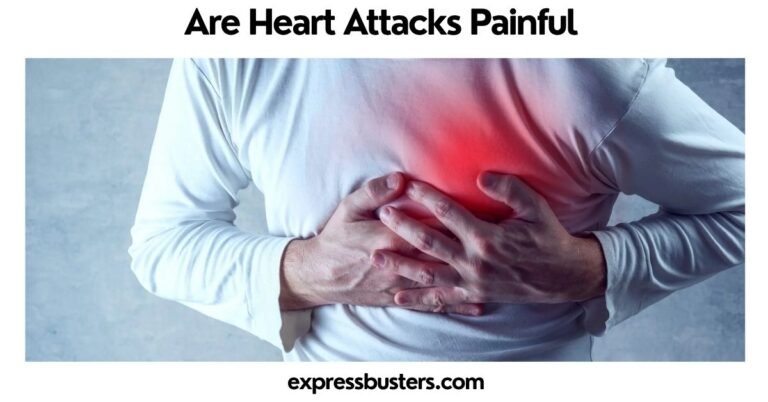
The most common heart attack symptom is chest discomfort. Many people describe it as pressure, tightness, squeezing, heaviness, or pain.
But symptoms can vary greatly from person to person.
Common signs include:
- Chest pain or pressure
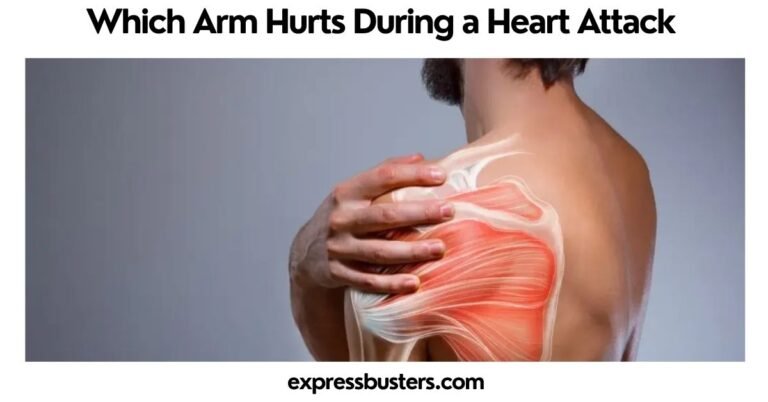
- Pain spreading to the arm, neck, jaw, back, or shoulder
- Shortness of breath
- Nausea or vomiting
- Cold sweats
- Dizziness
- Extreme fatigue
- Lightheadedness
- Anxiety or a feeling of doom
Some people experience mild symptoms while others collapse suddenly.
Women often experience different symptoms than men. They may feel:
- Unusual fatigue
- Back pain
- Jaw pain
- Nausea
- Shortness of breath without chest pain
Older adults and people with diabetes sometimes have “silent” heart attacks with very mild symptoms.
Can You Survive a Heart Attack at Home?
A very common question online is: can you survive a heart attack at home?
Yes, some people do survive heart attacks at home, especially if symptoms are recognized quickly and emergency services are called immediately.
But trying to “wait it out” at home is extremely dangerous.
Every minute matters during a heart attack. Delaying treatment increases heart damage and raises the risk of death.
If you think you are having a heart attack:
- Call 911 immediately
- Unlock your door if possible
- Sit down and stay calm
- Chew aspirin if instructed by emergency services
- Avoid driving yourself unless absolutely necessary
Many people make the mistake of ignoring symptoms because they think the pain will go away. Unfortunately, delays are one of the biggest reasons heart attacks become deadly.
Can You Survive a Heart Attack Without Help?
Another important question is: can you survive a heart attack without help?
Some people do survive mild heart attacks without immediate medical care. However, surviving without help is very risky and unpredictable.
A heart attack can suddenly become fatal if:
- The heart develops a dangerous rhythm
- Blood pressure crashes
- Cardiac arrest occurs
- The heart muscle suffers major damage
Even if symptoms improve, the blockage may still exist. Untreated heart attacks can lead to future heart failure, stroke, or sudden death.
People who survive without treatment may not even realize they had a heart attack until later medical tests reveal heart damage.
Never assume symptoms are harmless. Medical attention is always necessary.
How Can You Survive a Heart Attack?
Many people search online asking: how can you survive a heart attack?
The best chance of survival comes from quick action.
Here are the most important steps:
Call 911 Immediately
Do not wait to see if symptoms improve.
Emergency responders can start treatment right away and transport you safely to the hospital.
Take Aspirin if Recommended
Aspirin can help slow blood clotting. Emergency operators may instruct you to chew regular aspirin while waiting for help.
Stay Calm and Rest
Avoid physical activity. Sit or lie down while waiting for emergency services.
Use Nitroglycerin if Prescribed
If your doctor prescribed nitroglycerin for chest pain, take it exactly as directed.
Start CPR if Someone Collapses
If a person stops breathing or becomes unconscious:
- Call 911
- Begin CPR immediately
- Use an AED if available
Quick CPR can double or triple survival chances.
What Happens at the Hospital?
Once you arrive at the hospital, doctors work quickly to restore blood flow.
Common treatments include:
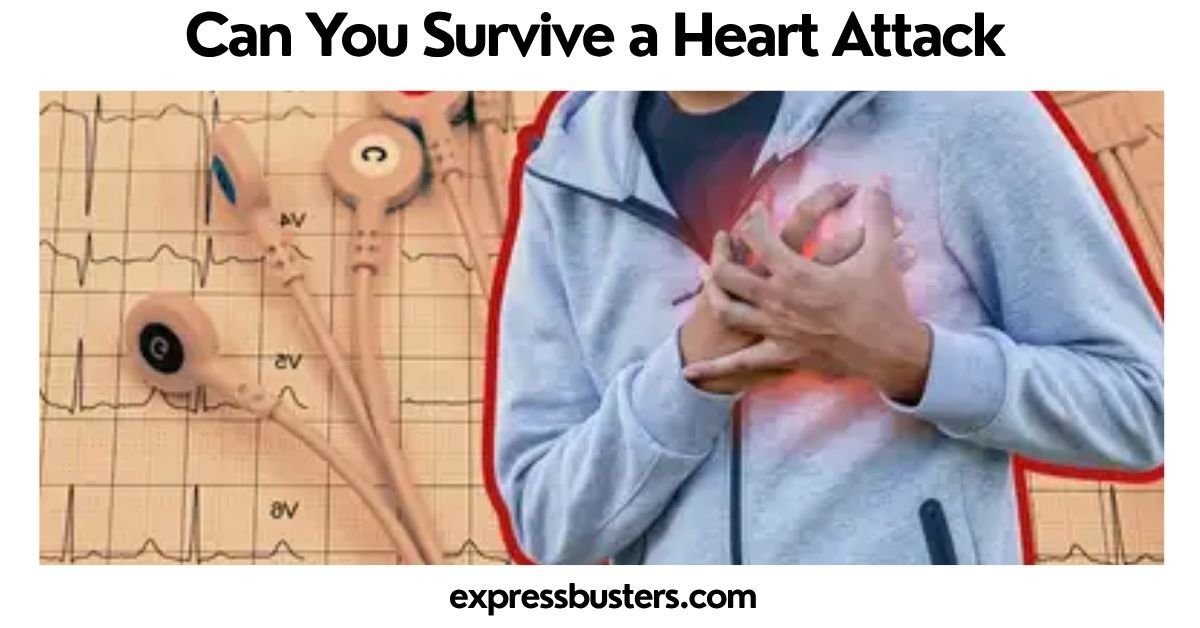
Electrocardiogram (ECG)
This test checks the heart’s electrical activity and helps diagnose the type of heart attack.
Blood Tests
Doctors look for heart damage markers in the blood.
Oxygen Therapy
Some patients receive oxygen to help the heart.
Medications
Doctors may use:
- Blood thinners
- Clot-busting drugs
- Pain medications
- Beta blockers
- Cholesterol medications
Angioplasty and Stent Placement
This common emergency procedure opens blocked arteries using a balloon and metal stent.
Coronary Artery Bypass Surgery
Some severe blockages require open-heart surgery.
Survival Rates After a Heart Attack
Heart attack survival rates have improved significantly in the United States.
Today, many people survive and continue living active lives for decades afterward.
Survival rates depend on:
- Age
- Overall health
- Smoking status
- Diabetes
- Obesity
- Blood pressure
- Treatment speed
- Type of heart attack
People who receive treatment within the first hour often have much better outcomes.
What Increases the Risk of Dying From a Heart Attack?
Several factors increase danger during a heart attack.
Delayed Treatment
Waiting too long is one of the biggest risks.
Smoking
Smoking damages arteries and raises clot risk.
Diabetes
Diabetes can damage blood vessels and hide symptoms.
High Blood Pressure
This strains the heart and arteries.
Obesity
Extra weight increases heart disease risk.
Older Age
Older adults may have weaker hearts and slower recovery.
Previous Heart Disease
Past heart problems increase risk of complications.
Silent Heart Attacks
Not all heart attacks cause severe chest pain.
Silent heart attacks can happen with few or no obvious symptoms.
Also Read: What Is a Widow Maker Heart Attack? Symptoms, Causes, Survival Rate, and Prevention
People may mistake symptoms for:
- Heartburn
- Muscle pain
- Fatigue
- Indigestion
Even silent heart attacks damage the heart and require treatment.
Recovery After Surviving a Heart Attack
Surviving a heart attack is only the beginning. Recovery and lifestyle changes are critical.
Most people need weeks or months to recover fully.
Recovery may include:
- Cardiac rehabilitation
- Exercise programs
- Healthy eating
- Stress reduction
- Medications
- Quitting smoking
- Weight management
Many survivors return to normal lives with proper care.
Emotional Effects After a Heart Attack
Heart attacks affect emotional health too.
Many survivors experience:
- Anxiety
- Depression
- Fear
- Stress
- Panic attacks
Some become afraid of physical activity or worry constantly about another heart attack.
Support groups, counseling, and cardiac rehabilitation programs can help.
How to Prevent Another Heart Attack
After surviving a heart attack, preventing another one becomes extremely important.
Stop Smoking
Smoking greatly increases future heart attack risk.
Eat a Heart-Healthy Diet
Focus on:
- Fruits
- Vegetables
- Whole grains
- Lean proteins
- Healthy fats
Limit:
- Salt
- Sugar
- Fried foods
- Processed foods
Exercise Regularly
Regular movement strengthens the heart.
Control Blood Pressure
High blood pressure damages arteries.
Manage Cholesterol
Lower cholesterol reduces plaque buildup.
Take Medications Correctly
Skipping medications can be dangerous.
Reduce Stress
Chronic stress affects heart health.
Heart Attack Symptoms in Women
Women’s symptoms can be very different from men’s symptoms.
Women may experience:
- Fatigue
- Nausea
- Neck pain
- Back pain
- Jaw pain
- Shortness of breath
Because symptoms can be subtle, women sometimes delay getting help.
Awareness saves lives.
Heart Attack Symptoms in Younger Adults
Heart attacks are becoming more common in younger adults due to:
- Obesity
- Smoking
- Stress
- Poor diet
- Diabetes
Young people sometimes ignore symptoms because they think they are “too young” for heart disease.
But heart attacks can happen at almost any age.
What Does a Heart Attack Feel Like?
People describe heart attacks differently.
Some common descriptions include:
- “An elephant sitting on my chest”
- “Severe pressure”
- “Burning pain”
- “Tight squeezing”
- “Heavy chest discomfort”
Not everyone feels intense pain. Some only feel mild pressure or shortness of breath.
Can Stress Cause a Heart Attack?
Stress alone may not directly cause a heart attack, but it can increase risk.
Chronic stress may lead to:
- High blood pressure
- Smoking
- Poor eating habits
- Inflammation
- Increased heart strain
Sudden emotional shock can also trigger serious heart problems in some people.
Heart Attack vs Panic Attack
Heart attacks and panic attacks can feel similar.
Both may cause:
- Chest pain
- Sweating
- Rapid heartbeat
- Shortness of breath
However, heart attack symptoms usually involve pressure or pain that may spread to other areas.
When in doubt, always seek emergency care.
Can Exercise Trigger a Heart Attack?
Heavy physical activity can sometimes trigger a heart attack in people with severe artery blockages.
However, regular exercise actually lowers long-term heart attack risk.
The key is safe, consistent activity approved by your doctor.
Diet and Heart Attack Prevention
Food choices strongly affect heart health.
Healthy foods include:
- Salmon
- Oats
- Nuts
- Beans
- Olive oil
- Leafy greens
- Berries
Unhealthy foods include:
- Fried foods
- Sugary drinks
- Processed meats
- Excess sodium
- Fast food
Small dietary improvements can significantly reduce risk over time.
Warning Signs Weeks Before a Heart Attack
Some people experience symptoms days or weeks before a heart attack.
Possible warning signs include:
- Fatigue
- Chest discomfort
- Trouble sleeping
- Shortness of breath
- Indigestion
- Arm pain
Do not ignore recurring symptoms.
Can You Live Normally After a Heart Attack?
Yes, many people live long and healthy lives after surviving a heart attack.
Modern treatments, medications, and lifestyle changes allow many survivors to:
- Work normally
- Exercise safely
- Travel
- Enjoy hobbies
- Spend time with family
Following medical advice is essential for long-term health.
Why Fast Treatment Matters So Much
Every second during a heart attack matters.
Doctors often say “time is muscle.” The longer blood flow is blocked, the more heart muscle dies.
Fast treatment can:
- Save heart tissue
- Prevent heart failure
- Reduce complications
- Improve survival
- Shorten recovery time
Never delay calling emergency services.
The Most Dangerous Heart Attack Complications
Heart attacks can lead to serious complications.
These include:
- Heart failure
- Cardiac arrest
- Stroke
- Irregular heart rhythms
- Blood clots
- Shock
- Sudden death
Quick treatment lowers these risks significantly.
How Doctors Determine Heart Attack Severity
Doctors look at several factors to judge severity:
- Size of the blockage
- Blood test results
- ECG changes
- Heart pumping strength
- Symptoms
- Imaging scans
Some heart attacks cause only small areas of damage while others affect large portions of the heart.
What Is the Survival Rate for Cardiac Arrest During a Heart Attack?
Cardiac arrest is much more dangerous than a heart attack alone.
Without CPR and defibrillation, survival chances fall quickly.
Immediate CPR can double or triple survival rates.
Public access to AED machines has saved many lives in airports, schools, gyms, and public places.
The Role of Family History
Family history matters.
If close relatives had heart disease early in life, your risk may be higher.
You cannot change genetics, but healthy habits can still reduce risk greatly.
How Smoking Affects Survival
Smoking damages arteries, lowers oxygen levels, and increases blood clotting.
Quitting smoking after a heart attack dramatically improves survival chances.
Even long-time smokers benefit from quitting.
How Diabetes Changes Heart Attack Risk
Diabetes damages blood vessels over time.
It also increases the risk of silent heart attacks.
Careful blood sugar control helps protect the heart.
The Future of Heart Attack Survival
Medical advances continue improving survival rates.
New treatments include:
- Better stents
- Faster emergency care
- Improved medications
- Advanced heart imaging
- Artificial intelligence for diagnosis
Education and prevention are also helping reduce deaths.
Frequently Asked Questions About Heart Attack Survival
Can a healthy person survive a heart attack?
Yes. Even healthy-looking people can have heart attacks. Fast treatment improves survival greatly.
Can you survive a heart attack while sleeping?
Yes, some people survive heart attacks during sleep. Others may wake with chest pain, sweating, or shortness of breath.
How long can a heart attack last?
Symptoms may last minutes or several hours. Never wait for symptoms to stop before getting help.
Can drinking water stop a heart attack?
No. Water cannot stop a heart attack. Immediate medical treatment is necessary.
Can you drive yourself to the hospital during a heart attack?
It is safer to call 911. Emergency responders can begin treatment immediately.
Can anxiety feel like a heart attack?
Yes. Panic attacks can mimic heart attack symptoms. Always seek medical evaluation if unsure.
Is chest pain always severe during a heart attack?
No. Some heart attacks cause only mild discomfort or unusual fatigue.
Can young athletes have heart attacks?
Yes, although rare, young athletes can suffer heart attacks or sudden cardiac events.
Can heart attack symptoms come and go?
Yes. Symptoms may appear, disappear, and return before a major heart attack occurs.
Can dehydration increase heart attack risk?
Severe dehydration can strain the heart and may contribute to risk in vulnerable people.
Final Thoughts on Heart Attack Survival
So, can you survive a heart attack? Absolutely. Many people do survive and continue living meaningful, healthy lives afterward.
But survival often depends on speed, awareness, and medical care.
Knowing the warning signs, acting immediately, and making healthy lifestyle changes afterward can make the difference between life and death.
Never ignore chest discomfort, breathing problems, or sudden unusual symptoms. Quick action saves heart muscle, protects your future health, and may save your life or the life of someone you love.