How Can I Prevent a Stroke or Heart Attack? The Complete Guide to Protecting Your Heart and Brain
Stroke and heart attack are among the leading causes of death and disability in the United States. Every year, millions of Americans are affected by these serious health conditions. The good news is that many strokes and heart attacks can be prevented through healthy lifestyle choices, early detection of risk factors, and proper medical care.
If you have ever asked yourself, “how can I prevent a stroke or heart attack,” you are not alone. This question is one of the most important health questions anyone can ask. Preventing these conditions is not about making one perfect decision. It is about building healthy habits that protect your heart, blood vessels, and brain over time.
This comprehensive guide explains exactly how can I prevent a stroke or heart attack using proven, evidence-based strategies. You will learn about risk factors, warning signs, nutrition, exercise, stress management, medical screenings, and practical steps you can take starting today.
Understanding the Difference Between a Stroke and a Heart Attack
Before learning how can I prevent a stroke or heart attack, it is important to understand what these conditions are.
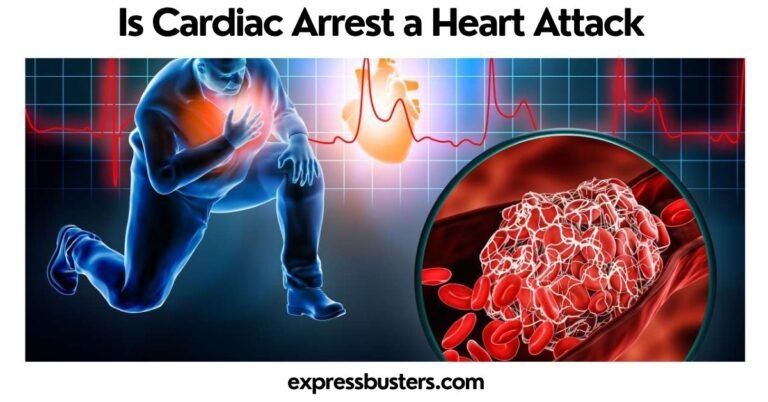
A heart attack happens when blood flow to part of the heart becomes blocked. The heart muscle begins to die because it is not receiving enough oxygen-rich blood.
A stroke occurs when blood flow to the brain is interrupted or when a blood vessel in the brain bursts. Brain cells begin to die within minutes without oxygen.

Although these conditions affect different organs, they share many of the same risk factors, including:
- High blood pressure
- High cholesterol
- Smoking
- Diabetes
- Obesity
- Physical inactivity
- Poor diet
- Excessive alcohol consumption
- Chronic stress
This means that the same healthy habits can help prevent both conditions.
Why Prevention Matters More Than Ever
Many people believe stroke and heart attack only affect older adults. While age increases risk, these conditions are becoming more common among younger adults due to unhealthy lifestyles.
Prevention is important because:
- Heart attacks can cause permanent heart damage.
- Strokes can lead to paralysis and disability.
- Recovery can be expensive and lengthy.
- Quality of life may be significantly affected.
- Prevention is often easier than treatment.
The most successful approach is to start prevention long before symptoms appear.
How Can I Prevent a Stroke or Heart Attack by Managing Blood Pressure?
High blood pressure is often called the silent killer because it may not cause symptoms for years.
Blood pressure that remains elevated damages arteries throughout the body. Over time, this damage increases the likelihood of both stroke and heart attack.
Healthy Blood Pressure Goals
Most adults should aim for blood pressure below 120/80 mmHg whenever possible.
Ways to Lower Blood Pressure Naturally
- Reduce sodium intake
- Exercise regularly
- Maintain a healthy weight
- Limit alcohol consumption
- Manage stress
- Eat more fruits and vegetables
- Get quality sleep
Monitoring blood pressure regularly allows problems to be identified early.
Control Cholesterol Levels for Better Heart and Brain Health
Cholesterol is a waxy substance found in the bloodstream. While the body needs some cholesterol, excessive levels can create plaque inside arteries.
Plaque buildup narrows blood vessels and increases the risk of blood clots.
Types of Cholesterol
LDL Cholesterol
Often called bad cholesterol because high levels contribute to artery blockage.
HDL Cholesterol
Known as good cholesterol because it helps remove excess cholesterol from the bloodstream.
Triglycerides
A type of fat in the blood that can also increase cardiovascular risk when elevated.
Tips to Improve Cholesterol Levels
- Eat more fiber-rich foods
- Limit saturated fats
- Avoid trans fats
- Increase physical activity
- Maintain a healthy weight
- Take prescribed medications if recommended
Healthy cholesterol management is one of the strongest answers to the question, “how can I prevent a stroke or heart attack?”
Eat a Heart-Healthy Diet Every Day
Food plays a major role in cardiovascular health.
Many people focus only on avoiding unhealthy foods. A better strategy is actively choosing foods that support heart and brain function.
Best Foods for Stroke and Heart Attack Prevention
Fruits
Fruits provide vitamins, minerals, fiber, and antioxidants.
Examples include:
- Apples
- Berries
- Oranges
- Grapes
- Bananas
Vegetables
Vegetables help lower blood pressure and reduce inflammation.
Examples include:
- Spinach
- Kale
- Broccoli
- Carrots
- Bell peppers
Whole Grains
Whole grains contain fiber that supports healthy cholesterol levels.
Examples include:
- Oatmeal
- Brown rice
- Whole wheat bread
- Quinoa
Healthy Proteins
Choose:
- Fish
- Skinless poultry
- Beans
- Lentils
- Tofu
Healthy Fats
Good fat sources include:
- Avocados
- Nuts
- Seeds
- Olive oil
Foods to Limit
Avoid or reduce:
- Processed foods
- Sugary drinks
- Fast food
- Fried foods
- Processed meats
- Excess sodium
- Excess sugar
A useful rule is to choose foods that look close to their natural state.
Exercise Regularly to Strengthen the Heart and Brain
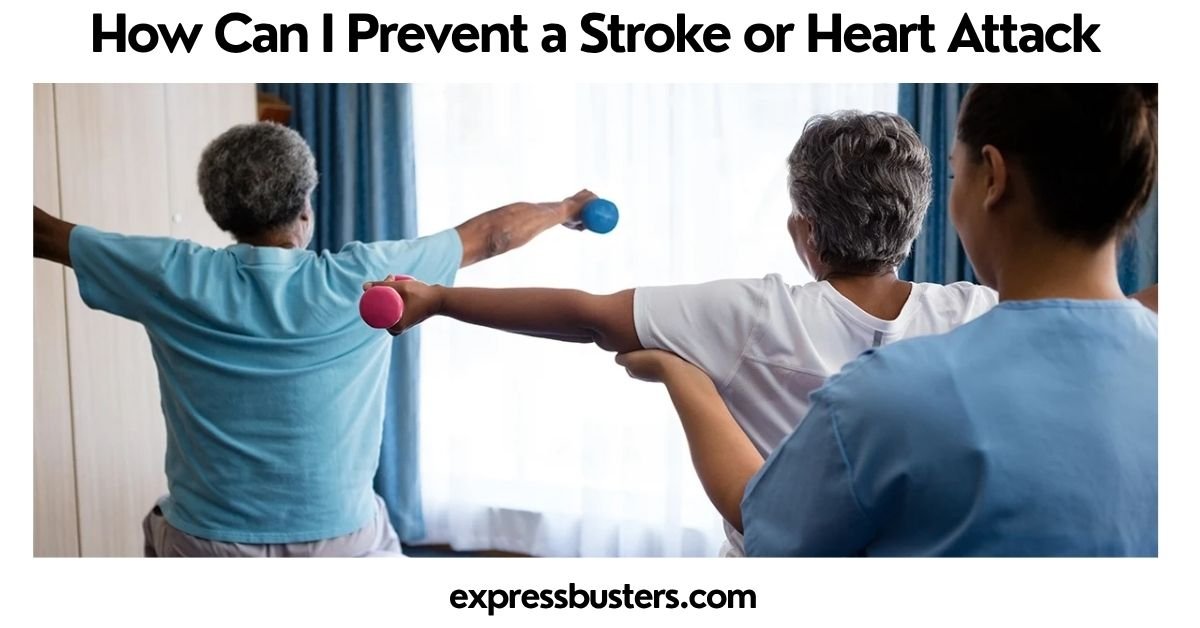
Physical activity improves circulation, lowers blood pressure, reduces cholesterol, and helps maintain a healthy weight.
Even moderate activity can significantly reduce stroke and heart attack risk.
Recommended Exercise Guidelines
Adults should aim for:
- At least 150 minutes of moderate exercise weekly
- Or 75 minutes of vigorous exercise weekly
Examples of Effective Activities
- Brisk walking
- Swimming
- Cycling
- Jogging
- Dancing
- Hiking
Strength Training
Include strength exercises at least twice per week.
Benefits include:
- Better metabolism
- Improved blood sugar control
- Increased muscle mass
- Stronger bones
One important insight often overlooked is that consistency matters more than intensity. A daily 30-minute walk performed regularly provides greater long-term benefits than occasional intense workouts.
Maintain a Healthy Body Weight
Excess body weight increases stress on the cardiovascular system.
Obesity contributes to:
- High blood pressure
- Diabetes
- High cholesterol
- Sleep apnea
- Inflammation
Focus on Sustainable Weight Loss
Avoid extreme diets.
Also Read: How to Prevent a Stroke or Heart Attack: The Complete Guide to Protecting Your Heart and Brain
Instead:
- Eat balanced meals
- Control portion sizes
- Exercise consistently
- Sleep adequately
- Monitor progress gradually
Even losing 5% to 10% of body weight can improve cardiovascular health significantly.
Stop Smoking and Avoid Tobacco Products
Smoking is one of the most dangerous risk factors for stroke and heart attack.
Tobacco damages blood vessels and promotes clot formation.
Benefits of Quitting Smoking
Within weeks:
- Circulation improves
- Blood pressure decreases
Within months:
- Lung function improves
Within years:
- Stroke and heart attack risk drops significantly
If quitting feels difficult, remember that many successful quitters required multiple attempts before permanently stopping.
Limit Alcohol Consumption
Moderate alcohol intake may be acceptable for some individuals, but excessive drinking raises stroke and heart attack risk.
Heavy alcohol use can cause:
- High blood pressure
- Irregular heart rhythms
- Weight gain
- Liver disease
Practical Guidelines
If you drink alcohol:
- Drink in moderation
- Avoid binge drinking
- Stay hydrated
Some people may benefit from avoiding alcohol entirely based on medical history.
Control Diabetes Effectively
Diabetes damages blood vessels and greatly increases cardiovascular risk.
High blood sugar levels can silently harm arteries for years.
Managing Diabetes Successfully
Key strategies include:
- Monitoring blood glucose
- Following a healthy diet
- Exercising regularly
- Taking medications as prescribed
- Attending routine medical appointments
Good diabetes control protects both the heart and the brain.
Prioritize Quality Sleep
Sleep is one of the most overlooked aspects of cardiovascular health.
Poor sleep contributes to:
- High blood pressure
- Obesity
- Diabetes
- Inflammation
- Heart disease
Healthy Sleep Habits
Aim for:
- Seven to nine hours nightly
- Consistent sleep schedule
- Comfortable sleep environment
- Reduced screen exposure before bedtime
Sleep Apnea and Cardiovascular Risk
Sleep apnea is a serious condition that causes repeated breathing interruptions during sleep.
Signs include:
- Loud snoring
- Daytime fatigue
- Morning headaches
Treatment can significantly reduce cardiovascular risk.
Manage Stress Before It Harms Your Health
Chronic stress affects the body in powerful ways.
Long-term stress may contribute to:
- Elevated blood pressure
- Unhealthy eating
- Smoking
- Poor sleep
- Physical inactivity
Healthy Stress Management Techniques
Regular Physical Activity
Exercise naturally reduces stress hormones.
Deep Breathing
Simple breathing exercises calm the nervous system.
Meditation
Meditation can improve emotional resilience.
Social Connection
Supportive relationships improve mental and physical health.
Hobbies
Enjoyable activities reduce stress and promote balance.
An important insight is that stress itself is not always harmful. The real danger often comes from unhealthy coping behaviors that develop during prolonged stress.
Know Your Family History
Genetics play a role in cardiovascular disease.
Ask family members about:
- Heart attacks
- Strokes
- High blood pressure
- Diabetes
- High cholesterol
Knowing your family history allows healthcare providers to identify risks earlier.
Even with strong genetic risk, healthy habits can dramatically reduce the likelihood of future problems.
Get Regular Health Screenings
Routine checkups help identify silent risk factors before they cause damage.
Important Screenings Include
Blood Pressure Checks
Regular monitoring helps detect hypertension.
Cholesterol Testing
Identifies unhealthy lipid levels.
Blood Sugar Testing
Detects diabetes and prediabetes.
Weight and Body Mass Index Assessment
Helps track healthy weight goals.
Heart Health Evaluations
May include additional tests based on risk factors.
Early detection remains one of the most effective prevention tools available.
Recognize the Warning Signs of a Stroke
Even when focusing on prevention, everyone should know stroke symptoms.
Use the FAST method:
F – Face Drooping
One side of the face may droop.
A – Arm Weakness
One arm may become weak or numb.
S – Speech Difficulty
Speech may become slurred.
T – Time to Call Emergency Services
Immediate treatment can save brain tissue.
Additional symptoms include:
- Sudden confusion
- Vision problems
- Severe headache
- Loss of balance
Recognize the Warning Signs of a Heart Attack
Heart attack symptoms can vary.
Common signs include:
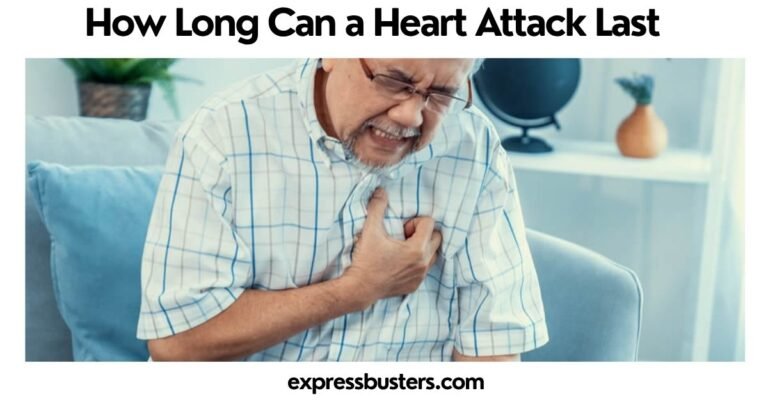
- Chest pain or pressure
- Shortness of breath
- Nausea
- Sweating
- Pain in the jaw, neck, back, or arms
Women may experience less obvious symptoms than men.
Seeking emergency care immediately improves survival and recovery.
The Role of Inflammation in Stroke and Heart Attack Risk
Recent research continues to highlight the role of chronic inflammation.
Inflammation can damage blood vessels and accelerate plaque formation.
Ways to Reduce Inflammation
- Eat nutrient-rich foods
- Exercise regularly
- Maintain healthy weight
- Sleep adequately
- Avoid smoking
- Manage stress
A prevention strategy focused on reducing inflammation may protect the heart and brain over the long term.
Build a Personal Prevention Plan
Many people ask, “how can I prevent a stroke or heart attack,” expecting a single solution.
The reality is that prevention works best when multiple healthy habits work together.
Step 1: Know Your Numbers
Track:
- Blood pressure
- Cholesterol
- Blood sugar
- Weight
Step 2: Improve One Habit at a Time
Choose a realistic goal such as:
- Walking daily
- Eating more vegetables
- Drinking more water
Step 3: Create Consistency
Small habits performed consistently create powerful results.
Step 4: Work With Healthcare Professionals
Follow medical advice and attend regular checkups.
Step 5: Stay Committed
Prevention is a lifelong process rather than a short-term project.
Common Myths About Stroke and Heart Attack Prevention
Myth 1: Only Older Adults Need to Worry
Risk factors often begin developing decades before symptoms appear.
Myth 2: Thin People Cannot Have Heart Disease
People of any size can develop cardiovascular disease.
Myth 3: Exercise Alone Is Enough
Exercise helps greatly, but nutrition, sleep, and medical care also matter.
ALso Read: What to Do to Prevent a Heart Attack: A Complete Guide to Protecting Your Heart Health
Myth 4: Symptoms Always Appear Before a Heart Attack
Many individuals experience no warning signs beforehand.
Myth 5: Family History Determines Everything
Genes matter, but lifestyle choices remain extremely powerful.
The Future of Heart and Stroke Prevention
Modern medicine is improving prevention through:
- Better risk assessments
- Advanced cholesterol treatments
- Wearable health technology
- Improved blood pressure monitoring
- Personalized healthcare plans
However, the foundation remains the same: healthy daily habits.
Technology can support prevention, but lifestyle choices continue to be the strongest defense.
Conclusion
If you are asking, “how can I prevent a stroke or heart attack,” the answer involves protecting your heart and brain through consistent healthy choices.
The most effective strategies include maintaining healthy blood pressure, controlling cholesterol, exercising regularly, eating nutritious foods, avoiding tobacco, limiting alcohol, managing stress, sleeping well, maintaining a healthy weight, and attending regular medical checkups.
Prevention is not about perfection. It is about making better choices more often than not. Every healthy meal, every walk, every good night’s sleep, and every medical screening contributes to a healthier future.
The earlier you begin, the greater your protection will be. Whether you are 25 or 75, today is the perfect time to take action and reduce your risk of stroke and heart attack.
Frequently Asked Questions (FAQs)
Can drinking more water help prevent a stroke or heart attack?
Staying hydrated supports healthy circulation and overall cardiovascular function. While water alone cannot prevent these conditions, proper hydration is an important part of a healthy lifestyle.
Are energy drinks bad for heart health?
Some energy drinks contain high levels of caffeine and sugar, which may temporarily increase heart rate and blood pressure. Frequent consumption may not be ideal for people with cardiovascular risk factors.
Does cold weather increase the risk of heart attack or stroke?
Cold temperatures can cause blood vessels to narrow and may increase blood pressure. People with existing cardiovascular conditions should be especially careful during cold weather.
Can loneliness affect heart health?
Yes. Studies suggest that chronic loneliness and social isolation may increase stress levels and negatively impact cardiovascular health over time.
Is it safe to exercise if I already have heart disease?
Many people with heart disease can safely exercise under medical guidance. A healthcare provider can recommend an appropriate activity plan based on individual health needs.
Can dehydration trigger a stroke?
Severe dehydration may contribute to thicker blood and reduced circulation, which could increase certain health risks. Staying adequately hydrated is beneficial for overall health.
Do air pollution levels affect stroke and heart attack risk?
Long-term exposure to air pollution has been linked to higher cardiovascular risk. Limiting exposure during poor air-quality days may be helpful, especially for high-risk individuals.
Can regular dental care support heart health?
Good oral hygiene may reduce inflammation and lower the risk of gum disease, which has been associated with cardiovascular health concerns.
Are wearable fitness trackers useful for prevention?
Fitness trackers can encourage healthy habits by monitoring activity levels, heart rate, sleep patterns, and exercise consistency, helping people stay engaged in prevention efforts.
How early should adults start thinking about stroke and heart attack prevention?
Prevention should begin in early adulthood. Healthy habits developed in the 20s and 30s can significantly reduce cardiovascular risk later in life.