Does Aspirin Prevent Heart Attack? A Complete Guide to Benefits, Risks, and What Current Research Says
Heart disease remains the leading cause of death in the United States. Every year, millions of Americans look for ways to lower their risk of cardiovascular problems, including heart attacks. One of the most common questions people ask is: does aspirin prevent heart attack?
For decades, aspirin has been viewed as a simple and affordable medicine that can help protect the heart. Many people began taking a daily aspirin after hearing that it could reduce the risk of blood clots and heart attacks. However, medical recommendations have changed significantly in recent years as new research has become available.
Today, the answer to the question “does aspirin prevent heart attack” is more complex than many people realize. While aspirin can help some people avoid serious cardiovascular events, it can also increase the risk of dangerous bleeding. This means aspirin is not the right choice for everyone.
This comprehensive guide explains how aspirin works, who may benefit from it, who should avoid it, the latest medical recommendations, potential risks, and practical ways to reduce heart attack risk. By understanding the latest science, you can make more informed decisions about your heart health.
What Is Aspirin?
Aspirin is a medication known as acetylsalicylic acid. It has been used for more than a century to reduce pain, fever, and inflammation.
In addition to these benefits, aspirin affects blood clotting. It makes platelets, which are tiny blood cells involved in clot formation, less likely to stick together. Because many heart attacks occur when a blood clot blocks blood flow to the heart, aspirin became widely used as a preventive treatment.
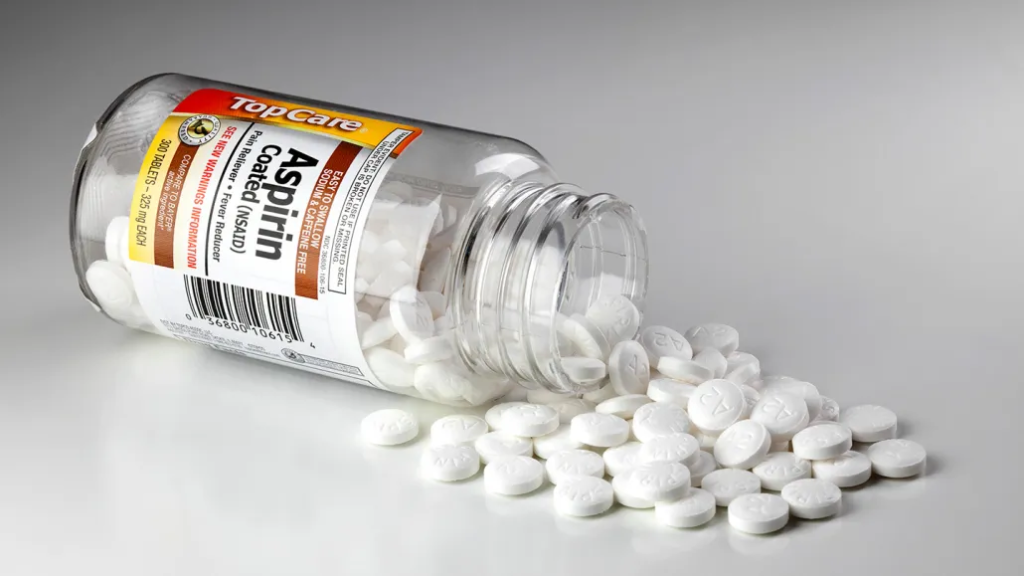
Low-dose aspirin is commonly sold in 81-milligram tablets, often called “baby aspirin.” Regular-strength aspirin usually contains 325 milligrams.
The ability of aspirin to reduce clot formation is the primary reason it has been linked to heart attack prevention.
Understanding Heart Attacks
Before answering the question “does aspirin prevent heart attack,” it helps to understand what causes a heart attack.
A heart attack occurs when blood flow to part of the heart muscle becomes blocked. Most heart attacks happen because plaque builds up inside the coronary arteries over many years.
Plaque consists of:
- Cholesterol
- Fat
- Calcium
- Inflammatory cells
- Other substances found in blood
When plaque ruptures, the body attempts to repair the damaged area. This process can trigger the formation of a blood clot. If the clot becomes large enough, it can completely block blood flow to the heart muscle.
Also Read: What to Do to Prevent a Heart Attack: A Complete Guide to Protecting Your Heart Health
Without oxygen-rich blood, heart tissue begins to die. This is known as a myocardial infarction, or heart attack.
The main reason aspirin became important in cardiovascular medicine is that it can reduce the formation of these dangerous blood clots.
Does Aspirin Prevent Heart Attack?
The short answer is yes, aspirin can help prevent certain heart attacks, but it is not appropriate for everyone.
The effectiveness of aspirin depends largely on an individual’s health history and risk factors.
Medical experts divide prevention into two categories:
Primary Prevention
Primary prevention refers to preventing a first heart attack or stroke in someone who has never experienced a cardiovascular event.
In the past, many healthy adults took daily aspirin for primary prevention. However, newer research found that the benefits are often smaller than previously believed.
For many people without heart disease, the increased risk of bleeding may outweigh the potential heart benefits.
Secondary Prevention
Secondary prevention refers to preventing future heart attacks in people who have already had one.
For these individuals, aspirin often provides significant benefits because their risk of another cardiovascular event is much higher.
In many cases, healthcare providers strongly recommend aspirin after:
- A previous heart attack
- Certain strokes
- Coronary artery stenting
- Coronary artery bypass surgery
- Established coronary artery disease
Therefore, when asking “does aspirin prevent heart attack,” the answer depends greatly on whether a person is trying to prevent a first event or prevent another one.
How Aspirin Helps Prevent Heart Attacks
Aspirin works by blocking an enzyme called cyclooxygenase-1 (COX-1).
This action reduces the production of thromboxane A2, a chemical that encourages platelets to stick together.
As a result:
- Platelets become less active
- Blood clot formation decreases
- Artery blockages become less likely
- Risk of certain cardiovascular events declines
This effect can last for several days after taking a single dose because aspirin permanently changes platelet function.
The anti-clotting action is the reason aspirin remains one of the most studied medications in cardiovascular medicine.
Why Medical Recommendations Have Changed
Many people are surprised to learn that routine aspirin use is no longer recommended for all adults.
Several large studies have shown that while aspirin may reduce some cardiovascular events, it also increases bleeding risks.
Researchers discovered that improvements in modern healthcare have changed the equation.
Today, many Americans benefit from:
- Better blood pressure control
- Cholesterol-lowering medications
- Smoking cessation programs
- Healthier diets
- Earlier detection of cardiovascular disease
Because these improvements already reduce heart attack risk, the added benefit from aspirin is often smaller than it was decades ago.
At the same time, aspirin’s bleeding risks remain significant.
This led major medical organizations to revise their recommendations.
Current Guidelines on Aspirin Use
Current guidelines generally recommend a personalized approach.
For many adults without heart disease, routine daily aspirin is not automatically advised.
Healthcare providers now evaluate factors such as:
- Age
- Cardiovascular risk
- Bleeding risk
- Family history
- Existing medical conditions
Aspirin may be considered for certain individuals who have a high cardiovascular risk and a low bleeding risk.
However, it is not usually recommended as a routine preventive medication for healthy adults.
The key lesson is that aspirin decisions should be individualized rather than based on a one-size-fits-all approach.
Who May Benefit from Daily Aspirin?
Some people may still benefit from aspirin therapy.
Potential candidates include individuals who have:
- Previous heart attacks
- Coronary artery disease
- Certain types of stroke
- Coronary stents
- Peripheral artery disease
- High cardiovascular risk under physician guidance
In these situations, aspirin can significantly reduce the likelihood of future cardiovascular events.
The benefits often outweigh the risks because these individuals already face a substantial chance of another heart-related problem.
Who Should Not Take Aspirin for Heart Attack Prevention?
Aspirin is not appropriate for everyone.
People who may need to avoid aspirin include those with:
- Active stomach ulcers
- History of gastrointestinal bleeding
- Bleeding disorders
- Allergy to aspirin
- Severe liver disease
- Certain kidney conditions
- High bleeding risk
Older adults may also face increased bleeding risks, making aspirin less suitable in some cases.
Never start a daily aspirin regimen without discussing it with a healthcare professional.
Aspirin During a Suspected Heart Attack
One important distinction is the difference between daily prevention and emergency treatment.
When a heart attack is suspected, emergency medical services should be contacted immediately.
Healthcare professionals often recommend chewing aspirin during a suspected heart attack if the person is not allergic and has been advised it is safe.
Chewing helps the medication enter the bloodstream more quickly.
The aspirin can reduce clot growth while emergency care is being arranged.
However, aspirin should never replace emergency medical treatment.
Warning signs of a heart attack include:
- Chest pressure
- Chest pain
- Shortness of breath
- Pain in the jaw
- Pain in the arm
- Nausea
- Sweating
- Lightheadedness
Immediate medical attention is essential.
Risks of Taking Aspirin Every Day
Understanding the risks is just as important as understanding the benefits.
Gastrointestinal Bleeding
One of the most common complications is bleeding in the stomach or intestines.
Symptoms may include:
- Black stools
- Blood in stool
- Vomiting blood
- Stomach pain
Brain Bleeding
Although less common, aspirin can increase the risk of bleeding inside the brain.
This can become life-threatening and requires immediate medical attention.
Stomach Irritation
Aspirin may irritate the stomach lining and contribute to:
- Heartburn
- Nausea
- Indigestion
- Gastritis
Increased Bleeding After Injury
Because aspirin affects clotting, cuts and injuries may bleed longer than usual.
Even minor injuries can result in prolonged bleeding.
Aspirin and Stroke Prevention
Aspirin is often discussed alongside stroke prevention.
Certain strokes occur when blood clots block blood flow to the brain.
In these cases, aspirin may reduce the risk of future events.
However, not all strokes are caused by clots.
Some result from bleeding in the brain. Since aspirin increases bleeding risk, it can sometimes worsen outcomes in these situations.
This is another reason why medical supervision is important.
Does Baby Aspirin Prevent Heart Attack Better Than Regular Aspirin?
Many people assume higher doses provide better protection.
In reality, low-dose aspirin is often sufficient for cardiovascular prevention.
An 81-milligram dose effectively reduces platelet activity while potentially lowering bleeding risks compared with higher doses.
For most preventive purposes, healthcare providers prefer low-dose aspirin when aspirin therapy is appropriate.
Higher doses generally do not provide significantly greater heart protection but may increase side effects.
Aspirin and Cholesterol
Aspirin does not lower cholesterol.
This is an important misconception.
While aspirin reduces clot formation, it does not address the underlying plaque buildup inside arteries.
Managing cholesterol remains essential.
Effective cholesterol management may include:
- Healthy eating
- Physical activity
- Weight management
- Statin medications when prescribed
Aspirin should not be viewed as a substitute for cholesterol control.
Aspirin and Blood Pressure
High blood pressure is one of the strongest risk factors for heart attacks.
Aspirin does not significantly lower blood pressure.
If blood pressure remains uncontrolled, the risk of cardiovascular events can stay elevated despite aspirin use.
In fact, severe uncontrolled hypertension may increase bleeding risks associated with aspirin.
Proper blood pressure management remains one of the most effective strategies for preventing heart attacks.
Common Myths About Aspirin and Heart Attack Prevention
Myth 1: Everyone Over 50 Should Take Aspirin
This recommendation was once common but is no longer considered appropriate for everyone.
Modern guidelines emphasize individualized risk assessment.
Myth 2: Aspirin Eliminates Heart Attack Risk
Aspirin can reduce risk in some people, but it cannot eliminate it.
Heart attacks can still occur despite aspirin therapy.
Myth 3: More Aspirin Means More Protection
Taking extra aspirin does not necessarily provide greater benefits and may increase bleeding risk.
Myth 4: Aspirin Replaces Healthy Habits
No medication can compensate for smoking, poor diet, inactivity, or uncontrolled blood pressure.
Lifestyle remains the foundation of heart health.
The Best Ways to Prevent a Heart Attack
While aspirin may help some individuals, lifestyle changes provide the greatest long-term impact.
Maintain a Heart-Healthy Diet
Focus on:
- Fruits
- Vegetables
- Whole grains
- Lean proteins
- Nuts
- Legumes
Limit:
- Processed foods
- Excess sugar
- Trans fats
- Excess sodium
Stay Physically Active
Aim for regular exercise throughout the week.
Activities may include:
- Walking
- Cycling
- Swimming
- Strength training
Avoid Tobacco
Smoking damages arteries and significantly increases heart attack risk.
Quitting smoking provides substantial cardiovascular benefits at any age.
ALso Read: How Can I Prevent Heart Attack? A Complete Guide to Protecting Your Heart and Living a Longer Life
Manage Stress
Chronic stress can contribute to high blood pressure and unhealthy behaviors.
Stress management techniques include:
- Meditation
- Deep breathing
- Exercise
- Adequate sleep
Control Blood Pressure
Regular monitoring and treatment can dramatically reduce heart attack risk.
Manage Diabetes
Blood sugar control protects blood vessels and lowers cardiovascular complications.
Maintain a Healthy Weight
Even modest weight loss can improve heart health markers.
New Insights: Why Prevention Should Focus on the Entire Cardiovascular System
One limitation of the aspirin discussion is that many people view heart attack prevention as a medication decision rather than a health strategy.
The most effective prevention approach targets multiple factors simultaneously.
Think of cardiovascular health as a system rather than a single disease.
For example:
- Healthy arteries reduce plaque formation.
- Controlled blood pressure reduces artery damage.
- Healthy cholesterol slows plaque growth.
- Physical activity improves circulation.
- Quality sleep supports heart function.
Aspirin addresses only one piece of this larger puzzle: clot formation.
This broader perspective helps explain why lifestyle improvements often provide greater long-term benefits than medication alone.
The most successful prevention plans combine medical guidance with sustainable healthy habits.
Questions to Ask Your Doctor About Aspirin
Before starting daily aspirin therapy, consider discussing:
- What is my heart attack risk?
- What is my bleeding risk?
- Have I had any conditions that increase bleeding?
- Would aspirin help me more than it could harm me?
- What dosage would be appropriate?
- Are there safer alternatives for my situation?
These conversations help create a personalized prevention plan.
The Future of Heart Attack Prevention
Modern medicine is moving toward personalized cardiovascular care.
Researchers increasingly use advanced risk calculators, imaging studies, genetic information, and biomarkers to determine who benefits most from preventive therapies.
Rather than recommending aspirin broadly, future approaches will likely focus on identifying individuals who receive the greatest net benefit.
This shift reflects a broader trend toward precision medicine.
The goal is simple: maximize benefits while minimizing unnecessary risks.
Conclusion
So, does aspirin prevent heart attack?
The answer is yes, aspirin can help prevent certain heart attacks by reducing blood clot formation. However, the benefits vary greatly from person to person.
For people with existing cardiovascular disease or a history of heart attack, aspirin often provides important protection and remains a valuable part of treatment.
For healthy adults without previous cardiovascular events, the decision is more complicated. The potential reduction in heart attack risk must be balanced against the possibility of serious bleeding.
Modern medical guidelines no longer recommend routine aspirin use for everyone. Instead, healthcare providers evaluate individual risk factors before making recommendations.
The most effective heart attack prevention strategy remains a combination of healthy lifestyle habits, management of blood pressure and cholesterol, smoking avoidance, regular physical activity, and appropriate medical care.
Aspirin may be one tool in heart attack prevention, but it is not a universal solution. The best approach is a personalized plan developed with your healthcare provider.
FAQs About Does Aspirin Prevent Heart Attack
Can I take aspirin occasionally instead of every day for heart protection?
Occasional aspirin use does not provide the same consistent anti-platelet effect as a prescribed daily regimen. Whether intermittent use is appropriate depends on your individual health situation and should be discussed with your doctor.
Does aspirin work immediately to prevent a heart attack?
Aspirin begins affecting platelets relatively quickly, but long-term prevention benefits usually come from regular use when recommended by a healthcare provider.
Is coated aspirin safer than regular aspirin?
Enteric-coated aspirin may reduce stomach irritation for some individuals, but it does not completely eliminate the risk of gastrointestinal bleeding.
Can younger adults take aspirin to avoid future heart attacks?
Most younger adults without significant cardiovascular risk factors do not need daily aspirin for prevention. Individual risk assessment is essential.
Does taking aspirin before exercise protect the heart?
No. Aspirin should not be taken solely before exercise as a protective measure. Consistent heart-healthy habits are much more effective.
Can aspirin prevent silent heart attacks?
Aspirin may reduce clot-related events in some high-risk individuals, but it cannot guarantee prevention of silent heart attacks.
Does aspirin interact with common supplements?
Yes. Some supplements, including fish oil, garlic supplements, and ginkgo biloba, may increase bleeding risk when combined with aspirin. Always inform your healthcare provider about all supplements you take.
Can stopping aspirin suddenly be dangerous?
For some individuals with established cardiovascular disease, stopping aspirin without medical guidance may increase cardiovascular risk. Consult your healthcare provider before making changes.
Are there alternatives to aspirin for heart attack prevention?
Depending on your medical history, healthcare providers may recommend other medications or lifestyle interventions. The best option varies by individual risk factors.
Does aspirin prevent heart attack in women and men equally?
Aspirin can provide benefits for both women and men, but the balance between benefits and bleeding risks may differ. Personalized medical evaluation remains the most important factor.