Which Aspirin Is Best for Heart Attack? Complete Guide for Fast Emergency Action and Heart Health
Heart attacks are one of the leading causes of death in the United States. Every year, millions of people search online for emergency heart attack information because they want to know what to do before medical help arrives. One of the most searched questions is: which aspirin is best for heart attack?
This question matters because aspirin can play an important role during a suspected heart attack. When used correctly, aspirin may help slow blood clotting and reduce damage to the heart. But not every type of aspirin works the same way in an emergency.
Many people also ask which aspirin brand is best for heart attack situations, whether baby aspirin is enough, if coated aspirin works, and how much aspirin should be taken during chest pain.
The answer is not always simple because the best aspirin depends on the situation, the person’s medical history, and how quickly the medicine can work.
What Happens During a Heart Attack?
Before understanding which aspirin is best for heart attack situations, it helps to understand what happens inside the body during a heart attack.
A heart attack usually happens when blood flow to the heart becomes blocked. In most cases, the blockage is caused by a blood clot inside a coronary artery.
The heart needs oxygen-rich blood to work properly. When the artery becomes blocked, the heart muscle starts losing oxygen. Without quick treatment, parts of the heart muscle can become damaged.

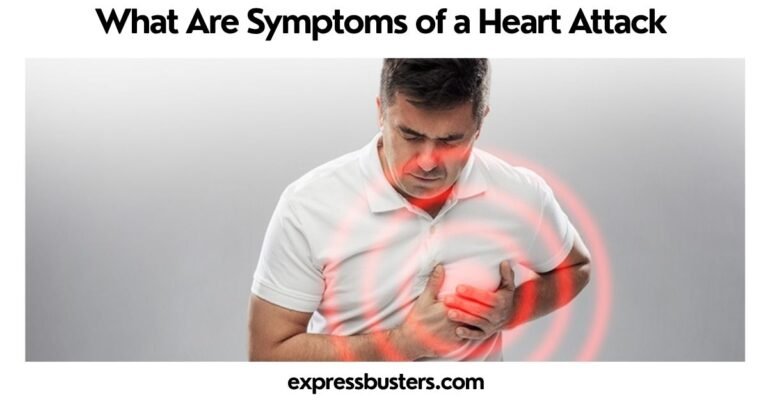
Common heart attack symptoms include:
- Chest pain or pressure
- Pain in the arm, jaw, neck, or back
- Shortness of breath
- Sweating
- Nausea
- Dizziness
- Sudden fatigue
Some people have severe symptoms. Others have mild warning signs.
Women, older adults, and people with diabetes may have unusual symptoms.
Aspirin does not cure a heart attack. However, it may help slow clot growth while emergency medical care is on the way.
That is why understanding which aspirin is best for heart attack emergencies is so important.
How Aspirin Helps During a Heart Attack
Aspirin is a medicine that reduces the ability of blood platelets to stick together.
Platelets are tiny blood cells that help form clots.
Also Read: What Is a Widow Maker Heart Attack? Symptoms, Causes, Survival Rate, and Prevention
During a heart attack, clot formation can become dangerous because the clot may completely block blood flow to the heart.
Aspirin helps by making platelets less sticky. This may reduce clot growth and help blood continue moving through the artery.
Doctors often use aspirin as part of emergency heart attack treatment.
Research has shown that early aspirin use during a suspected heart attack may lower the risk of death in some patients when used correctly and quickly.
However, aspirin is not safe for everyone.
People with aspirin allergies, active bleeding, certain stomach conditions, or bleeding disorders may need different treatment.
That is why calling 911 immediately is always the first step.
Which Aspirin Is Best for Heart Attack?
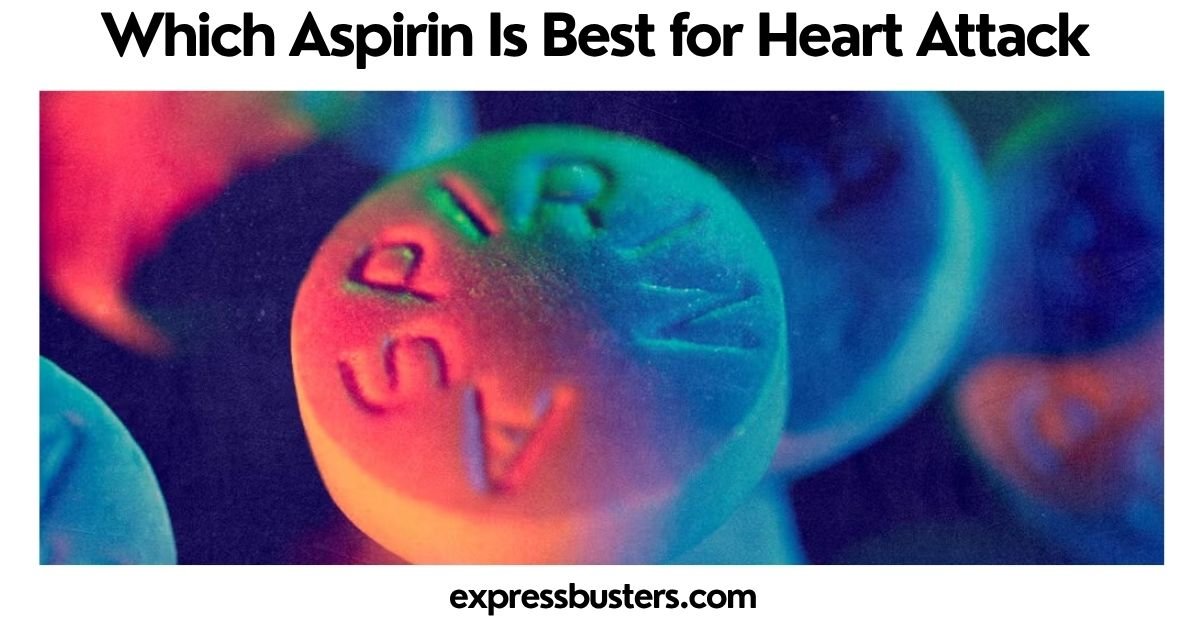
The best aspirin for a suspected heart attack is usually:
- Regular, non-enteric-coated aspirin
- Chewable aspirin
- Fast-acting aspirin
- 162 mg to 325 mg total dose
Most emergency medical experts recommend chewable, non-coated aspirin because it works faster.
When aspirin is chewed, the medicine enters the bloodstream more quickly.
This matters during a heart attack because every minute counts.
Chewable aspirin is often considered the best option in an emergency because the body absorbs it faster than coated tablets.
If chewable aspirin is not available, a regular aspirin tablet may still be used.
The key is chewing it instead of swallowing it whole.
Why Non-Coated Aspirin Is Usually Better
Many people keep enteric-coated aspirin at home because it is designed to reduce stomach irritation.
Enteric-coated aspirin has a special coating that prevents the tablet from dissolving in the stomach.
Instead, it dissolves later in the intestines.
That delay may be helpful for long-term use in some people, but it is not ideal during a heart attack emergency.
During a suspected heart attack, fast action is critical.
Non-coated aspirin works faster because it starts dissolving quickly.
Chewing a non-coated tablet helps the body absorb the medicine rapidly.
That is why many heart experts recommend:
- Non-enteric-coated aspirin
- Chewable aspirin
- Immediate chewing during symptoms
If coated aspirin is the only type available, emergency experts still say it may be better than taking nothing, but it may act more slowly.
Which Aspirin Brand Is Best for Heart Attack?
Many people ask which aspirin brand is best for heart attack emergencies.
The truth is that the brand usually matters less than the type of aspirin.
The most important factors are:
- Non-coated formula
- Chewable option
- Correct dosage
- Quick absorption
Several popular aspirin brands are commonly used in the United States.
These include:
- Bayer Aspirin
- St. Joseph Aspirin
- CVS Aspirin
- Walgreens Aspirin
- Ecotrin
- Rite Aid Aspirin
Bayer chewable aspirin is one of the most recognized emergency aspirin products in the U.S. because it is widely available and commonly used in emergency heart care.
However, generic aspirin products with the same active ingredient may work similarly.
The active ingredient is what matters most.
For a suspected heart attack, many doctors recommend:
- 325 mg regular aspirin
- Or four 81 mg baby aspirin tablets chewed together
Chewable versions are often preferred because they dissolve faster.
Is Baby Aspirin Good for a Heart Attack?
Yes, baby aspirin can be used during a suspected heart attack.
Baby aspirin usually contains 81 mg of aspirin.
Emergency recommendations often suggest taking:
- Two to four baby aspirin tablets
- Totaling 162 mg to 324 mg
The tablets should usually be chewed for faster absorption.
Many people already keep baby aspirin at home because doctors sometimes recommend it for long-term heart health management.
Baby aspirin may be easier to chew and swallow during an emergency.
It can also work quickly when chewed.
However, the total dose matters.
Taking only one baby aspirin tablet may not provide the same emergency effect as the recommended amount.
Should You Chew or Swallow Aspirin During a Heart Attack?
Chewing aspirin is generally recommended during a suspected heart attack.
Chewing helps the medicine enter the bloodstream faster.
When swallowed whole, aspirin takes longer to dissolve.
Time is critical during a heart attack.
That is why emergency responders and heart organizations often recommend chewing aspirin rather than swallowing it.
The ideal emergency approach is usually:
- Call 911 immediately
- Sit down and stay calm
- Chew aspirin if advised and if there is no allergy or bleeding risk
- Wait for emergency medical professionals
Do not drive yourself to the hospital if possible.
Updated Heart Attack Aspirin Recommendations
Modern heart attack recommendations have become more careful in recent years.
In the past, people were often told to take aspirin anytime chest pain appeared.
Today, experts are more cautious because not all chest pain is caused by a heart attack.
Some medical experts now recommend calling emergency services first before taking aspirin.
The reason is simple:
Some conditions can look like a heart attack but become more dangerous with aspirin.
Examples include:
- Internal bleeding
- Aortic dissection
- Hemorrhagic stroke
This does not mean aspirin is bad.
It means aspirin should be used carefully.
Current emergency recommendations generally support aspirin use during suspected heart attacks when:
- Symptoms strongly suggest a heart attack
- There is no known aspirin allergy
- There is no active bleeding
- Emergency medical care has been contacted
Who Should NOT Take Aspirin During a Heart Attack?
Aspirin is not safe for everyone.
Some people should avoid aspirin unless instructed by a healthcare professional.
People who may need to avoid aspirin include:
- People allergic to aspirin
- People with bleeding disorders
- People with active stomach bleeding
- People with severe ulcers
- People taking certain blood thinners
- People with a history of hemorrhagic stroke
- People told by doctors not to take aspirin
Children and teenagers should also avoid aspirin unless directed by a doctor because of the risk of Reye’s syndrome.
If you are unsure whether aspirin is safe, emergency medical dispatchers may guide you over the phone.
How Much Aspirin Should Be Taken for a Heart Attack?
Most emergency heart care guidance recommends:
- 162 mg to 325 mg aspirin
This can mean:
- One 325 mg regular aspirin tablet
- Two to four 81 mg baby aspirin tablets
The tablets are usually chewed instead of swallowed whole.
More aspirin is not always better.
Taking too much aspirin increases bleeding risk.
People should never exceed medical recommendations.
Why Aspirin Is Not Recommended for Everyone Every Day
Many people think daily aspirin is automatically good for heart health.
That is no longer true for everyone.
Years ago, doctors commonly recommended daily low-dose aspirin for many adults.
Today, recommendations have changed.
Research found that some people had more bleeding risks than heart benefits.
Daily aspirin may increase the risk of:
- Stomach bleeding
- Brain bleeding
- Ulcers
- Serious bleeding complications
Daily aspirin may still help some people, especially:
- People who already had a heart attack
- People with stents
- People with certain heart diseases
- Some stroke patients
But many healthy adults should not start daily aspirin without speaking to a doctor.
Which Aspirin Is Best for Heart Attack Prevention?
Heart attack prevention is different from emergency heart attack treatment.
For prevention, doctors often recommend:
- Low-dose aspirin
- 81 mg baby aspirin
But not everyone should use it.
The decision depends on:
- Age
- Bleeding risk
- Blood pressure
- Diabetes
- Smoking history
- Heart disease history
- Stroke risk
A doctor should decide whether daily aspirin is appropriate.
Self-starting aspirin therapy can be dangerous.
Which Aspirin Brand Is Best for Heart Attack Prevention?
For prevention, most major aspirin brands work similarly if they contain the same active ingredient.
People often choose:
- Bayer Low Dose Aspirin
- St. Joseph Low Dose Aspirin
- Generic baby aspirin
Some prefer enteric-coated tablets for stomach comfort.
Others use chewable low-dose aspirin.
The best option depends on the person’s stomach health, bleeding risk, and doctor’s advice.
Common Mistakes People Make With Aspirin and Heart Attacks
Many people misunderstand how aspirin should be used during emergencies.
Here are some common mistakes.
Waiting Too Long
Some people ignore symptoms for hours.
Heart attack treatment works best when started quickly.
Driving Instead of Calling 911
Emergency responders can begin treatment immediately.
Driving yourself may delay lifesaving care.
Swallowing Whole Tablets
Chewing aspirin usually works faster.
Taking Too Much Aspirin
Extra aspirin does not improve emergency outcomes and may increase bleeding risk.
Using Aspirin for Every Chest Pain Episode
Not all chest pain is a heart attack.
Some causes of chest pain require completely different treatment.
Taking Aspirin Despite Allergy History
Aspirin allergies can be dangerous.
Signs You Should Call 911 Immediately
Call emergency services immediately if you experience:
- Chest pressure lasting more than a few minutes
- Pain spreading to the arm or jaw
- Sudden shortness of breath
- Severe sweating
- Nausea with chest discomfort
- Sudden dizziness
- Extreme weakness
Women may experience additional symptoms such as:
- Back pain
- Fatigue
- Neck pain
- Indigestion-like discomfort
Do not ignore mild symptoms.
Some heart attacks begin slowly.
How Emergency Teams Use Aspirin in Hospitals
Aspirin remains a standard part of heart attack treatment in hospitals.
Emergency teams may give aspirin early during evaluation.
Doctors may combine aspirin with other medicines such as:
- Blood thinners
- Nitroglycerin
- Antiplatelet drugs
- Oxygen therapy
Some patients also need:
- Cardiac catheterization
- Stent placement
- Surgery
Aspirin alone is not enough to fully treat a heart attack.
Professional medical care is essential.
Is Enteric-Coated Aspirin Bad for Heart Attacks?
Enteric-coated aspirin is not bad.
It simply works more slowly.
The coating delays absorption.
During emergencies, speed matters.
That is why non-coated aspirin is usually preferred.
If enteric-coated aspirin is the only option available, many experts still recommend chewing it during suspected heart attack symptoms.
Chewing may help break the coating.
Is Chewable Aspirin Better Than Tablets?
Chewable aspirin is often considered better for emergency use because:
- It dissolves faster
- It absorbs faster
- It is easier to take quickly
This is why many emergency kits include chewable aspirin.
Chewable aspirin is commonly used by:
- Emergency responders
- Heart patients
- High-risk adults
- Travelers
Can Aspirin Stop a Heart Attack?
No.
Aspirin does not stop a heart attack.
It may help reduce clot growth and lower damage while waiting for emergency treatment.
Aspirin is only one part of emergency care.
Rapid medical treatment remains the most important factor.
How Fast Does Aspirin Work During a Heart Attack?
Chewed aspirin may begin working within minutes.
Chewing speeds absorption.
Regular swallowed tablets usually take longer.
Enteric-coated tablets may take even longer.
This is why emergency recommendations often focus on chewing aspirin.
Should You Keep Aspirin at Home?
Many heart experts believe adults at higher risk of heart disease should discuss emergency aspirin planning with their doctor.
Some people keep:
- Chewable aspirin
- Baby aspirin
- Emergency contact information
in easy-to-access locations.
People with a history of heart disease may also carry aspirin while traveling.
However, aspirin planning should be discussed with a healthcare provider.
Best Emergency Steps During a Suspected Heart Attack
If you think someone may be having a heart attack:
- Call 911 immediately
- Keep the person calm
- Have them sit down
- Loosen tight clothing
- Ask about aspirin allergies
- Give chewable aspirin if medically appropriate
- Wait for emergency responders
Do not delay emergency care.
Aspirin and Women’s Heart Health
Women often experience different heart attack symptoms than men.
Some women do not feel severe chest pain.
Instead, they may feel:
- Sudden fatigue
- Jaw discomfort
- Back pain
- Nausea
- Pressure in the chest
Because symptoms may appear milder, women sometimes delay treatment.
That delay can increase heart damage.
Understanding warning signs is extremely important.
Aspirin and Older Adults
Older adults have a higher bleeding risk.
This is one reason doctors became more cautious about daily aspirin recommendations.
Adults over 70 should never start daily aspirin without medical advice.
Emergency aspirin use during a suspected heart attack may still be appropriate in many cases, but personal medical history matters.
Aspirin and Blood Thinners
People taking blood thinners should speak with doctors about emergency aspirin plans.
Combining aspirin with other blood-thinning medicines may increase bleeding risk.
Examples include:
- Warfarin
- Eliquis
- Xarelto
- Pradaxa
Never assume aspirin is automatically safe with these medicines.
Natural Alternatives to Aspirin
Some people search for natural blood thinners instead of aspirin.
Examples include:
- Fish oil
- Garlic
- Turmeric
- Ginger
However, these are not emergency heart attack treatments.
They should never replace emergency medical care.
Aspirin remains one of the most studied emergency heart medications.
The Future of Emergency Aspirin Treatment
Researchers continue studying faster ways to deliver aspirin during heart attacks.
New technologies may improve absorption speed in the future.
Scientists are also studying:
- Dissolvable aspirin products
- Sublingual aspirin forms
- Faster platelet-blocking medicines
However, standard aspirin remains widely used today because it is inexpensive, available, and familiar to emergency teams.
Final Thoughts
So, which aspirin is best for heart attack emergencies?
For most suspected heart attack situations, experts generally recommend:
- Non-enteric-coated aspirin
- Chewable aspirin
- Fast-acting aspirin
- 162 mg to 325 mg total dose
Many people also ask which aspirin brand is best for heart attack situations.
Well-known brands like Bayer are commonly used, but generic aspirin products with the same active ingredient may work similarly.
The most important factor is rapid absorption.
Chewing aspirin helps it work faster.
But remember:
Aspirin is not a replacement for emergency medical care.
Always call 911 immediately during suspected heart attack symptoms.
Modern medical guidance also reminds people not to start daily aspirin therapy without speaking to a healthcare provider.
For some people, the bleeding risks may outweigh the heart benefits.
Understanding how aspirin works, who should use it, and when it should be avoided can help people make safer decisions during emergencies.
Frequently Asked Questions
Can aspirin prevent a heart attack completely?
No. Aspirin cannot completely prevent heart attacks. It may reduce clot formation in some people, but healthy lifestyle habits and medical care remain essential.
Which aspirin is best for heart attack emergencies?
Chewable, non-enteric-coated aspirin is generally considered the best option because it works faster.
Which aspirin brand is best for heart attack situations?
Popular brands like Bayer are widely recognized, but generic aspirin with the same active ingredient may also work effectively.
How many baby aspirin should you take during a heart attack?
Emergency recommendations commonly suggest two to four 81 mg baby aspirin tablets, depending on medical guidance.
Is coated aspirin bad during a heart attack?
No. It simply absorbs more slowly. Non-coated aspirin is usually preferred for emergencies.
Should aspirin be chewed during a heart attack?
Yes. Chewing aspirin helps it absorb faster.
Can aspirin dissolve blood clots?
Aspirin does not dissolve clots directly. It helps prevent platelets from sticking together and forming larger clots.
Can you take aspirin every day for heart health?
Not everyone should take daily aspirin. A doctor should decide based on personal risk factors.
What if you are allergic to aspirin?
Do not take aspirin if you have a known allergy unless instructed by a medical professional.
Is baby aspirin the same as regular aspirin?
The active ingredient is the same, but baby aspirin contains a smaller dose.
Can young adults have heart attacks?
Yes. Although heart attacks are more common in older adults, younger adults can also experience them.
What should you do first during a heart attack?
Call 911 immediately. Emergency medical treatment should never be delayed.
Can aspirin help strokes too?
Aspirin may help certain clot-related strokes, but it can worsen bleeding strokes. Emergency medical evaluation is necessary.
Is chewable aspirin better than regular tablets?
Chewable aspirin usually works faster because it dissolves more quickly.
Should everyone keep aspirin at home?
People at higher heart risk may benefit from discussing emergency aspirin planning with their doctor.
Conclusion
Understanding which aspirin is best for heart attack emergencies can help people respond faster during life-threatening situations.
Current medical guidance generally supports using chewable, non-coated aspirin because it works quickly and may help reduce clot growth while waiting for emergency care.
Many people also want to know which aspirin brand is best for heart attack situations. While major brands are trusted and widely used, the most important factor is choosing the correct type of aspirin and using it properly.
Most importantly, aspirin should never replace emergency medical care.
Heart attack symptoms should always be treated seriously.
Quick action, calling 911, and receiving professional treatment remain the most important steps for survival and recovery.