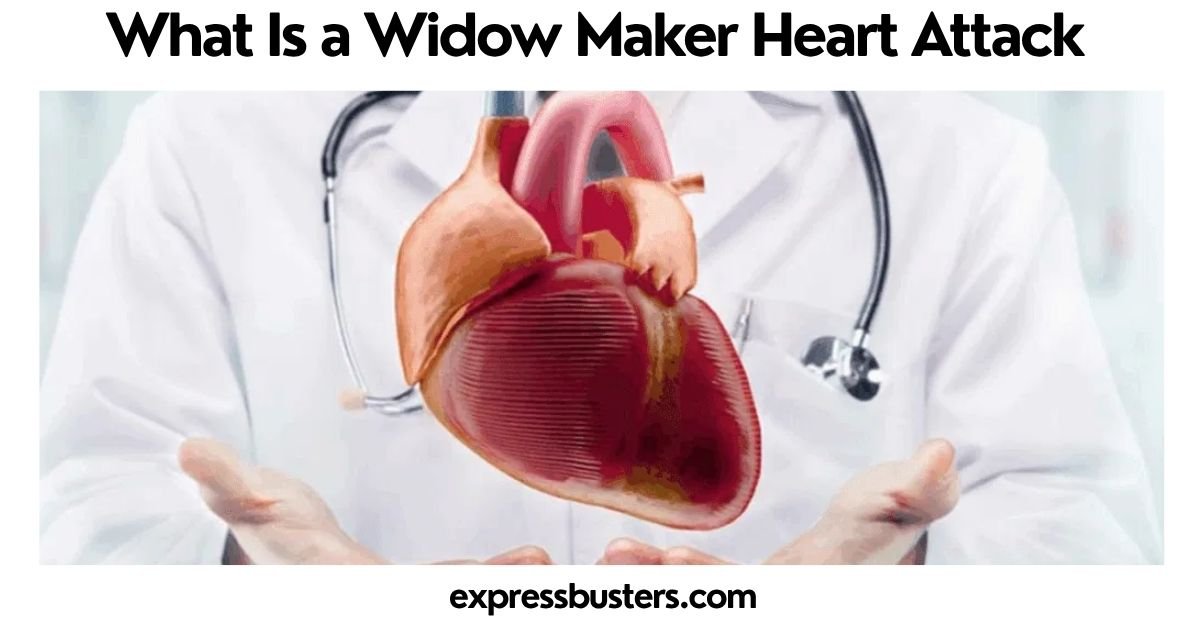
What Is a Widow Maker Heart Attack? Symptoms, Causes, Survival Rate, and Prevention
A widow maker heart attack is one of the most dangerous and life-threatening types of heart attacks. Many people have heard the term before, but they may not fully understand what it means, why it happens, or how it can be prevented. Learning about this condition can help save lives because early treatment often makes the difference between survival and death.
If you are asking, “what is a widow maker heart attack,” this complete guide explains everything in simple language. You will learn the warning signs, causes, risk factors, treatment options, survival rates, recovery process, and ways to reduce your risk.
This article is designed for easy reading and includes expert-level information written in a clear and practical way.
What Is a Widow Maker Heart Attack?
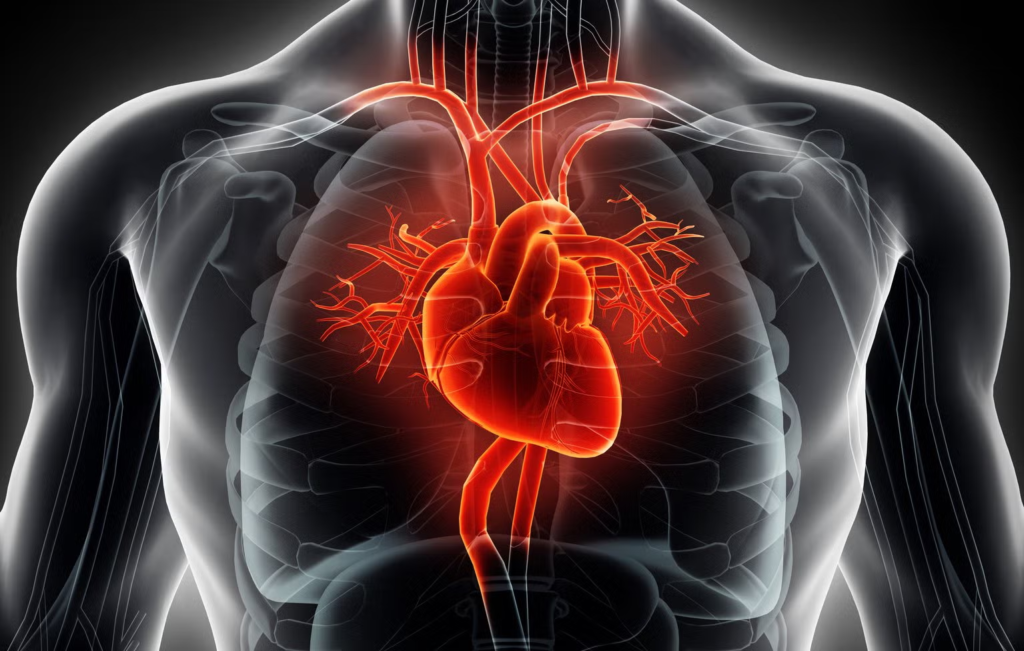
A widow maker heart attack happens when there is a severe blockage in the left anterior descending artery, also called the LAD artery. This artery supplies a large amount of blood to the front part of the heart.
When this artery becomes fully blocked or almost fully blocked, blood flow to a major section of the heart stops. Without oxygen-rich blood, heart muscle cells begin to die quickly.
The reason it is called a “widow maker” is because this type of heart attack has a high risk of sudden death if treatment is delayed.
Many people searching for “what is a widow-maker heart attack” are surprised to learn that it can happen suddenly, sometimes without warning. In some cases, people mistake the symptoms for heartburn, stress, fatigue, or muscle pain.
A widow maker heart attack is considered a medical emergency. Immediate treatment is critical.
What Is Considered a Widow Maker Heart Attack?
Many people ask, “what is considered a widow maker heart attack?”
Doctors use this term when there is a major blockage in the LAD artery, especially near the beginning of the artery. This area is extremely important because it provides blood to a large part of the heart muscle.
If the blockage is severe, the heart may stop pumping effectively within minutes.
The condition can happen because of:
- Cholesterol plaque buildup
- Blood clots
- Coronary artery disease
- Artery spasms
- Severe narrowing of the artery
Some widow maker heart attacks involve a complete blockage. Others involve a partial blockage that becomes worse over time.
People sometimes survive because the blockage is treated quickly or because smaller blood vessels develop to help blood flow around the blockage.
What Type of Heart Attack Is a Widow Maker?
People often wonder, “what type of heart attack is a widow maker?”
A widow maker is usually a type of ST-elevation myocardial infarction, commonly called a STEMI heart attack.
A STEMI is one of the most serious forms of heart attack because it involves a complete interruption of blood flow.
During this event:
- Heart tissue begins dying rapidly
- The heart may beat irregularly
- The heart may stop suddenly
- Permanent damage can occur within a short time
This is why emergency treatment is necessary.
Doctors use tests like electrocardiograms, blood tests, and imaging scans to confirm the diagnosis.
What Is a Heart Attack Widow Maker and Why Is It So Dangerous?
A heart attack widow maker is dangerous because it affects one of the heart’s most important arteries.
The LAD artery is sometimes called the “main artery of the heart.” If it becomes blocked, a large area of the heart loses oxygen.
This can lead to:
- Cardiac arrest
- Heart failure
- Dangerous heart rhythms
- Severe heart muscle damage
- Sudden death
Unlike smaller heart attacks, widow maker heart attacks can become fatal very quickly.
Another reason this condition is dangerous is because symptoms are not always dramatic. Some people experience mild symptoms for days or weeks before the major blockage occurs.
How Common Is a Widow Maker Heart Attack?
Heart disease remains the leading cause of death in the United States.
A widow maker heart attack is less common than some other forms of heart attack, but it causes a large number of sudden cardiac deaths.
Men over age 45 and women over age 55 are at higher risk. However, younger adults can also experience this condition.
Doctors have seen increasing numbers of younger adults with heart disease because of:
- Obesity
- Smoking
- Diabetes
- High stress levels
- Poor diet
- Lack of exercise
Many people who suffer a widow maker heart attack did not know they had severe artery disease.
Main Causes of a Widow Maker Heart Attack
Understanding the causes can help lower the risk.
Coronary Artery Disease
The most common cause is coronary artery disease.
This happens when fatty deposits called plaque build up inside the arteries.
Over time, plaque narrows the arteries and limits blood flow.
If plaque ruptures, a blood clot may form and completely block the artery.
High Cholesterol
High LDL cholesterol contributes to plaque buildup.
Too much cholesterol in the blood can damage artery walls.
High Blood Pressure
High blood pressure places extra stress on blood vessels.
Over time, this damage increases the risk of blockages.
Smoking
Smoking damages artery walls and reduces oxygen in the blood.
It also increases blood clot risk.
Diabetes
High blood sugar damages blood vessels and increases inflammation.
People with diabetes are more likely to develop severe heart disease.
Obesity
Excess body weight increases strain on the heart.
It is also linked to high cholesterol, diabetes, and high blood pressure.
Family History
Genetics can play a role.
People with a family history of early heart disease may face a higher risk.
Stress
Chronic stress may raise blood pressure and increase inflammation.
Stress can also contribute to unhealthy habits like overeating and smoking.
Widow Maker Heart Attack Symptoms
Recognizing symptoms early can save lives.
Not everyone experiences the same warning signs.
Some people have sudden severe symptoms, while others notice mild symptoms that slowly worsen.
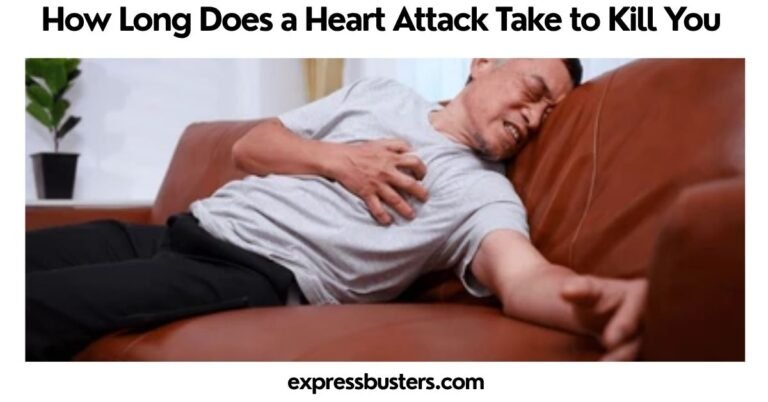
Chest Pain or Pressure
This is the most common symptom.
Many people describe it as:
- Tightness
- Pressure
- Burning
- Crushing pain
- Fullness in the chest
The pain often lasts several minutes.
Pain in Other Areas
Pain may spread to:
- Left arm
- Both arms
- Jaw
- Neck
- Back
- Shoulders
Shortness of Breath
Difficulty breathing may occur before or during chest pain.
Sweating
Cold sweating is common during a major heart attack.
Nausea or Vomiting
Some people experience stomach discomfort.
Women are more likely to have these symptoms.
Dizziness or Lightheadedness
Reduced blood flow may cause fainting or weakness.
Extreme Fatigue
Unusual tiredness may appear days before the event.
This is especially common in women.
Widow Maker Heart Attack Symptoms in Women
Women often experience different symptoms than men.
This can delay treatment because symptoms may not seem heart-related.
Common symptoms in women include:
- Fatigue
- Nausea
- Upper back pain
- Jaw pain
- Shortness of breath
- Dizziness
- Mild chest discomfort
Many women describe the feeling as pressure or heaviness instead of severe pain.
Because symptoms can be subtle, women sometimes wait too long before seeking medical care.
Widow Maker Heart Attack Symptoms in Men
Men are more likely to experience classic symptoms such as:
- Severe chest pain
- Arm pain
- Sweating
- Sudden pressure in the chest
However, men can also have silent or mild symptoms.
Ignoring symptoms can be deadly.
Silent Widow Maker Heart Attacks
Some widow maker heart attacks happen with very mild symptoms.
These are sometimes called silent heart attacks.
A person may think they have:
- Acid reflux
- Indigestion
- Anxiety
- Muscle pain
- Exhaustion
Even though symptoms are mild, heart damage can still occur.
This is one reason regular health screenings are important.
Risk Factors for a Widow Maker Heart Attack
Several factors increase the risk.
Age
Risk rises with age.
Smoking
Smoking is one of the biggest risk factors.
High Cholesterol
High cholesterol contributes to plaque buildup.
High Blood Pressure
This damages arteries over time.
Diabetes
Diabetes greatly increases heart disease risk.
Obesity
Excess weight strains the heart.
Lack of Exercise
Physical inactivity weakens cardiovascular health.
Poor Diet
Diets high in sugar, sodium, and unhealthy fats increase risk.
Stress
Long-term stress affects heart health.
Sleep Problems
Poor sleep and sleep apnea are linked to heart disease.
How Doctors Diagnose a Widow Maker Heart Attack
Fast diagnosis is critical.
Doctors use several tests.
ALso Read: How Can You Tell If You Have a Heart Attack? Signs, Symptoms, Causes, and What to Do Right Away
Electrocardiogram
An electrocardiogram measures electrical activity in the heart.
It helps identify abnormal heart rhythms and signs of a STEMI heart attack.
Blood Tests
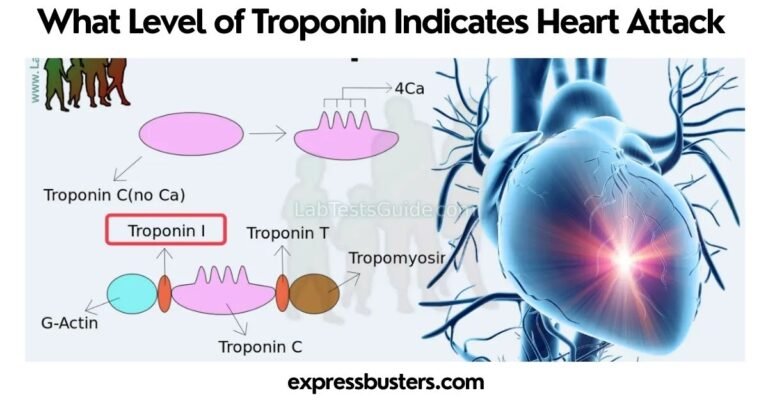
Heart muscle damage releases proteins into the blood.
Doctors measure these markers to confirm a heart attack.
Coronary Angiography
This imaging test shows blocked arteries.
Doctors insert dye into blood vessels to locate the blockage.
Echocardiogram
An echocardiogram uses sound waves to check heart function.
CT Scans
Some patients receive advanced imaging to examine arteries.
Emergency Treatment for a Widow Maker Heart Attack
Immediate treatment can restore blood flow and save heart muscle.
Call 911 Immediately
Do not drive yourself to the hospital if symptoms are severe.
Emergency teams can begin treatment during transport.
Aspirin
Chewing aspirin may help reduce blood clotting.
However, a person should follow medical guidance.
Oxygen Therapy
Some patients receive oxygen if oxygen levels are low.
Medications
Doctors may use:
- Blood thinners
- Clot-busting drugs
- Nitroglycerin
- Pain relievers
- Medications to stabilize heart rhythm
Angioplasty and Stents
One of the most common treatments is angioplasty.
Doctors insert a small balloon to open the blocked artery.
A stent is often placed to keep the artery open.
Bypass Surgery
Some patients need coronary artery bypass surgery.
Surgeons create a new path for blood flow around blocked arteries.
Widow Maker Heart Attack Survival Rate
Many people assume a widow maker heart attack is always fatal.
That is not true.
Survival rates have improved because of:
- Faster emergency response
- Better treatments
- Improved heart procedures
- Public awareness
However, survival depends heavily on how quickly treatment begins.
The longer blood flow is blocked, the greater the heart damage.
Some people survive with little long-term damage, while others develop serious complications.
Complications After a Widow Maker Heart Attack
Even survivors may face long-term health issues.
Heart Failure
Damaged heart muscle may weaken the heart’s pumping ability.
Arrhythmias
Irregular heartbeats can occur after heart damage.
Cardiac Arrest
Severe rhythm problems can cause sudden cardiac arrest.
Depression and Anxiety
Many survivors experience emotional challenges.
Fear of another heart attack is common.
Reduced Physical Ability
Some people tire more easily after a heart attack.
Recovery After a Widow Maker Heart Attack
Recovery can take weeks or months.
Every person heals differently.
Cardiac Rehabilitation
Cardiac rehab programs help patients recover safely.
These programs include:
- Exercise training
- Nutrition guidance
- Stress management
- Heart health education
Lifestyle Changes
Healthy habits are important after recovery.
Medication Management
Patients may need medications long term.
These can include:
- Blood pressure medicine
- Cholesterol-lowering drugs
- Blood thinners
- Beta blockers
Emotional Support
Mental health care is also important.
Support groups and counseling may help.
Can a Widow Maker Heart Attack Be Prevented?
Many cases can be prevented with healthy lifestyle changes.
Eat a Heart-Healthy Diet
Focus on:
- Fruits
- Vegetables
- Whole grains
- Lean proteins
- Healthy fats
Limit:
- Processed foods
- Sugary drinks
- Excess salt
- Fried foods
Exercise Regularly
Physical activity strengthens the heart.
Aim for regular moderate exercise.
Stop Smoking
Quitting smoking dramatically lowers risk.
Control Blood Pressure
Regular monitoring is important.
Manage Cholesterol
Healthy eating and medications can help.
Control Diabetes
Stable blood sugar protects blood vessels.
Maintain a Healthy Weight
Weight management supports heart health.
Reduce Stress
Stress management techniques may improve heart health.
Get Regular Checkups
Routine exams can detect early problems.
Foods That Help Lower Heart Attack Risk
Diet plays a major role in heart health.
Helpful foods include:
- Salmon
- Oats
- Nuts
- Beans
- Olive oil
- Berries
- Spinach
- Avocados
These foods support healthy cholesterol levels and reduce inflammation.
Foods That Increase Heart Attack Risk
Certain foods may contribute to artery disease.
These include:
- Processed meats
- Sugary desserts
- Fast food
- Fried foods
- Highly processed snacks
- Foods high in trans fats
Eating these foods often may increase heart disease risk.
Exercise and Heart Health
Exercise improves circulation and strengthens the heart.
Good options include:
- Walking
- Cycling
- Swimming
- Light jogging
- Strength training
People recovering from a heart attack should follow medical advice before starting exercise.
Stress and Widow Maker Heart Attacks
Stress affects both physical and mental health.
Long-term stress may increase:
- Blood pressure
- Inflammation
- Smoking habits
- Overeating
- Poor sleep
Managing stress can help protect the heart.
Helpful methods include:
- Meditation
- Deep breathing
- Exercise
- Therapy
- Better sleep habits
Sleep and Heart Disease
Poor sleep is linked to cardiovascular disease.
Adults should aim for healthy sleep habits.
Sleep apnea is especially dangerous because it reduces oxygen during sleep.
Untreated sleep apnea increases heart attack risk.
The Link Between Diabetes and Widow Maker Heart Attacks
Diabetes damages blood vessels over time.
People with diabetes often develop artery disease earlier than others.
Keeping blood sugar controlled is very important.
Also Read: How to Prevent Heart Attack: Complete Guide to Protect Your Heart Naturally
Regular doctor visits and healthy lifestyle choices can reduce complications.
Why Younger Adults Are Having More Heart Attacks
Heart attacks are increasing among younger adults.
Experts believe several factors are responsible.
Poor Diet
Many younger adults consume large amounts of processed foods.
Smoking and Vaping
Nicotine damages blood vessels.
Chronic Stress
Financial pressure and work stress may affect heart health.
Lack of Exercise
Sedentary lifestyles increase obesity and diabetes risk.
Undiagnosed Health Problems
Some younger adults do not know they have high blood pressure or high cholesterol.
Widow Maker Heart Attack vs Regular Heart Attack
Not all heart attacks are widow makers.
The biggest difference is the artery involved.
A widow maker affects the LAD artery, which supplies blood to a large section of the heart.
Smaller heart attacks may involve less critical arteries.
This does not mean other heart attacks are safe.
All heart attacks require immediate treatment.
Can You Survive a Widow Maker Heart Attack?
Yes, many people survive.
Quick treatment is the key.
Some survivors return to normal life after recovery.
Others may need long-term treatment and lifestyle changes.
Stories of survival often highlight how important it is to recognize symptoms early.
Warning Signs You Should Never Ignore
Seek emergency medical help if you experience:
- Chest pressure lasting more than a few minutes
- Pain spreading to the arm or jaw
- Sudden shortness of breath
- Unexplained sweating
- Severe dizziness
- Sudden nausea with chest discomfort
Never ignore symptoms because they seem mild.
How Fast Treatment Saves Heart Muscle
Doctors often say, “time is muscle.”
This means every minute matters during a heart attack.
When blood flow returns quickly, more heart tissue survives.
Delayed treatment increases permanent damage.
This is why calling emergency services immediately is so important.
Medical Advances Improving Survival
Modern medicine has greatly improved outcomes.
Today’s treatments include:
- Faster artery-opening procedures
- Better emergency care
- Improved medications
- Advanced imaging technology
- Better rehabilitation programs
These advances have helped save many lives.
Emotional Recovery After a Heart Attack
The emotional side of recovery is often overlooked.
Many survivors experience:
- Anxiety
- Fear
- Depression
- Sleep problems
- Stress about future health
Talking with doctors, counselors, or support groups can help.
Mental health support is an important part of recovery.
Important Questions to Ask Your Doctor
If you have risk factors or symptoms, ask your doctor:
- What is my heart disease risk?
- Should I have cholesterol testing?
- Is my blood pressure healthy?
- Do I need imaging tests?
- What lifestyle changes should I make?
- What exercise is safe for me?
Open communication helps improve prevention and treatment.
Common Myths About Widow Maker Heart Attacks
Only Older Men Have Heart Attacks
Women and younger adults can also experience widow maker heart attacks.
Heart Attacks Always Cause Severe Chest Pain
Some people have mild or unusual symptoms.
Healthy-Looking People Cannot Have Heart Disease
Even physically active people can develop artery blockages.
If Symptoms Go Away, Everything Is Fine
Temporary symptoms can still signal a serious problem.
The Future of Heart Attack Prevention
Researchers continue studying better ways to prevent heart disease.
Future advances may include:
- Improved genetic testing
- Better cholesterol treatments
- Artificial intelligence for early detection
- Personalized medicine
- Advanced imaging methods
Early detection remains one of the most important tools.
Final Thoughts on What Is a Widow Maker Heart Attack
Understanding what is a widow maker heart attack can help people recognize symptoms quickly and take action before it is too late.
A widow maker heart attack is one of the most dangerous forms of heart attack because it blocks blood flow in the LAD artery. Without fast treatment, serious heart damage or sudden death can occur.
The good news is that many cases are preventable.
Healthy habits, regular medical care, and early treatment can greatly reduce the risk.
Learning the warning signs may save your life or the life of someone you love.
Never ignore symptoms such as chest pain, shortness of breath, sudden fatigue, dizziness, or pain spreading to the arm or jaw.
When it comes to heart attacks, fast action matters.
Frequently Asked Questions About Widow Maker Heart Attacks
Is a widow maker heart attack always fatal?
No. Many people survive if they receive fast medical treatment.
What is the first sign of a widow maker heart attack?
Chest pressure or discomfort is common, but symptoms vary.
Can healthy people have a widow maker heart attack?
Yes. Even people who appear healthy can have hidden artery disease.
How long can symptoms last before a widow maker heart attack?
Some people notice symptoms for days or weeks before a major event.
Can stress cause a widow maker heart attack?
Stress alone may not directly cause it, but it can increase risk factors.
What age do widow maker heart attacks happen?
They are more common after age 45 in men and after age 55 in women, but younger adults can also be affected.
Is exercise safe after a widow maker heart attack?
Yes, but patients should follow medical advice and cardiac rehabilitation plans.
Can women have silent widow maker heart attacks?
Yes. Women often experience mild or unusual symptoms.
Does high cholesterol always cause a widow maker heart attack?
High cholesterol increases risk, but multiple factors contribute.
Can you fully recover from a widow maker heart attack?
Some people recover very well, especially with fast treatment and healthy lifestyle changes.
What should you do if someone has heart attack symptoms?
Call 911 immediately and seek emergency medical help.
Are widow maker heart attacks hereditary?
Family history can increase risk, but lifestyle also plays a major role.
Can anxiety feel like a widow maker heart attack?
Yes. Anxiety and heart attacks can share symptoms. However, chest pain should never be ignored.
Is the LAD artery the most important heart artery?
It is one of the most critical arteries because it supplies blood to a large portion of the heart.
Can regular checkups prevent widow maker heart attacks?
Regular screenings can help identify risk factors early and improve prevention.