Can a Heart Attack Last for Days? Symptoms, Warning Signs, and What You Need to Know
Many people imagine a heart attack as a sudden, dramatic event that strikes without warning. Movies often show someone clutching their chest and collapsing within seconds. While that can happen, real-life heart attacks are often much different.
A common question people ask is: can a heart attack last for days?
The answer may surprise you. Yes, a heart attack can involve symptoms that develop gradually and continue for hours or even days. While the actual damage to the heart muscle usually occurs over minutes or hours, warning signs and symptoms can appear long before the heart attack becomes severe.
Understanding how heart attacks work can help save lives. Recognizing the signs early and seeking medical care immediately may reduce heart damage and improve survival rates.
In this comprehensive guide, we’ll explore whether a heart attack can last for days, how symptoms develop, who is most at risk, and when to seek emergency help.
Can a Heart Attack Last for Days?
The short answer is yes.
If you’re wondering, can a heart attack last for days, the answer depends on what part of the process you’re referring to.
The actual blockage of blood flow that causes heart muscle damage often develops over minutes to several hours. However, symptoms can begin gradually and continue for days before a person realizes they are having a heart attack.
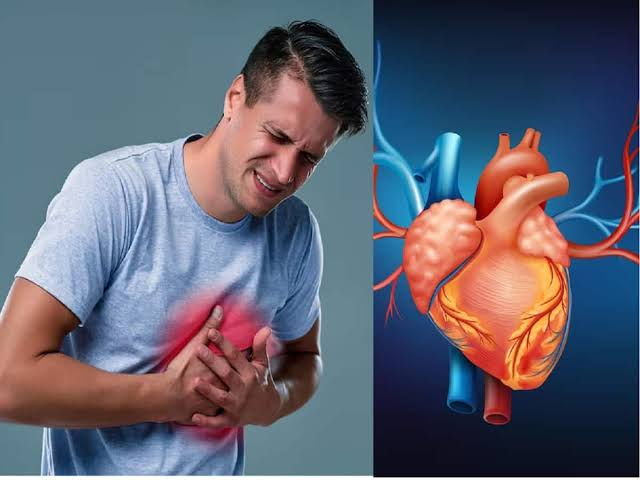
Some people experience warning signs for several days or even weeks before a major heart attack occurs. Others may have ongoing discomfort, fatigue, chest pressure, or shortness of breath that comes and goes.
This is especially common in:
- Women
- Older adults
- People with diabetes
- Individuals with existing heart disease
In these cases, the symptoms may not feel severe enough to trigger concern, causing dangerous delays in treatment.
Understanding What Happens During a Heart Attack
A heart attack, medically known as a myocardial infarction, occurs when blood flow to part of the heart becomes blocked.
This blockage is usually caused by:
- Fatty plaque buildup in the arteries
- A blood clot that forms over a ruptured plaque
- Severe narrowing of a coronary artery
When blood flow is reduced or stopped, the heart muscle begins to lose oxygen.
Without oxygen:
- Heart cells become damaged
- Heart tissue starts to die
- Permanent injury may occur
The longer the blockage remains untreated, the greater the damage to the heart.
That is why early recognition and treatment are critical.
Can a Heart Attack Symptoms Last for Days?
Yes, can a heart attack symptoms last for days is another common and important question.
Many heart attack victims report symptoms that started days before they sought treatment.
These symptoms may include:
- Mild chest discomfort
- Pressure in the chest
- Unusual fatigue
- Shortness of breath
- Nausea
- Dizziness
- Pain in the jaw or shoulder
The symptoms may appear and disappear repeatedly.
Some people assume they have:
- Heartburn
- Muscle strain
- Stress
- Indigestion
- Fatigue from work
Unfortunately, these assumptions can delay lifesaving treatment.
Why Heart Attack Symptoms Sometimes Last Several Days
Heart attacks do not always happen instantly.
In many cases, the blockage develops gradually.
Small blood clots may form and partially block blood flow. The clot may then dissolve somewhat before growing larger again.
This process can create symptoms that come and go over several days.
Doctors sometimes refer to this as:
- An evolving heart attack
- An impending heart attack
- Acute coronary syndrome
During this period, the heart is sending warning signals that should never be ignored.
Can a Heart Attack Last for 2 Days?
Yes, can a heart attack last for 2 days is possible in certain situations.
Some people experience ongoing symptoms for 48 hours or longer before seeking medical help.
Examples include:
- Chest pressure that comes and goes
- Repeated episodes of shortness of breath
- Fatigue that worsens over time
- Recurring discomfort in the arms, neck, or jaw
A person may not realize that these symptoms are related to the heart.
Instead, they may blame:
- Lack of sleep
- Stress
- Aging
- Digestive issues
Unfortunately, waiting two days can significantly increase heart damage.
If heart attack symptoms persist for any length of time, emergency medical evaluation is essential.
Can a Heart Attack Last for Several Days?
Another frequently searched question is can a heart attack last for several days.
The answer is yes.
Some heart attacks begin as a partial blockage that gradually becomes worse.
During this period, symptoms may continue for several days before a complete blockage occurs.
Research has shown that many patients remember experiencing warning signs days before their heart attack diagnosis.
These symptoms often include:
- Unusual tiredness
- Chest discomfort
- Sleep disturbances
- Anxiety
- Breathlessness
The body is often signaling that something is wrong long before a major cardiac event occurs.
Can Pain From a Heart Attack Last for Days?
Yes, can pain from a heart attack last for days is possible.
However, the pain is not always constant.
Heart attack pain may:
- Come and go
- Increase with physical activity
- Improve temporarily with rest
- Return unexpectedly
Many people expect severe crushing chest pain.
In reality, heart attack pain can feel like:
- Pressure
- Tightness
- Burning
- Fullness
- Aching
Some patients describe it as feeling like a heavy object sitting on their chest.
Others experience pain only in:
- The left arm
- Both arms
- Neck
- Jaw
- Back
- Upper abdomen
Because symptoms vary so much, many people fail to recognize the danger.
Signs That a Heart Attack May Be Developing
Recognizing early warning signs can save your life.
Common symptoms include:
Chest Discomfort
This is the most common symptom.
People often describe:
- Pressure
- Tightness
- Squeezing
- Fullness
- Pain
The discomfort may last several minutes or return repeatedly.
Also Read: What Is a Silent Heart Attack? Symptoms, Causes, Risks, and Prevention Guide
Shortness of Breath
Breathing may become difficult even without physical exertion.
This symptom may occur before chest pain appears.
Extreme Fatigue
Many heart attack patients report unusual exhaustion.
Simple activities may suddenly feel overwhelming.
Pain in Other Areas
Pain may spread to:
- Arms
- Shoulders
- Back
- Neck
- Jaw
This pain may come and go over several days.
Nausea and Stomach Discomfort
Heart attacks are often mistaken for digestive problems.
Some individuals experience:
- Nausea
- Vomiting
- Heartburn-like symptoms
- Upper abdominal pain
Cold Sweats
Unexpected sweating without physical activity can be a warning sign.
Dizziness
Reduced blood flow may lead to:
- Lightheadedness
- Weakness
- Fainting sensations
Heart Attack Symptoms in Women
Women often experience different symptoms than men.
These symptoms can be more subtle and easier to overlook.
Common signs include:
- Extreme fatigue
- Sleep problems
- Nausea
- Shortness of breath
- Back pain
- Jaw pain
- Anxiety
Women may not experience severe chest pain at all.
As a result, diagnosis is sometimes delayed.
Heart Attack Symptoms in Older Adults
Older adults frequently experience atypical symptoms.
These may include:
- Weakness
- Confusion
- Dizziness
- Fatigue
- Shortness of breath
Chest pain may be mild or absent.
Family members should pay attention to sudden changes in behavior or energy levels.
Heart Attack Symptoms in People With Diabetes
Diabetes can damage nerves and alter pain perception.
Because of this, some people experience what doctors call a silent heart attack.
Symptoms may include:
- Fatigue
- Sweating
- Breathlessness
- Weakness
- Mild discomfort
The lack of severe pain can make diagnosis difficult.
Types of Heart Attacks
Not all heart attacks are the same.
STEMI Heart Attack
This is the most severe form.
A major artery becomes completely blocked.
Immediate treatment is required.
NSTEMI Heart Attack
Blood flow is partially blocked.
Although less severe initially, it remains a medical emergency.
Symptoms may develop gradually.
Silent Heart Attack
Symptoms are minimal or unnoticed.
Many people discover they had one only during later testing.
Why Some People Ignore Symptoms for Days
Many heart attack victims wait too long before seeking help.
Common reasons include:
- Symptoms seem mild
- Fear of being wrong
- Busy schedules
- Assuming symptoms are indigestion
- Lack of awareness
Unfortunately, every hour matters.
Delayed treatment increases the risk of:
- Heart failure
- Permanent heart damage
- Abnormal heart rhythms
- Death
What to Do If You Think You’re Having a Heart Attack
Never wait to see if symptoms improve.
Call 911 immediately if you experience:
- Chest pressure
- Persistent chest pain
- Shortness of breath
- Pain spreading to the arm or jaw
- Sudden weakness
Do not drive yourself to the hospital.
Emergency responders can begin treatment immediately.
How Doctors Diagnose a Heart Attack
Healthcare providers use several tools.
Electrocardiogram (ECG)
Measures the electrical activity of the heart.
Blood Tests
Doctors check for proteins released when heart muscle is damaged.
Echocardiogram
Uses ultrasound to evaluate heart function.
Coronary Angiography
Allows doctors to identify blocked arteries.
Cardiac CT or MRI
Provides detailed images of heart structures.
Treatment Options for Heart Attacks
Treatment depends on the severity and timing of the attack.
Common treatments include:
Medications
Doctors may prescribe:
- Aspirin
- Blood thinners
- Beta-blockers
- Cholesterol medications
- Nitroglycerin
Angioplasty and Stenting
A balloon opens the blocked artery.
A stent helps keep it open.
Coronary Artery Bypass Surgery
Creates a new pathway for blood flow around blocked arteries.
Recovery After a Heart Attack
Recovery can take weeks or months.
Important recovery steps include:
- Taking medications as prescribed
- Attending cardiac rehabilitation
- Exercising safely
- Eating a heart-healthy diet
- Managing stress
- Avoiding smoking
Many people return to normal activities after proper treatment and rehabilitation.
How to Reduce Your Risk of Heart Attack
Prevention remains the best strategy.
Healthy habits include:
Maintain a Healthy Weight
Excess weight increases strain on the heart.
Exercise Regularly
Aim for at least 150 minutes of moderate activity weekly.
Control Blood Pressure
High blood pressure damages arteries.
Manage Cholesterol Levels
Healthy cholesterol levels reduce plaque buildup.
Stop Smoking
Smoking significantly increases heart attack risk.
Control Diabetes
Proper blood sugar management protects blood vessels.
Eat a Heart-Healthy Diet
Focus on:
- Fruits
- Vegetables
- Whole grains
- Lean proteins
- Healthy fats
Reduce Stress
Chronic stress may contribute to heart disease.
Common Myths About Heart Attacks
Myth: Heart Attacks Always Cause Severe Chest Pain
Reality: Symptoms may be mild or unusual.
Myth: Only Older People Have Heart Attacks
Reality: Heart attacks can occur at any age.
Myth: Symptoms Last Only a Few Minutes
Reality: Symptoms can continue for hours or days.
Myth: Women Have the Same Symptoms as Men
Reality: Women often experience different warning signs.
Myth: If Symptoms Go Away, You’re Safe
Reality: Symptoms that come and go can still indicate a serious heart problem.
Expert Insight: Why Timing Matters
One of the biggest misconceptions about heart attacks is that they are always sudden events.
In reality, many heart attacks provide warning signs before the most serious damage occurs.
The phrase “time is muscle” is often used by cardiologists because every minute of reduced blood flow can lead to additional heart muscle damage.
People who seek treatment early often have:
- Better survival rates
- Less heart damage
- Faster recovery
- Lower risk of future complications
This is why understanding whether a heart attack can last for days is so important.
Conclusion
So, can a heart attack last for days?
Yes. While the actual heart muscle injury often occurs over minutes or hours, symptoms can develop gradually and continue for days before a heart attack is diagnosed.
If you’ve wondered whether can a heart attack symptoms last for days, can pain from a heart attack last for days, can a heart attack last for 2 days, or can a heart attack last for several days, the answer is that warning signs and ongoing symptoms can absolutely persist over an extended period.
The most important message is simple: never ignore symptoms that could be related to your heart.
Chest discomfort, unusual fatigue, shortness of breath, jaw pain, arm pain, or unexplained weakness should always be taken seriously.
Quick medical attention can save your heart and may save your life.
Frequently Asked Questions
Can a heart attack happen while sleeping?
Yes. Heart attacks can occur during sleep. Some people wake up with chest pain, shortness of breath, or sweating.
Can anxiety feel like a heart attack?
Yes. Anxiety and panic attacks can mimic heart attack symptoms. However, because the symptoms are similar, medical evaluation is necessary.
Can you have multiple small heart attacks over several days?
Yes. Some individuals experience repeated episodes of reduced blood flow that may lead to multiple small heart attacks.
Is chest pain always present during a heart attack?
No. Some people experience fatigue, nausea, shortness of breath, or jaw pain without significant chest pain.
Can a heart attack stop on its own?
Symptoms may temporarily improve, but the underlying problem often remains. Medical evaluation is always necessary.
How long should I wait before seeking help for chest discomfort?
You should not wait. If chest discomfort lasts more than a few minutes or returns repeatedly, call 911 immediately.
Can dehydration cause symptoms similar to a heart attack?
Yes. Severe dehydration can cause dizziness, weakness, and chest discomfort. However, these symptoms should never be assumed to be harmless.
What is the difference between a heart attack and cardiac arrest?
A heart attack is a blockage of blood flow to the heart muscle. Cardiac arrest occurs when the heart suddenly stops beating effectively.
Can young adults have heart attacks?
Yes. Although risk increases with age, heart attacks can occur in younger adults, especially when risk factors are present.
Can lifestyle changes prevent most heart attacks?
Many heart attacks can be prevented through healthy eating, regular exercise, smoking cessation, blood pressure control, and diabetes management.