How Many Beats Per Minute Is a Heart Attack? Understanding Heart Rate, Warning Signs, and When to Seek Emergency Help
Many people search online for the answer to one important question: how many beats per minute is a heart attack?
It is a common question because heart rate is one of the easiest body measurements to check. Smartwatches, fitness trackers, and blood pressure monitors can all display heart rate within seconds. When people notice their heart beating unusually fast or slow, they often worry that they may be having a heart attack.
The truth is that there is no specific heart rate that automatically means a person is having a heart attack. A heart attack can happen when the heart rate is normal, fast, or even slow. While abnormal heart rates can sometimes be associated with heart attacks, they are not the only sign doctors use to diagnose one.
Understanding the relationship between heart rate and heart attacks can help you recognize warning signs early and know when to seek emergency medical attention. In this guide, we will explain everything you need to know about heart rate, heart attack symptoms, risk factors, and what to do in an emergency.
How Many Beats Per Minute Is a Heart Attack?
The direct answer is simple: there is no exact number of beats per minute that defines a heart attack.
A heart attack occurs when blood flow to part of the heart muscle becomes blocked. This blockage reduces oxygen delivery to the heart tissue, causing damage that can become permanent if treatment is delayed.
Because every person’s body responds differently, heart rate during a heart attack can vary significantly.

Some people may experience:
- A normal heart rate between 60 and 100 beats per minute
- A fast heart rate above 100 beats per minute
- A slow heart rate below 60 beats per minute
- An irregular heartbeat
This means that answering the question “how many beats per minute is a heart attack” requires understanding that heart attacks are diagnosed based on symptoms, medical tests, and heart function—not just heart rate.
Understanding Normal Heart Rate
Before discussing abnormal heart rates, it is important to understand what is considered normal.
For most healthy adults, a resting heart rate falls between 60 and 100 beats per minute.
Several factors affect heart rate, including:
- Age
- Physical fitness
- Stress levels
- Medications
- Caffeine intake
- Hydration
- Medical conditions
Athletes often have resting heart rates below 60 beats per minute because their hearts pump blood more efficiently.
A normal heart rate does not guarantee that a person is free from heart disease. Likewise, a slightly elevated heart rate does not automatically mean a heart attack is occurring.
Also Read: Can Insulin Overdose Cause a Heart Attack? A Complete Medical Guide
How Many Heart Beats Per Minute Is a Heart Attack? Common Misconceptions
One of the biggest misconceptions is that a heart attack always causes an extremely fast heartbeat.
Many people believe that if their heart rate rises to 120 or 150 beats per minute, they must be having a heart attack.
In reality, several other conditions can cause a rapid heartbeat, including:
- Anxiety attacks
- Panic attacks
- Exercise
- Fever
- Dehydration
- Certain medications
- Thyroid disorders
Similarly, some heart attacks cause a slower-than-normal heart rate.
This is why healthcare providers focus on the complete picture rather than one heart rate measurement.
Can a Fast Heart Rate Signal a Heart Attack?
A heart rate above 100 beats per minute is called tachycardia.
Tachycardia can occur during a heart attack because the body responds to stress, pain, and reduced blood flow by increasing heart activity.
Symptoms that may occur alongside tachycardia include:
- Chest pain
- Shortness of breath
- Sweating
- Dizziness
- Nausea
- Fatigue
However, tachycardia alone does not confirm a heart attack.
Millions of people experience temporary episodes of rapid heartbeat without having any serious heart problem.
Can a Slow Heart Rate Signal a Heart Attack?
A heart rate below 60 beats per minute is called bradycardia.
According to medical experts, bradycardia in non-athletes may indicate underlying heart conditions that can increase cardiovascular risks.
Some heart attacks affect the electrical system controlling the heartbeat. When this happens, the heart rate may slow down significantly.
Symptoms associated with bradycardia during a heart attack may include:
- Weakness
- Lightheadedness
- Confusion
- Fainting
- Chest discomfort
A slow heart rate combined with these symptoms requires immediate medical evaluation.
How Many Beats Per Minute Is Considered a Heart Attack?
Many people specifically ask, “how many beats per minute is considered a heart attack?”
Medical professionals do not use a specific BPM number to diagnose heart attacks.
Instead, diagnosis typically involves:
- Patient symptoms
- Electrocardiogram (ECG)
- Blood tests
- Physical examination
- Imaging studies
A person with a heart rate of 75 BPM can have a heart attack.
A person with a heart rate of 130 BPM may not be having a heart attack.
This distinction is extremely important because relying only on heart rate can delay lifesaving treatment.
What Happens to the Heart During a Heart Attack?
A heart attack occurs when a coronary artery becomes blocked.
The blockage prevents oxygen-rich blood from reaching part of the heart muscle.
Without oxygen, heart cells begin to die.
The process can cause:
- Chest pressure
- Heart rhythm changes
- Weakness
- Breathing difficulties
- Severe discomfort
The longer the blockage remains untreated, the greater the damage to the heart muscle.
This is why emergency treatment is critical.
Common Heart Attack Symptoms
Knowing the symptoms is often more important than focusing on heart rate alone.
Common warning signs include:
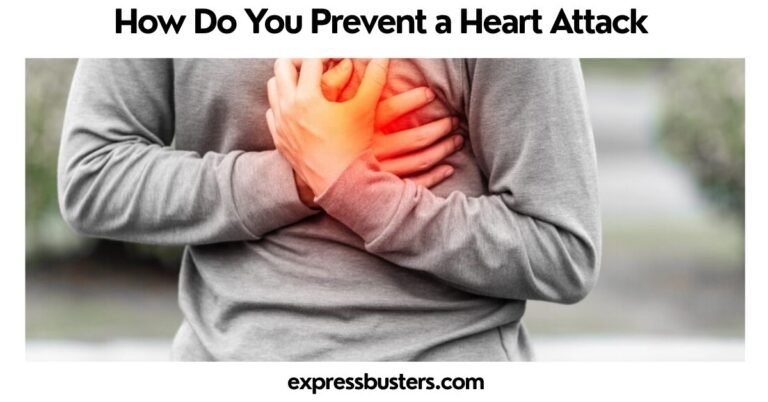
Chest Pain or Pressure
Most heart attacks cause discomfort in the center or left side of the chest.
People often describe the sensation as:
- Pressure
- Squeezing
- Fullness
- Burning
- Tightness
Shortness of Breath
Difficulty breathing can occur before, during, or after chest discomfort.
Pain in Other Areas
Pain may spread to:
- Arms
- Neck
- Jaw
- Back
- Shoulders
Cold Sweats
Unexpected sweating without physical activity may indicate a cardiac emergency.
Nausea and Vomiting
Digestive symptoms are particularly common in women experiencing heart attacks.
Extreme Fatigue
Unusual exhaustion may appear days or weeks before a heart attack.
Also Read: Can a Heart Attack Last for Days? Symptoms, Warning Signs, and What You Need to Know
Heart Attack Symptoms in Women
Women often experience different symptoms than men.
Instead of severe chest pain, women may report:
- Fatigue
- Nausea
- Shortness of breath
- Back pain
- Jaw pain
- Indigestion-like discomfort
Because symptoms can be subtle, women are sometimes diagnosed later than men.
Recognizing these signs can improve outcomes and save lives.
Heart Attack Symptoms in Men
Men more commonly experience classic symptoms such as:
- Crushing chest pain
- Arm pain
- Sweating
- Rapid heartbeat
- Shortness of breath
However, symptom patterns vary widely between individuals.
What Heart Rate Is Dangerous?
While there is no heart attack heart rate, certain heart rates may require urgent medical attention.
Seek immediate care if you experience:
- Heart rate above 100 BPM with chest pain
- Heart rate above 150 BPM at rest
- Heart rate below 50 BPM with symptoms
- Irregular heartbeat with dizziness
- Sudden changes in heart rhythm
The presence of symptoms is often more important than the actual number.
How Doctors Diagnose a Heart Attack
Healthcare professionals use several tools to confirm a heart attack.
Electrocardiogram (ECG)
An ECG records electrical activity in the heart.
It can reveal:
- Heart attacks
- Arrhythmias
- Electrical abnormalities
Blood Tests
Damaged heart muscle releases proteins called cardiac troponins.
Elevated troponin levels strongly suggest heart muscle injury.
Echocardiogram
This ultrasound test evaluates heart structure and pumping ability.
Coronary Angiography
Doctors use special imaging to identify blocked arteries.
Risk Factors for Heart Attacks
Several factors increase heart attack risk.
High Blood Pressure
High blood pressure damages artery walls over time.
High Cholesterol
Excess cholesterol contributes to plaque buildup.
Smoking
Smoking significantly increases cardiovascular risk.
Diabetes
Diabetes damages blood vessels and increases inflammation.
Obesity
Excess body weight places additional strain on the heart.
Family History
Genetics can influence cardiovascular risk.
Physical Inactivity
Lack of exercise weakens cardiovascular health.
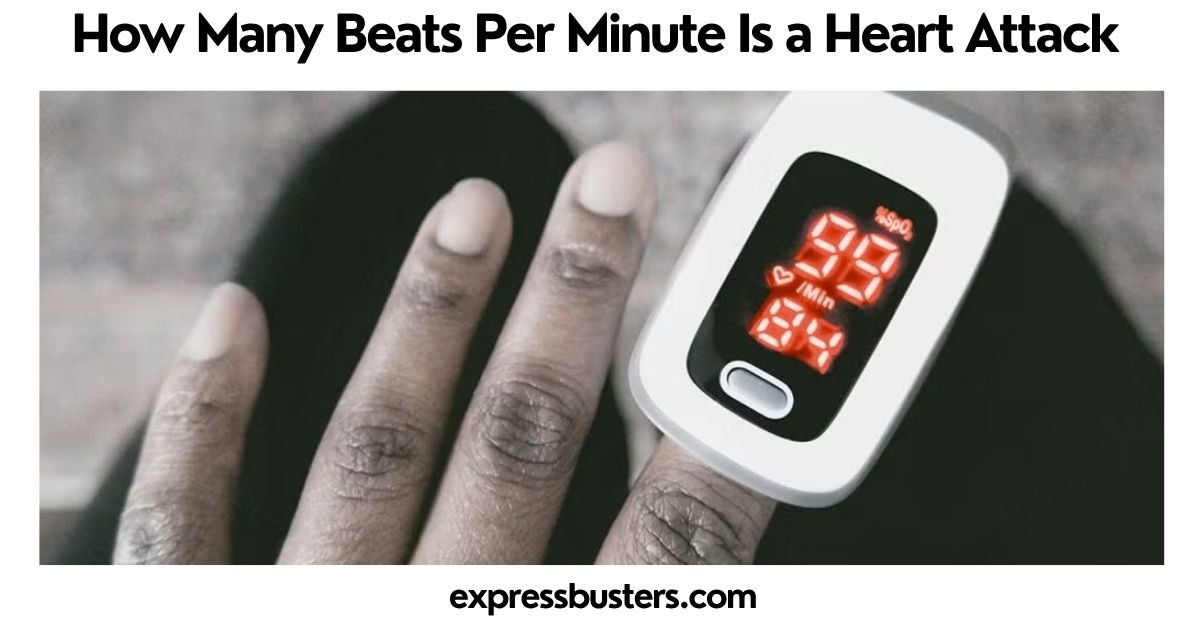
How to Check Your Heart Rate Correctly
You can measure heart rate by:
- Placing two fingers on your wrist.
- Counting beats for 15 seconds.
- Multiplying by four.
You can also use:
- Smartwatches
- Fitness trackers
- Blood pressure monitors
- Pulse oximeters
For the most accurate resting heart rate, measure after sitting quietly for several minutes.
What Should You Do If You Think You Are Having a Heart Attack?
If symptoms suggest a heart attack:
- Call 911 immediately.
- Do not drive yourself if possible.
- Follow emergency instructions.
- Chew aspirin if advised by a healthcare professional.
- Stay calm and seated while waiting for help.
Rapid treatment greatly improves survival rates.
When to Go to the Emergency Room
Seek emergency care immediately if you experience:
- Chest pain lasting more than a few minutes
- Chest discomfort that comes and goes
- Shortness of breath
- Sudden sweating
- Jaw or arm pain
- Fainting
- Severe dizziness
Do not wait to see if symptoms improve.
Can Anxiety Cause a High Heart Rate?
Yes.
Anxiety and panic attacks commonly cause:
- Heart rates above 100 BPM
- Chest tightness
- Sweating
- Shortness of breath
These symptoms can mimic a heart attack.
However, because symptoms overlap, it is always safer to seek medical evaluation when unsure.
Can Smartwatches Detect a Heart Attack?
Smartwatches can monitor:
- Heart rate
- Heart rhythm
- Activity levels
However, they cannot definitively diagnose heart attacks.
A normal smartwatch reading does not rule out a heart attack.
Medical evaluation remains essential.
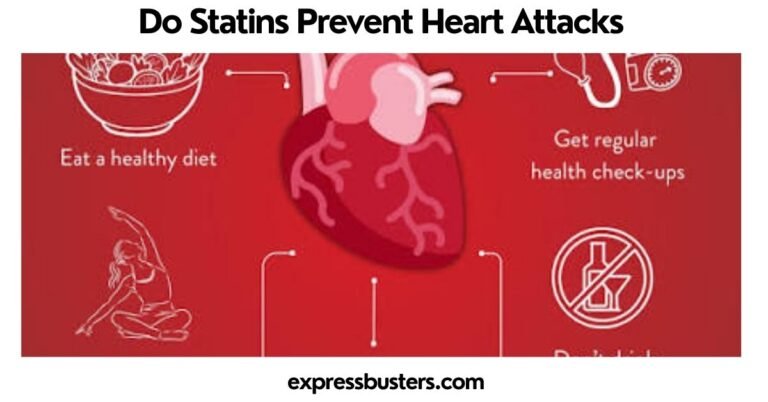
Prevention Tips for Better Heart Health
Reducing heart attack risk starts with healthy habits.
Eat a Heart-Healthy Diet
Focus on:
- Fruits
- Vegetables
- Whole grains
- Lean proteins
- Healthy fats
Exercise Regularly
Aim for at least 150 minutes of moderate exercise weekly.
Avoid Smoking
Quitting smoking is one of the most effective ways to protect heart health.
Manage Stress
Chronic stress affects blood pressure and heart function.
Monitor Blood Pressure
Regular monitoring helps identify problems early.
Control Cholesterol
Healthy cholesterol levels reduce artery blockage risk.
Get Regular Checkups
Routine medical care helps detect risk factors before complications develop.
Final Thoughts
When asking “how many beats per minute is a heart attack,” the most important thing to understand is that there is no single heart rate that confirms a heart attack.
A heart attack can occur with a normal, fast, or slow heart rate. While a heart rate above 100 BPM (tachycardia) or below 60 BPM (bradycardia) in non-athletes may indicate underlying issues that increase cardiovascular risk, neither number alone diagnoses a heart attack.
Instead of focusing only on BPM, pay attention to symptoms such as chest pain, shortness of breath, sweating, nausea, dizziness, and unexplained fatigue. Early recognition and immediate medical care can save heart muscle and save lives.
If you ever suspect a heart attack, seek emergency medical attention right away rather than relying solely on heart rate readings.
FAQs About How Many Beats Per Minute Is a Heart Attack
Can you have a heart attack with a normal heart rate?
Yes. Many people experiencing heart attacks have heart rates within the normal range of 60 to 100 BPM.
Is 120 BPM always a heart attack?
No. Exercise, stress, anxiety, fever, and many other conditions can temporarily raise heart rate to 120 BPM.
Can a heart attack cause a heart rate below 60 BPM?
Yes. Some heart attacks affect the heart’s electrical system and may cause bradycardia.
Is a resting heart rate of 55 BPM dangerous?
Not necessarily. Athletes often have resting heart rates below 60 BPM. However, symptoms such as dizziness or fainting should be evaluated by a healthcare provider.
Does chest pain always happen during a heart attack?
No. Some people, especially women, older adults, and people with diabetes, may experience atypical symptoms without severe chest pain.
Can dehydration increase heart rate?
Yes. Dehydration often causes the heart to beat faster to maintain blood circulation.
How accurate are smartwatch heart rate readings?
Most modern smartwatches provide reasonably accurate heart rate estimates but should not replace professional medical evaluation.
Can stress alone raise heart rate above 100 BPM?
Yes. Emotional stress, panic attacks, and anxiety commonly trigger temporary tachycardia.
Should I worry if my heart rate suddenly changes?
Sudden unexplained changes in heart rate, especially when combined with symptoms such as chest pain, dizziness, or shortness of breath, should be evaluated promptly.
What is more important than heart rate when identifying a heart attack?
Symptoms, medical history, ECG results, blood tests, and physician assessment are far more important than heart rate alone when diagnosing a heart attack.