Can Insulin Overdose Cause a Heart Attack? A Complete Medical Guide
Many people who use insulin for diabetes management often wonder: can insulin overdose cause a heart attack?
This is an important question because insulin is a life-saving medication, but taking too much insulin can create serious health problems. While insulin itself does not directly trigger a heart attack in the same way blocked arteries do, an insulin overdose can cause dangerous complications that may increase the risk of cardiac events and even become life-threatening.
Understanding the relationship between insulin overdose and heart health is especially important for people with diabetes, caregivers, healthcare professionals, and family members who help manage insulin therapy.
In this comprehensive guide, we will explore whether insulin overdose can cause a heart attack, how insulin overdose affects the body, warning signs to watch for, emergency treatment options, long-term consequences, prevention strategies, and expert medical insights.
By the end of this article, you will have a clear understanding of the risks associated with insulin overdose and how to stay safe.
What Is Insulin?
Insulin is a hormone naturally produced by the pancreas. Its primary job is to help glucose move from the bloodstream into cells where it can be used for energy.
People with certain types of diabetes may not produce enough insulin or may not use insulin effectively. In these situations, insulin injections become necessary to maintain healthy blood sugar levels.
Insulin therapy helps:
- Control blood glucose levels
- Prevent diabetes complications
- Improve energy production
- Reduce the risk of diabetic emergencies
- Support overall metabolic health
When used correctly, insulin is extremely safe and effective. However, problems can occur when too much insulin enters the body.
What Is an Insulin Overdose?
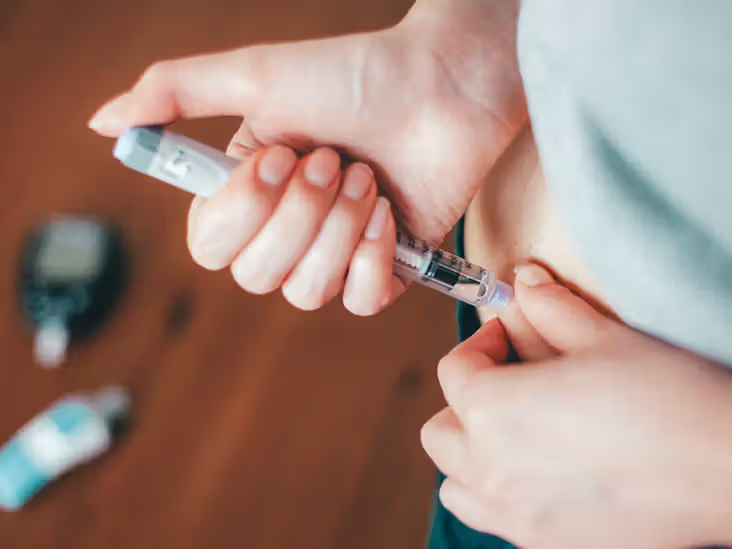
An insulin overdose happens when a person takes more insulin than their body needs.
This can occur due to:
- Taking the wrong insulin dose
- Injecting insulin twice by mistake
- Using the wrong insulin type
- Skipping meals after taking insulin
- Exercising more than expected
- Miscalculating carbohydrate intake
- Insulin pump malfunctions
- Medication errors
When too much insulin is present, blood sugar levels can fall rapidly, leading to a condition called hypoglycemia.
Hypoglycemia is the main danger associated with insulin overdose.
Can Insulin Overdose Cause a Heart Attack?
The short answer is yes, but usually indirectly.
An insulin overdose does not directly block coronary arteries or create the plaque buildup that causes most heart attacks. However, severe hypoglycemia caused by an insulin overdose can place extreme stress on the cardiovascular system.
This stress can lead to:
- Irregular heart rhythms
- Increased heart rate
- Elevated blood pressure fluctuations
- Reduced oxygen delivery to the heart
- Increased release of stress hormones
- Cardiac arrest in severe cases
For individuals who already have heart disease, coronary artery disease, high blood pressure, or other cardiovascular conditions, severe hypoglycemia can significantly increase the risk of a heart attack.
Therefore, when asking, can insulin overdose cause a heart attack, the medically accurate answer is that severe insulin overdose can contribute to conditions that may trigger a heart attack, especially in vulnerable individuals.
How Insulin Overdose Affects the Heart
To understand the connection, it helps to know what happens inside the body during severe hypoglycemia.
When blood sugar drops dramatically, the body enters emergency mode.
The brain depends heavily on glucose. As glucose levels fall, the body releases stress hormones such as:
- Adrenaline
- Epinephrine
- Norepinephrine
- Cortisol
These hormones attempt to raise blood sugar levels but also affect the cardiovascular system.
Increased Heart Rate
Adrenaline causes the heart to beat faster.
A rapid heart rate increases the heart’s oxygen demand. If a person has narrowed arteries, the heart may not receive enough oxygen.
This imbalance can increase the likelihood of a cardiac event.
Abnormal Heart Rhythms
Severe hypoglycemia can interfere with the electrical signals that control heartbeats.
Possible rhythm disturbances include:
- Tachycardia
- Bradycardia
- Ventricular arrhythmias
- Atrial fibrillation
Some arrhythmias can become life-threatening if not treated quickly.
Reduced Blood Flow
Low blood sugar can affect blood vessel function and circulation.
Poor circulation may place additional strain on the heart, especially in individuals with pre-existing cardiovascular disease.
Increased Inflammation
Research suggests that repeated episodes of severe hypoglycemia may promote inflammation within blood vessels.
Chronic inflammation is associated with cardiovascular disease and may contribute to future heart problems.
Why People With Heart Disease Face Higher Risks
The relationship between insulin overdose and heart attacks becomes more concerning in people who already have cardiovascular disease.
Risk factors include:
- Coronary artery disease
- Previous heart attack
- Heart failure
- High cholesterol
- High blood pressure
- Smoking history
- Obesity
- Older age
In these individuals, the heart may already be functioning under stress.
A sudden episode of severe hypoglycemia can become the tipping point that leads to:
- Chest pain
- Heart rhythm abnormalities
- Reduced oxygen supply
- Myocardial infarction (heart attack)
This explains why healthcare providers closely monitor blood sugar levels in patients with both diabetes and heart disease.
Symptoms of Insulin Overdose
Recognizing symptoms early can prevent serious complications.
Mild Symptoms
Early warning signs often include:
- Hunger
- Sweating
- Shakiness
- Anxiety
- Dizziness
- Weakness
- Headache
- Fast heartbeat
These symptoms indicate that blood sugar is dropping.
Moderate Symptoms
As hypoglycemia worsens, symptoms may include:
- Confusion
- Blurred vision
- Difficulty concentrating
- Slurred speech
- Poor coordination
- Mood changes
- Irritability
At this stage, immediate treatment is necessary.
Severe Symptoms
Severe insulin overdose may cause:
- Seizures
- Loss of consciousness
- Coma
- Cardiac arrhythmias
- Respiratory distress
- Cardiac arrest
Emergency medical care is required immediately.
Signs of a Heart Attack During Insulin Overdose
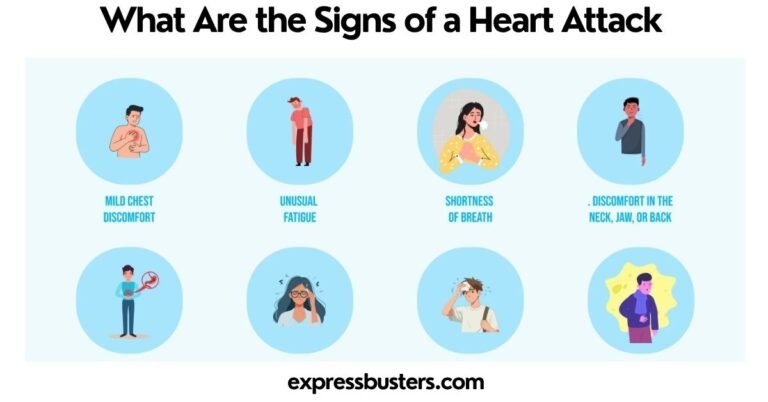
Some symptoms may indicate a heart attack occurring alongside severe hypoglycemia.
Watch for:
- Chest pressure
- Chest pain
- Pain in the jaw
- Pain in the neck
- Pain in the left arm
- Shortness of breath
- Nausea
- Cold sweats
- Extreme fatigue
People with diabetes sometimes experience “silent heart attacks” with few symptoms.
Because hypoglycemia and heart attack symptoms can overlap, medical evaluation is critical.
Can Insulin Overdose Cause Sudden Death?
In rare cases, yes.
Severe untreated insulin overdose may lead to:
- Profound hypoglycemia
- Brain injury
- Dangerous arrhythmias
- Cardiac arrest
The risk increases when:
- Treatment is delayed
- The overdose is large
- The person lives alone
- Severe heart disease exists
Although uncommon, sudden death associated with severe hypoglycemia has been documented.
This is one reason why proper insulin management is so important.
What Happens During Severe Hypoglycemia?
When glucose levels fall below normal ranges, the body begins a series of emergency responses.
Stage One
The body releases adrenaline.
Symptoms include:
- Sweating
- Trembling
- Rapid heartbeat
Stage Two
The brain starts receiving less glucose.
Symptoms include:
- Confusion
- Poor judgment
- Difficulty speaking
Stage Three
Brain function becomes severely impaired.
Symptoms include:
- Seizures
- Unconsciousness
- Coma
During these later stages, the heart may also become vulnerable to dangerous rhythm disturbances.
Emergency Treatment for Insulin Overdose
Fast treatment can save lives.
If the Person Is Awake
Provide fast-acting carbohydrates such as:
- Glucose tablets
- Fruit juice
- Regular soda
- Honey
- Sugar dissolved in water
Follow the 15-15 rule:
- Consume 15 grams of carbohydrates
- Wait 15 minutes
- Recheck blood sugar
- Repeat if necessary
If the Person Is Unconscious
Do not give food or drinks.
Instead:
- Call 911 immediately
- Administer glucagon if available
- Place the person on their side
- Monitor breathing
Emergency responders may provide intravenous glucose.
Long-Term Effects of Repeated Insulin Overdoses
Even when a person survives an overdose, repeated episodes may have consequences.
Possible long-term effects include:
- Increased cardiovascular risk
- Cognitive decline
- Memory problems
- Reduced awareness of hypoglycemia
- Anxiety about insulin use
- Poor diabetes control
Preventing repeated episodes is essential for long-term health.
Can Low Blood Sugar Damage the Heart Over Time?
Emerging research suggests that repeated severe hypoglycemia may negatively affect cardiovascular health.
Potential mechanisms include:
- Chronic inflammation
- Increased oxidative stress
- Damage to blood vessel linings
- Increased clotting tendency
- Repeated surges of stress hormones
While more research is ongoing, many experts believe avoiding severe hypoglycemia is an important part of protecting heart health.
Who Is Most at Risk of Insulin Overdose?
Several groups face higher risks.
Older Adults
Older individuals may:
- Miscalculate doses
- Forget injections
- Have slower recovery from hypoglycemia
People With Type 1 Diabetes
Because insulin is required daily, dosage errors can occur more easily.
Individuals Using Insulin Pumps
Technical issues may occasionally lead to incorrect insulin delivery.
People With Kidney Disease
Reduced kidney function can slow insulin clearance, increasing overdose risk.
Individuals With Heart Disease
These patients may experience more severe cardiovascular complications during hypoglycemia.
How to Prevent Insulin Overdose
Prevention is the best strategy.
Follow Prescribed Doses
Never change insulin amounts without medical guidance.
Double-Check Injections
Confirm:
- Insulin type
- Dose amount
- Timing
Monitor Blood Sugar Regularly
Frequent monitoring helps identify dangerous trends before they become emergencies.
Carry Emergency Glucose
Always keep:
- Glucose tablets
- Juice boxes
- Emergency snacks
Wear Medical Identification
Medical alert bracelets can help first responders provide appropriate care.
Educate Family Members
Family and friends should know:
- Signs of hypoglycemia
- How to use glucagon
- When to call emergency services
The Importance of Continuous Glucose Monitoring
Modern technology has significantly reduced insulin overdose risks.
Continuous Glucose Monitors (CGMs) can:
- Track glucose levels 24/7
- Alert users to low blood sugar
- Predict dangerous trends
- Improve treatment decisions
For many patients, CGMs provide an extra layer of protection against severe hypoglycemia.
Medical Research on Insulin Overdose and Heart Attacks
Over the past decade, researchers have examined the relationship between hypoglycemia and cardiovascular events.
Several large studies have found that:
- Severe hypoglycemia is associated with higher cardiovascular risk.
- Patients experiencing repeated hypoglycemic episodes may have increased mortality rates.
- Heart rhythm abnormalities occur more frequently during low blood sugar episodes.
- Existing heart disease amplifies the dangers of severe hypoglycemia.
Researchers continue investigating whether hypoglycemia directly contributes to heart attacks or serves as a marker for higher-risk patients.
The current evidence strongly supports preventing severe hypoglycemia whenever possible.
Also Read: How to Stop a Heart Attack: Complete Guide to Recognizing, Responding, and Reducing Your Risk
Common Myths About Insulin Overdose
Myth 1: Insulin Overdose Always Causes a Heart Attack
Reality: Most insulin overdoses do not cause heart attacks. The risk rises mainly when severe hypoglycemia affects vulnerable individuals.
Myth 2: Mild Hypoglycemia Is Harmless
Reality: Frequent episodes may contribute to long-term health complications and should not be ignored.
Myth 3: Only Elderly People Are at Risk
Reality: Anyone using insulin can experience an overdose.
Myth 4: Symptoms Always Appear Immediately
Reality: Symptoms can develop gradually depending on the dose and circumstances.
When to Seek Medical Help
Seek immediate emergency care if:
- Blood sugar remains low despite treatment
- Loss of consciousness occurs
- Seizures develop
- Chest pain appears
- Shortness of breath develops
- Confusion becomes severe
Early intervention can prevent serious complications.
Final Thoughts
So, can insulin overdose cause a heart attack?
The most accurate answer is that an insulin overdose does not directly cause a heart attack in the traditional sense. However, severe hypoglycemia resulting from an insulin overdose can place significant stress on the heart, trigger dangerous heart rhythm abnormalities, and potentially contribute to a heart attack in people who already have cardiovascular disease or other risk factors.
The greatest danger of insulin overdose is severe hypoglycemia, which can affect the brain, heart, and entire body. Fortunately, most serious complications can be prevented through proper insulin use, regular blood sugar monitoring, patient education, and prompt treatment of low blood sugar symptoms.
Anyone using insulin should understand the warning signs of hypoglycemia and have a clear emergency plan in place. With the right precautions, insulin remains one of the safest and most effective treatments for diabetes.
Frequently Asked Questions (FAQs)
How much insulin overdose is considered dangerous?
The danger level varies from person to person. Factors such as body weight, insulin sensitivity, food intake, and overall health determine how severe the overdose may become.
Can insulin overdose happen while sleeping?
Yes. Nocturnal hypoglycemia can occur during sleep and may become dangerous if not detected quickly.
Can a healthy person die from insulin overdose?
A large insulin overdose can be life-threatening even in people without diabetes because it can cause profound hypoglycemia.
How quickly does insulin overdose affect the body?
Symptoms may appear within minutes or several hours depending on the type of insulin used and the amount injected.
Can insulin overdose cause permanent brain damage?
Severe untreated hypoglycemia can potentially lead to brain injury if glucose deprivation lasts too long.
Are insulin pumps safer than injections?
Both methods are safe when used correctly. Insulin pumps offer advanced monitoring features but still require proper management.
Can exercise make an insulin overdose worse?
Yes. Physical activity increases glucose use and may worsen hypoglycemia after excess insulin administration.
Should every insulin user keep glucagon available?
Many healthcare professionals recommend having glucagon available, especially for people at risk of severe hypoglycemia.
Can dehydration increase the risks of insulin overdose?
Dehydration can complicate diabetes management and may affect how the body responds during a hypoglycemic episode.
Does having diabetes automatically increase heart attack risk?
Yes. Diabetes is a recognized risk factor for cardiovascular disease, making blood sugar management especially important for heart health.