Can U Survive Heart Attack? Everything You Need to Know About Survival, Recovery, and Emergency Action
Many people ask the question, “can u survive heart attack?” The simple answer is yes, many people survive heart attacks every day. In fact, millions of Americans have survived a heart attack and gone on to live healthy and active lives.
However, survival depends on several important factors, including how quickly treatment begins, the type of heart attack, the person’s age, overall health, and whether emergency medical help is available.
A heart attack is one of the leading causes of death in the United States, but modern medicine has dramatically improved survival rates. Knowing the warning signs, understanding what happens during a heart attack, and learning what actions to take can make the difference between life and death.
This guide explains everything you need to know about heart attack survival, including whether you can survive a heart attack at home, survive a massive heart attack, or survive a heart attack without help.
What Is a Heart Attack?
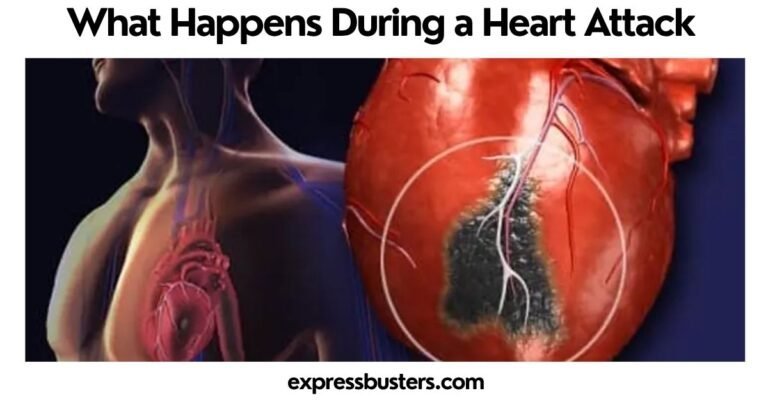
A heart attack, also called a myocardial infarction, occurs when blood flow to part of the heart muscle becomes blocked. Without enough oxygen-rich blood, heart muscle cells begin to die.
The blockage is usually caused by a buildup of fatty deposits, cholesterol, and plaque inside the coronary arteries. When plaque ruptures, a blood clot can form and block blood flow.
The longer the blockage remains untreated, the more damage occurs to the heart muscle.
This is why immediate medical attention is critical.
Can U Survive Heart Attack?
Yes, you can survive a heart attack.
Many people survive heart attacks when they receive quick medical treatment. Emergency procedures such as angioplasty, stent placement, clot-busting medications, and advanced cardiac care have significantly increased survival rates.
The chances of survival are highest when treatment begins within the first hour after symptoms appear. Medical professionals often call this period the “golden hour” because early treatment can save heart muscle and reduce complications.
Survival depends on factors such as:
- How quickly treatment starts
- The severity of the blockage
- The type of heart attack
- The person’s age
- Existing health conditions
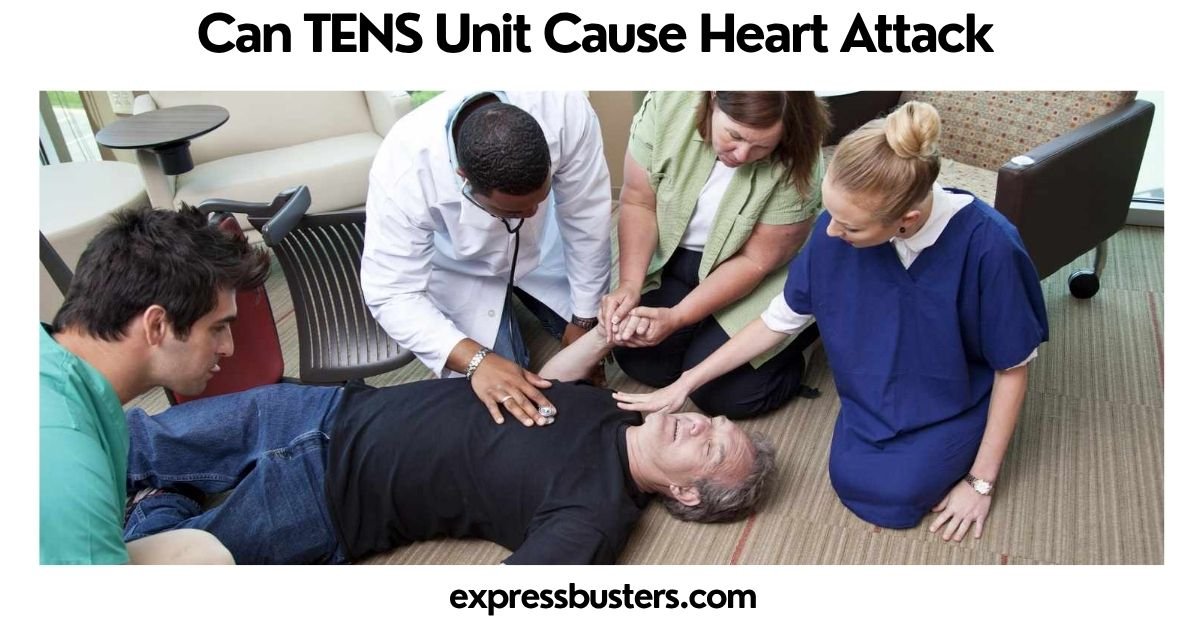
- Whether CPR is provided if cardiac arrest occurs
A heart attack is serious, but it is not always fatal.
How Common Is Heart Attack Survival?
Heart attack survival rates have improved dramatically over the past few decades.
Today, many people who reach a hospital quickly survive and recover successfully. Advances in emergency medicine, better awareness of symptoms, and improved treatments have transformed heart attack outcomes.
Many survivors return to work, exercise regularly, travel, and enjoy a normal quality of life after recovery.
The key factor is receiving treatment as quickly as possible.
What Are the Signs of a Heart Attack?
Recognizing symptoms early can save your life.
Common heart attack symptoms include:
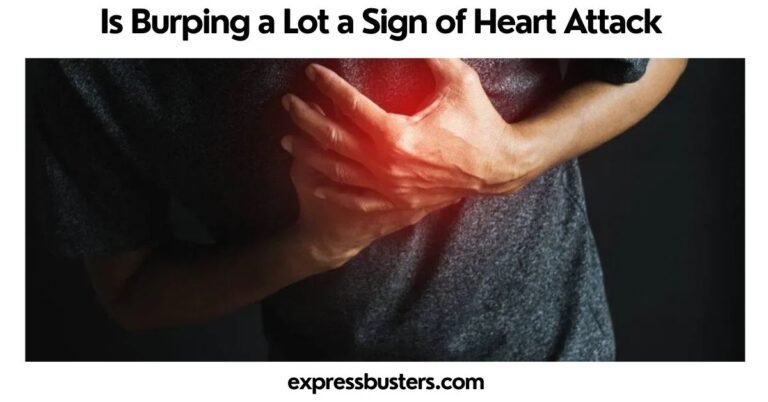
- Chest pain or pressure
- Tightness in the chest
- Pain spreading to the arm
- Pain in the neck or jaw
- Back pain
- Shortness of breath
- Cold sweat
- Dizziness
- Nausea
- Unusual fatigue
Symptoms can vary from person to person.
Some people experience severe chest pain, while others have mild discomfort.
Women often experience less obvious symptoms, including:
- Extreme fatigue
- Nausea
- Shortness of breath
- Back pain
- Jaw pain
Never ignore symptoms, even if they seem mild.
Can U Survive a Heart Attack at Home?
One of the most searched questions is can u survive a heart attack at home.
The answer is yes, it is possible, but it is extremely risky.
Some heart attacks are mild and do not immediately cause death. In these situations, a person may survive while waiting for emergency responders.
However, trying to manage a heart attack entirely at home without medical care is dangerous.
Complications can occur suddenly, including:
- Cardiac arrest
- Dangerous heart rhythms
- Severe heart damage
- Heart failure
If you suspect a heart attack:
- Call 911 immediately.
- Unlock your door if possible.
- Sit down and stay calm.
- Take aspirin if instructed by emergency personnel and if you are not allergic.
- Wait for emergency medical services.
Even if symptoms improve, medical evaluation is necessary.
Can U Survive a Massive Heart Attack?
Many people wonder, can u survive a massive heart attack?
Yes, survival is possible.
A massive heart attack usually refers to a severe blockage affecting a large portion of the heart muscle.
Because more heart tissue is involved, the risk of death is higher. However, advances in emergency treatment have allowed many patients to survive even severe heart attacks.
Factors affecting survival include:
- Speed of treatment
- Size of the blockage
- Location of the blockage
- Overall health
- Access to emergency care
Some individuals survive massive heart attacks and continue living productive lives for decades afterward.
The key is immediate treatment.
Can U Survive a Heart Attack Without Help?
Another common question is can u survive a heart attack without help.
Technically, yes.
Some people experience mild heart attacks and survive without realizing what happened.
These are sometimes called silent heart attacks.
However, surviving without help is unpredictable and dangerous.
Without medical attention:
- Heart damage may worsen
- Future heart attacks become more likely
- Hidden complications may develop
- Risk of sudden death increases
Even if symptoms disappear, medical evaluation is essential.
No one should assume a heart attack will resolve on its own.
What Is a Silent Heart Attack?
A silent heart attack occurs when symptoms are mild or unnoticed.
Some people mistake symptoms for:
- Indigestion
- Muscle pain
- Fatigue
- Stress
- Heartburn
Even though symptoms may be subtle, damage to the heart still occurs.
Silent heart attacks can increase the risk of:
- Future heart attacks
- Heart failure
- Irregular heartbeat
- Sudden cardiac death
Regular health checkups help identify silent heart attacks that may have occurred in the past.
What Should You Do During a Heart Attack?
Taking the correct actions immediately can improve survival.
If you suspect a heart attack:
Call 911 Immediately
Never attempt to drive yourself unless absolutely necessary.
Emergency medical personnel can begin treatment before reaching the hospital.
Also Read: Can Insulin Overdose Cause a Heart Attack? A Complete Medical Guide
Chew Aspirin If Recommended
Aspirin may help reduce blood clot formation.
Always follow emergency operator instructions.
Stay Calm
Anxiety increases the heart’s workload.
Try to remain seated and breathe slowly.
Unlock Your Door
This helps emergency responders enter quickly.
Avoid Physical Activity
Do not walk around unnecessarily.
Rest until help arrives.
What Happens at the Hospital?
Once you arrive at the hospital, doctors will quickly assess your condition.
Common tests include:
- Electrocardiogram (ECG)
- Blood tests
- Chest X-rays
- Echocardiogram
- Coronary angiography
Treatment may involve:
- Medications
- Angioplasty
- Stent placement
- Oxygen therapy
- Blood thinners
Fast treatment can restore blood flow and reduce heart damage.
What Increases Heart Attack Survival Rates?
Several factors improve the chances of survival.
Early Treatment
The sooner treatment begins, the better the outcome.
Healthy Lifestyle
People with healthy habits often recover more successfully.
Cardiac Rehabilitation
Rehabilitation programs improve strength and heart function.
Following Medical Advice
Taking medications as prescribed significantly reduces future risks.
Strong Support System
Family and community support can improve recovery.
Who Is Most at Risk for a Heart Attack?
Certain factors increase heart attack risk.
These include:
- High blood pressure
- High cholesterol
- Diabetes
- Smoking
- Obesity
- Physical inactivity
- Family history of heart disease
- Excessive alcohol consumption
- Chronic stress
The more risk factors present, the higher the likelihood of experiencing a heart attack.
Recovery After Surviving a Heart Attack
Recovery varies from person to person.
Some individuals return to normal activities within weeks, while others need several months.
Recovery usually includes:
- Regular medical appointments
- Medication management
- Heart-healthy eating
- Physical activity
- Stress reduction
Many survivors report that their heart attack became a turning point that inspired healthier living.
Can You Live a Long Life After a Heart Attack?
Absolutely.
Many people live for decades after surviving a heart attack.
Long-term survival depends on:
- Lifestyle changes
- Medication adherence
- Blood pressure control
- Cholesterol management
- Diabetes management
- Regular exercise
The heart can often recover significantly when proper care is provided.
Emotional Effects of Surviving a Heart Attack
Survival is not only a physical challenge.
Many survivors experience:
- Anxiety
- Depression
- Fear of another heart attack
- Stress
- Sleep problems
These feelings are common and treatable.
Talking with healthcare providers, counselors, or support groups can help improve emotional recovery.
How to Prevent Another Heart Attack
Prevention is one of the most important parts of recovery.
Effective prevention strategies include:
Stop Smoking
Smoking damages blood vessels and increases clot formation.
Eat Heart-Healthy Foods
Focus on:
- Fruits
- Vegetables
- Whole grains
- Lean proteins
- Healthy fats
Exercise Regularly
Aim for regular physical activity approved by your doctor.
Maintain a Healthy Weight
Weight management reduces strain on the heart.
Control Blood Pressure
High blood pressure damages arteries over time.
Manage Cholesterol
Lower cholesterol reduces plaque buildup.
Manage Stress
Stress management supports overall cardiovascular health.
Common Myths About Heart Attack Survival
Myth: Every Heart Attack Causes Sudden Death
Reality: Many people survive heart attacks when treatment is received quickly.
Myth: Heart Attacks Only Happen to Older Adults
Reality: Younger adults can also experience heart attacks.
Myth: Chest Pain Is Always Severe
Reality: Some heart attacks cause only mild discomfort.
Myth: If Symptoms Go Away, Everything Is Fine
Reality: Symptoms may disappear even while heart damage continues.
Myth: Recovery Means the Heart Is Fully Cured
Reality: Ongoing care is usually necessary.
Latest Advances Improving Heart Attack Survival
Modern medicine continues to improve outcomes.
Recent advances include:
- Faster emergency response systems
- Better clot-removal procedures
- Advanced imaging technology
- Improved stents
- Enhanced rehabilitation programs
- Artificial intelligence for early detection
These innovations continue to increase heart attack survival rates across the United States.
Also Read: Can a Heart Attack Last for Days? Symptoms, Warning Signs, and What You Need to Know
Final Thoughts: Can U Survive Heart Attack?
The answer is yes.
If you’re asking “can u survive heart attack,” the encouraging news is that many people do survive and go on to live healthy, productive lives.
Whether you’re wondering can u survive a heart attack, can u survive a heart attack at home, can u survive a massive heart attack, or can u survive a heart attack without help, the most important factor is taking symptoms seriously and seeking immediate medical attention.
Every minute matters.
Quick action, modern medical treatment, healthy lifestyle changes, and ongoing care can dramatically improve survival and quality of life.
Learning the warning signs today could help save your life or the life of someone you love tomorrow.
Frequently Asked Questions (FAQs)
How long can a person survive during a heart attack before getting treatment?
The first hour is considered the most critical. Survival chances decrease as treatment is delayed because heart muscle damage continues over time.
Can a healthy person survive a heart attack?
Yes. Healthy individuals often have better recovery outcomes, but anyone can experience a heart attack and should seek immediate treatment.
Can you survive multiple heart attacks?
Yes. Many people survive more than one heart attack. Long-term medical care and lifestyle changes become especially important after repeated events.
Does age affect heart attack survival?
Yes. Younger patients often have higher survival rates, but many older adults also survive heart attacks with prompt treatment.
Can exercise trigger a heart attack?
Exercise rarely causes heart attacks in healthy individuals. Regular physical activity generally lowers heart attack risk.
Can stress increase the risk of a heart attack?
Yes. Chronic stress may contribute to high blood pressure, unhealthy habits, and increased cardiovascular risk.
How quickly should I call 911 if I think I’m having a heart attack?
Immediately. Never wait to see if symptoms improve. Early treatment greatly increases survival chances.
Can heart attack symptoms come and go?
Yes. Symptoms may appear and disappear, but this does not mean the danger has passed. Medical evaluation is still necessary.
Is it possible to have a heart attack while sleeping?
Yes. Some people experience heart attacks during sleep and wake up with symptoms such as chest pain, sweating, or shortness of breath.
Can surviving a heart attack change life expectancy?
It can, but many survivors live long and healthy lives when they follow medical advice, take medications correctly, and adopt heart-healthy habits.