How Long Do Heart Attacks Last? Symptoms, Warning Signs, Recovery, and What You Need to Know
A heart attack is one of the most serious medical emergencies a person can experience. Many people ask the same question after hearing about someone having a heart attack or after feeling chest pain themselves: how long do heart attacks last?
The answer is not always simple. A heart attack can last only a few minutes, or the symptoms can continue for hours. In some cases, symptoms appear slowly over several days before the actual heart attack happens. Every person is different, and the timing depends on the severity of the blockage, overall health, age, and how quickly treatment begins.
Understanding how long heart attacks last can help save lives. Many people ignore symptoms because they expect a heart attack to happen suddenly like it does in movies. In reality, symptoms may begin mildly and slowly become worse over time.
This complete guide explains everything you need to know about how long do heart attacks last, including symptom duration, warning signs in men and women, silent heart attacks, recovery time, and when to call 911.
What Is a Heart Attack?
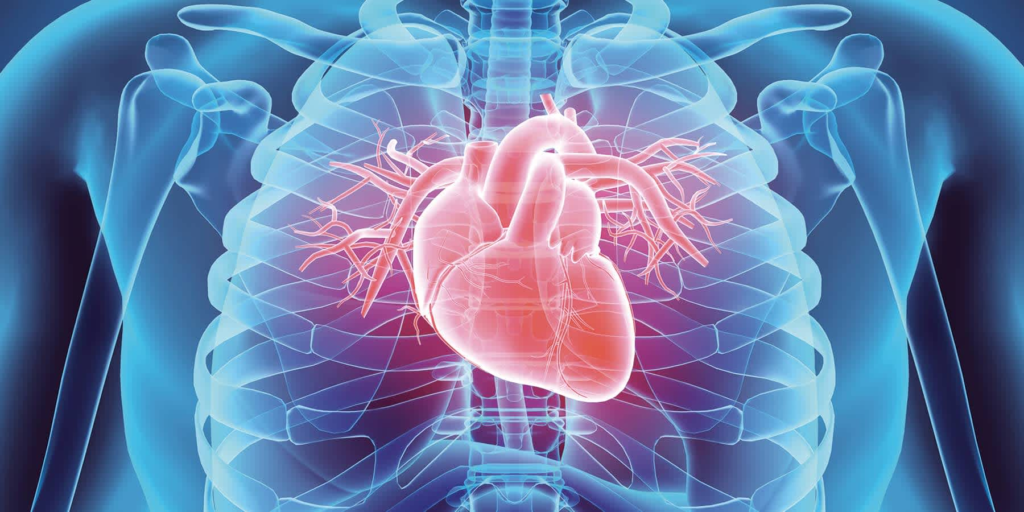
A heart attack happens when blood flow to the heart becomes blocked. The blockage usually comes from fatty deposits called plaque inside the arteries. When plaque breaks open, a blood clot can form and stop blood from reaching the heart muscle.
Without oxygen-rich blood, the heart muscle begins to die. This damage can become permanent if treatment does not happen quickly.
The medical term for a heart attack is myocardial infarction.
Heart attacks are very common in the United States. Millions of Americans live with heart disease, which remains the leading cause of death for both men and women.
How Long Do Heart Attacks Last?
The duration of a heart attack can vary greatly.
In many cases, heart attack symptoms last between 15 minutes and several hours. Some people experience symptoms that come and go. Others may have constant pain or pressure.
A mild heart attack may only cause symptoms for a short period. A severe heart attack can continue for hours and cause major damage to the heart muscle.
The most important thing to understand is this:
If chest pain or other heart attack symptoms last longer than 5 minutes, emergency medical care is needed immediately.
Also Read: How to Prevent Heart Attack: Complete Guide to Protect Your Heart Naturally
Waiting too long can increase heart damage and raise the risk of death.
How Long Do Heart Attack Symptoms Last Before It Happens?
Many people wonder how long do heart attack symptoms last before it happens. The answer depends on the type of heart attack and the person experiencing it.
For some individuals, symptoms begin suddenly without warning. For others, warning signs may appear hours, days, or even weeks before the actual event.
Common early symptoms include:
- Mild chest discomfort
- Shortness of breath
- Fatigue
- Nausea
- Pain in the arm or jaw
- Feeling lightheaded
- Trouble sleeping
- Anxiety or a sense that something feels wrong
Some people experience small warning signs repeatedly before the major heart attack occurs. This can happen when blood flow to the heart becomes temporarily reduced before a complete blockage develops.
Ignoring these symptoms is dangerous. Early treatment can prevent a major heart attack from happening.
Heart Attack Symptoms and How Long They Last
Understanding heart attack symptoms is critical because symptoms can vary widely.
Chest Pain or Pressure
Chest pain is the most common symptom.
Many people describe it as:
- Tightness
- Pressure
- Squeezing
- Burning
- Fullness
- Heavy weight on the chest
This discomfort may last several minutes or may come and go repeatedly.
Pain in Other Areas
Heart attack pain often spreads beyond the chest.
Pain may move into:
- Left arm
- Both arms
- Back
- Neck
- Jaw
- Shoulders
- Upper stomach
This pain may continue for several minutes or become constant.
Shortness of Breath
Breathing problems can happen before or during a heart attack.
Some people feel like they cannot catch their breath even while resting.
Shortness of breath may last for minutes or continue throughout the heart attack.
Sweating
Cold sweats are common during a heart attack.
Many people suddenly begin sweating heavily without physical activity.
Nausea and Vomiting
Some heart attacks cause stomach symptoms that feel similar to indigestion or food poisoning.
This symptom is especially common in women.
ALso Read: How to Stop a Heart Attack in 30 Seconds: What Really Works and What You Must Do Immediately
Extreme Fatigue
Sudden tiredness or weakness can begin days before a heart attack.
Fatigue may continue during the attack and afterward during recovery.
Heart Attack How Long Do Symptoms Last?
A very common question people ask is heart attack how long do symptoms last.
Most heart attack symptoms last longer than normal chest discomfort from stress or indigestion.
Symptoms may:
- Last continuously for 20 minutes or more
- Come and go repeatedly
- Become stronger over time
- Continue until medical treatment restores blood flow
If symptoms disappear after a few minutes, it still does not mean the danger is over. Some heart attacks cause temporary symptoms that return later with greater intensity.
Never assume symptoms are harmless just because they improve briefly.
How Long Do Heart Attack Symptoms Last Woman?
Women often experience heart attacks differently than men. This is one reason many heart attacks in women are missed or diagnosed too late.
When asking how long do heart attack symptoms last woman, it is important to know that women may experience symptoms for days or weeks before the heart attack.
Women are more likely to experience:
- Fatigue
- Nausea
- Back pain
- Jaw pain
- Dizziness
- Sleep problems
- Mild chest discomfort
- Shortness of breath
Some women never experience severe chest pain at all.
Because symptoms can be subtle, many women delay getting medical care. Unfortunately, this delay increases the risk of complications.
Women should never ignore unusual tiredness, breathing problems, or upper body pain, especially if symptoms continue or worsen.
Silent Heart Attacks Can Last Without Notice
Not all heart attacks are dramatic.
A silent heart attack happens when symptoms are very mild or mistaken for something else.
Some people believe they only had heartburn, muscle pain, or fatigue. Later, doctors discover evidence of a previous heart attack during medical testing.
Silent heart attacks are more common in:
- Older adults
- People with diabetes
- Women
- Smokers
- People with high blood pressure
Even though symptoms may seem minor, silent heart attacks still damage the heart.
Can a Heart Attack Last for Days?
A complete heart attack usually does not continue nonstop for several days. However, warning symptoms can appear over many days before the major event happens.
Some people experience:
- Intermittent chest pressure
- Tiredness
- Breathing problems
- Arm pain
- Indigestion-like symptoms
These warning signs may come and go.
Eventually, the artery may become completely blocked, leading to a full heart attack.
This is why even mild symptoms should never be ignored.
What Happens During a Heart Attack?
To better understand how long do heart attacks last, it helps to know what happens inside the body.
Step 1: Plaque Builds Up
Over time, fatty deposits collect inside the arteries.
Step 2: Plaque Breaks Open
The plaque may suddenly rupture.
Step 3: Blood Clot Forms
A clot forms around the rupture.
Step 4: Blood Flow Stops
The clot blocks oxygen-rich blood from reaching the heart muscle.
Step 5: Heart Muscle Damage Begins
Within minutes, heart cells begin dying.
The longer the blockage remains, the more damage occurs.
That is why immediate treatment is critical.
Why Fast Treatment Matters
Doctors often say:
“Time is muscle.”
This means every minute matters during a heart attack.
Quick treatment can:
- Save heart muscle
- Reduce permanent damage
- Improve survival chances
- Lower the risk of heart failure
- Prevent dangerous complications
People who receive treatment within the first hour often have much better outcomes.
When Should You Call 911?
Call 911 immediately if symptoms last more than 5 minutes.
Do not drive yourself unless absolutely necessary.
Emergency medical teams can begin treatment immediately while transporting you to the hospital.
Symptoms that require emergency help include:
- Chest pressure
- Chest pain spreading to the arm or jaw
- Severe shortness of breath
- Sudden sweating
- Fainting
- Nausea with chest discomfort
Never wait to “see if it goes away.”
How Doctors Diagnose a Heart Attack
Doctors use several tests to confirm a heart attack.
Electrocardiogram (ECG)
This test checks the heart’s electrical activity.
Blood Tests
Damaged heart muscle releases proteins into the bloodstream.
Coronary Angiography
Doctors use dye and imaging to look for blocked arteries.
Echocardiogram
This ultrasound checks heart function.
Quick diagnosis helps doctors begin life-saving treatment faster.
Treatments for Heart Attacks
Treatment depends on the severity of the blockage.
Medications
Doctors may use:
- Blood thinners
- Aspirin
- Clot-busting drugs
- Nitroglycerin
- Beta blockers
Angioplasty and Stents
Doctors insert a small balloon to open the blocked artery.
A stent helps keep the artery open.
Bypass Surgery
Severe blockages may require surgery to reroute blood flow.
Recovery After a Heart Attack
Recovery time varies from person to person.
Some people return to normal activities within weeks. Others need several months.
Factors affecting recovery include:
- Severity of damage
- Age
- Overall health
- Speed of treatment
- Lifestyle habits
Recovery usually includes:
- Medications
- Cardiac rehabilitation
- Exercise
- Healthy eating
- Stress management
- Quitting smoking
How Long Does Chest Pain Last After a Heart Attack?
Some discomfort may continue after treatment.
Mild chest soreness can happen after procedures or because the heart is healing.
However, new or worsening chest pain should never be ignored.
Always contact a doctor if symptoms return.
Differences Between Heart Attack and Panic Attack
Many people confuse heart attacks with panic attacks.
Heart Attack Symptoms
- Chest pressure
- Pain spreading to arm or jaw
- Sweating
- Nausea
- Shortness of breath
- Symptoms worsen with activity
Panic Attack Symptoms
- Racing heartbeat
- Fear
- Tingling
- Rapid breathing
- Symptoms improve within minutes
Because the symptoms can overlap, it is safest to seek medical care.
Risk Factors for Heart Attacks
Several factors increase heart attack risk.
High Blood Pressure
High pressure damages arteries over time.
Smoking
Smoking damages blood vessels and reduces oxygen.
High Cholesterol
Plaque buildup increases blockage risk.
Diabetes
Diabetes damages blood vessels and nerves.
Obesity
Excess weight strains the heart.
Stress
Chronic stress can contribute to heart disease.
Family History
Genetics may increase risk.
How to Prevent a Heart Attack
Prevention is extremely important.
Eat a Heart-Healthy Diet
Focus on:
- Fruits
- Vegetables
- Whole grains
- Lean protein
- Healthy fats
Limit:
- Salt
- Sugar
- Fried foods
- Processed foods
Exercise Regularly
Aim for at least 150 minutes of moderate exercise weekly.
Stop Smoking
Quitting smoking greatly lowers heart attack risk.
Control Blood Pressure
Monitor blood pressure regularly.
Manage Cholesterol
Healthy eating and medication may help.
Reduce Stress
Stress management can improve heart health.
Get Regular Checkups
Routine doctor visits can detect problems early.
Can Young People Have Heart Attacks?
Yes.
Although heart attacks are more common in older adults, younger people can also experience them.
Risk factors in younger adults include:
- Smoking
- Drug use
- Obesity
- Diabetes
- High blood pressure
- Family history
Heart attacks in younger adults are becoming more common in the United States.
How Long Can You Survive a Heart Attack Without Treatment?
Survival depends on the size and location of the blockage.
Some people survive for hours, while others collapse suddenly within minutes.
Without treatment, heart muscle damage increases rapidly.
Delaying treatment can lead to:
- Heart failure
- Dangerous arrhythmias
- Cardiac arrest
- Death
Immediate emergency care provides the best chance of survival.
Also Read: Can You Have a Heart Attack and Not Know It? Silent Heart Attack Signs, Causes, and Prevention
Can Heart Attack Symptoms Come and Go?
Yes.
This is one reason heart attacks are dangerous.
Some people experience symptoms that:
- Appear briefly
- Disappear
- Return later stronger
Temporary symptom relief does not mean the problem is gone.
A partially blocked artery may worsen at any moment.
What Is a Mini Heart Attack?
People often use the term “mini heart attack” to describe a mild heart attack.
Doctors may call this NSTEMI, which stands for non-ST elevation myocardial infarction.
A mini heart attack still damages the heart and requires immediate medical care.
Symptoms may be less severe, but the condition is still serious.
Emotional Effects After a Heart Attack
A heart attack affects both physical and mental health.
Many people experience:
- Anxiety
- Depression
- Fear
- Stress
- Sleep problems
Emotional recovery is an important part of healing.
Support groups, therapy, and family support can help.
Common Myths About Heart Attacks
Myth 1: Heart Attacks Always Happen Suddenly
Truth: Symptoms may develop slowly over hours or days.
Myth 2: Only Older Men Have Heart Attacks
Truth: Women and younger adults can also have heart attacks.
Myth 3: Chest Pain Is Always Severe
Truth: Some heart attacks cause only mild discomfort.
Myth 4: Symptoms Go Away Means You Are Fine
Truth: Symptoms may return and become worse.
Warning Signs You Should Never Ignore
Seek emergency medical care if you experience:
- Chest pressure lasting more than 5 minutes
- Pain spreading to arm or jaw
- Sudden breathing trouble
- Severe sweating
- Fainting
- Extreme fatigue
- Sudden nausea with chest discomfort
Quick action can save your life.
The Future of Heart Attack Treatment
Modern medicine continues improving heart attack survival rates.
New advances include:
- Faster diagnosis
- Better stents
- Improved medications
- Advanced emergency care
- Wearable heart monitors
- AI-assisted cardiac imaging
These advances help doctors detect and treat heart attacks earlier than ever before.
Final Thoughts on How Long Do Heart Attacks Last
So, how long do heart attacks last?
The answer depends on the individual, the severity of the blockage, and how quickly treatment begins. Symptoms may last a few minutes, several hours, or even appear gradually over days before the actual heart attack happens.
The most important thing to remember is this:
Never ignore chest pain, shortness of breath, or unusual symptoms.
Fast treatment saves lives and reduces heart damage. Even mild symptoms can signal a dangerous heart problem.
Understanding how long do heart attacks last and recognizing early warning signs may help protect you or someone you love.
FAQs About How Long Do Heart Attacks Last
Can a heart attack last only a few seconds?
Most heart attacks last longer than a few seconds. Brief chest pain is less likely to be a heart attack, but any concerning symptoms should still be checked by a doctor.
Do all heart attacks cause chest pain?
No. Some people experience nausea, fatigue, jaw pain, or shortness of breath without chest pain.
How long do mild heart attacks last?
Mild heart attacks may cause symptoms lasting from several minutes to several hours.
Can heart attack symptoms stop and start again?
Yes. Symptoms may come and go before becoming severe.
How long do heart attack symptoms last before death?
This varies greatly. Some people survive for hours without treatment, while others experience sudden cardiac arrest quickly.
Can women have different heart attack symptoms?
Yes. Women often experience fatigue, nausea, back pain, or shortness of breath instead of severe chest pain.
What should I do during a suspected heart attack?
Call 911 immediately. Chew aspirin if instructed by emergency services or a doctor.
Can stress cause a heart attack?
Stress alone may not directly cause a heart attack, but chronic stress increases heart disease risk.
Are silent heart attacks dangerous?
Yes. Silent heart attacks still damage the heart muscle even if symptoms are mild.
Can you fully recover from a heart attack?
Many people recover well with proper treatment, medication, lifestyle changes, and cardiac rehabilitation.