
Can a Dog Have Heart Attack? Causes, Symptoms, Emergency Signs, Treatment, and Prevention
Dogs are beloved family members, and nothing is more frightening than seeing your pet suddenly collapse, struggle to breathe, or appear in distress. Many dog owners immediately wonder: can a dog have heart attack?
The short answer is yes, but true heart attacks in dogs are much rarer than they are in humans. While dogs can experience heart-related emergencies, many conditions that people mistake for a heart attack are actually caused by heart disease, heart failure, irregular heart rhythms, or other serious medical problems.
Understanding the difference between a genuine canine heart attack and other heart conditions can help you recognize warning signs early and seek lifesaving veterinary care. In this comprehensive guide, we will answer the question “can a dog have heart attack” in detail, explain causes, symptoms, treatments, prevention strategies, and provide expert insights every dog owner should know.
Can a Dog Have Heart Attack?
Yes, a dog can have a heart attack.
A heart attack occurs when blood flow to a portion of the heart muscle becomes blocked, causing damage to the heart tissue. In medical terms, this is known as a myocardial infarction.
Although heart attacks are common in humans due to clogged arteries from cholesterol buildup, dogs rarely develop the same type of coronary artery disease. As a result, true heart attacks are uncommon in dogs.
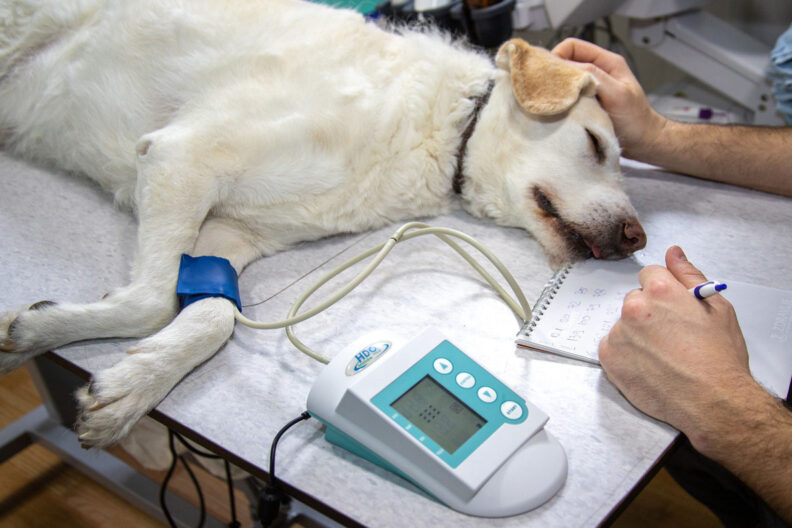
However, dogs can develop other serious cardiovascular conditions that may look very similar to a heart attack. These conditions often create confusion among pet owners because the symptoms can appear nearly identical.
Some examples include:
- Congestive heart failure
- Heart rhythm abnormalities
- Blood clots
- Severe heart disease
- Cardiomyopathy
- Pericardial disease
- Sudden cardiac arrest
Because these conditions can become life-threatening quickly, any suspected heart-related emergency should be treated seriously.
Can Dogs Have a Heart Attack More Often Than We Think?
Many veterinary experts believe that true heart attacks may be underdiagnosed because they can be difficult to confirm without specialized testing.
A dog experiencing a mild heart attack may show vague symptoms that resemble other illnesses. In some cases, the event may only be discovered during advanced cardiac testing or after death.
Fortunately, even though the answer to can dogs have a heart attack is yes, the majority of dogs will never experience one during their lifetime.
What Causes a Heart Attack in Dogs?
Several medical conditions can interfere with blood flow to the heart muscle and potentially cause a heart attack.
Blood Clots
Blood clots are among the most common causes of canine heart attacks.
A clot may block an artery supplying oxygen-rich blood to the heart muscle. When the blockage remains long enough, tissue damage begins to occur.
Severe Heart Disease
Advanced heart disease can weaken the heart and reduce blood circulation throughout the body.
Over time, reduced blood flow can increase the risk of cardiac complications, including heart attacks.
Tumors
Tumors affecting the heart or nearby blood vessels may interfere with normal circulation.
Some tumors can compress arteries or increase the risk of clot formation.
Hormonal Disorders
Certain endocrine disorders can increase cardiovascular risks.
Examples include:
- Cushing’s disease
- Diabetes
- Hypothyroidism
These conditions may contribute to changes in blood vessels and circulation.
Bacterial Infections
Serious infections can damage heart structures and increase the risk of cardiovascular complications.
Infections involving heart valves are particularly concerning.
Kidney Disease
Chronic kidney disease may indirectly affect cardiovascular health by increasing blood pressure and placing additional stress on the heart.
Can a Dog Have a Heart Attack From Anxiety?
Many owners ask, can a dog have a heart attack from anxiety?
In most cases, anxiety alone does not directly cause a heart attack in a healthy dog.
However, severe anxiety can trigger significant physical responses, including:
- Increased heart rate
- Elevated blood pressure
- Increased stress hormone release
- Higher oxygen demand by the heart
For dogs that already have serious heart disease, extreme stress may worsen existing cardiac conditions and contribute to a medical emergency.
Therefore, while anxiety itself rarely causes a true heart attack, it can aggravate underlying heart problems.
Can a Dog Have a Heart Attack From Being Scared?
Another common concern is can a dog have a heart attack from being scared?
A sudden frightening event can create a dramatic stress response. Fireworks, thunderstorms, accidents, or traumatic experiences may cause a dog’s heart rate to rise rapidly.
For healthy dogs, this response is usually temporary and harmless.
For dogs with severe heart disease, however, intense fear may trigger complications such as:
- Dangerous arrhythmias
- Collapse episodes
- Cardiac distress
- Sudden worsening of heart failure
While fear alone rarely causes a heart attack, it can contribute to serious cardiovascular events in vulnerable dogs.
Understanding the Difference Between Heart Attack and Cardiac Arrest
Many people use the terms interchangeably, but they are not the same.
Heart Attack
A heart attack occurs when blood flow to part of the heart muscle is blocked.
The heart usually continues beating, although damage occurs within the heart tissue.
Cardiac Arrest
Cardiac arrest happens when the heart suddenly stops functioning properly and can no longer pump blood effectively.
This condition is often fatal without immediate intervention.
In dogs, sudden cardiac arrest is generally more common than a true heart attack.
Symptoms of a Heart Attack in Dogs
Recognizing symptoms early may save your dog’s life.
Signs vary depending on the severity of the event and the amount of heart tissue affected.
Sudden Weakness
Dogs may appear unusually tired or unable to stand.
Some dogs become reluctant to walk or play.
Collapse
Unexpected collapse is one of the most serious warning signs.
A dog may suddenly fall and struggle to get up.
Difficulty Breathing
Breathing problems often accompany severe cardiac events.
Watch for:
- Rapid breathing
- Labored breathing
- Panting without exercise
- Open-mouth breathing
Fainting Episodes
Reduced blood flow to the brain may cause fainting.
These episodes can last seconds or minutes.
Abnormal Heart Rate
The heart may beat:
- Too fast
- Too slow
- Irregularly
Veterinarians often identify these abnormalities during examination.
Pale or Blue Gums
Healthy gums are usually pink.
Blue, gray, or pale gums may indicate poor oxygen circulation.
Restlessness
Dogs experiencing heart distress may seem unable to get comfortable.
They may pace, whine, or appear anxious.
Vomiting
Some dogs experience nausea or vomiting during cardiovascular emergencies.
Sudden Death
Unfortunately, severe heart attacks or cardiac arrest can sometimes result in sudden death.
Early Signs of Heart Disease That Should Never Be Ignored
Since heart attacks often occur in dogs with existing heart problems, recognizing early heart disease symptoms is critical.
Watch for:
- Persistent coughing
- Reduced stamina
- Exercise intolerance
- Weight loss
- Increased sleeping
- Rapid breathing while resting
- Swollen abdomen
- Decreased appetite
Early diagnosis often leads to better outcomes.
Dog Breeds More Prone to Heart Problems
While any dog can develop heart disease, some breeds have higher risk levels.
Cavalier King Charles Spaniel
This breed commonly develops mitral valve disease.
Doberman Pinscher
Dobermans are prone to dilated cardiomyopathy.
Boxer
Boxers may develop inherited heart rhythm disorders.
Great Dane
Large breeds face increased risk for heart enlargement.
Irish Wolfhound
This breed is more susceptible to certain cardiac conditions.
Cocker Spaniel
Heart disease can occur relatively frequently in aging Cocker Spaniels.
Owners of these breeds should prioritize regular veterinary heart screenings.
How Veterinarians Diagnose a Heart Attack in Dogs
Diagnosing a canine heart attack requires multiple tests.
Physical Examination
The veterinarian listens to the heart and lungs while evaluating circulation.
Blood Tests
Blood tests may identify markers associated with heart muscle damage.
Electrocardiogram (ECG)
An ECG records electrical activity within the heart.
This test helps identify rhythm abnormalities.
Chest X-Rays
X-rays allow veterinarians to evaluate heart size and lung condition.
Echocardiogram
An echocardiogram is an ultrasound of the heart.
It provides detailed information about:
- Heart structure
- Blood flow
- Valve function
- Pumping efficiency
Blood Pressure Measurement
High blood pressure may contribute to cardiovascular disease.
What To Do If You Think Your Dog Is Having a Heart Attack
Immediate action is essential.
Stay Calm
Dogs can sense panic.
Remaining calm helps you make better decisions.
Contact a Veterinarian Immediately
Call your veterinarian or nearest emergency animal hospital.
Describe symptoms clearly.
Limit Physical Activity
Do not encourage your dog to walk or run.
Keep movement minimal.
Monitor Breathing
Observe breathing rate and effort while preparing for transport.
Transport Safely
Use a blanket or supportive surface if your dog cannot stand.
Seek emergency veterinary care immediately.
Treatment for Heart Attack in Dogs
Treatment depends on the underlying cause and severity.
Oxygen Therapy
Oxygen helps improve circulation and tissue oxygenation.
Intravenous Fluids
Carefully managed fluids may support circulation.
Medications
Veterinarians may prescribe medications for:
- Blood pressure control
- Heart rhythm stabilization
- Blood clot prevention
- Heart failure management
Hospitalization
Severe cases often require intensive monitoring.
Long-Term Cardiac Care
Many dogs require lifelong management after a major cardiac event.
Recovery After a Heart Attack
Recovery varies widely.
Factors affecting prognosis include:
- Age
- Overall health
- Extent of heart damage
- Underlying disease
- Speed of treatment
Some dogs recover well and enjoy years of good quality life.
Others may require ongoing medication and regular veterinary monitoring.
Can Heart Attacks Be Prevented?
Not all heart attacks can be prevented, but many risk factors can be managed.
Schedule Regular Veterinary Exams
Routine checkups help identify heart disease early.
Maintain a Healthy Weight
Obesity places additional strain on the cardiovascular system.
Feed a Balanced Diet
Nutrition plays a major role in overall health.
Choose high-quality dog food appropriate for your dog’s age and condition.
Encourage Safe Exercise
Regular exercise supports cardiovascular fitness.
Avoid excessive activity in dogs with diagnosed heart disease.
Manage Chronic Illnesses
Proper treatment of diabetes, kidney disease, and hormonal disorders can reduce cardiovascular risk.
Reduce Stress
While stress alone rarely causes heart attacks, minimizing chronic anxiety supports overall wellness.
Common Myths About Heart Attacks in Dogs
Myth 1: Dogs Cannot Have Heart Attacks
False.
Although uncommon, dogs can experience true heart attacks.
Myth 2: Every Collapse Is a Heart Attack
False.
Collapse may result from many conditions, including seizures, neurological disorders, heatstroke, or low blood sugar.
Myth 3: Only Older Dogs Develop Heart Problems
False.
Some heart conditions affect puppies and young adult dogs.
Myth 4: Heart Disease Always Causes Symptoms
False.
Many dogs show no obvious signs until disease becomes advanced.
Expert Insight: Why Owners Often Miss Heart Disease
One of the biggest challenges in canine heart health is that dogs naturally hide weakness.
In the wild, showing illness can make animals vulnerable. As a result, dogs often compensate for heart disease until symptoms become severe.
Owners may notice subtle changes months before diagnosis, such as:
- Less enthusiasm during walks
- Longer recovery after exercise
- More sleeping
- Mild coughing
Paying attention to these small changes can lead to earlier detection and better outcomes.
When Should You Call an Emergency Veterinarian?
Seek immediate emergency care if your dog experiences:
- Collapse
- Difficulty breathing
- Blue gums
- Unresponsiveness
- Sudden weakness
- Repeated fainting
- Severe lethargy
- Rapid worsening symptoms
These signs should never be ignored.
Final Thoughts on Can a Dog Have Heart Attack
So, can a dog have heart attack?
Yes, dogs can have heart attacks, but they are far less common than in humans. Many events that owners describe as heart attacks are actually caused by heart disease, heart failure, dangerous heart rhythms, or sudden cardiac arrest.
Understanding the warning signs, recognizing risk factors, and seeking prompt veterinary care can make a significant difference in your dog’s outcome. Regular checkups, healthy lifestyle habits, and early attention to subtle symptoms remain the best defense against serious heart problems.
If your dog ever shows signs of collapse, breathing difficulty, or sudden weakness, treat the situation as an emergency and contact a veterinarian immediately. Quick action can save your pet’s life.
Frequently Asked Questions
How long can a dog live after a heart attack?
The answer depends on the severity of heart damage and the underlying condition. Some dogs recover and live for years with proper treatment, while others may have a poorer prognosis.
Can puppies have heart attacks?
Heart attacks are extremely rare in puppies. However, congenital heart defects can cause serious cardiac complications at a young age.
Is coughing always a sign of a heart attack in dogs?
No. Coughing is more commonly associated with heart disease, respiratory infections, allergies, or tracheal problems rather than an actual heart attack.
Can heart attacks happen while a dog is sleeping?
Yes. Although uncommon, severe cardiac events can occur during sleep, especially in dogs with advanced heart disease.
Do dogs cry out during a heart attack?
Some dogs may vocalize due to discomfort, while others become quiet, weak, or collapse without making any sound.
Can weather changes increase heart risks in dogs?
Extreme heat and severe cold can place additional strain on the cardiovascular system, particularly in dogs with existing heart disease.
Should I monitor my dog’s resting breathing rate?
Yes. Monitoring resting breathing rate is one of the simplest ways to detect early heart problems. A consistently elevated resting breathing rate should be discussed with your veterinarian.
Can a healthy dog suddenly have a heart attack?
While uncommon, it is possible. Hidden heart disease, blood clots, tumors, or inherited conditions can sometimes lead to sudden cardiac events in dogs that appeared healthy.
Are certain diets linked to heart disease in dogs?
Research has explored potential links between some specialty diets and certain heart conditions. Always discuss dietary choices with your veterinarian to ensure balanced nutrition.
Can regular heart screenings help prevent emergencies?
Absolutely. Early detection of heart disease often allows treatment to begin before severe symptoms develop, reducing the risk of life-threatening cardiac events.