How Long Does a Heart Attack Take to Kill You? The Symptoms, Survival Time, Emergency Action, and Recovery
Many people ask the frightening question: how long does a heart attack take to kill you?
The truth is that a heart attack can become deadly within minutes, but in many cases, people survive if they get fast medical treatment. The amount of time depends on several important factors, including how severe the blockage is, how quickly treatment starts, the person’s age, their overall health, and whether the heart stops beating normally.
Some heart attacks cause sudden death in less than 10 minutes because of cardiac arrest. Others develop slowly over several hours while warning signs come and go. This is why every second matters.
Understanding how long does a heart attack take to kill you is important because fast action can save a life. Many people ignore symptoms, hoping they will go away. Unfortunately, waiting too long increases damage to the heart muscle and raises the risk of death.
In the United States, heart disease remains one of the leading causes of death. Medical experts continue to stress the importance of recognizing symptoms early and calling 911 immediately.
A heart attack is not always dramatic like in movies. Some people feel crushing chest pain. Others experience mild pressure, sweating, fatigue, nausea, jaw pain, or shortness of breath. Women, older adults, and people with diabetes may have unusual symptoms.
This guide explains everything you need to know about how long does a heart attack take to kill you, including timelines, symptoms, survival rates, emergency steps, risk factors, prevention methods, recovery, and important facts many online articles fail to explain clearly.
What Is a Heart Attack?
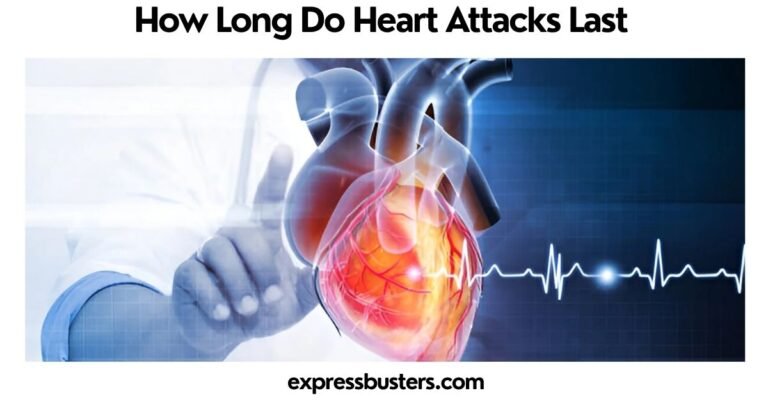
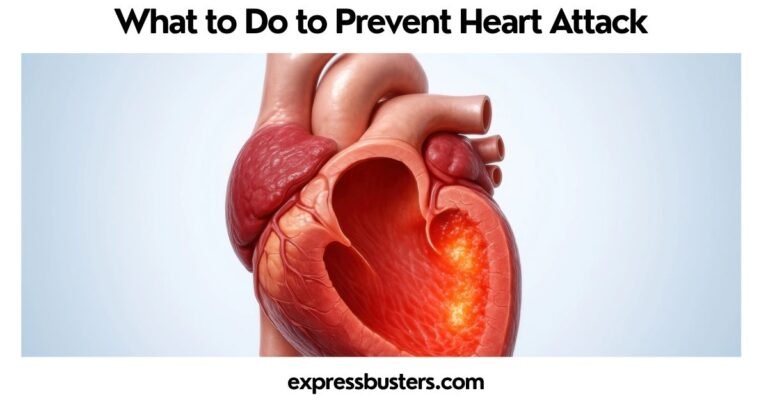
A heart attack happens when blood flow to part of the heart becomes blocked. Doctors call this a myocardial infarction.
The heart needs oxygen-rich blood to work properly. When an artery becomes blocked, part of the heart muscle begins to die because it no longer gets enough oxygen.
Most heart attacks happen because fatty deposits called plaque build up inside the coronary arteries over many years. If a plaque breaks open, a blood clot can form and suddenly block blood flow.
Without treatment, the damage gets worse minute by minute.
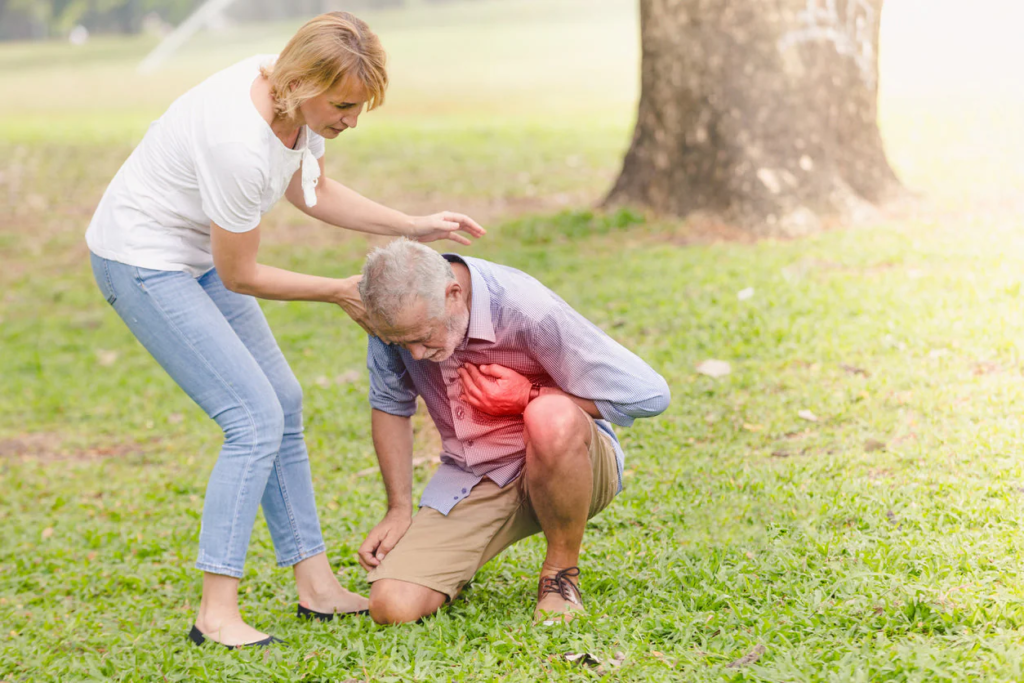
This is why people often ask how long does a heart attack take to kill you. The answer depends on how long the heart goes without oxygen and whether the blockage leads to dangerous heart rhythm problems.
How Long Does a Heart Attack Take to Kill You?
The answer varies from person to person.
Some people die almost immediately if the heart attack causes sudden cardiac arrest. In these situations, the heart suddenly stops pumping blood effectively. Brain damage can begin within 4 to 6 minutes without oxygen.
Other people may survive for hours, days, or even years after a heart attack if treatment starts quickly.
Doctors often say:
“Time is muscle.”
That means every minute without treatment causes more permanent heart damage.
Here is a simple breakdown:
Within the First Few Minutes
A severe heart attack can trigger a deadly abnormal heart rhythm called ventricular fibrillation. This may cause collapse and sudden death within minutes.
Without CPR or defibrillation, survival chances fall quickly.
Within 30 Minutes to 1 Hour
The heart muscle starts suffering major damage. Many deadly complications happen during this early stage.
The first hour is often called the “golden hour” because treatment during this time greatly improves survival.
Within Several Hours
Heart muscle continues dying.
People who delay treatment are at much higher risk for heart failure, shock, or fatal rhythm problems.
Also Read: What Happens During a Heart Attack? Symptoms, Causes, Warning Signs & Treatment Guide
After 12 Hours or More
Large areas of the heart may become permanently damaged.
Survival is still possible, but complications become more serious.
The important point is this:
A heart attack does not always kill instantly, but waiting too long can be deadly.
Why Some Heart Attacks Kill Faster Than Others
Not all heart attacks are the same.
Some are small and cause limited damage. Others completely block a major artery and become deadly very quickly.
Several factors affect how long does a heart attack take to kill you.
Size of the Blockage
A complete blockage in a major artery is far more dangerous than a partial blockage.
Location of the Blockage
A blockage in the left anterior descending artery is often called the “widowmaker” because it can stop blood flow to a large portion of the heart.
Age and Overall Health
Older adults and people with diabetes, high blood pressure, obesity, or kidney disease usually face higher risks.
Speed of Medical Treatment
Fast treatment dramatically improves survival.
Opening blocked arteries quickly can save heart muscle and prevent death.
Whether Cardiac Arrest Happens
A heart attack becomes far more dangerous if it causes sudden cardiac arrest.
Cardiac arrest means the heart suddenly stops pumping blood.
Without CPR and defibrillation, death can happen within minutes.
Heart Attack vs Cardiac Arrest
Many people confuse these two conditions.
Understanding the difference is important when discussing how long does a heart attack take to kill you.
Heart Attack
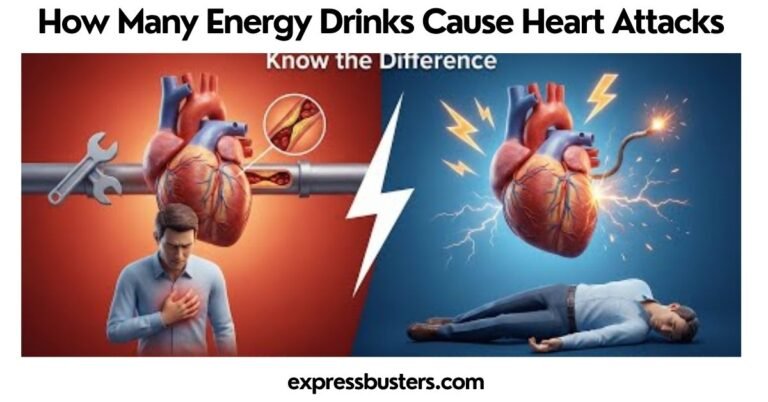
A heart attack is a circulation problem.
Blood flow to the heart becomes blocked.
The heart usually continues beating during a heart attack.
Cardiac Arrest
Cardiac arrest is an electrical problem.
The heart suddenly stops beating properly.
The person collapses, loses consciousness, and stops breathing normally.
Cardiac arrest can happen during a heart attack.
This is often what causes sudden death.
Warning Signs Before a Deadly Heart Attack
Many people have warning signs before a major heart attack.
Symptoms may appear hours, days, or even weeks before the event.
Never ignore these symptoms.
Common Heart Attack Symptoms
Chest pain or pressure
Pain spreading to the arm, neck, jaw, shoulder, or back
Shortness of breath
Sweating
Nausea or vomiting
Dizziness
Extreme fatigue
Rapid heartbeat
Feeling anxious or weak
Symptoms in Women
Women often experience less obvious symptoms.
These may include:
Unusual fatigue
Back pain
Jaw pain
Nausea
Shortness of breath
Indigestion-like discomfort
Because symptoms can seem mild, many women delay treatment.
Silent Heart Attacks
Some heart attacks happen with very mild symptoms or no symptoms at all.
These are called silent heart attacks.
They are more common in older adults and people with diabetes.
Even silent heart attacks can cause permanent heart damage.
How Fast Does Heart Damage Begin?
Heart damage begins almost immediately after blood flow stops.
Within minutes, heart cells begin to suffer.
If blood flow is not restored quickly, the damage becomes permanent.
Doctors aim to reopen blocked arteries within 90 minutes whenever possible.
Quick treatment can save large amounts of heart muscle.
Delays increase the chance of:
Heart failure
Dangerous rhythm problems
Shock
Sudden death
Permanent disability
What Happens During a Heart Attack?
Understanding what happens inside the body helps explain how long does a heart attack take to kill you.
Step 1: Plaque Rupture
A fatty plaque inside a coronary artery breaks open.
Step 2: Blood Clot Forms
The body tries to repair the rupture, but a blood clot forms.
Step 3: Blood Flow Stops
The clot blocks blood flow to part of the heart.
Step 4: Oxygen Drops
The heart muscle loses oxygen.
Step 5: Heart Cells Begin Dying
Without oxygen, heart tissue starts dying.
Step 6: Dangerous Complications May Develop
The heart may beat abnormally or stop pumping effectively.
This can lead to sudden death.
What Is the Golden Hour?
The first hour after heart attack symptoms begin is called the golden hour.
This is the most important time for survival.
Getting treatment during this period greatly lowers the risk of death.
Also Read: What Does Heart Attack Feel Like? A Complete Guide to Signs, Symptoms, and Early Warning Signals
Emergency treatments during the golden hour may include:
Aspirin
Oxygen
Medications to dissolve clots
Angioplasty and stent placement
Defibrillation for dangerous heart rhythms
People who receive treatment early often recover much better.
Survival Rates for Heart Attacks
Modern medicine has greatly improved heart attack survival.
Many people now survive because of better emergency care, faster diagnosis, improved medications, and advanced procedures.
Studies show survival rates for hospitalized heart attack patients are now above 90% in many cases.
However, sudden cardiac arrest outside the hospital remains extremely deadly.
Survival rates drop quickly when CPR and defibrillation are delayed.
Can You Survive a Heart Attack Alone?
Some people survive heart attacks without immediate help.
Others do not.
Trying to “wait it out” is extremely dangerous.
Many deaths happen because people delay calling 911.
Some common reasons people wait include:
Thinking symptoms are heartburn
Fear of embarrassment
Not wanting to bother others
Believing symptoms will disappear
Worry about hospital costs
Unfortunately, these delays can be fatal.
What To Do If Someone Is Having a Heart Attack
Fast action can save a life.
If you think someone is having a heart attack:
Call 911 immediately
Help the person sit down calmly
Loosen tight clothing
Give aspirin if advised and if there is no allergy
Monitor breathing
Be ready to start CPR if the person collapses
Use an AED if available
Never drive yourself to the hospital if symptoms are severe.
Emergency medical teams can begin treatment immediately.
How CPR Helps During a Heart Attack
CPR keeps blood flowing to the brain and organs when the heart stops beating.
Hands-only CPR can double or triple survival chances during cardiac arrest.
Basic steps include:
Call 911
Push hard and fast in the center of the chest
Continue until help arrives
AED devices in public places can also restart the heart.
The Most Dangerous Heart Attack: The Widowmaker
One of the deadliest types of heart attacks is the widowmaker.
This happens when the left anterior descending artery becomes blocked.
This artery supplies blood to a large part of the heart.
A complete blockage can cause sudden collapse and death.
However, not every widowmaker is instantly fatal.
Fast emergency treatment saves many lives.
Risk Factors That Increase Heart Attack Death Risk
Several conditions increase the chance of a deadly heart attack.
Smoking
Smoking damages blood vessels and increases clot formation.
High Blood Pressure
High blood pressure strains the heart and arteries.
High Cholesterol
Excess cholesterol contributes to plaque buildup.
Diabetes
Diabetes damages blood vessels and nerves.
Obesity
Excess body weight increases heart strain.
Physical Inactivity
Lack of exercise weakens heart health.
Family History
Genetics can increase heart disease risk.
Stress
Chronic stress may increase blood pressure and unhealthy behaviors.
Poor Diet
Diets high in processed foods, sugar, and unhealthy fats raise risk.
Heart Attack Symptoms by Age
Symptoms can vary with age.
Younger Adults
Younger people often ignore symptoms because they believe they are “too young” for heart problems.
Chest pain is more common.
Older Adults
Older adults may experience confusion, weakness, fatigue, or shortness of breath instead of strong chest pain.
Why Women Often Have Different Symptoms
Women are more likely to have subtle symptoms.
This sometimes leads to delayed diagnosis.
Women may experience:
Extreme tiredness
Sleep problems
Nausea
Upper back pain
Jaw discomfort
Shortness of breath
Because symptoms can appear less dramatic, women may wait longer before seeking help.
Can Stress Cause a Heart Attack?
Extreme stress can trigger heart attacks in some people.
Stress raises blood pressure and heart rate.
It may also contribute to unhealthy habits such as smoking, overeating, poor sleep, and alcohol misuse.
Severe emotional shock can sometimes trigger a condition called stress cardiomyopathy, also known as broken heart syndrome.
How Doctors Diagnose a Heart Attack
Doctors use several tests to diagnose heart attacks.
Electrocardiogram (ECG or EKG)
Measures electrical activity in the heart.
Blood Tests
Detect heart muscle damage.
Coronary Angiography
Shows blocked arteries.
Echocardiogram
Uses sound waves to examine heart function.
CT Scans and Imaging
Provide detailed pictures of the heart.
Emergency Treatments for Heart Attacks
Treatment aims to restore blood flow quickly.
Angioplasty and Stents
Doctors open blocked arteries using a balloon and place a stent to keep the artery open.
Clot-Busting Drugs
Some medications dissolve blood clots.
Bypass Surgery
Surgeons create a new route for blood flow around blocked arteries.
Medications
Doctors may prescribe:
Blood thinners
Beta blockers
Statins
Nitroglycerin
ACE inhibitors
How Long Does Recovery Take After a Heart Attack?
Recovery depends on how much damage occurred.
Some people return to normal activities within weeks.
Others require months of recovery.
Cardiac rehabilitation programs help patients improve strength and reduce future risk.
Recovery often includes:
Exercise
Healthy eating
Medication management
Stress reduction
Smoking cessation
Regular doctor visits
Can a Heart Attack Kill You in Your Sleep?
Yes.
Some heart attacks happen during sleep.
People may experience chest pain, sweating, or shortness of breath during the night.
Others may die suddenly from cardiac arrest while sleeping.
People with untreated heart disease, sleep apnea, obesity, or high blood pressure may face higher risk.
How To Reduce Your Risk of a Deadly Heart Attack
Prevention is one of the most important parts of understanding how long does a heart attack take to kill you.
Healthy habits greatly reduce risk.
Stop Smoking
Quitting smoking improves heart health quickly.
Eat a Heart-Healthy Diet
Focus on:
Fruits
Vegetables
Whole grains
Lean proteins
Healthy fats
Limit processed foods, salt, and added sugar.
Exercise Regularly
Physical activity strengthens the heart.
Aim for at least 150 minutes of moderate exercise weekly.
Control Blood Pressure
Regular checkups are important.
Manage Cholesterol
Lowering LDL cholesterol reduces plaque buildup.
Maintain a Healthy Weight
Weight loss can lower heart disease risk.
Manage Stress
Sleep, relaxation, and mental health care matter.
Control Diabetes
Stable blood sugar protects blood vessels.
Why Immediate Treatment Matters So Much
One of the biggest mistakes people make is delaying treatment.
Even a delay of 30 minutes can increase heart damage.
Many patients survive because they call for help immediately.
Others die because they wait too long.
Emergency care today is much better than decades ago.
Modern treatments can restore blood flow quickly and save lives.
This is why recognizing symptoms early is critical.
Important Facts Many People Do Not Know
Here are several important facts about how long does a heart attack take to kill you that many people misunderstand.
Not Every Heart Attack Causes Sudden Collapse
Some develop slowly over hours.
Mild Symptoms Can Still Be Dangerous
Do not ignore mild chest discomfort.
Also Read: Can Stress Cause a Heart Attack? The Complete Guide to Stress, Anxiety, and Heart Health
Young People Can Have Heart Attacks
Heart attacks are becoming more common in younger adults because of obesity, stress, smoking, and diabetes.
Women Often Receive Delayed Treatment
Their symptoms may look different.
Silent Heart Attacks Are Real
Some people do not realize they had a heart attack until later medical tests.
Survival Improves With Fast Action
Quick treatment saves heart muscle.
Emotional Impact After a Heart Attack
Many survivors experience emotional challenges.
These may include:
Fear
Depression
Anxiety
Stress
Worry about future attacks
Mental health support and cardiac rehabilitation can help recovery.
How Heart Attacks Affect Families
Heart attacks affect entire families.
Loved ones often feel fear, stress, and emotional shock.
Families can help by encouraging healthy habits, attending doctor visits, and learning CPR.
The Future of Heart Attack Treatment
Medical science continues improving heart attack survival.
New technologies include:
Better clot-removal devices
Advanced heart imaging
Wearable heart monitors
Artificial intelligence for faster diagnosis
Improved emergency response systems
These advances may continue lowering death rates.
Common Myths About Heart Attacks
Heart Attacks Always Cause Severe Chest Pain
Reality: Symptoms can be mild.
Only Older Men Get Heart Attacks
Reality: Women and younger adults can also have heart attacks.
You Should Drive Yourself to the Hospital
Reality: Calling 911 is safer.
Symptoms Will Go Away on Their Own
Reality: Waiting can be deadly.
Healthy People Never Have Heart Attacks
Reality: Genetics and hidden conditions still matter.
When Should You Call 911?
Call immediately if symptoms last more than a few minutes or keep returning.
Never ignore:
Chest pressure
Shortness of breath
Pain spreading to the arm or jaw
Sudden sweating
Dizziness
Nausea with chest discomfort
Extreme weakness
Fast action saves lives.
Final Thoughts
So, how long does a heart attack take to kill you?
The answer depends on the severity of the blockage, the speed of treatment, and whether dangerous heart rhythm problems occur.
Some heart attacks become deadly within minutes. Others develop more slowly over several hours.
The most important thing to remember is that immediate medical care greatly improves survival.
Never ignore warning signs.
Every minute matters.
Understanding symptoms, knowing when to call 911, learning CPR, and living a heart-healthy lifestyle can save lives.
Modern medicine has dramatically improved heart attack survival rates, but fast action remains the key.
If you or someone around you experiences symptoms of a heart attack, seek emergency medical help immediately.
FAQs About How Long Does a Heart Attack Take to Kill You
Can you survive a heart attack without treatment?
Some people survive small heart attacks without treatment, but this is extremely risky. Delaying medical care increases the chance of death and permanent heart damage.
How long can chest pain last before a heart attack?
Chest pain may begin minutes, hours, days, or even weeks before a major heart attack. Symptoms that last more than a few minutes should never be ignored.
Can a healthy person die from a heart attack suddenly?
Yes. Even healthy-looking people can have hidden heart disease or dangerous rhythm problems.
Is a heart attack always painful?
No. Some heart attacks cause mild discomfort or unusual symptoms instead of severe pain.
What is the survival rate after a heart attack?
Survival rates are much higher today because of modern treatments. Many hospitalized patients survive when they receive quick care.
How quickly should you go to the hospital during a heart attack?
Immediately. Experts recommend calling 911 at the first sign of symptoms.
Can stress alone cause a fatal heart attack?
Extreme stress may trigger heart problems in some people, especially if they already have heart disease.
What happens if a blocked artery is not opened quickly?
The heart muscle continues dying, which increases the risk of heart failure, cardiac arrest, and death.
Can young adults have deadly heart attacks?
Yes. Heart attacks can happen in younger adults, especially with smoking, obesity, diabetes, high blood pressure, or family history.
Does aspirin stop a heart attack?
Aspirin may help reduce clotting during a heart attack, but it is not a complete treatment. Emergency medical care is still necessary.