What Does Heart Attack Feel Like? A Complete Guide to Signs, Symptoms, and Early Warning Signals
Many people ask the same frightening question every day: what does heart attack feel like? Some expect a sudden collapse with sharp chest pain. Others think it only happens to older adults. The truth is very different.
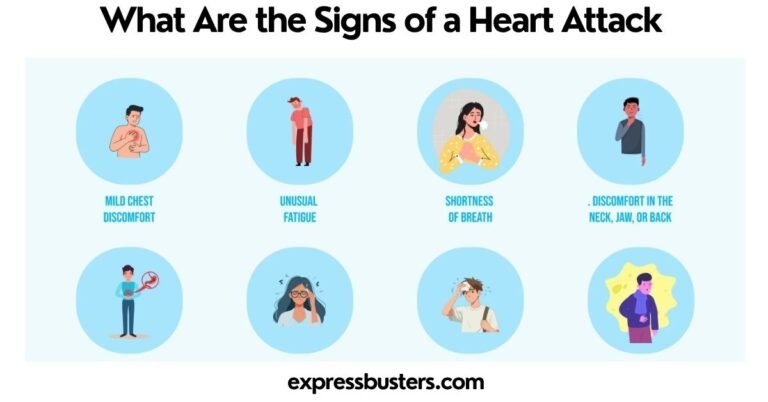
A heart attack can feel mild, confusing, slow, or even silent. Some people feel pressure in the chest. Others feel pain in the arm, jaw, back, or stomach. Some women feel extreme tiredness instead of chest pain. In many cases, people ignore the symptoms because they do not realize what is happening.
Knowing the answer to “what does heart attack feel like” can save a life. Fast treatment lowers damage to the heart and improves survival. Every minute matters.
This complete guide explains the real symptoms of a heart attack in simple language. You will learn how heart attack symptoms feel in men and women, how arm pain feels, what warning signs should never be ignored, and when to call emergency services.
It also includes expert insights, practical advice, and frequently asked questions that many websites fail to cover.
What Does Heart Attack Feel Like?
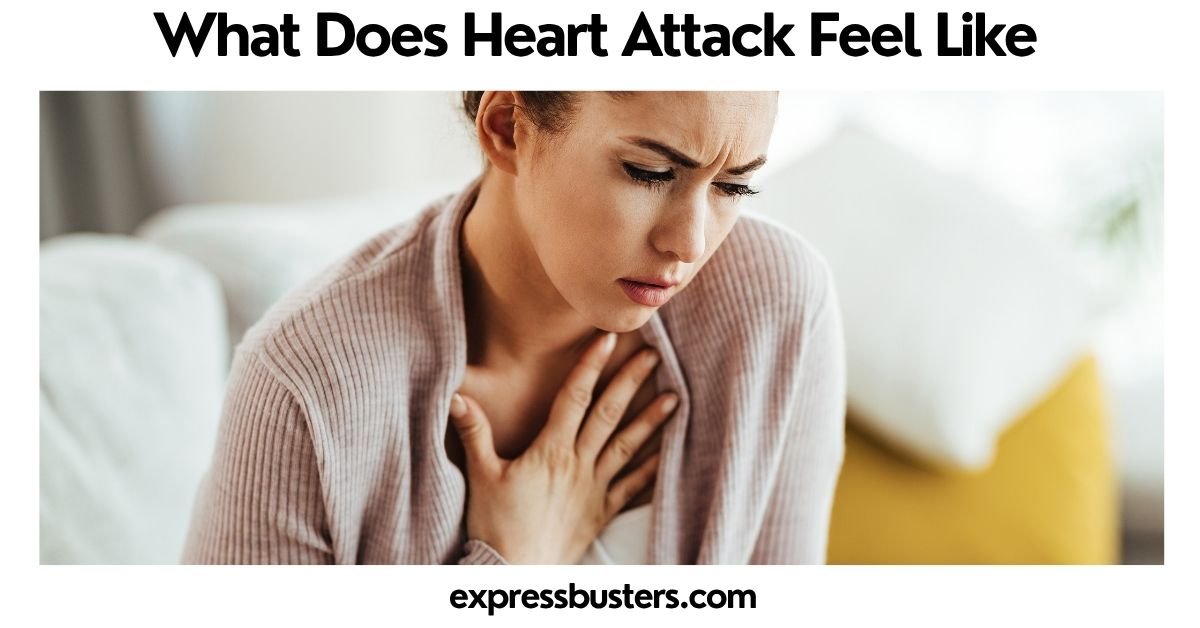
The feeling of a heart attack is different for every person. Some people describe it as pressure, tightness, squeezing, heaviness, or fullness in the chest. Others say it feels like a heavy weight sitting on the chest.
A heart attack may start slowly with mild discomfort. It can also happen suddenly with severe pain. Symptoms may come and go before becoming stronger.
Many survivors explain the feeling in these ways:
- A crushing pressure in the chest
- Tightness that spreads into the arm or jaw
- Burning pain that feels like heartburn
- Trouble breathing while resting
- Sudden sweating without exercise
- Extreme weakness or dizziness
- Feeling sick to the stomach
- A strange feeling that something is very wrong
One important fact many people do not know is that chest pain is not always severe. Some people only feel mild discomfort.
Another important fact is that symptoms often begin before the actual heart attack becomes serious. The body usually sends warning signals.
Why a Heart Attack Happens
A heart attack happens when blood flow to the heart muscle becomes blocked. This usually happens because fat, cholesterol, and plaque build up inside the arteries.
When the blockage stops oxygen-rich blood from reaching the heart, the heart muscle starts getting damaged.
Also Read: Can Stress Cause a Heart Attack? The Complete Guide to Stress, Anxiety, and Heart Health
The medical name for a heart attack is myocardial infarction.
Several risk factors increase the chance of having a heart attack:
- High blood pressure
- High cholesterol
- Smoking
- Diabetes
- Obesity
- Lack of exercise
- Stress
- Family history of heart disease
- Heavy alcohol use
- Poor diet
- Older age
Understanding the cause helps explain why symptoms feel the way they do. The pain happens because the heart muscle is not getting enough oxygen.
What Does a Heart Attack Feel Like in the Chest?
Chest discomfort is the most common symptom.
However, many people misunderstand chest pain during a heart attack. It is not always sharp.
Most heart attack survivors describe chest symptoms as:
- Pressure
- Squeezing
- Tightness
- Fullness
- Heaviness
- Burning
- Crushing pain
The discomfort is usually in the center or left side of the chest. It may last several minutes or come and go.
Some people compare it to:
- An elephant sitting on the chest
- A tight belt around the chest
- Severe indigestion
- Strong pressure pushing inward
The pain may increase with activity and improve slightly with rest.
One dangerous mistake is assuming the pain is only heartburn or gas. Many people delay emergency care because symptoms seem mild at first.
What Does Heart Attack Arm Pain Feel Like?
One of the most searched questions online is: what does heart attack arm pain feel like?
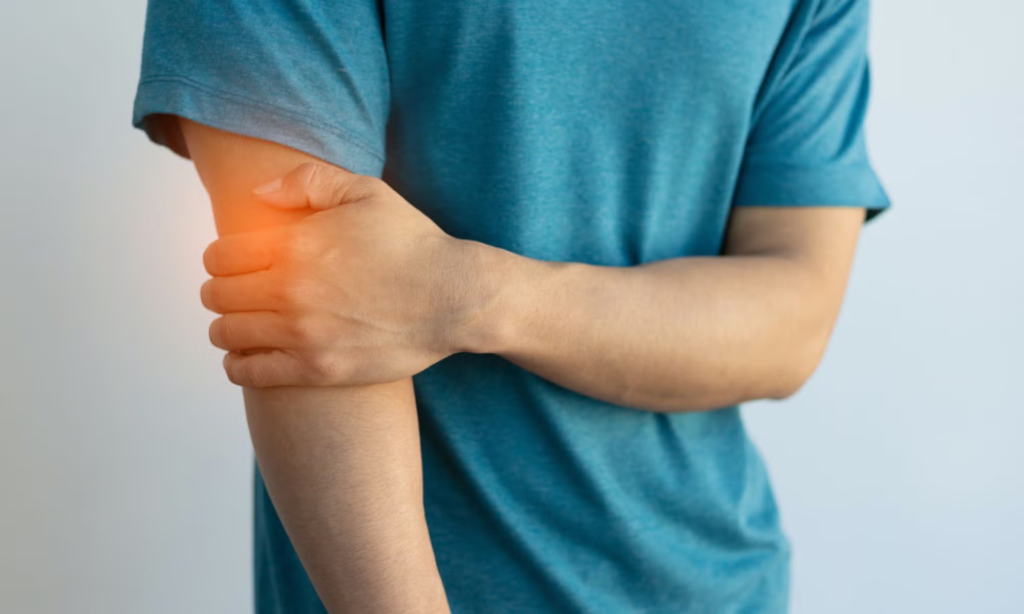
Heart attack arm pain usually feels dull, heavy, aching, or spreading. It often affects the left arm, but it can also happen in the right arm or both arms.
Unlike muscle soreness from exercise, heart attack arm pain often:
- Starts in the chest and moves outward
- Feels deep inside the arm
- Happens suddenly
- Comes with chest pressure or sweating
- Does not improve with movement
- Feels heavy or numb
Some people describe the pain as a strange ache traveling from the chest into the shoulder and down the arm.
Others report tingling, numbness, or weakness.
A key difference between heart attack arm pain and regular muscle pain is that heart-related pain usually appears with other symptoms like shortness of breath, nausea, dizziness, or chest discomfort.
What Does a Heart Attack Feel Like for Women?
The question “what does a heart attack feel like for women” is extremely important because women often experience different symptoms than men.
Many women do not feel dramatic chest pain. Instead, symptoms can be subtle and easy to ignore.
Women commonly report:
- Unusual fatigue
- Nausea
- Back pain
- Jaw pain
- Neck pain
- Dizziness
- Shortness of breath
- Mild chest pressure
- Sleep problems before the attack
- Indigestion-like discomfort
Some women say they felt exhausted for days before the heart attack happened.
Others describe flu-like symptoms or pressure in the upper back.
This is why heart attacks in women are sometimes diagnosed later.
Women may wait longer to seek medical help because symptoms do not match the classic movie-style chest clutching scene.
Understanding what does a heart attack feel like for women can help save lives because early recognition leads to faster treatment.
What Does a Heart Attack Feel Like to a Woman?
Many women explain a heart attack differently than men.
Instead of sharp pain, women often describe:
- A squeezing feeling in the chest
- Pressure in the upper body
- A burning sensation
- Pain between the shoulder blades
- Sudden weakness
- Anxiety with physical symptoms
- Difficulty catching breath
Some women say the experience felt more like severe exhaustion than pain.
Others report feeling like they had intense heartburn or a pulled muscle.
Women are also more likely to experience symptoms while resting or sleeping.
These differences matter because many women dismiss symptoms as stress, acid reflux, anxiety, or tiredness.
Silent Heart Attacks Are More Common Than People Think
Not all heart attacks are dramatic.
Some are called silent heart attacks because symptoms are mild or unclear.
A silent heart attack may feel like:
- Mild chest discomfort
- Tiredness
- Shortness of breath
- Weakness
- Heartburn
- Muscle strain
- Mild jaw or arm pain
Some people do not realize they had a heart attack until weeks or months later during a medical exam.
Silent heart attacks are more common in:
- Older adults
- People with diabetes
- Women
- Smokers
Even mild symptoms should never be ignored.
Early Warning Signs Before a Heart Attack
The body often gives warning signs days or even weeks before a major heart attack.
These symptoms may include:
- Chest pressure during activity
- Shortness of breath
- Unusual tiredness
- Trouble sleeping
- Pain in the arm or jaw
- Dizziness
- Nausea
- Increased sweating
Many people feel symptoms during physical activity, emotional stress, or climbing stairs.
The symptoms may disappear after rest.
This can happen because narrowed arteries struggle to deliver enough blood during stress.
One of the biggest mistakes people make is waiting until symptoms become unbearable.
What Does a Mild Heart Attack Feel Like?
A mild heart attack can still be dangerous.
Symptoms may feel less intense but still damage the heart.
A mild heart attack may include:
- Light chest pressure
- Mild arm discomfort
- Shortness of breath
- Tiredness
- Nausea
- Slight dizziness
- Mild sweating
People often confuse mild heart attacks with:
- Acid reflux
- Panic attacks
- Indigestion
- Muscle pain
- Stress
Even if symptoms seem small, medical evaluation is critical.
Heart Attack Symptoms in Men
Men more often experience the classic symptoms shown in movies and television.
Common symptoms in men include:
- Strong chest pressure
- Pain spreading to the left arm
- Sweating
- Shortness of breath
- Sudden chest tightness
- Jaw pain
- Nausea
However, not all men experience severe chest pain.
Some men only feel discomfort, weakness, or shortness of breath.
How Long Does a Heart Attack Last?
Heart attack symptoms can last several minutes or hours.
Some symptoms come and go.
A typical heart attack often causes discomfort lasting more than 15 minutes.
Symptoms may become stronger over time.
The blockage in the artery usually continues worsening until emergency treatment restores blood flow.
If symptoms disappear and then return, it still may be a heart attack.
Never assume the danger has passed.
Also Raed: Which Aspirin Is Best for Heart Attack? Complete Guide for Fast Emergency Action and Heart Health
What Does Heartburn vs Heart Attack Feel Like?
Heartburn and heart attacks can feel similar.
This confusion causes many dangerous delays.
Heartburn usually:
- Happens after eating
- Causes burning in the chest
- Improves with antacids
- Feels related to stomach acid
A heart attack often:
- Causes pressure or heaviness
- Includes sweating or shortness of breath
- Spreads to the arm, jaw, or back
- Happens during activity or stress
- Does not fully improve with antacids
Still, it is not always easy to tell the difference.
If symptoms are unusual, severe, or combined with other warning signs, emergency care is safest.
Can Anxiety Feel Like a Heart Attack?
Yes, anxiety and panic attacks can feel similar to heart attacks.
Panic attacks may cause:
- Chest tightness
- Fast heartbeat
- Sweating
- Shortness of breath
- Dizziness
- Fear
However, it is dangerous to assume chest pain is only anxiety.
A real heart attack can also trigger anxiety.
The safest approach is to get emergency medical evaluation if symptoms are new, severe, or unexplained.
Symptoms That Need Immediate Emergency Care
Call 911 immediately if you or someone else experiences:
- Chest pressure lasting more than a few minutes
- Pain spreading into the arm, jaw, neck, or back
- Trouble breathing
- Sudden sweating
- Severe dizziness
- Fainting
- Nausea with chest discomfort
- Sudden weakness
Do not drive yourself if symptoms are severe.
Emergency medical teams can begin treatment before reaching the hospital.
What Happens During a Heart Attack?
Understanding the process can help explain the symptoms.
During a heart attack:
- Plaque inside an artery breaks open.
- A blood clot forms.
- Blood flow becomes blocked.
- Heart muscle loses oxygen.
- Damage begins within minutes.
The longer blood flow stays blocked, the more damage occurs.
Fast treatment saves heart muscle.
How Doctors Diagnose a Heart Attack
Doctors use several tests to confirm a heart attack.
Common tests include:
- Electrocardiogram (ECG or EKG)
- Blood tests
- Heart imaging
- Stress tests
- Coronary angiography
Blood tests look for proteins released when the heart muscle becomes damaged.
The ECG checks the heart’s electrical activity.
Quick diagnosis helps doctors start treatment faster.
Heart Attack Treatment
Treatment depends on how severe the blockage is.
Common treatments include:
- Aspirin
- Blood thinners
- Oxygen
- Nitroglycerin
- Stents
- Angioplasty
- Bypass surgery
- Medications for blood pressure and cholesterol
Doctors try to restore blood flow as quickly as possible.
Many people recover successfully when treatment happens early.
Recovery After a Heart Attack
Recovery can take weeks or months.
Most people need lifestyle changes to lower future risk.
Recovery usually includes:
- Heart-healthy eating
- Exercise programs
- Stress management
- Quitting smoking
- Taking medications correctly
- Regular doctor visits
Cardiac rehabilitation programs help patients safely rebuild strength.
Emotional recovery also matters.
Many people feel anxiety or fear after surviving a heart attack.
Support from doctors, family, and counselors can help.
How to Lower Your Risk of a Heart Attack
Prevention is one of the most powerful tools.
You can lower your risk by:
- Avoiding smoking
- Managing blood pressure
- Controlling cholesterol
- Exercising regularly
- Eating fruits and vegetables
- Reducing processed foods
- Managing stress
- Sleeping well
- Keeping diabetes under control
- Maintaining a healthy weight
Small daily habits create major long-term heart benefits.
Why People Ignore Heart Attack Symptoms
Many people delay treatment because symptoms do not match their expectations.
Common reasons include:
- Thinking symptoms are indigestion
- Fear of embarrassment
- Believing they are too young
- Assuming symptoms will disappear
- Confusing symptoms with anxiety
- Not wanting to call 911
This delay can be deadly.
Listening to your body is critical.
The Emotional Side of a Heart Attack
A heart attack affects more than the body.
Many survivors describe:
- Fear
- Confusion
- Shock
- Depression
- Anxiety
- Worry about the future
Mental health support is important after recovery.
Stress management can also improve heart health.
Heart Attack Symptoms by Age
Symptoms may look different depending on age.
Older adults may experience:
- Weakness
- Confusion
- Shortness of breath
- Mild chest discomfort
Younger adults may dismiss symptoms because they think heart attacks only happen later in life.
However, heart attacks in younger adults are increasing due to:
- Smoking
- Obesity
- Stress
- Poor diet
- Diabetes
- High blood pressure
No age group should ignore warning signs.
Why Women’s Heart Attack Symptoms Are Often Missed
Women are more likely to receive delayed diagnosis.
One reason is that many medical studies historically focused more on men.
Another reason is that women often experience non-classic symptoms.
Women may feel:
- Extreme fatigue
- Back pain
- Nausea
- Jaw discomfort
- Trouble sleeping
Instead of severe chest pain.
Awareness is improving, but many women still underestimate their risk.
Heart disease remains one of the leading causes of death among women in the United States.
Can a Heart Attack Happen During Sleep?
Yes.
Some heart attacks happen during sleep or early morning hours.
People may wake up with:
- Chest pressure
- Sweating
- Arm pain
- Trouble breathing
- Jaw pain
- Anxiety
Morning heart attacks may happen because hormone changes increase blood pressure and stress on the heart.
What a Heart Attack Does Not Always Feel Like
A heart attack does not always feel like:
- Sharp stabbing pain
- Sudden collapse
- Dramatic screaming pain
Movies often show unrealistic symptoms.
Real heart attacks can feel slow, confusing, and mild.
This misunderstanding causes dangerous delays in treatment.
Important Insight About Heart Attack Symptoms
One major insight doctors continue emphasizing is this:
The body rarely follows a perfect textbook pattern.
People often expect exact symptoms.
But the human body responds differently depending on:
- Age
- Gender
- Health conditions
- Pain tolerance
- Location of the blockage
This means any unusual chest discomfort combined with sweating, breathing trouble, nausea, or arm pain deserves medical attention.
The safest decision is always early evaluation.
Also Read: What Is a Widow Maker Heart Attack? Symptoms, Causes, Survival Rate, and Prevention
What To Do If You Think Someone Is Having a Heart Attack
If someone may be having a heart attack:
- Call 911 immediately.
- Keep the person calm.
- Help them sit down.
- Loosen tight clothing.
- If advised by emergency services, give aspirin.
- Monitor breathing and consciousness.
- Begin CPR if necessary.
Fast action can save a life.
Common Myths About Heart Attacks
Heart attacks always cause severe chest pain
Reality: Some heart attacks cause only mild discomfort.
Only older people have heart attacks
Reality: Younger adults can also have heart attacks.
Women do not get heart attacks often
Reality: Heart disease is a major killer of women.
If symptoms stop, the danger is gone
Reality: Symptoms may come and go during a heart attack.
Healthy-looking people cannot have heart attacks
Reality: Even fit people can have heart disease.
Frequently Asked Questions About What Does Heart Attack Feel Like
Can a heart attack feel like gas?
Yes. Some heart attacks feel similar to gas pain or indigestion. This is why many people ignore symptoms in the beginning.
What does a mini heart attack feel like?
A mild or “mini” heart attack may cause chest pressure, tiredness, shortness of breath, nausea, or arm discomfort. Even mild symptoms require emergency care.
Does heart attack pain come and go?
Yes. Symptoms may appear, disappear, and return before becoming stronger.
What side does heart attack pain happen on?
Many people feel pain on the left side, but pain can also occur in the center chest, right side, back, jaw, or both arms.
Can women have heart attacks without chest pain?
Yes. Women may experience fatigue, nausea, back pain, or shortness of breath without major chest pain.
How do I know if chest pain is serious?
Chest pain with sweating, nausea, dizziness, arm pain, or trouble breathing should always be treated seriously.
Can young people have heart attacks?
Yes. Smoking, obesity, stress, diabetes, and family history can increase risk in younger adults.
Is jaw pain a sign of a heart attack?
Yes. Some people feel pain or tightness in the jaw, especially women.
What does a heart attack feel like compared to anxiety?
Both may cause chest discomfort and shortness of breath. However, it is safest to get medical evaluation because symptoms can overlap.
How quickly should I seek help?
Immediately. Calling 911 quickly improves survival and reduces heart damage.
Final Thoughts on What Does Heart Attack Feel Like
Understanding what does heart attack feel like is more important than many people realize.
Heart attacks do not always look dramatic. Symptoms can be mild, confusing, slow, or different between men and women.
Some people feel crushing chest pressure. Others feel arm pain, jaw pain, fatigue, nausea, or shortness of breath.
Women often experience different symptoms that are easier to miss.
The biggest lesson is this: never ignore unusual symptoms involving the chest, breathing, sweating, weakness, or spreading pain.
Quick treatment saves lives.
If something feels wrong, trust your instincts and seek emergency medical care.
Knowing the warning signs today could save your life or someone else’s tomorrow.