How Many Beats Per Minute Is a Heart Attack? Signs, Heart Rate, Causes, and When to Get Help
A heart attack is one of the most serious medical emergencies in the United States. Every year, hundreds of thousands of Americans experience heart attacks, and many people search online asking one important question: “how many beats per minute is a heart attack?”
The truth is that there is no single heart rate that automatically means a person is having a heart attack. Some people may have a very fast heartbeat during a heart attack, while others may have a slow heartbeat or even a normal pulse.
Still, changes in heart rate can be an important warning sign. Understanding how heart rate works during a heart attack may help you recognize danger early and get medical help quickly.
This guide explains everything you need to know about heart rate and heart attacks in simple language. You will learn what heart rate numbers are considered dangerous, what symptoms to watch for, what causes changes in beats per minute, and when you should call 911.
What Is a Heart Attack?
A heart attack happens when blood flow to the heart becomes blocked. The medical name for a heart attack is myocardial infarction.
The blockage usually happens because fatty deposits called plaque build up inside the arteries. If plaque breaks open, a blood clot can form and stop blood from reaching the heart muscle.
Without enough oxygen, part of the heart muscle begins to die.
A heart attack is a life-threatening emergency. Quick treatment can save the heart muscle and save a person’s life.

Understanding Heart Beats Per Minute
Heart beats per minute, also called BPM, measures how many times your heart beats in one minute.
A normal resting heart rate for most adults is:
- 60 to 100 beats per minute
Athletes and very healthy people may naturally have lower heart rates. Some people may also temporarily have higher heart rates during stress, exercise, fear, or illness.
Heart rate changes all day long depending on activity, emotions, and health conditions.
How Many Beats Per Minute Is a Heart Attack?
Many people want a direct answer to this question: “how many beats per minute is a heart attack?”
The answer is more complicated than one specific number.
A heart attack can happen with:
- A normal heart rate
- A fast heart rate above 100 BPM
- A very fast heart rate above 150 BPM
- A slow heart rate below 60 BPM
There is no exact BPM that confirms a heart attack.
However, abnormal heart rates may increase the risk of serious heart problems and may happen during a heart attack.
Doctors often pay close attention when heart rate becomes:
- Above 100 BPM at rest, called tachycardia
- Below 60 BPM in non-athletes, called bradycardia
Both conditions may point to problems with the heart’s electrical system, blood flow, or oxygen supply.
Why Heart Rate Changes During a Heart Attack
The heart depends on oxygen-rich blood to work properly. During a heart attack, blood flow becomes blocked.
This can affect the heart’s rhythm in several ways.
The Heart May Beat Faster
Many people experience a fast heartbeat during a heart attack because:
- The body releases stress hormones
- Pain and fear increase adrenaline
- The heart struggles to pump blood
A rapid heartbeat may feel like:
- Racing
- Pounding
- Fluttering
- Skipping beats
Some people describe it as feeling like their chest is “jumping.”
The Heart May Beat Slower
In some cases, especially with certain types of heart attacks, the heart may slow down.
This happens because the damaged area affects the electrical signals controlling the heartbeat.
A slow heartbeat can cause:
- Weakness
- Dizziness
- Fainting
- Extreme fatigue
The Heart Rhythm May Become Irregular
A heart attack can also cause dangerous irregular heart rhythms called arrhythmias.
Some arrhythmias are deadly if not treated quickly.
Is 100 Beats Per Minute Dangerous?
A heart rate above 100 BPM is called tachycardia.
100 BPM100\ \text{BPM}100 BPM
A fast heart rate does not always mean a heart attack. Many normal situations can temporarily raise heart rate, including:
- Exercise
- Anxiety
- Caffeine
- Fever
- Stress
- Dehydration
But a resting heart rate above 100 BPM that happens together with chest pain, shortness of breath, sweating, or dizziness should never be ignored.
That combination may signal:
- Heart attack
- Arrhythmia
- Heart failure
- Blood clot
- Severe infection
Is a Low Heart Rate a Sign of a Heart Attack?
A low heart rate below 60 BPM is called bradycardia.
60 BPM60\ \text{BPM}60 BPM
In athletes, this may be completely normal.
But in non-athletes, a low heart rate combined with symptoms can be dangerous.
Symptoms may include:
- Chest pain
- Fainting
- Weakness
- Confusion
- Trouble breathing
Some heart attacks, especially those affecting the lower part of the heart, can slow down heart rate.
How Many Heart Beats Per Minute Is Considered a Heart Attack?
The keyword phrase “how many heart beats per minute is considered a heart attack” is common online, but doctors do not diagnose heart attacks using BPM alone.
Instead, they look at:
- Symptoms
- ECG results
- Blood tests
- Blood pressure
- Oxygen levels
- Medical history
A person may have a heart attack with a pulse of:
- 55 BPM
- 75 BPM
- 110 BPM
- 160 BPM
That is why symptoms matter more than one number.
Common Symptoms of a Heart Attack
Heart attack symptoms are not always dramatic. Some people expect a person to suddenly collapse, but many heart attacks start slowly.
Common symptoms include:
- Chest pain or pressure
- Tightness in the chest
- Pain spreading to the arm
- Jaw pain
- Neck pain
- Back pain
- Shortness of breath
- Sweating
- Nausea
- Dizziness
- Extreme tiredness
Some people describe chest discomfort as:
- Heavy pressure
- Burning
- Squeezing
- Fullness
Symptoms may come and go.
Heart Attack Symptoms in Women
Women often experience different symptoms than men.
Women may have:
- Unusual fatigue
- Nausea
- Upper back pain
- Jaw pain
- Shortness of breath
- Light chest discomfort
Because symptoms can be less obvious, women sometimes wait too long to seek help.
Heart Attack Symptoms in Older Adults
Older adults may experience milder symptoms.
Sometimes the only signs are:
- Weakness
- Confusion
- Shortness of breath
- Dizziness
This is why heart attacks can sometimes go unnoticed in seniors.
Can Anxiety Cause a Fast Heartbeat?
Yes. Anxiety and panic attacks can raise heart rate significantly.
A panic attack may cause:
- Heart racing
- Chest tightness
- Sweating
- Shaking
- Fear
These symptoms can feel very similar to a heart attack.
However, you should never assume chest pain is “just anxiety” without medical evaluation, especially if symptoms are new or severe.
Dangerous Heart Rates During a Heart Emergency
Some heart rates are more concerning than others.
Extremely Fast Heart Rate
A resting heart rate above 150 BPM can become dangerous.
150 BPM150\ \text{BPM}150 BPM
The heart may not pump blood effectively at very high speeds.
This can lead to:
- Low blood pressure
- Fainting
- Cardiac arrest
Extremely Slow Heart Rate
A heart rate below 40 BPM may also be dangerous in non-athletes.
40 BPM40\ \text{BPM}40 BPM
The body may not receive enough oxygen-rich blood.
Emergency care may be needed.
What Is Cardiac Arrest?
Many people confuse heart attack and cardiac arrest, but they are different.
A heart attack is a circulation problem caused by blocked blood flow.
Cardiac arrest happens when the heart suddenly stops beating properly.
During cardiac arrest:
- The person becomes unconscious
- Breathing may stop
- The pulse disappears
Cardiac arrest can happen after a heart attack.
Without immediate CPR and defibrillation, death can occur within minutes.
Can Smartwatches Detect a Heart Attack?
Smartwatches can monitor heart rate and may alert users to abnormal rhythms.
However, they cannot fully diagnose a heart attack.
A smartwatch may notice:
- Very high BPM
- Very low BPM
- Irregular rhythm
But normal readings do not rule out a heart attack.
If symptoms are present, always seek medical care.
Also Read: Do Heart Attacks Hurt? A Complete Guide to Symptoms, Pain, Warning Signs, and What to Do
What Causes Abnormal Heart Rate?
Many conditions can affect BPM.
Common causes include:
- Heart disease
- Heart attack
- Stress
- Anxiety
- High blood pressure
- Fever
- Infection
- Dehydration
- Thyroid disorders
- Sleep apnea
- Smoking
- Alcohol
- Drug use
Some medications can also change heart rate.
Risk Factors for Heart Attack
Understanding your risk is important.
Major risk factors include:
- High blood pressure
- High cholesterol
- Smoking
- Diabetes
- Obesity
- Lack of exercise
- Family history
- Stress
- Poor diet
- Older age
The more risk factors a person has, the higher the risk of heart disease.
What to Do If You Think Someone Is Having a Heart Attack
Fast action saves lives.
If someone has symptoms of a heart attack:
- Call 911 immediately
- Keep the person calm
- Help them sit down
- Loosen tight clothing
- Give aspirin if recommended by emergency services
- Do not let the person drive themselves
Never wait to “see if symptoms go away.”
When to Call 911
Call emergency services immediately if you notice:
- Chest pressure lasting more than a few minutes
- Trouble breathing
- Severe sweating
- Fainting
- Sudden weakness
- Pain spreading to the arm or jaw
- Fast or slow heartbeat with chest pain
Quick treatment can prevent serious damage.
How Doctors Diagnose a Heart Attack
Doctors use several tests to diagnose heart attacks.
Electrocardiogram (ECG)
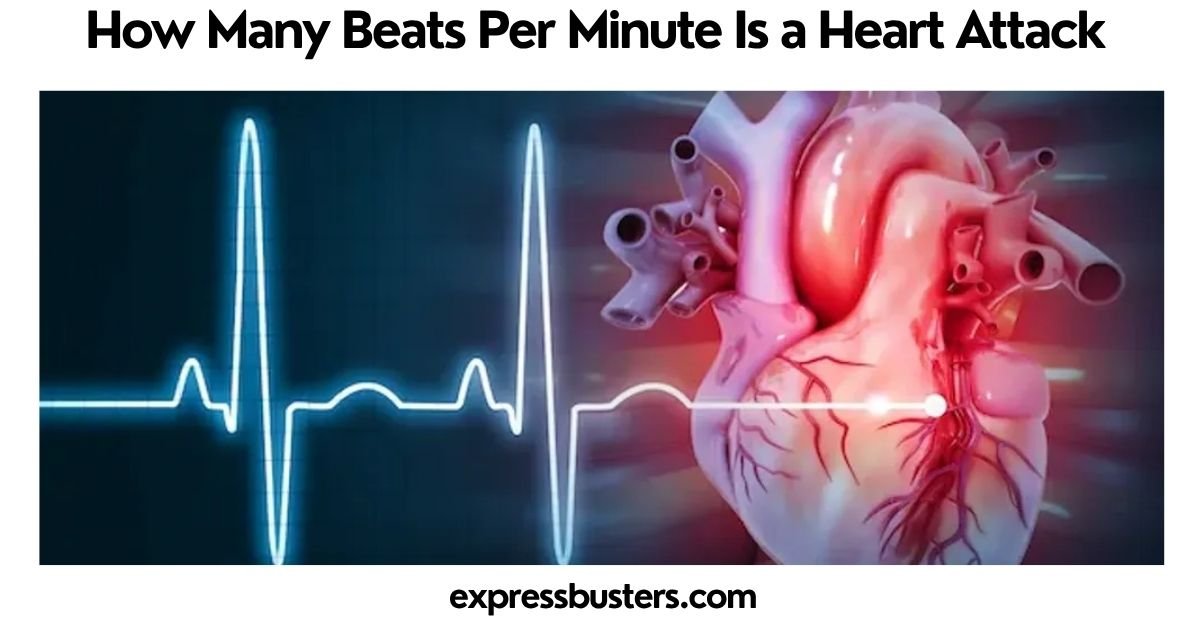
An ECG checks the electrical activity of the heart.
It helps doctors detect:
- Blocked arteries
- Arrhythmias
- Heart muscle damage
Blood Tests
Doctors measure proteins released during heart damage.
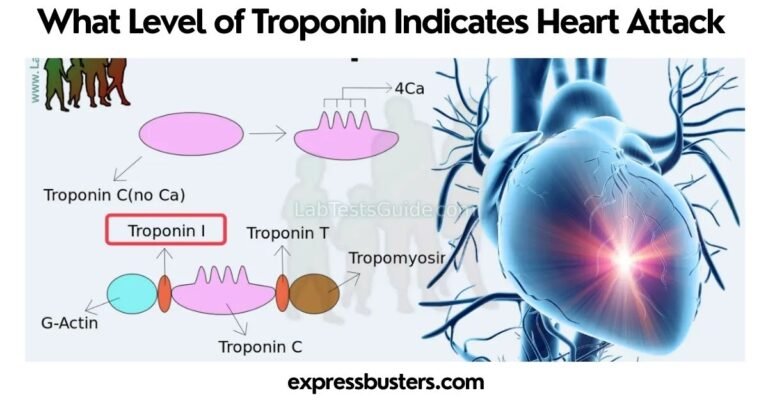
High troponin levels often confirm a heart attack.
Imaging Tests
Tests such as echocardiograms and angiograms help doctors see blood flow problems.
Treatment for Heart Attack
Treatment depends on severity.
Common treatments include:
- Oxygen
- Blood thinners
- Aspirin
- Clot-busting medications
- Stents
- Surgery
Fast treatment improves survival rates.
Recovery After a Heart Attack
Recovery may take weeks or months.
Many people return to normal life after treatment.
Recovery often includes:
- Cardiac rehabilitation
- Healthy eating
- Exercise
- Stress management
- Medication
- Smoking cessation
Lifestyle changes are critical to prevent future heart attacks.
How to Keep Your Heart Rate Healthy
Keeping your heart healthy lowers the risk of heart attack.
Exercise Regularly
Physical activity strengthens the heart.
Aim for at least:
150 minutes per week150\ \text{minutes per week}150 minutes per week
of moderate exercise.
Eat a Heart-Healthy Diet
Focus on:
- Fruits
- Vegetables
- Whole grains
- Lean protein
- Healthy fats
Limit:
- Salt
- Sugar
- Fried foods
- Processed foods
Maintain a Healthy Weight
Excess weight increases strain on the heart.
Stop Smoking
Smoking damages blood vessels and increases clot risk.
Manage Stress
Long-term stress affects blood pressure and heart rate.
Helpful methods include:
- Meditation
- Walking
- Better sleep
- Deep breathing
- Counseling
Monitor Blood Pressure and Cholesterol
Regular checkups help catch problems early.
Can Exercise Cause a Heart Attack?
Exercise usually protects the heart.
However, intense activity can trigger a heart attack in people with severe heart disease.
Warning signs during exercise include:
- Chest pain
- Dizziness
- Extreme shortness of breath
- Sudden weakness
Stop exercising and seek medical help if these happen.
Silent Heart Attacks
Some heart attacks happen without severe symptoms.
These are called silent heart attacks.
Symptoms may feel like:
- Indigestion
- Mild fatigue
- Muscle strain
- Mild chest discomfort
Silent heart attacks are more common in:
- Older adults
- People with diabetes
- Women
Even mild symptoms should be checked.
How Stress Affects Heart Beats Per Minute
Stress activates the body’s fight-or-flight response.
This causes:
- Faster heartbeat
- Higher blood pressure
- Increased adrenaline
Long-term stress may increase the risk of heart disease over time.
Managing stress is important for overall heart health.
Does Heart Rate Alone Predict a Heart Attack?
No. Heart rate alone cannot predict a heart attack.
Many healthy people temporarily experience fast heart rates.
Some heart attack patients even have normal BPM.
Doctors always consider the full picture, including:
- Symptoms
- Medical history
- Test results
- Risk factors
Why People Search “How Many Beats Per Minute Is Considered a Heart Attack”
People often look for a simple number because they want reassurance.
But the body is more complex than a single BPM reading.
A dangerous situation depends on:
- Symptoms
- Overall health
- Age
- Activity level
- Medical history
Instead of focusing only on numbers, pay attention to how you feel.
Important Warning Signs That Should Never Be Ignored
Seek emergency care immediately if you have:
- Chest pain
- Shortness of breath
- Sudden sweating
- Fainting
- Severe dizziness
- Pressure in the chest
- Pain in the jaw or left arm
- Sudden extreme fatigue
Even mild symptoms can signal a serious problem.
Myths About Heart Attacks and BPM
Myth 1: A Heart Attack Always Causes a Very High Pulse
False.
Some people have normal or slow heart rates during a heart attack.
Myth 2: Young People Cannot Have Heart Attacks
False.
Heart attacks can happen at any age, especially with smoking, obesity, stress, or drug use.
Myth 3: Chest Pain Is Always Severe
False.
Some people only feel mild discomfort.
Myth 4: Smartwatches Can Fully Diagnose Heart Attacks
False.
Wearables are helpful tools but cannot replace medical evaluation.
The Connection Between Arrhythmias and Heart Attack
A heart attack can damage the heart’s electrical system.
This may trigger arrhythmias such as:
- Atrial fibrillation
- Ventricular tachycardia
- Ventricular fibrillation
Some arrhythmias can be fatal without treatment.
Doctors closely monitor heart rhythm during and after heart attacks.
How Sleep Affects Heart Health
Poor sleep may increase heart disease risk.
Sleep problems can raise:
- Blood pressure
- Stress hormones
- Heart rate
Adults should aim for 7 to 9 hours of quality sleep each night.
Can Dehydration Increase Heart Rate?
Yes.
When the body lacks fluids, the heart must work harder.
ALso Read: Can You Survive a Heart Attack? Signs, Survival Rates, Treatment, and What to Do Fast
This can cause:
- Fast heartbeat
- Weakness
- Dizziness
Severe dehydration may worsen heart problems.
Final Thoughts on How Many Beats Per Minute Is a Heart Attack
The question “how many beats per minute is a heart attack” does not have one exact answer.
A heart attack may happen with:
- Normal BPM
- Fast BPM
- Slow BPM
- Irregular rhythm
While a heart rate above 100 BPM or below 60 BPM in non-athletes may sometimes signal heart-related problems, doctors never diagnose heart attacks using BPM alone.
The most important thing is recognizing symptoms quickly and getting emergency medical help.
Chest pain, shortness of breath, sweating, dizziness, and unusual fatigue should never be ignored.
Fast treatment saves lives.
Understanding your heart rate, knowing your risk factors, and living a heart-healthy lifestyle can help protect you and your family from serious heart problems.
FAQs About How Many Beats Per Minute Is a Heart Attack
Can you have a heart attack with a normal pulse?
Yes. Many people having heart attacks still have a normal heart rate between 60 and 100 BPM.
Is 120 BPM dangerous at rest?
A resting heart rate of 120 BPM may be concerning, especially with symptoms like chest pain or dizziness. Medical evaluation is important.
What heart rate should send you to the ER?
Seek emergency care if you have chest pain along with a very high, very low, or irregular heartbeat.
Can a heart attack happen during sleep?
Yes. Some heart attacks happen during sleep or early morning hours.
Is a panic attack the same as a heart attack?
No. Panic attacks and heart attacks can share symptoms, but heart attacks involve blocked blood flow to the heart.
Can dehydration mimic a heart attack?
Sometimes. Dehydration can cause chest discomfort, dizziness, and rapid heartbeat, but chest pain should always be evaluated by a doctor.
Does caffeine increase heart attack risk?
Too much caffeine may temporarily increase heart rate and blood pressure, but moderate intake is usually safe for healthy adults.
What is the first symptom of a heart attack?
Chest discomfort or pressure is often the first symptom, but symptoms vary from person to person.
Can heart attacks happen without chest pain?
Yes. Some people experience nausea, fatigue, jaw pain, or shortness of breath instead of chest pain.
Should I check my pulse during chest pain?
You can check your pulse, but do not rely on BPM alone. If symptoms suggest a heart attack, call 911 immediately.