What Are Heart Attack: A Complete Guide for Everyone
Heart disease is one of the leading causes of death in the United States and around the world. Many people search online asking a very important question: what are heart attack and how do they affect the body? This question may sound simple, but understanding it clearly can save lives.
A heart attack is not just a medical term. It is a serious condition that requires immediate attention. Many people ignore early warning signs because they do not fully understand what is happening inside their body. This article will explain everything in a clear, simple, and human way so that anyone can understand it, even without a medical background.
This guide is designed to go deeper than basic information. It will help you understand causes, symptoms, risks, prevention, and recovery in a practical and easy way.
What Are Heart Attack?
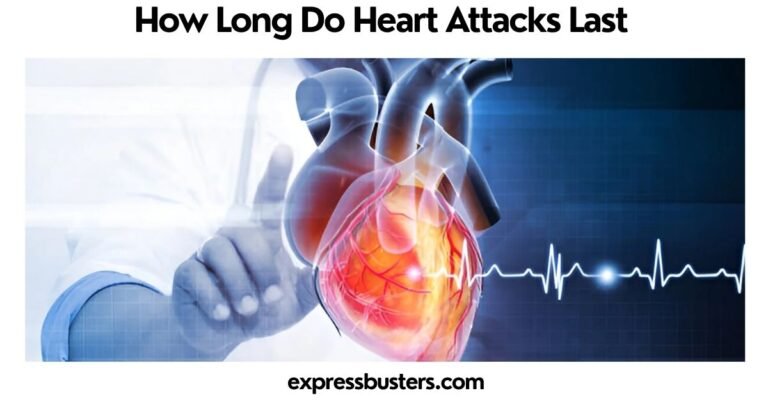
To understand what are heart attack, imagine your heart as a pump that works all day and night without stopping. It needs a constant supply of oxygen-rich blood to keep working.
A heart attack happens when the blood flow to part of the heart is blocked. When this happens, that part of the heart does not get enough oxygen. If the blockage is not removed quickly, the heart muscle begins to get damaged.
The most common reason for this blockage is the buildup of fat and cholesterol inside the arteries. Over time, this buildup forms a thick layer called plaque. If this plaque breaks, a blood clot forms and blocks the artery completely.
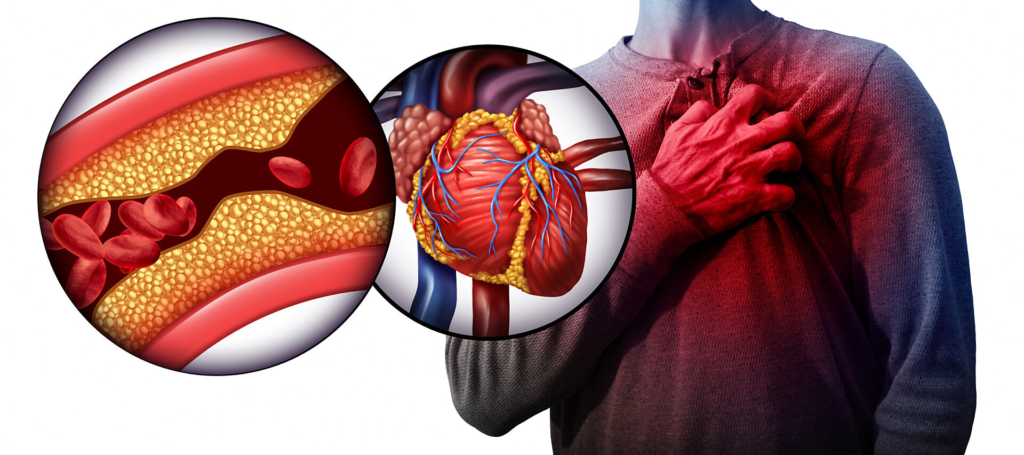
In simple words, what are heart attack? They are serious events where the heart muscle is injured because it is not receiving enough blood.
Why Heart Attacks Are So Serious
The heart plays a central role in keeping the body alive. It pumps blood to the brain, lungs, and every organ.
When a heart attack happens, the damage can affect the heart’s ability to pump properly. This can lead to long-term problems such as:
- Weak heart function
- Irregular heartbeat
- Heart failure
- Sudden death
Time is very important during a heart attack. The faster treatment begins, the better the chances of survival and recovery.
Also Read: Calesshop: A Complete Guide to the Emerging Online Marketplace
Main Causes of Heart Attacks
To fully understand what are heart attack, it is important to know what causes them.
Coronary Artery Disease
This is the most common cause. It happens when arteries become narrow due to plaque buildup.
Blood Clots
When plaque breaks, a clot forms and blocks blood flow.
Coronary Artery Spasm
Sometimes the artery suddenly tightens, reducing blood flow even without a blockage.
Lifestyle Choices
Daily habits can increase the risk:
- Smoking
- Unhealthy diet
- Lack of exercise
- High stress
Health Conditions
Certain conditions make heart attacks more likely:
- High blood pressure
- Diabetes
- High cholesterol
These causes often develop slowly over time, which is why prevention is so important.
What Are Signs of a Heart Attack
Many people delay treatment because they do not recognize the signs. Knowing what are signs of a heart attack can help you act quickly.
Chest Discomfort
This is the most common sign. It may feel like pressure, squeezing, or pain in the center of the chest.
Pain in Upper Body
Pain can spread to:
- Arms
- Neck
- Jaw
- Back
Shortness of Breath
You may feel like you cannot breathe properly, even when resting.
Other Warning Signs
- Cold sweat
- Nausea
- Feeling dizzy
Some people experience mild symptoms, while others have severe pain. Every case is different.
What Are the Signs of a Heart Attack in Women
Heart attack symptoms in women can be different from men. This is why they are sometimes harder to recognize.
Common symptoms in women include:
- Extreme tiredness
- Shortness of breath
- Nausea or vomiting
- Pain in the back or jaw
- Light chest discomfort instead of strong pain
Understanding what are the signs of a heart attack in women is very important because these symptoms are often mistaken for stress or fatigue.
What Are the Symptoms of a Heart Attack
When people ask what are the symptoms of a heart attack, they usually want to know what it feels like.
Some people describe it as a heavy weight on the chest. Others feel burning or tightness. In some cases, symptoms come and go.
Also Read: Calesshop: A Complete Guide to the Emerging Online Marketplace
Common symptoms include:
- Chest pain or pressure
- Difficulty breathing
- Pain spreading to other areas
- Feeling weak or lightheaded
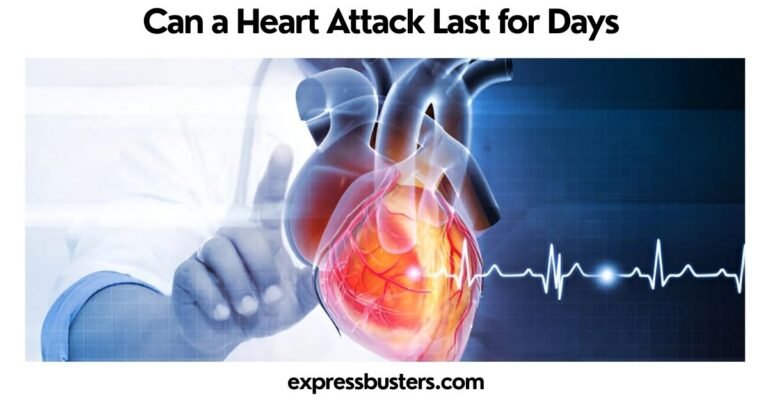
Not all heart attacks look the same. Some are sudden, while others develop slowly over hours or days.
Silent Heart Attacks: A Hidden Risk
Not all heart attacks cause strong symptoms. Some are silent, meaning they happen without clear warning signs.
A person may feel:
- Mild discomfort
- Fatigue
- Indigestion
Because symptoms are weak, many people ignore them. However, damage to the heart still occurs.
Silent heart attacks are more common in older adults and people with diabetes.
Risk Factors You Should Know
Understanding risk factors helps answer what are heart attack from a prevention point of view.
Major Risk Factors
- Smoking
- High cholesterol
- High blood pressure
- Diabetes
- Obesity
Other Risk Factors
- Family history
- Age
- Stress
- Poor sleep
The more risk factors you have, the higher your chances of having a heart attack.
How Doctors Diagnose a Heart Attack
When someone shows symptoms, doctors act quickly.
Common Tests
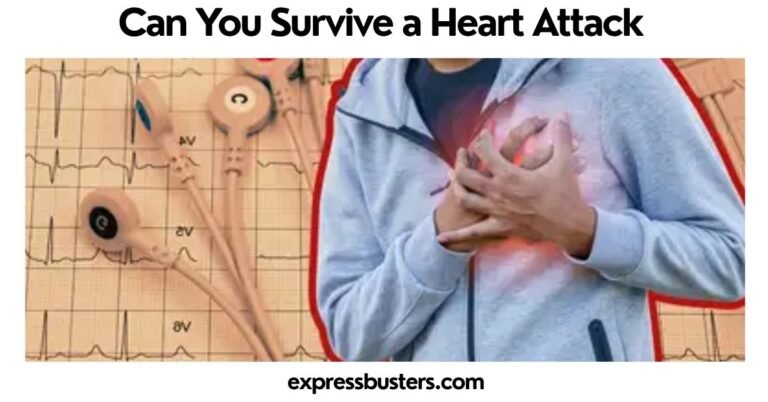
- Electrocardiogram to check heart activity
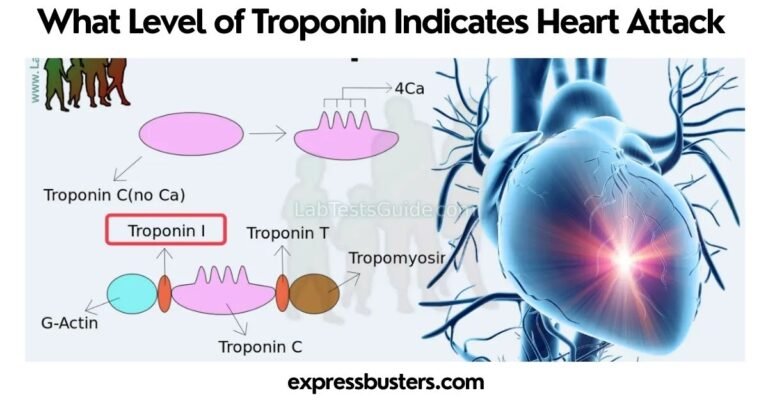
- Blood tests to detect damage
- Imaging tests to see blockages
Early diagnosis improves survival and reduces damage.
What To Do During a Heart Attack
Knowing what to do can save a life.
If you suspect a heart attack:
- Call emergency services immediately
- Sit down and stay calm
- Do not ignore symptoms
- Follow medical advice
Every minute matters. Quick action can prevent serious damage.
Treatment Options
Treatment depends on how severe the blockage is.
Medications
Doctors may give:
- Blood thinners
- Pain relief
- Medicines to break clots
Medical Procedures
- Angioplasty to open blocked arteries
- Stent placement to keep arteries open
- Bypass surgery to improve blood flow
Modern medicine has made treatment much more effective than in the past.
Recovery After a Heart Attack
Recovery is a gradual process. It requires both medical care and lifestyle changes.
Steps for Recovery
- Follow doctor’s instructions
- Take medications regularly
- Join a cardiac rehabilitation program
- Stay physically active
Recovery is not just physical. Emotional support is also important.
How to Prevent Heart Attacks
Prevention is the best way to stay safe.
Healthy Lifestyle Habits
- Eat a balanced diet
- Exercise regularly
- Avoid smoking
- Manage stress
Regular Health Checks
- Monitor blood pressure
- Check cholesterol levels
- Control blood sugar
Small changes in daily life can reduce risk significantly.
The Role of Diet in Heart Health
Food choices have a direct impact on heart health.
Healthy Foods
- Fruits and vegetables
- Whole grains
- Lean protein
- Fish with healthy fats
Foods to Limit
- Processed foods
- Sugary drinks
- Foods high in salt
- Trans fats
A healthy diet supports long-term heart health.
Mental Health and Heart Disease
Stress and emotions play a bigger role than many people think.
Chronic stress can:
- Raise blood pressure
- Lead to unhealthy habits
- Increase heart attack risk
Managing stress through relaxation, exercise, and social support is important.
Common Misunderstandings About Heart Attacks
Heart attacks only happen to older people
This is not true. Younger people can also have heart attacks.
Heart attacks always cause severe pain
Some are mild or silent.
If symptoms go away, it is not serious
Symptoms can come and go, but the risk remains.
Understanding these facts helps people take symptoms seriously.
When to Seek Medical Help
Do not wait if you notice symptoms such as:
- Chest discomfort
- Shortness of breath
- Unusual fatigue
Early medical attention can save your life.
ALso Read: Are Sock Marks a Sign of Heart Disease? Causes, Symptoms, and When to Worry
Living After a Heart Attack
Many people live full and healthy lives after a heart attack.
The key is:
- Following medical advice
- Making healthy lifestyle choices
- Staying active
With proper care, recovery is possible.
Conclusion: Why Understanding What Are Heart Attack Matters
Learning what are heart attack is not just about knowledge. It is about protecting your life and the lives of others.
Heart attacks can happen suddenly, but they often give warning signs. Recognizing these signs early and taking action can make a huge difference.
Prevention, awareness, and quick response are the most powerful tools you have.
FAQs About What Are Heart Attack
Can a heart attack happen without chest pain?
Yes, some heart attacks do not cause chest pain, especially in women and older adults.
How long can heart attack symptoms last?
Symptoms can last from a few minutes to several hours.
Is it possible to fully recover from a heart attack?
Yes, many people recover well with proper treatment and lifestyle changes.
Can stress trigger a heart attack?
Stress alone may not cause it, but it increases the risk.
Do heart attacks only happen during activity?
No, they can happen even during rest or sleep.
Can healthy people have heart attacks?
Yes, especially if they have hidden risk factors.
Is heart attack the same as cardiac arrest?
No, they are different. A heart attack is a blockage, while cardiac arrest is when the heart stops beating.
What should I avoid after a heart attack?
Avoid smoking, unhealthy food, and lack of physical activity.