How to Stop a Heart Attack in 30 Seconds: What Really Works and What You Must Do Immediately
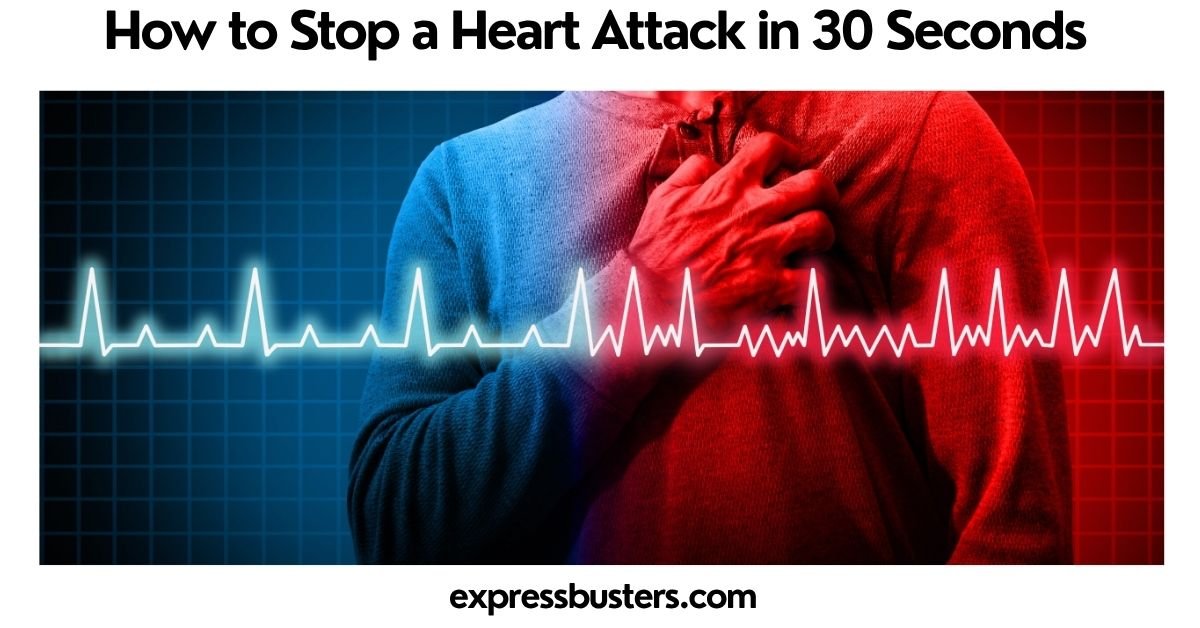
A heart attack is one of the most serious medical emergencies in the world. Every year, hundreds of thousands of people in the United States suffer from heart attacks, and many deaths happen because treatment is delayed. That is why people often search online for “how to stop a heart attack in 30 seconds.”
The truth is important to understand clearly. In most cases, you cannot completely stop a heart attack in 30 seconds at home. A heart attack happens when blood flow to the heart muscle becomes blocked. The heart needs emergency medical treatment as quickly as possible.
However, there are several emergency actions that can improve survival chances within the first few moments. These actions may reduce damage to the heart, slow worsening symptoms, and help keep the person alive until professional treatment arrives.
This guide explains the facts behind “how to stop a heart attack in 30 seconds,” what to do immediately, what does not work, warning signs to never ignore, and the best modern medical advice for emergency heart care.
The information in this article is based on updated heart health recommendations, emergency medicine principles, and practical real-world experience.
Understanding What a Heart Attack Really Is
Before learning about “how to stop a heart attack in 30 seconds,” it is important to understand what a heart attack actually means.
A heart attack, also called a myocardial infarction, happens when blood flow to part of the heart becomes blocked. The blockage usually happens because of fatty deposits called plaque inside the arteries.
When plaque breaks open, a blood clot can form. That clot may stop blood from reaching the heart muscle. Without oxygen-rich blood, the heart muscle begins to die.
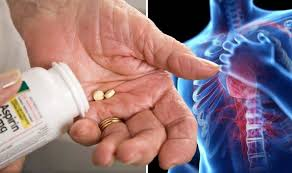
The longer treatment takes, the more damage occurs.
This is why doctors always say:
“Time is muscle.”
Every minute matters during a heart attack.
Can You Really Stop a Heart Attack in 30 Seconds?
The phrase “how to stop a heart attack in 30 seconds” has become popular online, but it can be misleading.
There is no guaranteed 30-second cure for a heart attack.
No breathing trick, cough method, drink, food, or home remedy can magically reverse a blocked artery instantly.
But there are emergency actions you can take within the first 30 seconds that may help save your life:
- Stop all physical activity immediately
- Call 911 right away
- Take aspirin if appropriate
- Use prescribed nitroglycerin if available
- Sit or lie down calmly
- Unlock your door if alone
- Stay conscious and alert
- Focus on slow breathing
These actions do not “cure” the heart attack, but they can reduce complications and improve survival.
Also Read: Can You Have a Heart Attack and Not Know It? Silent Heart Attack Signs, Causes, and Prevention
The First 30 Seconds: What You Should Do Immediately
If you suddenly feel symptoms that may signal a heart attack, the first 30 seconds are critical.
Here is exactly what medical experts recommend.
Stop What You Are Doing Immediately
The moment symptoms begin, stop all activity.
Do not continue walking, working, exercising, or driving.
Physical activity forces the heart to work harder. During a heart attack, the heart already struggles to get oxygen.
Sit down or lie in a comfortable position.
Try to stay calm.
Panic increases stress hormones, which may worsen the situation.
Call 911 Immediately
This is the single most important step.
Many people waste valuable time hoping symptoms will disappear. Others try to drive themselves to the hospital.
Both choices can be dangerous.
Emergency medical teams can:
- Start treatment immediately
- Monitor your heart
- Provide oxygen
- Use lifesaving medications
- Restart the heart if cardiac arrest happens
Never wait more than a few minutes to call for help if symptoms are severe or continue.
Chew an Aspirin if You Are Not Allergic
Aspirin may help slow blood clotting during a heart attack.
Chewing one regular aspirin or four low-dose aspirin tablets can help the medicine work faster.
But aspirin is not safe for everyone.
Do not take aspirin if:
- You are allergic to aspirin
- A doctor told you not to take blood thinners
- You have active bleeding problems
If unsure, emergency dispatchers can guide you.
Use Nitroglycerin if It Was Prescribed to You
Some heart patients carry nitroglycerin tablets or spray.
Nitroglycerin helps widen blood vessels and improve blood flow.
Use it only if:
- It was prescribed specifically for you
- You know how to use it correctly
Never take someone else’s nitroglycerin.
Focus on Slow Controlled Breathing
While breathing techniques cannot stop a heart attack completely, slow breathing may help lower panic and reduce stress on the heart.
Try this simple method:
- Breathe in slowly through the nose
- Count to four
- Exhale slowly through the mouth
- Repeat calmly
This helps some people remain conscious and calmer while waiting for emergency help.
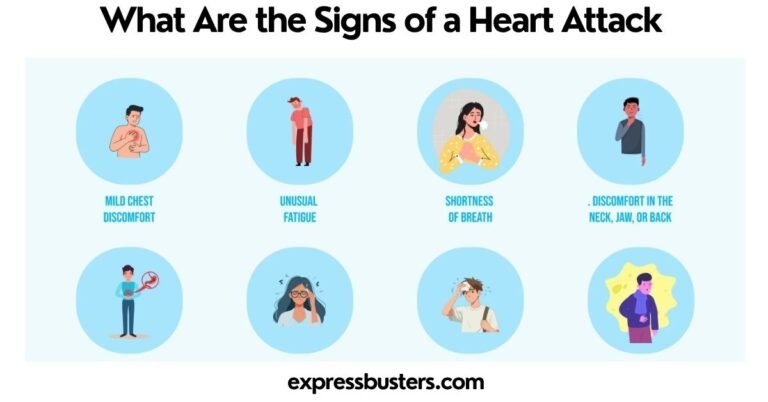
Common Heart Attack Symptoms You Should Never Ignore
Many people expect dramatic chest pain, but heart attack symptoms can vary greatly.
Some are mild. Some feel strange. Some happen suddenly.
Knowing the warning signs may save your life.
Chest Pain or Pressure
This is the most common symptom.
People often describe it as:
- Tightness
- Squeezing
- Heavy pressure
- Burning
- Fullness in the chest
The discomfort may last several minutes or come and go.
Pain Spreading to Other Areas
Pain may move into:
- Arms
- Neck
- Jaw
- Back
- Shoulders
- Upper stomach
Left arm pain is common, but pain can happen on either side.
Shortness of Breath
Difficulty breathing may happen with or without chest pain.
Some people feel like they cannot catch their breath.
Cold Sweating
Sudden sweating without exercise can be a warning sign.
Many people describe breaking into a cold sweat unexpectedly.
Nausea or Vomiting
Some heart attacks feel like severe indigestion or stomach illness.
This symptom is especially common in women.
Extreme Fatigue
Sudden unusual exhaustion may appear hours or even days before a heart attack.
Dizziness or Fainting
Reduced blood flow can make people feel weak, lightheaded, or faint.
How Heart Attack Symptoms Differ in Women
Women often experience different symptoms than men.
This is one reason heart attacks in women are sometimes missed.
Women may experience:
- Unusual fatigue
- Back pain
- Jaw pain
- Nausea
- Shortness of breath
- Mild chest discomfort
- Dizziness
Because symptoms may seem less obvious, many women delay seeking help.
That delay can be deadly.
What Causes a Heart Attack?
Understanding causes helps explain why “how to stop a heart attack in 30 seconds” is not a simple answer.
A heart attack is usually the result of years of artery damage.
Major causes include:
- High blood pressure
- High cholesterol
- Smoking
- Diabetes
- Obesity
- Lack of exercise
- Poor diet
- Stress
- Heavy alcohol use
- Drug use
- Family history of heart disease
Over time, arteries become narrowed and blocked.
Eventually, blood flow may stop suddenly.
What Happens Inside the Body During a Heart Attack?
When blood flow stops, heart cells begin dying within minutes.
The heart cannot pump properly.
Dangerous rhythm problems may develop.
Some people experience cardiac arrest, where the heart suddenly stops beating effectively.
Without fast treatment, death can occur quickly.
That is why immediate action matters far more than internet tricks or myths.
The Truth About “Cough CPR”
You may have heard online advice saying you can stop a heart attack by coughing repeatedly.
This is often called “cough CPR.”
Medical experts warn that this advice is misunderstood and often misused.
Cough CPR is only used in rare monitored hospital situations under professional supervision.
It is not a reliable home treatment for heart attacks.
If you think you are having a heart attack, do not waste time trying cough CPR videos from social media.
Call emergency services immediately.
Why Quick Medical Treatment Matters
Fast treatment can reopen blocked arteries and save heart muscle.
Modern hospitals use advanced emergency treatments such as:
- Clot-busting medications
- Emergency angioplasty
- Stent placement
- Oxygen therapy
- Heart rhythm stabilization
The earlier treatment begins, the better the survival chances.
Many people who survive heart attacks today do so because they received rapid emergency care.
What to Do If Someone Else Is Having a Heart Attack
Knowing how to help another person can save a life.
Call Emergency Services Immediately
Never assume symptoms will pass.
Call 911 right away.
Help the Person Sit Down
Keep them calm and resting.
Avoid unnecessary movement.
Give Aspirin if Appropriate
If the person is conscious, not allergic, and able to swallow safely, aspirin may help.
Monitor Their Condition
Watch for:
- Loss of consciousness
- Trouble breathing
- Cardiac arrest
Start CPR if Necessary
If the person becomes unconscious and stops breathing normally, start CPR immediately.
Push hard and fast in the center of the chest.
If available, use an AED device.
Why Some People Ignore Heart Attack Symptoms
One of the biggest dangers is denial.
Many people ignore symptoms because they think:
- It is just heartburn
- They are too young
- Symptoms are not severe enough
- It will pass soon
This delay kills thousands of people every year.
Even mild symptoms should be taken seriously.
Risk Factors You Should Never Ignore
Some people have a much higher risk of heart attacks.
Major risk factors include:
Smoking
Smoking damages blood vessels and greatly increases heart disease risk.
High Blood Pressure
High pressure strains the heart and damages arteries.
Diabetes
Diabetes raises the risk of artery damage.
High Cholesterol
Cholesterol buildup narrows arteries.
Obesity
Excess weight increases heart strain and inflammation.
Family History
Genetics can increase heart attack risk.
Lack of Exercise
Physical inactivity weakens heart health over time.
Chronic Stress
Long-term stress can damage cardiovascular health.
Best Ways to Prevent a Heart Attack
The best answer to “how to stop a heart attack in 30 seconds” is prevention before an emergency happens.
Healthy habits dramatically lower risk.
Eat a Heart-Healthy Diet
Focus on:
- Fruits
- Vegetables
- Whole grains
- Lean proteins
- Healthy fats
Reduce:
- Processed foods
- Fried foods
- Excess salt
- Sugary drinks
Exercise Regularly
Aim for at least 150 minutes of moderate activity weekly.
Walking alone can improve heart health greatly.
Stop Smoking
Quitting smoking is one of the strongest ways to reduce heart attack risk.
Control Blood Pressure
Regular checkups help catch problems early.
Manage Stress
Healthy stress control matters more than many people realize.
Helpful methods include:
- Walking
- Meditation
- Better sleep
- Deep breathing
- Social support
Maintain a Healthy Weight
Weight loss can improve blood pressure, cholesterol, and diabetes risk.
Limit Alcohol
Heavy alcohol use can increase blood pressure and heart damage.
Get Enough Sleep
Poor sleep is strongly connected to heart disease.
Modern Treatments That Save Heart Attack Patients
Medicine has improved greatly over the years.
Today, many heart attack patients survive and recover well.
Modern treatments include:
Angioplasty
Doctors open blocked arteries using tiny balloons.
Stents
Small metal tubes keep arteries open.
Clot-Busting Drugs
Certain medicines dissolve dangerous clots.
Bypass Surgery
Severely blocked arteries may require surgery.
Cardiac Rehabilitation
Rehabilitation programs help patients recover safely and reduce future risk.
Recovery After a Heart Attack
Recovery takes time.
Most people need:
- Medication
- Lifestyle changes
- Medical follow-ups
- Exercise plans
- Stress management
Many people live long healthy lives after heart attacks when they follow medical advice carefully.
Emotional Impact of a Heart Attack
Heart attacks affect mental health too.
Many survivors experience:
- Anxiety
- Depression
- Fear of another attack
- Sleep problems
Emotional recovery is important.
Support groups, therapy, and family support can help greatly.
Foods That Support Heart Health
A strong diet can lower heart attack risk over time.
Helpful foods include:
- Salmon
- Oatmeal
- Nuts
- Avocados
- Olive oil
- Leafy greens
- Beans
- Berries
These foods support healthy blood vessels and cholesterol levels.
ALso Read: Am I Having a Heart Attack Female Quiz? Signs, Symptoms, Risks, and What Women Need to Know
Foods That Increase Heart Attack Risk
Limit foods high in:
- Trans fats
- Excess sugar
- Processed meat
- Deep-fried foods
- Excess sodium
Poor diet slowly damages arteries over many years.
Warning Signs Before a Major Heart Attack
Sometimes the body gives warning signs days or weeks earlier.
Possible early symptoms include:
- Chest pressure during activity
- Unusual tiredness
- Shortness of breath
- Poor exercise tolerance
- Mild recurring chest discomfort
Never ignore these signs.
Early medical evaluation may prevent a major emergency later.
Heart Attack vs Cardiac Arrest
Many people confuse these conditions.
A heart attack is a circulation problem.
Cardiac arrest is an electrical problem where the heart suddenly stops beating properly.
A heart attack can lead to cardiac arrest.
Cardiac arrest requires immediate CPR and defibrillation.
How Emergency Rooms Treat Heart Attacks
When you arrive at the hospital, doctors move quickly.
Common steps include:
- ECG testing
- Blood tests
- Oxygen support
- Pain control
- Imaging tests
- Emergency artery treatment
The goal is restoring blood flow fast.
Why Acting Fast Saves Lives
Many deaths happen because people wait too long.
Some wait hours before seeking help.
The sooner treatment begins:
- The more heart muscle survives
- The lower the risk of death
- The better the recovery
Never feel embarrassed about calling emergency services.
It is always safer to get checked.
Myths About How to Stop a Heart Attack in 30 Seconds
Many online myths are dangerous.
Let us separate facts from fiction.
Myth: Drinking Water Stops a Heart Attack
Water cannot reopen blocked arteries.
Myth: Deep Coughing Can Cure It
Cough CPR is not a home treatment.
Myth: Young People Cannot Have Heart Attacks
Heart attacks can happen even in younger adults.
Myth: Only Severe Chest Pain Matters
Mild symptoms can still be deadly.
Myth: You Should Drive Yourself to the Hospital
Ambulances provide lifesaving care immediately.
The Best Emergency Action Plan
Here is the safest response plan if symptoms appear suddenly.
- Stop activity immediately
- Sit or lie down
- Call 911
- Chew aspirin if appropriate
- Use prescribed nitroglycerin
- Stay calm and breathe slowly
- Unlock your door if alone
- Wait for emergency professionals
This is the most realistic and medically supported answer to “how to stop a heart attack in 30 seconds.”
When to See a Doctor About Heart Symptoms
Schedule medical care immediately if you experience:
- Repeated chest discomfort
- Breathlessness
- Sudden fatigue
- Racing heartbeat
- Exercise intolerance
- Dizziness
Early treatment may prevent future emergencies.
Future Advances in Heart Attack Treatment
Medical science continues improving.
Future advances may include:
- Faster clot detection
- Artificial intelligence heart monitoring
- Better emergency medications
- Personalized treatments
- Advanced wearable heart technology
These innovations may improve survival rates even more.
Final Thoughts on How to Stop a Heart Attack in 30 Seconds
The internet often promises simple miracle solutions, but heart attacks are serious medical emergencies.
You usually cannot completely stop a heart attack in 30 seconds without professional treatment.
But what you do in those first moments can absolutely save your life.
The most important steps are:
- Recognize symptoms quickly
- Stop activity immediately
- Call emergency services
- Take aspirin if appropriate
- Stay calm
- Get professional care fast
Quick action can reduce heart damage and improve survival dramatically.
Understanding the real truth behind “how to stop a heart attack in 30 seconds” helps people avoid dangerous myths and make smarter emergency decisions.
The best protection is prevention, awareness, and fast medical action.
FAQs About How to Stop a Heart Attack in 30 Seconds
Can breathing exercises stop a heart attack?
Breathing exercises cannot fully stop a heart attack, but slow breathing may help reduce panic and stress while waiting for emergency help.
Is aspirin always safe during a heart attack?
No. People with aspirin allergies, bleeding disorders, or certain medical conditions should avoid aspirin unless advised by medical professionals.
Can young healthy people have heart attacks?
Yes. Heart attacks can happen at younger ages due to genetics, smoking, stress, obesity, drug use, or hidden health conditions.
What is the fastest treatment for a heart attack?
The fastest lifesaving treatment is immediate emergency medical care with artery-opening procedures like angioplasty and stent placement.
Can a heart attack go away on its own?
Symptoms may temporarily improve, but the underlying blockage can remain dangerous. Always seek emergency medical care.
Should you lie down during a heart attack?
Many people feel safer sitting upright or slightly reclined. Avoid heavy movement and stay calm while waiting for emergency responders.
What is silent heart attack?
A silent heart attack causes little or no obvious chest pain. Symptoms may include fatigue, weakness, nausea, or shortness of breath.
How long can a heart attack last?
A heart attack may last several minutes to several hours. Immediate treatment is critical to reduce heart damage.
Can stress alone cause a heart attack?
Severe stress can trigger heart problems, especially in people with existing heart disease risk factors.
What should you avoid doing during a heart attack?
Avoid driving yourself, ignoring symptoms, continuing physical activity, or relying on internet myths instead of emergency care.