Can You Have a Heart Attack and Not Know It? Silent Heart Attack Signs, Causes, and Prevention
A heart attack is often shown in movies as a dramatic event. A person suddenly grabs their chest, falls to the ground, and needs emergency help right away. But real life is not always like that. Many people are surprised to learn that can you have a heart attack and not know it is actually a real and serious medical issue.
Yes, you can have a heart attack and not know it. This is called a silent heart attack. It happens more often than many people think. In some cases, people only discover they had a heart attack weeks, months, or even years later during a routine medical test.
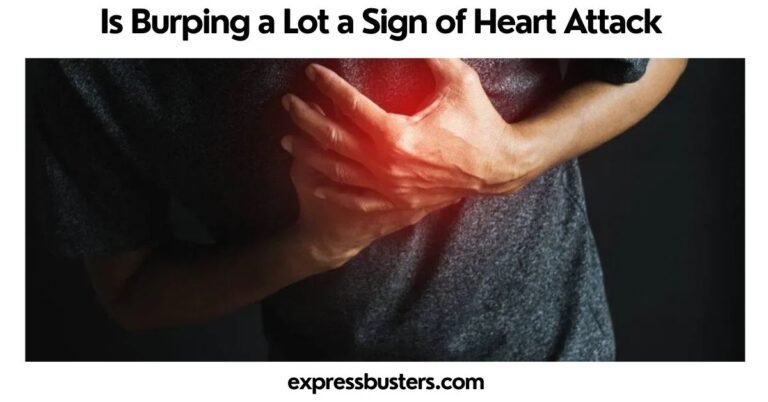
A silent heart attack may not cause strong chest pain. The symptoms can be mild, confusing, or mistaken for something else like indigestion, stress, muscle pain, or fatigue. Because the signs are easy to miss, many people never seek treatment at the right time.
You will learn the warning signs, causes, risk factors, long-term dangers, prevention tips, and what doctors want people to understand about this hidden health problem.
What Is a Silent Heart Attack?
A silent heart attack is a heart attack that happens without the classic symptoms most people expect. The medical term is silent myocardial infarction.
A regular heart attack usually causes sudden chest pressure, pain in the left arm, shortness of breath, sweating, or severe discomfort. A silent heart attack may cause only mild symptoms or no noticeable symptoms at all.
Even though the symptoms are smaller or harder to recognize, the damage to the heart muscle is still real. Blood flow to part of the heart becomes blocked, and the heart tissue may be injured.
This is why doctors take silent heart attacks very seriously.
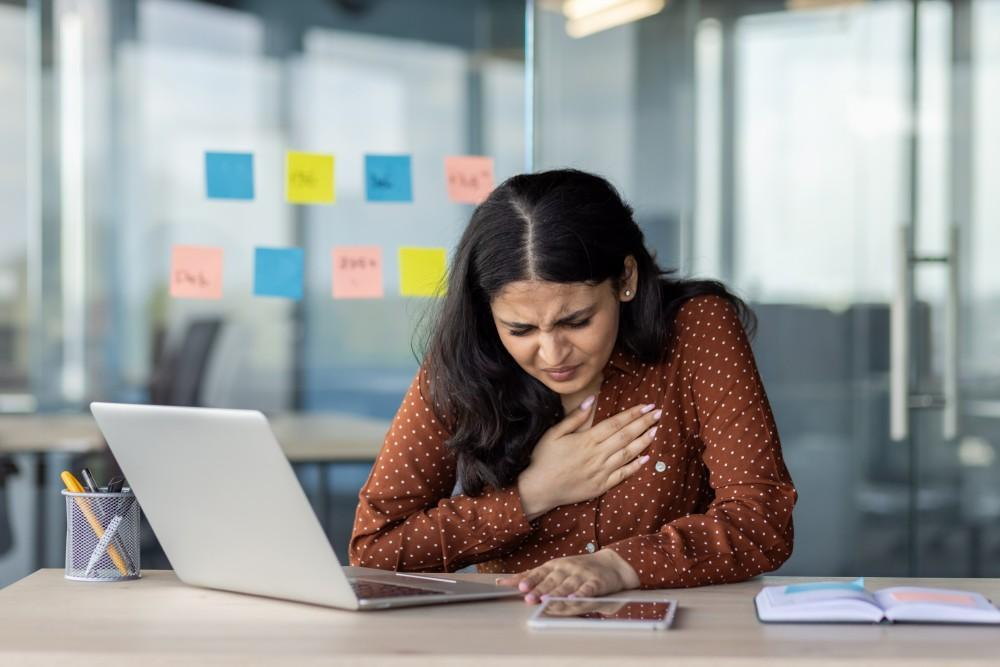
Many people ask, can.you have a heart attack and not know it because they assume a heart attack must always be dramatic. In reality, the body can respond differently depending on age, gender, pain tolerance, medical conditions, and overall health.
How Common Are Silent Heart Attacks?
Silent heart attacks are more common than many people realize.
Some studies suggest that nearly half of all heart attacks may be silent or unrecognized. That means millions of people may have heart damage without knowing it.
Dr. Michelle O’Donoghue, a senior cardiovascular specialist, has explained that the true number of silent heart attacks is difficult to measure because many cases go unnoticed by definition.
People often discover they had a silent heart attack during:
- An electrocardiogram (ECG or EKG)
- A stress test
- A heart scan
- An MRI
- A routine physical exam
- Tests after another medical issue
Doctors may see signs of old heart damage that the patient never knew existed.
Can You Have a Heart Attack and Not Know It? The Direct Answer
Yes, you absolutely can have a heart attack and not know it.
The symptoms may be so mild that you ignore them. Some people think they simply had heartburn, a pulled muscle, anxiety, or exhaustion.
Others may feel unusual discomfort for a short time and then recover without realizing their heart was damaged.
A silent heart attack still reduces oxygen supply to the heart muscle. Without treatment, it can increase the risk of future heart problems, heart failure, or another major heart attack later.
That is why recognizing subtle warning signs is so important.
Why Silent Heart Attacks Happen
There are several reasons why someone may not notice a heart attack.
Symptoms Are Mild
Some heart attacks cause only minor discomfort instead of severe pain.
A person may continue normal daily activities while the heart attack is happening.
Symptoms Look Like Other Problems
The signs may resemble common conditions such as:
- Acid reflux
- Indigestion
- Flu
- Stress
- Anxiety
- Muscle strain
- Fatigue
Because the symptoms do not seem serious, people may ignore them.
Also Read: What Causes a Heart Attack? Complete Guide to Causes, Risks, Warning Signs, and Prevention
Diabetes Can Reduce Pain Signals
People with diabetes are at higher risk of silent heart attacks because nerve damage may reduce pain sensations.
This means the body may not send strong warning signals during a heart attack.
Older Adults May Have Different Symptoms
As people age, heart attack symptoms may become less obvious.
Instead of sharp chest pain, older adults may simply feel weak, dizzy, or tired.
Women Often Experience Different Signs
Women are more likely than men to have unusual heart attack symptoms.
Instead of crushing chest pain, women may experience:
- Nausea
- Fatigue
- Jaw pain
- Back pain
- Mild pressure
- Shortness of breath
Because these symptoms are less recognized, silent heart attacks in women may go undetected more often.
Silent Heart Attack Symptoms You Should Never Ignore
One of the biggest reasons people ask can you have a heart attack and not know it is because the symptoms can be very different from what they expect.
Here are the most common warning signs of a silent heart attack.
Mild Chest Discomfort
Instead of intense pain, you may feel:
- Pressure
- Tightness
- Fullness
- Burning
- Mild squeezing
The feeling may come and go.
Unusual Fatigue
Extreme tiredness without a clear reason can be an important warning sign.
Some people feel exhausted for days before or after a silent heart attack.
Simple activities may suddenly feel difficult.
Shortness of Breath
You may feel out of breath during normal activities or while resting.
This can happen even without chest pain.
Pain in Other Parts of the Body
Heart attack discomfort does not always stay in the chest.
Pain may spread to:
- Jaw
- Neck
- Back
- Shoulder
- Arm
- Upper stomach
Nausea or Stomach Problems
Some people experience:
- Upset stomach
- Indigestion
- Vomiting
- Heartburn-like feelings
These symptoms are especially common in women.
Dizziness or Lightheadedness
Feeling faint or dizzy may happen because the heart is not pumping blood properly.
Sweating
Cold sweats without exercise or heat can be a warning sign.
Feeling “Off”
Many people later say they simply did not feel normal.
They may describe:
- Weakness
- Anxiety
- Discomfort
- Strange body sensations
Even subtle symptoms should not be ignored if something feels unusual.
Who Is Most at Risk for Silent Heart Attacks?
Anyone can experience a silent heart attack, but some groups face higher risk.
People With Diabetes
Diabetes can damage nerves and reduce pain awareness.
This makes silent heart attacks much more likely.
Older Adults
Age increases the risk of heart disease and may change how symptoms appear.
Women
Women frequently experience less obvious heart attack symptoms.
This leads to delayed diagnosis more often than in men.
Smokers
Smoking damages blood vessels and increases heart disease risk.
People With High Blood Pressure
High blood pressure puts extra stress on the heart and arteries.
People With High Cholesterol
High cholesterol can create plaque buildup in arteries, reducing blood flow to the heart.
Obesity
Extra weight increases strain on the cardiovascular system.
People With a Family History of Heart Disease
Genetics can increase risk even in younger adults.
People Under High Stress
Chronic stress may contribute to high blood pressure, inflammation, and unhealthy lifestyle habits.
What Happens During a Silent Heart Attack?
A silent heart attack happens when blood flow to part of the heart becomes blocked.
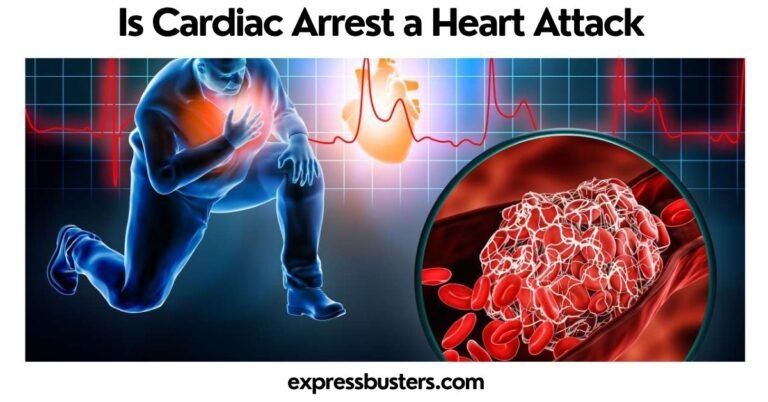
This usually occurs because plaque inside the coronary arteries breaks open and forms a clot.
Without oxygen-rich blood, part of the heart muscle begins to die.
Even if symptoms are mild, the heart still experiences injury.
The amount of damage depends on:
- How long the blockage lasts
- Which artery is blocked
- How quickly blood flow returns
- Overall heart health
Some silent heart attacks cause small areas of damage. Others may cause major injury.
Can a Silent Heart Attack Kill You?
Yes, a silent heart attack can be deadly.
Some people survive the event without realizing it happened, while others may develop severe complications later.
The danger is that untreated heart damage increases the risk of:
- Heart failure
- Dangerous heart rhythms
- Stroke
- Another heart attack
- Sudden cardiac arrest
People who do not know they had a heart attack may continue unhealthy habits or avoid needed treatment.
This is why medical follow-up is extremely important.
Also Read: What Is a Heart Attack? Symptoms, Causes, Treatment, Prevention, and Life-Saving Facts
How Doctors Diagnose a Silent Heart Attack
Doctors often discover silent heart attacks accidentally during medical testing.
Common tests include:
Electrocardiogram (ECG)
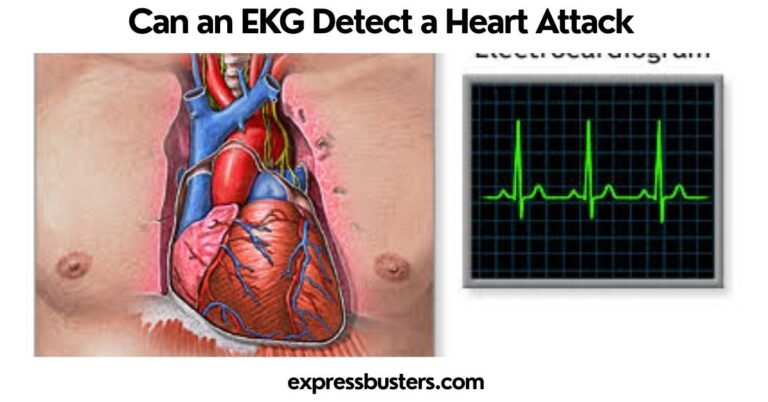
An ECG records the heart’s electrical activity.
It may show signs of previous heart muscle damage.
Blood Tests
Certain blood markers rise after heart injury.
Echocardiogram
This ultrasound test checks heart function and movement.
Cardiac MRI
An MRI can reveal scar tissue from an old heart attack.
Stress Tests
Stress testing helps doctors evaluate blood flow and heart performance.
Coronary Angiography
This imaging test shows blocked arteries.
Signs You May Have Had a Silent Heart Attack in the Past
Some people only realize something happened after experiencing lingering symptoms.
Possible clues include:
- Reduced exercise ability
- Ongoing fatigue
- Shortness of breath
- Irregular heartbeat
- Weakness
- Swelling in the legs
- Chest discomfort during activity
If you suspect a past silent heart attack, medical evaluation is important.
Silent Heart Attack vs Regular Heart Attack
Both types involve blocked blood flow to the heart.
The biggest difference is symptom intensity.
A regular heart attack often causes:
- Severe chest pain
- Sudden symptoms
- Obvious distress
A silent heart attack may involve:
- Mild symptoms
- Gradual discomfort
- Confusing signs
- No symptoms at all
Despite the symptom differences, both can seriously damage the heart.
Why People Ignore Heart Attack Symptoms
Many people delay seeking medical help because they believe the symptoms are not serious.
Common reasons include:
- Thinking it is indigestion
- Being too busy
- Fear of hospitals
- Assuming they are too young
- Hoping symptoms will disappear
- Not wanting to overreact
Unfortunately, delays can increase heart damage.
When it comes to heart symptoms, it is always safer to get checked.
What To Do If You Think You Are Having a Heart Attack
If you notice possible heart attack symptoms, act quickly.
Call emergency services immediately.
Do not drive yourself if symptoms are severe.
Chewing aspirin may help if recommended by emergency professionals and if you are not allergic.
Quick treatment can save heart muscle and reduce complications.
Even mild symptoms should be taken seriously if they feel unusual or persistent.
Can Young People Have Silent Heart Attacks?
Yes, younger adults can also experience silent heart attacks.
Although heart disease risk increases with age, younger people may still develop heart problems because of:
- Smoking
- Obesity
- Diabetes
- High cholesterol
- Drug use
- Family history
- Poor diet
- Lack of exercise
Modern lifestyles have increased heart risks in younger populations.
Ignoring symptoms because of age can be dangerous.
Silent Heart Attacks in Women
Women often experience different heart attack symptoms than men.
This is one reason many women wonder can you have a heart attack and not know it.
Women may feel:
- Fatigue
- Nausea
- Jaw pain
- Upper back pain
- Dizziness
- Mild chest pressure
Some women report symptoms for days or weeks before seeking help.
Because symptoms may seem unrelated to the heart, diagnosis is sometimes delayed.
Awareness is improving, but many women still underestimate their heart disease risk.
Silent Heart Attacks in Men
Men may also experience silent heart attacks, especially if they have risk factors like diabetes or smoking.
Some men ignore symptoms because they believe they are simply stressed, overworked, or tired.
Others avoid medical care until symptoms become severe.
Regular checkups are important for both men and women.
How Silent Heart Attacks Affect Mental Health
Discovering that you had a heart attack without knowing it can be emotionally overwhelming.
People may feel:
- Fear
- Anxiety
- Shock
- Depression
- Worry about future health
Some become afraid to exercise or return to daily activities.
Emotional recovery is an important part of heart health.
Support from doctors, family, and counseling can help people regain confidence and reduce stress.
Can You Fully Recover From a Silent Heart Attack?
Many people recover well, especially if the damage was small and treatment begins early.
Recovery depends on:
- The amount of heart damage
- Overall health
- Lifestyle changes
- Medical treatment
- Follow-up care
Some people may need medications, cardiac rehabilitation, or procedures to improve blood flow.
Healthy habits can greatly improve long-term outcomes.
How To Prevent Silent Heart Attacks
The best way to reduce risk is to protect overall heart health.
Eat a Heart-Healthy Diet
Focus on:
- Fruits
- Vegetables
- Whole grains
- Lean protein
- Healthy fats
Reduce:
- Salt
- Processed foods
- Sugary drinks
- Trans fats
Exercise Regularly
Physical activity strengthens the heart and improves circulation.
Aim for regular moderate exercise after discussing with your doctor.
Stop Smoking
Smoking greatly increases heart attack risk.
Quitting improves heart health at any age.
Manage Blood Pressure
High blood pressure damages arteries over time.
Regular monitoring matters.
Control Diabetes
Managing blood sugar helps reduce nerve damage and heart complications.
Lower Cholesterol
Healthy eating, exercise, and medications may help lower cholesterol.
Maintain a Healthy Weight
Weight management supports better cardiovascular health.
Reduce Stress
Chronic stress can negatively affect the heart.
Healthy coping methods include:
- Walking
- Meditation
- Sleep
- Social support
- Relaxation techniques
Get Regular Medical Checkups
Routine screenings may catch problems before serious damage occurs.
The Importance of Listening to Your Body
One major lesson from silent heart attacks is that symptoms are not always dramatic.
Your body may send subtle signals before a serious event happens.
Do not ignore:
- Sudden fatigue
- Chest pressure
- Breathing changes
- Unusual weakness
- New discomfort
Paying attention to small warning signs may save your life.
Medical Advances in Detecting Silent Heart Attacks
Heart care continues to improve.
Modern imaging and diagnostic tools help doctors identify silent heart damage earlier than before.
Wearable technology, improved screening methods, and better public awareness may also help more people recognize hidden heart problems.
Researchers continue studying why some heart attacks are silent and how to improve prevention.
ALso Read: What Are Heart Attack: A Complete Guide for Everyone
Common Myths About Silent Heart Attacks
Myth 1: No Pain Means No Heart Attack
This is false.
A person can have little or no pain during a heart attack.
Myth 2: Only Older People Have Heart Attacks
Younger adults can also experience heart attacks, especially with risk factors.
Myth 3: Heart Attacks Always Happen Suddenly
Some develop gradually over hours or days.
Myth 4: Women Are Less Likely To Have Heart Problems
Heart disease is a leading cause of death in women.
Myth 5: If Symptoms Go Away, Everything Is Fine
Symptoms may disappear even though heart damage occurred.
When To See a Doctor
You should schedule medical evaluation if you experience:
- Chest discomfort
- Unexplained fatigue
- Shortness of breath
- Dizziness
- Irregular heartbeat
- Exercise intolerance
Even mild symptoms deserve attention when they are new, unusual, or persistent.
Early treatment can reduce future complications.
Lifestyle Changes After a Silent Heart Attack
Doctors often recommend long-term lifestyle improvements after diagnosis.
These changes may include:
- Healthier eating
- Daily physical activity
- Better sleep habits
- Weight loss
- Stress management
- Medication adherence
- Smoking cessation
Cardiac rehabilitation programs can also support recovery and confidence.
The Future of Heart Health Awareness
Public awareness about silent heart attacks is growing.
More people now understand that heart attacks do not always look dramatic.
Education is especially important for:
- Women
- Older adults
- Diabetics
- Minority communities
- Younger adults with risk factors
The more people recognize subtle symptoms, the more lives may be saved.
Final Thoughts
So, can you have a heart attack and not know it?
Yes, and it happens more often than many people realize.
Silent heart attacks may cause mild symptoms or none at all, but the heart damage can still be serious. That is why awareness matters so much.
Listening to your body, understanding risk factors, and seeking medical attention for unusual symptoms can make a huge difference.
Heart attacks are not always loud or dramatic. Sometimes the warning signs are quiet.
Taking heart health seriously today may help prevent major complications tomorrow.
FAQs About Silent Heart Attacks
Can stress cause a silent heart attack?
Chronic stress may increase the risk of heart disease and heart attacks by raising blood pressure, increasing inflammation, and affecting lifestyle habits.
Can you sleep through a heart attack?
Yes, some people experience heart attacks during sleep or wake up with symptoms afterward. Silent heart attacks may occur without waking the person.
Are silent heart attacks more common in diabetics?
Yes. Diabetes can damage nerves and reduce pain sensation, making symptoms less noticeable.
Can anxiety feel like a heart attack?
Yes. Anxiety and panic attacks can cause chest discomfort, rapid heartbeat, and shortness of breath. However, because symptoms overlap, medical evaluation is important.
How long can a silent heart attack last?
Symptoms may last minutes, hours, or longer depending on the severity and blood flow blockage.
Can exercise trigger a silent heart attack?
Intense physical activity may trigger heart problems in people with underlying heart disease, especially if arteries are already narrowed.
Is fatigue after exercise a warning sign?
Extreme or unusual fatigue after mild activity can sometimes signal heart problems, especially when combined with other symptoms.
Can a silent heart attack show up years later?
Yes. Some people only learn they had a silent heart attack years later during heart imaging or routine testing.
What foods help protect against heart attacks?
Heart-friendly foods include vegetables, fruits, whole grains, nuts, fish, beans, and healthy fats like olive oil.
Should you go to the emergency room for mild chest discomfort?
Yes, especially if symptoms are new, unusual, or combined with shortness of breath, sweating, nausea, or dizziness. Early evaluation can save lives.