How Long Can a Heart Attack Last? Complete Guide to Symptoms, Timing, Recovery, and Emergency Warning Signs
A heart attack is one of the most serious medical emergencies a person can experience. Every year, hundreds of thousands of Americans are rushed to hospitals because blood flow to the heart suddenly becomes blocked. One of the most common questions people ask is: how long can a heart attack last?
The answer is not always simple. A heart attack can last for just a few minutes or continue for several hours. In some cases, symptoms come and go before the full attack happens. The timing depends on how severe the blockage is, how quickly treatment begins, and the overall health of the person.
Understanding how long a heart attack lasts can save lives. Many people wait too long before calling 911 because they hope the pain will disappear. Others mistake symptoms for heartburn, stress, or muscle pain. Delaying treatment can cause permanent heart damage or even death.
This complete guide explains everything you need to know about how long can a heart attack last, including warning signs, stages, symptoms in women, chest pain duration, recovery timelines, and when to seek emergency help.
What Is a Heart Attack?
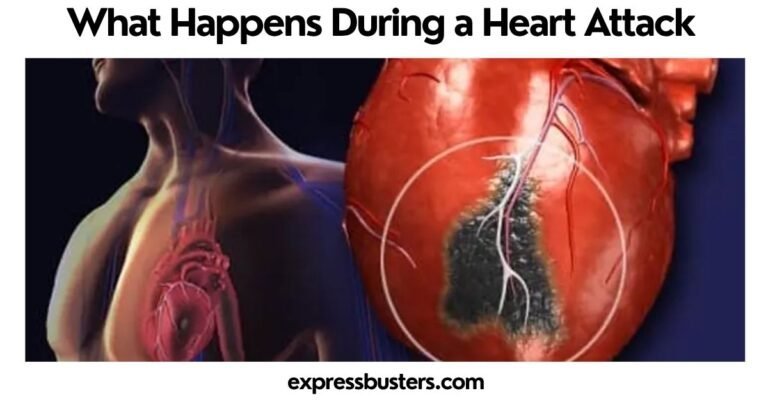
A heart attack, also called a myocardial infarction, happens when blood flow to part of the heart becomes blocked. This blockage usually occurs because fatty deposits called plaque build up inside the arteries.
When plaque breaks open, a blood clot forms around it. If the clot blocks blood flow completely, the heart muscle begins to lose oxygen. Without oxygen, heart tissue starts to die.
The longer the blockage lasts, the more damage occurs.

This is why fast medical treatment is critical. Doctors often say, “time is muscle,” because every minute matters during a heart attack.
How Long Can a Heart Attack Last?
The duration of a heart attack varies widely from person to person.
In general, a heart attack can last:
- A few minutes
- Around 20 to 30 minutes
- Several hours
- Occasionally longer if untreated
Some people experience sudden severe symptoms that quickly become unbearable. Others have mild warning signs that slowly get worse over time.
In many cases, chest pain or discomfort lasts longer than 15 minutes and does not fully go away with rest.
A heart attack does not always happen instantly. Sometimes the body gives warning signs hours, days, or even weeks beforehand.
ALso Read: Am I Having a Heart Attack Female Quiz? Signs, Symptoms, Risks, and What Women Need to Know
Why Heart Attack Duration Is Different for Everyone
There are several reasons why one heart attack may last longer than another.
Size of the Blockage
A complete blockage usually causes more intense symptoms and faster heart damage. Partial blockages may create symptoms that come and go.
Location of the Blockage
Some arteries supply larger parts of the heart. If a major artery becomes blocked, symptoms may be stronger and more dangerous.
Speed of Medical Treatment
Quick treatment can stop the heart attack faster and reduce damage.
Age and Health
Older adults, people with diabetes, smokers, and those with high blood pressure may experience different symptom patterns.
Gender Differences
Women often experience symptoms differently than men, which can delay diagnosis and treatment.
How Long Can Chest Pain From a Heart Attack Last?
One of the most searched questions online is: how long can chest pain from a heart attack last?
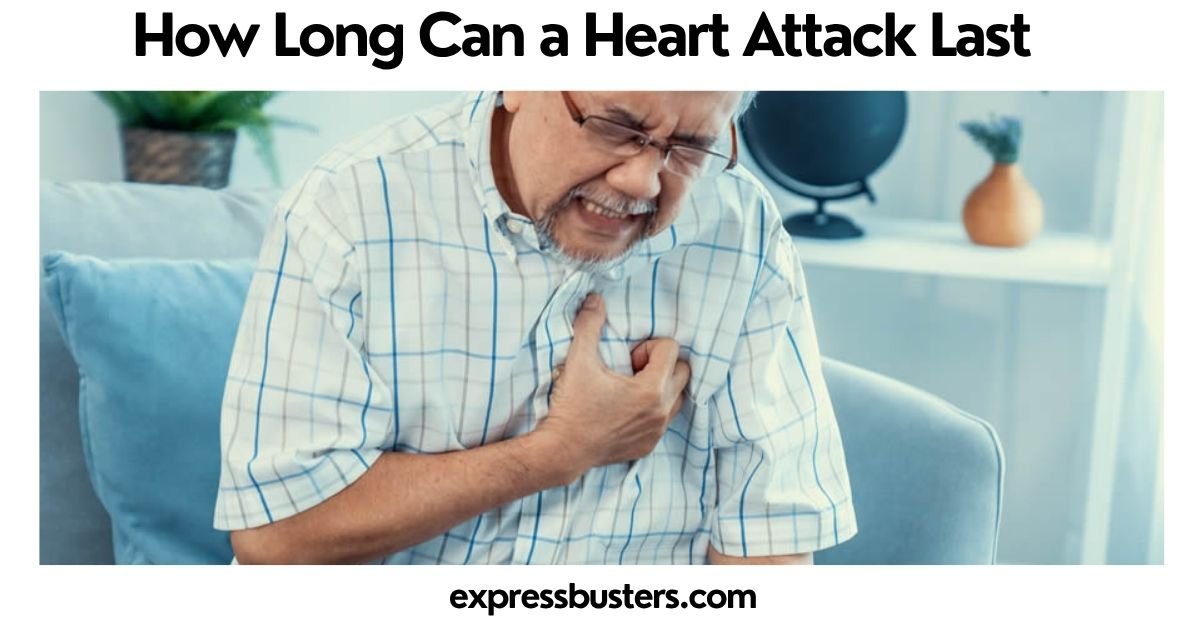
Chest pain during a heart attack usually lasts more than a few minutes. It may:
- Stay constant
- Come and go
- Increase gradually
- Return after briefly stopping
Most heart attack chest pain lasts at least 15 to 20 minutes. However, some people experience discomfort for hours before getting medical help.
The pain often feels like:
- Pressure
- Tightness
- Squeezing
- Fullness
- Burning
- Crushing pain
The discomfort may spread to:
- The left arm
- Both arms
- Jaw
- Neck
- Back
- Stomach
- Shoulders
Unlike muscle pain, heart attack chest pain usually does not improve much with movement or changing body position.
How Long Can Chest Pain Last With a Heart Attack?
The duration of chest pain depends on whether blood flow remains blocked.
If the blockage continues without treatment, chest pain can persist for several hours.
Some people report waves of pain that seem to improve temporarily before returning stronger. This pattern can be especially dangerous because it may cause people to delay emergency care.
Chest pain that lasts longer than 5 minutes and does not improve should always be treated as a medical emergency.
Even mild discomfort should never be ignored if it comes with symptoms like:
- Sweating
- Shortness of breath
- Nausea
- Dizziness
- Arm pain
- Jaw pain
Can a Heart Attack Last for Days?
The actual damage phase of a heart attack usually does not last for days continuously. However, warning signs can appear for days or weeks before the major event.
This is especially common in women and older adults.
Some early symptoms include:
- Fatigue
- Mild chest discomfort
- Trouble sleeping
- Shortness of breath
- Anxiety
- Indigestion-like feelings
These symptoms may come and go before the artery becomes fully blocked.
Many people ignore these early signs because they seem mild or unrelated to the heart.
The Different Stages of a Heart Attack
Understanding the stages helps explain how long can a heart attack last.
Early Warning Stage
This stage may happen days or weeks before the heart attack.
Possible symptoms include:
- Mild chest pressure
- Fatigue
- Low energy
- Trouble breathing
- Lightheadedness
Not everyone experiences early warning signs.
Acute Heart Attack Stage
This is the emergency phase when blood flow becomes severely blocked.
Symptoms often include:
- Strong chest pain
- Sweating
- Arm pain
- Nausea
- Shortness of breath
- Panic or fear
This phase may last minutes or hours.
Damage Stage
During this stage, heart tissue begins to die due to lack of oxygen.
Permanent damage can begin within 30 minutes if blood flow is not restored.
Recovery Stage
After treatment, the heart starts healing. Recovery may take:
- Days
- Weeks
- Months
Some people recover fully while others develop long-term heart problems.
How Long Can Heart Attack Symptoms Last in a Woman?
Women often experience heart attack symptoms differently from men.
This is why many people search for: how long can heart attack symptoms last in a woman?
Women may experience symptoms for several hours, days, or even weeks before seeking treatment.
Unlike the dramatic chest pain often seen in men, women frequently have subtler symptoms such as:
- Extreme fatigue
- Nausea
- Back pain
- Jaw pain
- Dizziness
- Shortness of breath
- Mild chest discomfort
These symptoms may come and go, making them harder to recognize.
Women are also more likely to mistake symptoms for:
- Stress
- Acid reflux
- Anxiety
- Flu symptoms
- Muscle strain
This delayed recognition can increase the risk of severe heart damage.
How Long Can a Heart Attack Last in a Woman?
A heart attack in a woman can last anywhere from several minutes to several hours.
In some cases, women experience intermittent symptoms before the major attack happens.
Research shows women are more likely to experience “silent” heart attacks or atypical symptoms.
A silent heart attack may involve mild symptoms that go unnoticed or are mistaken for less serious conditions.
Even when symptoms seem mild, damage to the heart can still occur.
Silent Heart Attacks and Their Duration
A silent heart attack is a heart attack with minimal or unusual symptoms.
People may not realize they are having one.
Symptoms can include:
- Mild discomfort
- Weakness
- Fatigue
- Sweating
- Shortness of breath
- Mild chest tightness
Silent heart attacks may last just as long as regular heart attacks but are more dangerous because treatment is often delayed.
Some silent heart attacks are only discovered later during routine medical tests.
When Does Permanent Heart Damage Begin?
Heart muscle begins suffering damage quickly after blood flow stops.
Permanent injury can start within:
- 20 to 30 minutes
Serious damage becomes more likely after:
- 1 hour
- 2 hours
- 4 hours or longer
Without treatment, parts of the heart muscle may die completely.
This damage cannot usually be reversed.
That is why emergency treatment should begin as fast as possible.
What Happens During a Long Heart Attack?
The longer a heart attack lasts, the greater the risk of complications.
A prolonged heart attack can lead to:
- Heart failure
- Dangerous heart rhythms
- Cardiac arrest
- Permanent heart weakness
- Valve problems
- Blood clots
- Sudden death
Quick treatment greatly lowers these risks.
Heart Attack Symptoms That Should Never Be Ignored
Many people expect sudden crushing chest pain, but symptoms can vary.
Seek emergency medical help immediately if you experience:
- Chest pressure lasting more than 5 minutes
- Pain spreading to the arm or jaw
- Severe shortness of breath
- Cold sweats
- Sudden dizziness
- Unexplained nausea
- Extreme fatigue
- Fainting
Even mild symptoms can signal a serious problem.
How Doctors Diagnose a Heart Attack
Doctors use several tests to confirm a heart attack.
Electrocardiogram (ECG)
This test checks the heart’s electrical activity.
y=sin(x)y = \sin(x)y=sin(x)
Although the heart’s electrical signals are more complex than a simple graph, ECG patterns help doctors quickly identify dangerous changes during a heart attack.
Blood Tests
Doctors check for proteins called troponins that leak into the blood when heart muscle is damaged.
Imaging Tests
Imaging may include:
- Echocardiograms
- CT scans
- Coronary angiography
These tests help locate blockages.
How Long Does a Heart Attack Usually Last Before Treatment?
Most untreated heart attacks continue causing damage until blood flow improves naturally or medical treatment restores circulation.
Without treatment, symptoms may continue for:
- 30 minutes
- Several hours
- Occasionally longer
Some people experience repeated episodes of worsening symptoms before the full blockage occurs.
What Stops a Heart Attack?
Doctors use several treatments to stop the blockage and restore blood flow.
Medications
Common medications include:
- Aspirin
- Blood thinners
- Clot-busting drugs
- Nitroglycerin
Angioplasty
Doctors insert a balloon and stent into the blocked artery to reopen blood flow.
Bypass Surgery
Severe blockages may require surgery to create a new path for blood flow.
Can Heart Attack Symptoms Come and Go?
Yes. Symptoms may appear, disappear, and return.
This pattern is especially common during unstable angina or partial blockages.
People often make the mistake of waiting because symptoms temporarily improve.
A disappearing symptom does not mean the danger is gone.
Heart Attack Duration by Type
Different types of heart attacks may last different amounts of time.
STEMI Heart Attack
This is a severe heart attack caused by complete artery blockage.
Symptoms are usually strong and sudden.
Immediate treatment is critical.
NSTEMI Heart Attack
This involves partial blockage.
Symptoms may be milder but still dangerous.
Pain may come and go.
Silent Heart Attack
Symptoms are mild or unnoticed.
Damage may continue without the person realizing it.
Why Some People Delay Seeking Help
One major reason heart attacks become deadly is delayed treatment.
People often wait because:
- They hope symptoms will pass
- They think it is heartburn
- They fear embarrassment
- Symptoms feel mild
- They do not recognize warning signs
This delay can increase heart damage significantly.
What to Do During a Heart Attack
If you suspect a heart attack:
- Call 911 immediately
- Sit down and stay calm
- Chew aspirin if instructed by emergency services
- Unlock the door for paramedics
- Avoid driving yourself unless absolutely necessary
Quick action can save your life.
How Long Does Recovery Take After a Heart Attack?
Recovery depends on:
- Severity of damage
- Speed of treatment
- Overall health
- Age
- Lifestyle changes
Some people recover within weeks while others need months.
Hospital Recovery
Many patients stay in the hospital for:
- 2 to 5 days
Severe cases may require longer stays.
Home Recovery
Most people need:
- Several weeks of rest
- Cardiac rehabilitation
- Medication management
- Lifestyle changes
Emotional Recovery
Anxiety and depression are common after a heart attack.
Emotional healing is an important part of recovery.
Can Young People Have Long Heart Attacks?
Yes. Heart attacks are becoming more common in younger adults due to:
- Smoking
- Obesity
- Stress
- Diabetes
- Poor diet
- Lack of exercise
Young people sometimes delay treatment because they believe they are too young for heart disease.
This can make the attack last longer and increase damage.
How to Reduce Heart Attack Risk
Prevention is always better than emergency treatment.
Also Read: What Causes a Heart Attack? Complete Guide to Causes, Risks, Warning Signs, and Prevention
You can lower your risk by:
- Controlling blood pressure
- Managing diabetes
- Exercising regularly
- Avoiding smoking
- Eating healthy foods
- Maintaining a healthy weight
- Reducing stress
- Getting regular medical checkups
Can Stress Cause a Heart Attack?
Extreme stress can contribute to heart attacks.
Stress may:
- Raise blood pressure
- Increase inflammation
- Trigger artery spasms
- Increase heart rate
Chronic stress also leads to unhealthy habits such as smoking and overeating.
The Connection Between Heartburn and Heart Attack Symptoms
Many people confuse heart attacks with heartburn.
Both can cause:
- Burning chest pain
- Pressure
- Discomfort after eating
However, heart attack symptoms often include:
- Sweating
- Shortness of breath
- Arm pain
- Jaw pain
- Weakness
If unsure, always seek emergency care.
Why Women Often Experience Delayed Diagnosis
Women are more likely to have atypical symptoms.
They may not experience dramatic chest pain.
Healthcare providers sometimes misinterpret symptoms as:
- Anxiety
- Acid reflux
- Stress
This is one reason why women may suffer longer heart attacks before receiving treatment.
Can Heart Attacks Happen During Sleep?
Yes. Some heart attacks happen overnight.
People may wake up with:
- Chest pain
- Sweating
- Shortness of breath
- Nausea
Others may sleep through mild symptoms and discover the damage later.
How Long Can You Survive a Heart Attack Without Treatment?
There is no guaranteed timeline.
Some people die within minutes due to cardiac arrest.
Others survive for hours despite ongoing damage.
However, survival chances decrease the longer treatment is delayed.
Fast medical care dramatically improves outcomes.
Common Misunderstandings About Heart Attack Duration
Many people believe heart attacks always happen suddenly.
In reality:
- Symptoms may build slowly
- Pain may come and go
- Women often have subtle symptoms
- Silent heart attacks exist
Understanding these differences can save lives.
When to Call 911
Call emergency services immediately if chest discomfort lasts more than 5 minutes or comes with:
- Shortness of breath
- Sweating
- Arm pain
- Fainting
- Nausea
- Severe weakness
Never wait to “see if it gets better.”
Final Thoughts on How Long Can a Heart Attack Last
So, how long can a heart attack last?
The answer varies from person to person. A heart attack may last just a few minutes or continue for several hours. Symptoms can appear suddenly or develop slowly over time. Some people experience warning signs for days before the major event occurs.
The biggest danger is delay. The longer blood flow remains blocked, the more heart muscle dies.
Knowing the warning signs, understanding symptom duration, and acting quickly can save lives. Even mild chest discomfort should never be ignored, especially when combined with shortness of breath, sweating, nausea, or arm pain.
Women, older adults, and people with diabetes may experience unusual symptoms that make diagnosis harder. This is why awareness matters so much.
If you ever suspect a heart attack, call 911 immediately. Quick treatment can prevent permanent damage and greatly improve survival.
FAQs About How Long Can a Heart Attack Last
Can a heart attack last only a few seconds?
Most heart attacks last longer than a few seconds. Brief chest pain is less likely to be a heart attack, but it should still be evaluated if other symptoms are present.
How long can chest pain from a heart attack last?
Chest pain can last anywhere from several minutes to several hours depending on the severity of the blockage and how quickly treatment begins.
Can heart attack symptoms last for days?
Yes. Some people experience warning signs such as fatigue, mild chest discomfort, or shortness of breath for days before a major heart attack.
How long can heart attack symptoms last in a woman?
Women may experience symptoms for hours, days, or even weeks before seeking treatment. Symptoms are often milder and harder to recognize.
Can a heart attack stop and start again?
Yes. Symptoms may come and go, especially during partial blockages or unstable angina.
Is chest pain always severe during a heart attack?
No. Some people experience mild pressure, burning, or discomfort instead of severe pain.
Can anxiety feel like a heart attack?
Yes. Anxiety and panic attacks can cause chest pain and rapid heartbeat. However, it is safest to seek medical care to rule out a heart attack.
Can you survive a heart attack without treatment?
Some people survive untreated heart attacks, but the risk of severe heart damage and death increases greatly without emergency care.
How quickly should you seek help during a heart attack?
Immediately. Call 911 as soon as symptoms begin, especially if they last longer than 5 minutes.
Can women have heart attacks without chest pain?
Yes. Women are more likely to experience nausea, fatigue, shortness of breath, dizziness, or back pain instead of severe chest pain.
What happens if a heart attack lasts too long?
A prolonged heart attack can cause permanent heart damage, heart failure, dangerous rhythms, or death.
Can a healthy person have a heart attack?
Yes. Even healthy-looking people can have heart attacks due to genetics, stress, smoking, or hidden artery disease.