How to Prevent Heart Attack: Complete Guide to Protect Your Heart Naturally
Heart disease is one of the leading causes of death in the United States. Every year, millions of people search for ways to improve their heart health and lower their risk of serious heart problems. The good news is that many heart attacks can be prevented with the right lifestyle choices, healthy habits, and early medical care.
If you are wondering how to prevent heart attack naturally and effectively, this complete guide will help you understand everything you need to know in very simple language.
This article covers proven medical advice, expert insights, daily prevention strategies, warning signs, foods to eat, habits to avoid, and modern prevention methods that doctors recommend today.
Whether you want to learn how to prevent a heart attack for yourself or a loved one, this detailed guide can help you build a healthier future.
What Is a Heart Attack?
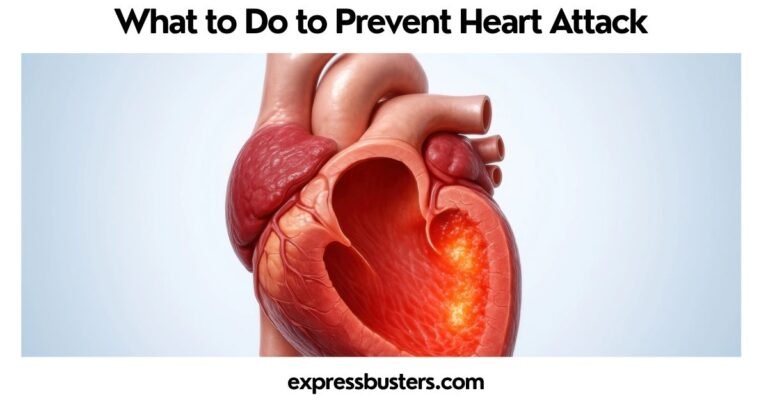
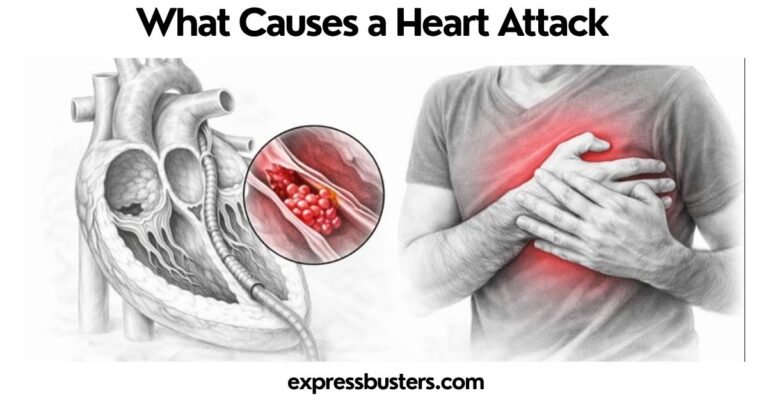
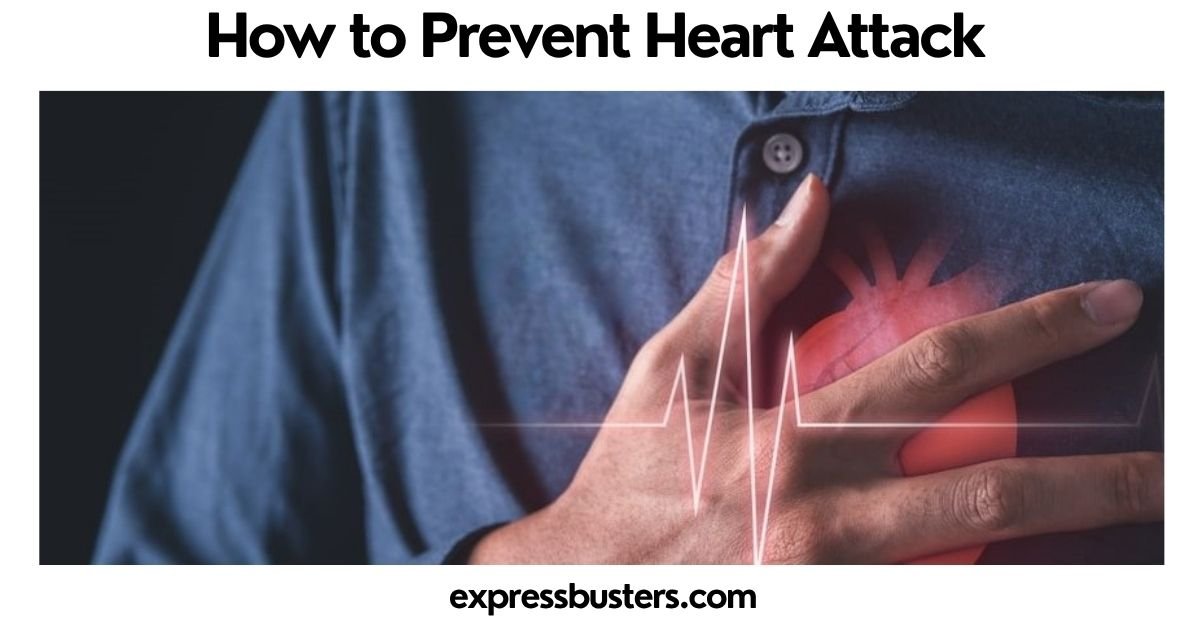
A heart attack happens when blood flow to the heart becomes blocked. The blockage usually comes from fat, cholesterol, and plaque buildup inside the arteries.
When the heart muscle does not get enough oxygen-rich blood, part of the heart can become damaged or die.
A heart attack is also called a myocardial infarction.
Some heart attacks happen suddenly, while others begin slowly with mild warning signs.
Learning how to prevent heart attacks starts with understanding why they happen in the first place.
Why Heart Attacks Are Becoming More Common
Modern lifestyles have increased the risk of heart disease in many people. Several daily habits silently damage the heart over time.
Common causes include:
- Poor diet
- Smoking
- Lack of exercise
- Stress
- Obesity
- High blood pressure
- Diabetes
- High cholesterol
- Poor sleep
- Excess alcohol
Many people believe heart attacks only happen to older adults. However, younger adults are also experiencing serious heart problems due to unhealthy lifestyles.
This is why prevention is more important than ever.
How to Prevent Heart Attack Naturally
Preventing heart disease is not about one single habit. It is about creating a heart-healthy lifestyle every day.
Also Read: Am I Having a Heart Attack Female Quiz? Signs, Symptoms, Risks, and What Women Need to Know
Here are the most effective ways to protect your heart naturally.
Eat a Heart-Healthy Diet
Food plays a major role in heart health. What you eat every day affects your cholesterol levels, blood pressure, body weight, and inflammation.
A healthy diet is one of the strongest answers to the question of how to prevent a heart attack.
Best Foods for Heart Health
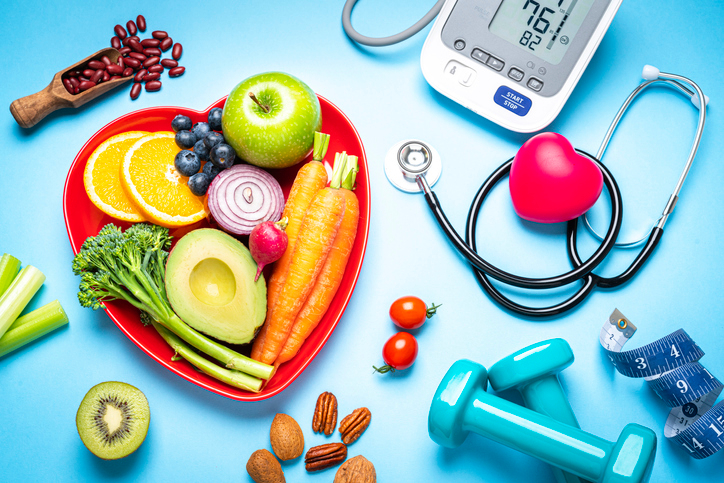
Eat more of these foods regularly:
- Fresh fruits
- Vegetables
- Whole grains
- Beans
- Nuts
- Seeds
- Fish rich in omega-3
- Olive oil
- Avocados
- Low-fat dairy
Foods That Increase Heart Attack Risk
Limit or avoid:
- Fried foods
- Fast food
- Sugary drinks
- Processed meat
- Excess salt
- White bread
- Pastries
- Candy
- Trans fats
- Highly processed snacks
Many people focus only on calories, but heart health depends more on food quality than calorie counting alone.
Exercise Regularly
Physical activity strengthens the heart and improves blood circulation.
Regular exercise can:
- Lower blood pressure
- Reduce bad cholesterol
- Improve good cholesterol
- Help maintain healthy weight
- Lower stress
- Improve sleep
- Reduce diabetes risk
Experts recommend at least 150 minutes of moderate exercise every week.
Good exercises include:
- Walking
- Cycling
- Swimming
- Jogging
- Dancing
- Strength training
Walking is one of the easiest and most effective exercises for heart health.
Even 30 minutes daily can make a huge difference.
Maintain a Healthy Weight
Being overweight increases pressure on the heart.
Excess body fat also raises the risk of:
- High cholesterol
- High blood pressure
- Diabetes
- Stroke
- Sleep apnea
Losing even a small amount of weight can improve heart health.
Do not focus only on appearance. Focus on long-term health and body balance.
Stop Smoking Immediately
Smoking damages blood vessels and reduces oxygen in the blood.
It also increases plaque buildup inside arteries.
Smoking is one of the biggest causes of heart attacks worldwide.
The good news is that quitting smoking improves heart health quickly.
Benefits begin within days after stopping.
If you smoke, quitting may be the single most powerful step in learning how to prevent heart attacks.
Control Blood Pressure
High blood pressure is called the “silent killer” because many people do not notice symptoms.
Over time, high blood pressure damages arteries and weakens the heart.
Healthy blood pressure is usually around:
120/80 mmHg
You can lower blood pressure by:
- Reducing salt intake
- Exercising
- Managing stress
- Losing weight
- Avoiding smoking
- Sleeping better
- Taking medicine if prescribed
Regular checkups are extremely important.
Keep Cholesterol Levels Healthy
Cholesterol can build inside arteries and block blood flow.
There are two main types:
- LDL cholesterol is often called bad cholesterol
- HDL cholesterol is often called good cholesterol
High LDL increases heart attack risk.
To improve cholesterol levels:
- Eat more fiber
- Reduce fried foods
- Exercise regularly
- Avoid smoking
- Maintain healthy weight
Doctors may also prescribe cholesterol-lowering medicines if needed.
Manage Diabetes Carefully
Diabetes increases the risk of heart disease significantly.
High blood sugar damages blood vessels over time.
People with diabetes must carefully manage:
- Blood sugar
- Diet
- Weight
- Exercise
- Stress
- Sleep
Many heart attacks can be prevented when diabetes is properly controlled.
Reduce Stress for Better Heart Health
Stress affects both mental and physical health.
Long-term stress can increase:
- Blood pressure
- Inflammation
- Poor eating habits
- Smoking
- Alcohol use
- Sleep problems
Many people underestimate the connection between stress and heart disease.
Healthy stress management includes:
- Meditation
- Deep breathing
- Prayer
- Exercise
- Nature walks
- Family time
- Good sleep
- Hobbies
Mental health matters for heart health.
Get Enough Sleep Every Night
Poor sleep can damage the heart over time.
Adults should aim for 7 to 9 hours of sleep daily.
Lack of sleep may increase:
- Blood pressure
- Weight gain
- Stress hormones
- Diabetes risk
- Inflammation
Good sleep helps the body repair itself naturally.
Simple ways to improve sleep:
- Avoid screens before bed
- Keep a regular sleep schedule
- Reduce caffeine at night
- Sleep in a dark room
- Exercise during the day
Limit Alcohol Consumption
Small amounts of alcohol may not be harmful for some adults, but excessive drinking increases heart risks.
Too much alcohol can raise:
- Blood pressure
- Triglycerides
- Weight gain
- Irregular heartbeat
If you drink alcohol, moderation is very important.
Learn the Warning Signs of a Heart Attack
Many people survive because they get help quickly.
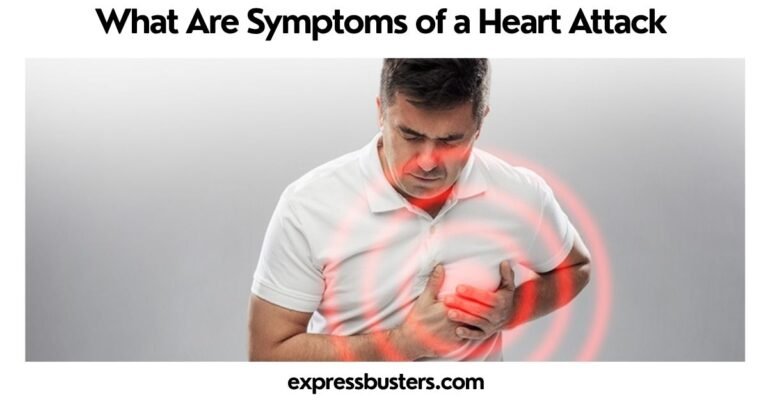
Common heart attack symptoms include:
- Chest pain
- Pressure in chest
- Pain in arm
- Jaw pain
- Neck pain
- Shortness of breath
- Sweating
- Nausea
- Dizziness
- Fatigue
Women may experience different symptoms, including:
- Back pain
- Extreme tiredness
- Indigestion
- Nausea
Never ignore warning signs.
Call emergency services immediately if symptoms appear.
How to Prevent Widowmaker Heart Attack
A widowmaker heart attack is one of the most dangerous types of heart attacks.
It happens when the left anterior descending artery becomes severely blocked.
Many people want to know how to prevent widowmaker heart attack because it can be deadly without immediate treatment.
The best prevention methods include:
- Controlling cholesterol
- Avoiding smoking
- Regular exercise
- Healthy eating
- Blood pressure control
- Diabetes management
- Regular heart screenings
Early detection can save lives.
People with family history should pay special attention to heart health.
Family History and Heart Attack Risk
Genetics play an important role in heart disease.
If close family members had heart problems early in life, your risk may be higher.
However, genetics do not guarantee a heart attack.
Healthy habits can still lower risk significantly.
If heart disease runs in your family:
- Get regular health screenings
- Check cholesterol early
- Monitor blood pressure
- Stay physically active
- Avoid smoking completely
Prevention becomes even more important with family history.
Importance of Regular Health Checkups
Many heart problems develop silently for years.
Regular medical checkups help detect risk factors early.
Doctors may check:
- Blood pressure
- Cholesterol
- Blood sugar
- Heart rhythm
- Weight
- Body mass index
Screenings can prevent serious complications later.
How to Prevent a Stroke or Heart Attack
Heart attacks and strokes share many of the same risk factors.
If you want to learn how to prevent a stroke or heart attack, focus on improving overall blood vessel health.
Key prevention steps include:
- Exercise daily
- Eat healthy foods
- Stop smoking
- Maintain healthy blood pressure
- Control diabetes
- Reduce cholesterol
- Sleep properly
- Reduce stress
Healthy arteries protect both the heart and brain.
Best Vitamins and Nutrients for Heart Health
Nutrition plays a major role in prevention.
Important nutrients include:
Omega-3 Fatty Acids
Found in:
- Salmon
- Sardines
- Walnuts
- Chia seeds
Benefits include reducing inflammation and supporting heart rhythm.
Fiber
Fiber helps lower cholesterol naturally.
High-fiber foods include:
- Oats
- Beans
- Apples
- Vegetables
- Whole grains
Magnesium
Magnesium supports healthy blood pressure and heart rhythm.
Sources include:
- Spinach
- Nuts
- Seeds
- Whole grains
Potassium
Potassium helps balance blood pressure.
Found in:
- Bananas
- Potatoes
- Beans
- Yogurt
Always speak with a doctor before taking supplements.
Foods That Help Clean Arteries Naturally
While no food can magically remove plaque overnight, certain foods support healthier arteries.
Helpful foods include:
- Garlic
- Berries
- Tomatoes
- Leafy greens
- Olive oil
- Fatty fish
- Green tea
- Nuts
A long-term healthy diet matters more than quick fixes.
The Role of Inflammation in Heart Disease
Modern research shows inflammation plays a major role in heart attacks.
Inflammation can damage blood vessels and increase plaque buildup.
Common causes of inflammation include:
- Smoking
- Poor diet
- Obesity
- Chronic stress
- Lack of sleep
- Inactivity
Anti-inflammatory habits support heart protection.
Why Sitting Too Much Is Dangerous
Even people who exercise may face heart risks if they sit too much during the day.
Long sitting periods slow circulation and affect metabolism.
Simple solutions:
- Stand every hour
- Walk during breaks
- Stretch often
- Use stairs
- Stay active throughout the day
Movement matters more than many people realize.
Can Young People Have Heart Attacks?
Yes.
Heart attacks are increasing among younger adults.
Reasons include:
- Fast food
- Smoking
- Stress
- Obesity
- Lack of exercise
- Energy drinks
- Poor sleep
Young adults should not ignore heart health.
Prevention should begin early in life.
Heart Attack Prevention for Women
Women sometimes experience different symptoms than men.
Women should pay attention to:
- Fatigue
- Nausea
- Back pain
- Jaw pain
- Shortness of breath
Hormonal changes after menopause may also increase risk.
Women should prioritize regular health screenings and heart-healthy habits.
How Air Pollution Affects Heart Health
Research shows air pollution can increase heart disease risk.
Polluted air may increase inflammation and blood vessel damage.
Ways to reduce exposure:
- Exercise away from traffic
- Use air filters indoors
- Avoid smoking areas
- Monitor air quality reports
Environmental health also affects the heart.
The Connection Between Mental Health and Heart Disease
Depression and anxiety may increase heart risks.
People struggling with mental health may:
- Exercise less
- Eat unhealthy foods
- Smoke more
- Sleep poorly
Seeking emotional support is important for total wellness.
Healthy minds support healthy hearts.
How Technology Helps Prevent Heart Attacks
Modern healthcare technology is improving prevention.
Useful tools include:
- Smartwatches
- Blood pressure monitors
- Fitness trackers
- Heart rhythm apps
These tools help people track:
- Heart rate
- Activity
- Sleep
- Exercise
- Blood pressure
Technology cannot replace doctors, but it can support healthier habits.
The Truth About “Healthy” Processed Foods
Many packaged foods appear healthy but contain:
- High sodium
- Added sugar
- Artificial ingredients
Always read labels carefully.
Look for:
- Low sodium
- Minimal ingredients
- High fiber
- Low added sugar
Natural foods are usually better for heart health.
Healthy Daily Routine for Heart Attack Prevention
A strong daily routine can protect the heart for years.
Morning
- Drink water
- Eat healthy breakfast
- Walk or stretch
- Avoid smoking
Afternoon
- Eat balanced meals
- Stay active
- Reduce stress
Evening
- Light dinner
- Relaxation time
- Good sleep habits
Small daily actions create long-term results.
How to Prevent Heart Attacks During Cold Weather
Cold temperatures can increase heart strain.
Winter prevention tips include:
- Dress warmly
- Avoid sudden heavy activity
- Stay active indoors
- Manage blood pressure carefully
People with existing heart conditions should be especially cautious.
Also Read: What Causes a Heart Attack? Complete Guide to Causes, Risks, Warning Signs, and Prevention
Importance of Hydration for Heart Health
Dehydration may affect blood circulation and heart function.
Drink enough water throughout the day.
Proper hydration supports:
- Blood flow
- Blood pressure balance
- Energy levels
Sugary drinks should be limited.
Water remains the best choice.
Can Heart Attacks Be Completely Prevented?
Not every heart attack can be prevented because genetics and aging also play a role.
However, experts believe many heart attacks are linked to lifestyle factors that can be improved.
The goal is to reduce risk as much as possible.
Every healthy choice matters.
Signs Your Heart Is Becoming Healthier
Positive changes may include:
- Better energy
- Lower blood pressure
- Improved cholesterol
- Weight loss
- Better sleep
- Easier breathing
- Improved fitness
Heart health improves gradually over time.
Consistency is the key.
Common Myths About Heart Attack Prevention
Myth 1: Only Older Adults Have Heart Attacks
False.
Young adults can also develop heart disease.
Myth 2: Thin People Cannot Have Heart Problems
False.
Poor diet, smoking, stress, and genetics still matter.
Myth 3: Exercise Alone Prevents Heart Disease
False.
Diet, sleep, stress, and smoking also play major roles.
Myth 4: Heart Disease Only Affects Men
False.
Heart disease is also a leading health problem for women.
Future of Heart Attack Prevention
Medical science continues improving prevention methods.
Future advances may include:
- Better genetic testing
- Earlier detection
- Personalized nutrition
- Improved wearable devices
- AI-based heart monitoring
Even with modern medicine, healthy lifestyle habits remain the foundation of prevention.
Final Thoughts on How to Prevent Heart Attack
Learning how to prevent heart attack is one of the most important investments you can make for your future health.
Prevention does not require perfection. Small daily improvements can create powerful long-term results.
The most effective prevention plan includes:
- Healthy eating
- Exercise
- Stress management
- Better sleep
- No smoking
- Weight control
- Regular checkups
If you want to know how to prevent a heart attack naturally, the answer is simple but powerful: build healthy habits consistently over time.
Your heart works every second of your life. Taking care of it today can protect your future tomorrow.
FAQs About How to Prevent Heart Attack
Can drinking water help prevent heart attacks?
Proper hydration supports healthy blood circulation and overall heart function. While water alone cannot prevent heart attacks, staying hydrated is part of a heart-healthy lifestyle.
How much exercise is best for heart health?
Most experts recommend at least 150 minutes of moderate exercise weekly. Walking, swimming, and cycling are excellent options.
Can stress alone cause a heart attack?
Extreme stress may increase heart risks, especially when combined with poor lifestyle habits. Chronic stress can raise blood pressure and inflammation.
Is coffee bad for the heart?
Moderate coffee intake is generally safe for many adults. However, excessive caffeine may affect blood pressure and heart rhythm in sensitive individuals.
Can healthy people still get heart attacks?
Yes. Genetics, hidden conditions, and silent plaque buildup may still increase risk. Regular health screenings are important even for healthy individuals.
What is the fastest way to improve heart health?
Stopping smoking, improving diet, exercising regularly, and managing blood pressure can create major improvements quickly.
Does walking every day reduce heart attack risk?
Yes. Daily walking improves circulation, supports weight control, lowers stress, and strengthens the heart.
How does sleep affect heart health?
Poor sleep may increase blood pressure, inflammation, obesity risk, and stress hormones, all of which affect heart health.
Are energy drinks dangerous for the heart?
Some energy drinks contain high caffeine and stimulants that may affect heart rhythm and blood pressure, especially in large amounts.
How early should heart attack prevention begin?
Heart-healthy habits should begin as early as possible. Prevention during younger years can greatly reduce future risk.