What Is a Widowmaker Heart Attack? Symptoms, Causes, Survival Rate, Treatment, and Recovery
A widowmaker heart attack is one of the most serious and life-threatening types of heart attacks. It happens when a major artery that supplies blood to the heart becomes fully or almost fully blocked. Without quick treatment, the heart muscle can suffer severe damage within minutes.
Many people have heard the scary name but still ask, “what is a widowmaker heart attack?” Understanding this condition can help save lives. Early recognition of symptoms and fast emergency treatment greatly improve survival chances.
In this complete guide, you will learn everything about what is a widowmaker heart attack, including causes, warning signs, risk factors, treatments, survival rates, recovery, and prevention tips. This article is written in very easy English for readers in the United States and follows the latest heart health information and medical recommendations.
What Is a Widowmaker Heart Attack?
A widowmaker heart attack happens when there is a severe blockage in the left anterior descending artery, often called the LAD artery. This artery carries oxygen-rich blood to a large part of the heart.
When the LAD artery becomes blocked, blood cannot reach the heart muscle properly. As a result, part of the heart starts to die from lack of oxygen. This can quickly become fatal if treatment is delayed.
The term “widowmaker” comes from the high death risk linked to this type of heart attack. In the past, many people died suddenly before reaching the hospital. Today, survival has improved because of faster emergency care, better heart procedures, and greater awareness.
Still, the condition remains extremely dangerous and should always be treated as a medical emergency.

Why Is It Called a Widowmaker Heart Attack?
The name sounds dramatic because this heart attack can cause sudden death. Historically, many patients died instantly or shortly after symptoms began, leaving behind grieving spouses and families.
The blockage usually affects the main artery supplying blood to the front of the heart. Since this area controls much of the heart’s pumping power, damage can be massive.
Doctors use the term widowmaker when there is:
- A complete blockage of the LAD artery
- A near-complete blockage in a critical area
- Severe interruption of blood flow to the heart
Not every blockage in the LAD artery is fatal, but the risk is much higher than many other heart problems.
What Is Considered a Widowmaker Heart Attack?
Many people wonder, “what is considered a widowmaker heart attack?”
A widowmaker heart attack is usually considered:
- A 100% blockage in the left anterior descending artery
- Or a blockage of 95% or more in a critical section of the artery
The blockage is often caused by plaque buildup, blood clots, or artery disease. The most dangerous blockages occur near the beginning of the LAD artery because they cut off blood supply to a large part of the heart.
Cardiologists may identify the condition during:
- Emergency angiograms
- Heart catheterization procedures
- CT coronary scans
- Electrocardiograms (ECG)
Quick diagnosis is essential because every minute without blood flow increases heart damage.
Also Read: What Happens During a Heart Attack? Symptoms, Causes, Warning Signs & Treatment Guide
How Does a Widowmaker Heart Attack Happen?
To understand what is a widowmaker heart attack, it helps to know how the arteries work.
The heart needs oxygen-rich blood to function. Coronary arteries deliver this blood. Over time, fatty deposits called plaque can build up inside these arteries.
This process is called atherosclerosis.
If plaque suddenly ruptures, the body forms a blood clot around it. The clot may completely block blood flow. When this happens in the LAD artery, a widowmaker heart attack can occur.
The blockage can develop due to:
- High cholesterol
- Smoking
- High blood pressure
- Diabetes
- Obesity
- Chronic stress
- Lack of exercise
- Poor diet
- Genetic risk factors
Some people have no warning signs before the attack.
Common Symptoms of a Widowmaker Heart Attack
Symptoms can appear suddenly or slowly over several hours. Some people mistake the symptoms for indigestion, anxiety, or muscle pain.
The most common signs include:
Chest Pain or Pressure
This is the classic symptom. The pain may feel like:
- Tightness
- Crushing pressure
- Burning
- Heavy squeezing
Many people say it feels like an elephant sitting on the chest.
Pain Spreading to Other Areas
The pain may move to:
- Left arm
- Right arm
- Neck
- Jaw
- Back
- Shoulders
Shortness of Breath
Difficulty breathing can happen even while resting.
Sweating
Cold sweats are very common during severe heart attacks.
Nausea or Vomiting
Some people feel sick to their stomach.
Dizziness or Fainting
Reduced blood flow can cause lightheadedness.
Extreme Fatigue
Sudden exhaustion can appear hours or days before the attack.
Anxiety or Sense of Doom
Many survivors report feeling that something was seriously wrong.
Widowmaker Heart Attack Symptoms in Women
Women often experience different symptoms than men.
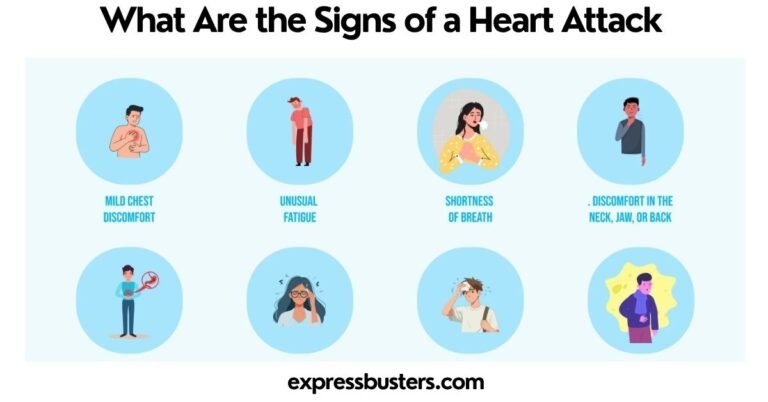
Women may have:
- Nausea
- Unusual fatigue
- Back pain
- Jaw pain
- Mild chest discomfort
- Shortness of breath
- Dizziness
Because symptoms may seem less severe, women sometimes delay seeking help. This can increase the risk of complications.
Silent Widowmaker Heart Attacks
Not every widowmaker heart attack causes dramatic symptoms.
Some people experience:
- Mild discomfort
- Heartburn-like feelings
- Fatigue
- Sweating
- Shortness of breath without pain
People with diabetes are especially at risk for silent heart attacks because nerve damage may reduce pain signals.
Even silent attacks can cause serious heart damage.
Risk Factors for a Widowmaker Heart Attack
Several factors increase the risk.
Smoking
Smoking damages blood vessels and increases clot formation.
High Cholesterol
Too much LDL cholesterol leads to plaque buildup.
High Blood Pressure
Hypertension strains arteries and the heart.
Diabetes
High blood sugar damages blood vessels over time.
Obesity
Extra weight increases strain on the cardiovascular system.
Lack of Exercise
Physical inactivity weakens heart health.
Family History
Genetics play a major role in heart disease risk.
Stress
Long-term stress may raise blood pressure and inflammation.
Poor Diet
Foods high in sugar, sodium, and unhealthy fats increase artery disease risk.
Age
Risk rises with age, especially after 45 in men and after menopause in women.
How Doctors Diagnose a Widowmaker Heart Attack
Emergency doctors use several tests to confirm the condition.
Electrocardiogram (ECG)
This records electrical activity in the heart and can show abnormal patterns.
Blood Tests
Doctors check for heart damage markers such as troponin.
Coronary Angiography
A dye is injected into the arteries to locate blockages.
Echocardiogram
Ultrasound images show how well the heart pumps blood.
CT Coronary Scan
This imaging test helps identify plaque and narrowed arteries.
Fast diagnosis improves survival chances significantly.
Emergency Treatment for a Widowmaker Heart Attack
Immediate treatment is critical.
Call 911 Immediately
Never drive yourself to the hospital during severe symptoms.
Emergency responders can begin treatment right away.
Aspirin
Chewing aspirin may help reduce clotting while waiting for help.
Only use aspirin if recommended by emergency professionals.
Also Read: What Does Heart Attack Feel Like? A Complete Guide to Signs, Symptoms, and Early Warning Signals
Oxygen Therapy
Some patients need extra oxygen.
Medications
Doctors may use drugs to:
- Break up clots
- Lower blood pressure
- Reduce heart strain
- Stabilize heart rhythm
Angioplasty and Stent Placement
This is one of the most common treatments.
Doctors insert a balloon into the blocked artery and open it. Then they place a stent to keep the artery open.
Coronary Artery Bypass Surgery
Severe cases may require bypass surgery to create a new path for blood flow.
What Is the Survival Rate for a Widowmaker Heart Attack?
A common question is, “what is the survival rate for a widowmaker heart attack?”
The answer depends on several important factors:
- How fast treatment begins
- The patient’s age
- Overall heart health
- Amount of heart damage
- Presence of other diseases
Years ago, survival rates were much lower. Today, emergency treatment has improved greatly.
Many patients survive if treatment happens quickly.
Research suggests survival can exceed 90% when patients receive rapid emergency care and immediate artery opening procedures.
However, delays can dramatically increase the risk of death.
Another common search phrase is “what is the survival rate of a widowmaker heart attack.” Survival varies from person to person, but rapid response is the biggest factor affecting outcomes.
What Is the Life Expectancy After a Widowmaker Heart Attack?
People also ask, “what is the life expectancy after a widowmaker heart attack?”
Life expectancy depends on:
- Amount of heart damage
- Speed of treatment
- Lifestyle changes after recovery
- Medication adherence
- Rehabilitation participation
Many people live long and active lives after surviving a widowmaker heart attack.
Some survivors return to work, exercise, and normal activities within months.
Patients who improve their lifestyle often have better long-term outcomes than those who continue unhealthy habits.
Important recovery steps include:
- Quitting smoking
- Eating heart-healthy foods
- Exercising safely
- Managing stress
- Taking medications properly
- Attending follow-up appointments
Recovery After a Widowmaker Heart Attack
Recovery takes time and varies for each patient.
Hospital Recovery
Most patients stay in the hospital for several days.
Doctors monitor:
- Heart rhythm
- Blood pressure
- Oxygen levels
- Recovery progress
Cardiac Rehabilitation
Cardiac rehab is one of the most important parts of healing.
These programs include:
- Supervised exercise
- Nutrition guidance
- Stress management
- Education about heart disease
Studies show cardiac rehab reduces future heart risks.
Emotional Recovery
Many survivors experience:
- Anxiety
- Depression
- Fear
- Emotional stress
Mental health support can improve recovery.
Returning to Daily Life
Patients usually return to daily activities gradually.
Doctors may recommend:
- Light walking
- Reduced stress
- Controlled physical activity
- Better sleep habits
Long-Term Effects of a Widowmaker Heart Attack
Some survivors recover almost fully, while others face ongoing complications.
Possible long-term effects include:
Heart Failure
Damage to the heart muscle can weaken pumping ability.
Irregular Heartbeat
Scar tissue may disrupt electrical signals.
Reduced Exercise Capacity
Some people tire more easily after heart damage.
Emotional Challenges
Fear of another heart attack is common.
Early treatment reduces the risk of severe long-term complications.
Can Young People Have a Widowmaker Heart Attack?
Yes, younger adults can experience widowmaker heart attacks.
Although more common in older adults, younger patients may develop the condition due to:
- Smoking
- Obesity
- Drug use
- High cholesterol
- Family history
- Undiagnosed heart disease
Recent years have shown increasing heart risks among younger adults because of poor lifestyle habits.
Can a Widowmaker Heart Attack Be Prevented?
In many cases, yes.
Prevention focuses on protecting artery health.
Eat a Heart-Healthy Diet
Choose foods such as:
- Vegetables
- Fruits
- Whole grains
- Lean proteins
- Fish
- Nuts
Reduce:
- Fried foods
- Sugary drinks
- Processed meats
- Excess salt
Exercise Regularly
Aim for at least 150 minutes of moderate exercise weekly.
Stop Smoking
Smoking greatly increases heart attack risk.
Control Blood Pressure
Regular monitoring helps reduce artery damage.
Manage Cholesterol
Lower LDL cholesterol protects arteries.
Maintain Healthy Weight
Weight control reduces stress on the heart.
Manage Diabetes
Good blood sugar control protects blood vessels.
Reduce Stress
Stress management techniques include:
- Meditation
- Walking
- Better sleep
- Relaxation exercises
Get Regular Checkups
Routine screenings can identify hidden problems early.
Widowmaker Heart Attack vs Regular Heart Attack
All heart attacks are serious, but widowmaker heart attacks are especially dangerous because of the artery involved.
Also Read: Can Stress Cause a Heart Attack? The Complete Guide to Stress, Anxiety, and Heart Health
Widowmaker Heart Attack
- Usually affects the LAD artery
- Often causes large heart damage
- High sudden death risk
- Requires immediate treatment
Other Heart Attacks
- May affect smaller arteries
- Damage can vary
- Symptoms may differ
- Some are less severe
Still, every suspected heart attack requires emergency care.
What Happens If Treatment Is Delayed?
Without treatment, the heart muscle begins dying quickly.
Delays can cause:
- Severe heart failure
- Permanent heart damage
- Dangerous arrhythmias
- Cardiac arrest
- Death
Doctors often say “time is muscle.” The longer the delay, the more heart tissue dies.
Calling emergency services immediately can save life and heart function.
Lifestyle Changes After a Widowmaker Heart Attack
Survivors often need permanent lifestyle improvements.
Better Nutrition
Many patients switch to Mediterranean-style diets rich in healthy fats and vegetables.
Daily Physical Activity
Walking and light exercise strengthen heart recovery.
Medication Compliance
Patients may need medicines such as:
- Blood thinners
- Statins
- Beta blockers
- Blood pressure medications
Stress Reduction
Stress management improves overall heart health.
Sleep Improvement
Poor sleep increases cardiovascular risk.
Avoiding Tobacco and Drugs
These substances severely increase future heart risks.
Psychological Impact of Surviving a Widowmaker Heart Attack
Many survivors experience emotional changes.
Common feelings include:
- Fear
- Anxiety
- Depression
- Panic
- Health worries
Family members may also feel emotional stress.
Support groups, counseling, and rehabilitation programs can help people regain confidence.
Advances in Widowmaker Heart Attack Treatment
Heart care has improved dramatically over recent decades.
Modern advances include:
- Faster ambulance response
- Better clot-busting medications
- Improved stent technology
- Advanced imaging tests
- Better rehabilitation programs
These improvements have significantly increased survival rates.
Warning Signs You Should Never Ignore
Call emergency services immediately if you experience:
- Chest pressure lasting more than a few minutes
- Sudden shortness of breath
- Pain spreading to the jaw or arm
- Cold sweats
- Sudden dizziness
- Severe nausea with chest discomfort
Do not wait to see if symptoms improve.
Quick action saves lives.
How Family History Affects Risk
Genetics can strongly affect heart disease risk.
If close relatives had:
- Early heart attacks
- High cholesterol
- Coronary artery disease
- Sudden cardiac death
Your risk may be higher.
Tell your doctor about family history so preventive testing can begin early.
Common Myths About Widowmaker Heart Attacks
Only Older Men Get Them
Women and younger adults can also suffer widowmaker heart attacks.
You Will Always Feel Severe Pain
Some people have mild or silent symptoms.
Healthy People Cannot Have One
Even physically fit people may have hidden artery disease or genetic risks.
Recovery Means You Are Fully Cured
Survivors still need lifelong heart care and monitoring.
The Importance of Fast Emergency Response
Fast treatment is the biggest survival factor.
Patients treated quickly are more likely to:
- Survive
- Have less heart damage
- Recover faster
- Avoid heart failure
Never ignore symptoms or wait too long before seeking help.
When to See a Doctor for Heart Health
Regular medical visits are important if you have:
- High blood pressure
- Diabetes
- High cholesterol
- Smoking history
- Family history of heart disease
- Obesity
- Chest discomfort
- Shortness of breath
Preventive care can stop serious problems before they become emergencies.
Also Read: Which Aspirin Is Best for Heart Attack? Complete Guide for Fast Emergency Action and Heart Health
Frequently Asked Questions About What Is a Widowmaker Heart Attack
Can you survive a widowmaker heart attack?
Yes. Many people survive today because of faster emergency care and better treatments. Quick medical attention is critical.
Is a widowmaker heart attack always fatal?
No. Although it is extremely dangerous, survival rates have improved significantly with modern medical care.
What causes the artery blockage?
The blockage is usually caused by plaque buildup and blood clots inside the artery.
Can exercise prevent widowmaker heart attacks?
Regular exercise helps reduce many heart disease risk factors, including obesity, high blood pressure, and cholesterol.
How long does recovery take?
Recovery varies. Some people recover within weeks, while others need several months of rehabilitation.
Are widowmaker heart attacks hereditary?
Family history can increase risk, but lifestyle also plays a major role.
Can stress trigger a widowmaker heart attack?
Severe stress may contribute to heart attacks by increasing blood pressure and strain on the heart.
What foods help protect the heart?
Foods rich in fiber, healthy fats, fruits, vegetables, and lean proteins support heart health.
Is chest pain always present?
No. Some people experience mild symptoms or unusual signs like fatigue or nausea.
Can women have different symptoms than men?
Yes. Women often have less obvious symptoms such as fatigue, nausea, or jaw pain.
Final Thoughts on What Is a Widowmaker Heart Attack
Understanding what is a widowmaker heart attack can help save lives. This condition occurs when a major heart artery becomes critically blocked, cutting off blood flow to the heart muscle. Without immediate treatment, the results can be deadly.
The good news is that modern medicine has greatly improved survival rates. Early symptom recognition, fast emergency response, and long-term lifestyle changes make a major difference.
Knowing the warning signs, understanding risk factors, and taking preventive steps can protect both you and your loved ones. Heart health should never be ignored, especially when symptoms appear suddenly.
If you or someone around you experiences possible heart attack symptoms, seek emergency medical care immediately. Fast action can mean the difference between life and death.