What Prevent Heart Attack: Complete Guide to Protect Your Heart Naturally
Heart disease is one of the leading causes of death in the United States. Every year, millions of people search online to learn what prevent heart attack and how they can live a longer and healthier life. The good news is that many heart attacks can be prevented with the right lifestyle choices, healthy habits, and early medical care.
A heart attack does not usually happen suddenly without warning. In many cases, the body gives signs for years through high blood pressure, poor diet, stress, obesity, smoking, diabetes, and lack of exercise. Understanding what to do to prevent heart attack can help people reduce risk and improve overall health.
This complete guide explains everything you need to know about heart attack prevention in very easy English. You will learn practical steps, expert advice, food choices, exercise tips, warning signs, and long-term strategies that really work.
What Is a Heart Attack?
A heart attack happens when blood flow to the heart becomes blocked. This blockage usually comes from fatty deposits called plaque inside the arteries. When blood cannot reach the heart muscles, the heart becomes damaged.
Doctors call a heart attack a myocardial infarction. It is a medical emergency that needs immediate treatment.

Some people survive heart attacks with quick medical care, while others face serious complications. That is why learning what prevent heart attack is so important for every age group.
Why Heart Attacks Are Increasing in Modern Life
Modern lifestyles have increased the risk of heart disease. Many people spend long hours sitting, eating processed food, sleeping poorly, and dealing with stress every day.
Here are some major reasons heart attacks are becoming more common:
Unhealthy Food Habits
Fast food, sugary drinks, processed snacks, and high-salt meals can damage arteries over time.
Physical Inactivity
Many adults do not get enough movement during the day. Sitting for long periods affects heart health.
High Stress Levels
Stress increases blood pressure and inflammation in the body.
Smoking and Alcohol
Smoking damages blood vessels while heavy alcohol use weakens the heart.
Obesity and Diabetes
Extra body fat and uncontrolled blood sugar increase heart attack risk significantly.
Understanding these causes helps people know what can you do to prevent a heart attack before problems become serious.
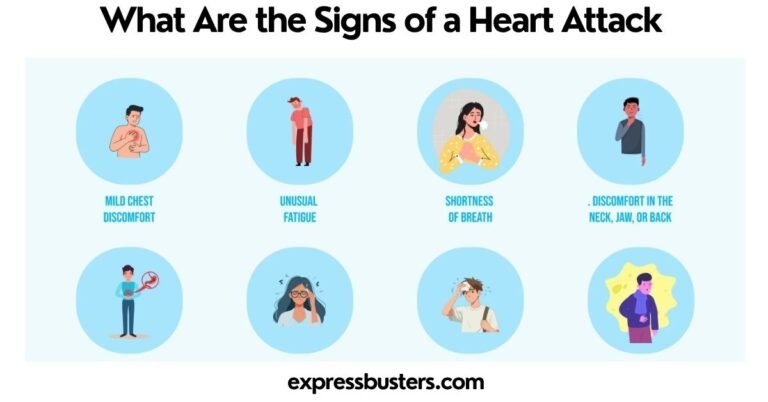
Main Symptoms of a Heart Attack
Knowing symptoms early can save lives. Some signs appear suddenly, while others develop slowly over days or weeks.
Also Read: How to Prevent a Heart Attack and Stroke: The Complete Guide to Protecting Your Heart and Brain
Common symptoms include:
- Chest pain or pressure
- Pain in the arm, jaw, neck, or back
- Shortness of breath
- Cold sweat
- Nausea
- Dizziness
- Extreme tiredness
Women sometimes experience different symptoms such as fatigue, nausea, and upper back pain instead of strong chest pain.
If symptoms appear, call emergency services immediately.
What Prevent Heart Attack Naturally?
Many people ask doctors what prevent heart attack naturally without depending only on medicines. The answer involves building a healthy daily routine that protects the heart over time.
The most effective prevention methods include:
- Eating healthy foods
- Exercising regularly
- Avoiding smoking
- Managing stress
- Controlling blood pressure
- Maintaining healthy weight
- Sleeping properly
- Managing diabetes and cholesterol
These habits work together to reduce artery damage and improve blood circulation.
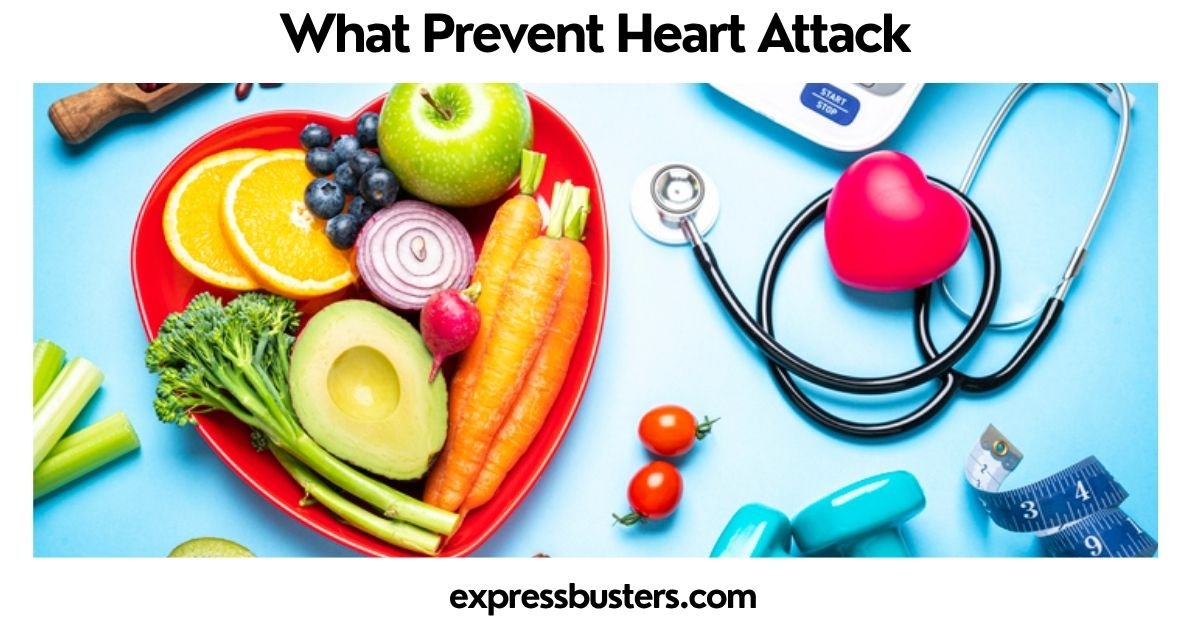
Healthy Eating Habits That Protect the Heart
Food plays one of the biggest roles in heart health. A poor diet can slowly clog arteries, while healthy food can improve blood flow and reduce inflammation.
Eat More Fruits and Vegetables
Fresh fruits and vegetables contain vitamins, minerals, antioxidants, and fiber that support the heart.
Best options include:
- Berries
- Apples
- Spinach
- Kale
- Broccoli
- Carrots
- Tomatoes
Aim for colorful foods because different colors provide different nutrients.
Choose Whole Grains
Whole grains help lower cholesterol and improve digestion.
Healthy examples include:
- Oatmeal
- Brown rice
- Whole wheat bread
- Quinoa
- Barley
Add Healthy Fats
Not all fats are bad. Healthy fats support the heart and reduce harmful cholesterol.
Good sources include:
- Avocados
- Olive oil
- Nuts
- Seeds
- Salmon
- Tuna
Reduce Salt Intake
Too much salt raises blood pressure. High blood pressure is one of the biggest causes of heart attacks.
Try to avoid:
- Packaged snacks
- Processed meat
- Instant noodles
- Fast food
Limit Sugar and Processed Foods
Sugary foods increase obesity and diabetes risk.
Reduce intake of:
- Soda
- Candy
- Cakes
- Sugary cereals
- Sweet coffee drinks
People searching what to prevent heart attack should understand that healthy eating is one of the strongest protections against heart disease.
Best Exercises for Heart Health
Exercise strengthens the heart and improves blood circulation. It also helps maintain healthy weight and reduce stress.
Walking
Walking is simple, free, and highly effective. Just 30 minutes daily can improve heart health significantly.
Running or Jogging
These activities improve cardiovascular endurance and help burn fat.
Cycling
Cycling supports heart strength while being easier on joints.
Swimming
Swimming provides full-body exercise and improves lung capacity.
Strength Training
Light weight training helps build muscle and support metabolism.
Stretching and Yoga
Yoga helps reduce stress, improve flexibility, and lower blood pressure.
Experts recommend at least 150 minutes of moderate exercise weekly.
If someone asks what to do to prevent a heart attack, regular physical activity should always be part of the answer.
The Connection Between Smoking and Heart Attacks
Smoking damages nearly every part of the cardiovascular system. It narrows blood vessels, reduces oxygen levels, and increases blood clot risk.
Even secondhand smoke can harm the heart.
Benefits of quitting smoking include:
- Lower blood pressure
- Better circulation
- Reduced heart attack risk
- Improved lung health
- Increased energy
The body begins healing within days after quitting.
People who stop smoking greatly improve their chances of avoiding future heart problems.
How Stress Impacts Heart Health
Stress affects both mental and physical health. Long-term stress increases inflammation and raises blood pressure.
Stress can also lead to unhealthy habits such as overeating, smoking, or drinking alcohol.
Healthy Ways to Reduce Stress
Deep Breathing
Slow breathing relaxes the nervous system.
Meditation
Meditation helps calm the mind and reduce anxiety.
Spending Time Outdoors
Nature walks improve mood and reduce stress hormones.
Social Connection
Talking with family and friends supports emotional health.
Better Time Management
Reducing overload lowers mental pressure.
Learning stress control is an important part of understanding what can you do to prevent a heart attack naturally.
Also Read: Do Statins Prevent Heart Attacks? The Complete Evidence-Based Guide
Importance of Healthy Weight
Being overweight forces the heart to work harder. Extra body fat also increases the risk of diabetes, high blood pressure, and cholesterol problems.
Healthy Ways to Manage Weight
- Eat balanced meals
- Avoid late-night overeating
- Stay active daily
- Drink more water
- Sleep properly
- Limit processed food
Small lifestyle improvements often create lasting results over time.
Blood Pressure and Heart Attack Prevention
High blood pressure is called the “silent killer” because many people do not notice symptoms.
When blood pressure stays high for years, arteries become damaged and stiff.
How to Lower Blood Pressure Naturally
- Reduce salt
- Exercise regularly
- Manage stress
- Eat potassium-rich foods
- Maintain healthy weight
- Avoid smoking
Regular blood pressure checks help detect problems early.
Cholesterol and Heart Disease
Cholesterol is a fatty substance found in the blood. Too much bad cholesterol can block arteries.
There are two main types:
- LDL cholesterol is considered bad
- HDL cholesterol is considered good
Tips to Improve Cholesterol Levels
- Eat more fiber
- Avoid fried food
- Exercise regularly
- Eat healthy fats
- Lose excess weight
Controlling cholesterol is a major step for people researching what prevent heart attack.
Diabetes and Heart Attack Risk
Diabetes damages blood vessels and increases heart disease risk.
People with uncontrolled diabetes are more likely to experience heart attacks at younger ages.
Managing Diabetes for Heart Health
- Monitor blood sugar
- Eat balanced meals
- Stay active
- Take medications correctly
- Visit doctors regularly
Blood sugar control protects arteries and improves long-term health.
Why Sleep Matters for Heart Health
Poor sleep affects blood pressure, stress hormones, and inflammation.
Adults should aim for seven to nine hours of quality sleep each night.
Tips for Better Sleep
- Keep regular sleep schedule
- Avoid screens before bed
- Limit caffeine late in the day
- Create a quiet sleeping environment
Good sleep supports both heart and mental health.
Foods That Help Prevent Heart Attacks
Certain foods are especially beneficial for cardiovascular health.
Oats
Oats contain fiber that helps lower cholesterol.
Fatty Fish
Fish rich in omega-3 fatty acids support healthy blood vessels.
Nuts
Almonds and walnuts provide healthy fats and antioxidants.
Beans
Beans contain fiber and plant protein.
Green Tea
Green tea contains antioxidants that may support circulation.
Dark Chocolate
Small amounts of dark chocolate may help improve blood flow.
These foods can become part of a heart-friendly lifestyle plan.
Foods That Increase Heart Attack Risk
Some foods increase inflammation, cholesterol, and blood pressure.
Try to reduce:
- Fried foods
- Processed meats
- Sugary drinks
- Fast food
- Excessive alcohol
- Trans fats
Making smarter food choices every day can greatly improve heart health.
The Role of Regular Health Checkups
Many heart problems develop slowly without symptoms. Regular medical checkups help identify risk factors early.
Important screenings include:
- Blood pressure
- Cholesterol
- Blood sugar
- Weight and BMI
- Heart rhythm
Early detection allows treatment before major damage occurs.
Family History and Heart Attack Risk
Some people inherit higher risk because of genetics. If close relatives had heart disease, prevention becomes even more important.
Although genetics matter, lifestyle still plays a huge role.
People with family history should:
- Exercise regularly
- Avoid smoking
- Monitor cholesterol
- Maintain healthy weight
- Have regular doctor visits
Healthy habits can reduce inherited risks significantly.
Heart Attack Prevention for Men
Men often develop heart disease earlier than women.
Common male risk factors include:
- Smoking
- High stress
- Poor diet
- Lack of exercise
- High blood pressure
Men should pay attention to early symptoms and avoid ignoring chest discomfort.
Heart Attack Prevention for Women
Heart disease is also a major threat for women. Symptoms may look different compared to men.
Women should watch for:
- Extreme fatigue
- Shortness of breath
- Jaw pain
- Nausea
- Back pain
Hormonal changes after menopause can also increase risk.
Understanding these differences helps women respond quickly to warning signs.
Heart Attack Prevention After Age 40
Risk increases with age, especially after 40.
At this stage, people should focus more on prevention by:
- Exercising consistently
- Limiting unhealthy food
- Checking blood pressure regularly
- Managing stress
- Improving sleep quality
Healthy habits in middle age often determine future heart health.
Can Young People Have Heart Attacks?
Yes. Heart attacks are becoming more common among younger adults because of obesity, smoking, stress, and unhealthy diets.
Young adults should not ignore prevention simply because of age.
Starting healthy habits early provides long-term protection.
Mental Health and Heart Disease
Depression and anxiety can affect heart health. Emotional stress may increase inflammation and unhealthy habits.
Ways to Support Mental Health
- Talk to supportive people
- Practice mindfulness
- Seek counseling if needed
- Stay physically active
- Spend time doing enjoyable activities
Mental wellness and heart wellness are strongly connected.
What to Do During a Heart Attack
Even with prevention, emergencies can happen.
If someone experiences symptoms:
- Call emergency services immediately
- Stay calm
- Sit down and rest
- Chew aspirin if recommended by a doctor
- Do not drive yourself if symptoms are severe
Fast medical treatment can save heart muscle and improve survival.
Long-Term Lifestyle Habits That Protect the Heart
Prevention is not about short-term dieting or temporary exercise programs. It is about creating habits that continue for years.
Build Consistent Routines
Small daily habits matter more than extreme changes.
Focus on Progress, Not Perfection
Healthy living does not require perfect eating every day.
Make Gradual Improvements
Slow changes are easier to maintain.
Stay Educated About Health
Learning about heart health helps people make smarter choices.
People often search what to do to prevent a heart attack because they want realistic solutions. The truth is that long-term consistency is one of the strongest protections.
Common Myths About Heart Attack Prevention
Myth 1: Only Older Adults Get Heart Attacks
Young adults can also develop heart disease.
Myth 2: Thin People Cannot Have Heart Problems
Even people with normal weight can have high cholesterol or high blood pressure.
Myth 3: Exercise Alone Is Enough
Exercise helps, but diet, sleep, stress, and smoking also matter.
Myth 4: Heart Disease Only Affects Men
Women face serious heart risks too.
Understanding facts instead of myths leads to better prevention.
Best Daily Routine for Heart Health
A heart-friendly daily routine might include:
- Healthy breakfast
- Morning walk
- Drinking enough water
- Balanced meals
- Stress management
- Limited screen time
- Proper sleep
Simple habits repeated daily often create powerful long-term results.
How Communities and Families Can Support Heart Health
Heart health improves when families work together.
Healthy family habits include:
- Cooking balanced meals
- Exercising together
- Encouraging medical checkups
- Reducing smoking around children
Communities can also support healthier lifestyles through parks, fitness programs, and education.
Future Trends in Heart Attack Prevention
Medical science continues improving prevention methods.
New trends include:
- Wearable heart monitors
- Artificial intelligence health tracking
- Personalized nutrition plans
- Better cholesterol medicines
- Remote healthcare monitoring
Technology may help people detect risks earlier in the future.
Expert Insight on What Prevent Heart Attack
Doctors agree that prevention works best when started early. Many heart attacks can be avoided through consistent healthy choices.
One important insight often ignored is that prevention is not only physical. Emotional health, social connection, sleep quality, and stress control are equally important.
Another important point is that small improvements matter. A person does not need to become perfect overnight. Even reducing smoking, walking more, and eating fewer processed foods can lower risk over time.
The best prevention plan is realistic, sustainable, and personalized.
Conclusion
Understanding what prevent heart attack can truly save lives. Heart disease develops slowly over time, but healthy choices can greatly reduce risk.
People who focus on balanced eating, exercise, stress management, healthy sleep, and regular medical care often protect their hearts for many years.
If you have been wondering what can you do to prevent a heart attack, the answer starts with simple daily habits. Small changes today can create a healthier future tomorrow.
The heart works every second of life. Taking care of it should always remain a top priority.
FAQs About What Prevent Heart Attack
Can drinking more water help prevent heart attacks?
Drinking enough water supports healthy blood circulation and helps the heart work efficiently. While water alone cannot prevent heart attacks, proper hydration supports overall cardiovascular health.
Is coffee bad for heart health?
Moderate coffee intake is generally safe for many adults. However, too much caffeine may increase blood pressure in sensitive individuals.
Can laughter improve heart health?
Yes. Laughter may reduce stress hormones and improve blood vessel function temporarily, which supports heart wellness.
Does cold weather increase heart attack risk?
Cold temperatures can narrow blood vessels and raise blood pressure, which may increase risk in some people, especially older adults.
Are energy drinks dangerous for the heart?
Some energy drinks contain very high caffeine and sugar levels, which may affect heart rhythm and blood pressure if consumed excessively.
Can dehydration trigger heart problems?
Severe dehydration may strain the cardiovascular system and affect blood pressure and circulation.
Is it possible to reverse early heart disease naturally?
Lifestyle improvements like healthy eating, exercise, weight management, and quitting smoking may improve heart health and slow disease progression in some cases.
How important is walking after meals?
Light walking after meals may help digestion, blood sugar control, and circulation, which can benefit heart health over time.
Can pets help reduce heart attack risk?
Pets may help reduce stress and encourage physical activity, especially through daily walking and companionship.
What is the best age to start heart attack prevention?
The earlier healthy habits begin, the better. Prevention should ideally start during childhood and continue throughout life.