How to Stop a Heart Attack: Complete Guide to Recognizing, Responding, and Reducing Your Risk
A heart attack is one of the most serious medical emergencies a person can experience. Every year, hundreds of thousands of Americans suffer heart attacks, and many lives are lost because treatment is delayed. Knowing how to recognize the warning signs and what actions to take can make a life-saving difference.
Many people search online for answers about how to stop a heart attack, how to stop a heart attack immediately, or how to stop a heart attack immediately at home. While these searches are understandable, it is important to know that a heart attack cannot usually be stopped at home once it begins. A heart attack requires emergency medical treatment as quickly as possible.
The good news is that fast action can reduce damage to the heart and improve survival rates. Understanding symptoms, calling emergency services immediately, and following medically recommended steps can save lives.
This comprehensive guide explains everything you need to know about how to stop a heart attack, what to do during a heart attack, what treatments doctors use, and how to stop a heart attack from happening in the future.
What Is a Heart Attack?
A heart attack, also known as a myocardial infarction, occurs when blood flow to part of the heart muscle becomes blocked. The blockage is usually caused by a blood clot forming in a coronary artery that has narrowed because of plaque buildup.
The heart muscle needs a constant supply of oxygen-rich blood. When blood flow stops, heart tissue begins to die within minutes.

Without immediate treatment, a heart attack can lead to:
- Permanent heart damage
- Heart failure
- Dangerous heart rhythm problems
- Cardiac arrest
- Death
This is why learning how to stop a heart attack starts with understanding the emergency and acting quickly.
Can You Stop a Heart Attack Once It Starts?
One of the biggest misconceptions online is that people can stop a heart attack on their own.
The truth is that once a heart attack begins, only emergency medical treatment can restore blood flow effectively.
However, there are important actions you can take while waiting for emergency help:
- Call 911 immediately
- Take aspirin if appropriate
- Rest and stay calm
- Follow emergency dispatcher instructions
- Use prescribed nitroglycerin if your doctor has recommended it
These actions do not cure the heart attack, but they can improve the chances of survival and reduce complications.
How to Stop a Heart Attack Immediately: Emergency Steps
If you believe you or someone else is having a heart attack, take the following steps immediately.
Call 911 Right Away
The most important action is calling emergency services.
Also Read: Can a Loop Recorder Detect a Heart Attack? Complete Guide for Patients and Families
Many people waste precious time hoping symptoms will go away. Every minute matters because heart muscle can be permanently damaged when blood flow is blocked.
Emergency responders can:
- Begin treatment immediately
- Monitor heart rhythms
- Provide oxygen if needed
- Transport patients quickly
- Alert hospitals before arrival
Never drive yourself to the hospital unless there is absolutely no alternative.
Sit Down and Rest
Stop all physical activity immediately.
Sit or lie down in a comfortable position while waiting for help. Physical exertion increases the heart’s workload and may worsen the situation.
Try to stay calm and breathe normally.
Take Aspirin if Appropriate
When you’re still conscious and not allergic to aspirin, taking one regular-strength aspirin (325 mg) or four low-dose aspirin tablets (81 mg each) may help.
Chew the aspirin instead of swallowing it whole because chewing allows it to enter the bloodstream more quickly.
Aspirin helps prevent blood clotting and may reduce the severity of the heart attack.
Do not take aspirin if:
- You are allergic to aspirin
- Your doctor has advised against it
- You have certain bleeding disorders
Use Prescribed Nitroglycerin
If a doctor has prescribed nitroglycerin for chest pain, use it exactly as directed.
Do not take someone else’s medication.
Nitroglycerin can help improve blood flow and relieve chest discomfort in some patients.
Unlock the Door and Prepare for Help
If you are alone:
- Unlock your front door
- Keep your phone nearby
- Sit in a visible location
- Inform a family member or neighbor if possible
These simple steps can help emergency responders reach you quickly.
How to Stop a Heart Attack Immediately at Home
Many people search for how to stop a heart attack immediately at home.
The honest answer is that there is no home remedy that can stop an active heart attack.
You should avoid relying on:
- Herbal treatments
- Supplements
- Home remedies
- Internet tricks
- Unverified breathing techniques
The safest approach is:
- Call 911
- Take aspirin if appropriate
- Rest
- Wait for professional medical help
Attempting to treat a heart attack at home can waste critical time and increase the risk of death.
How to Stop a Heart Attack in 30 Seconds: Myth vs Reality
The phrase “how to stop a heart attack in 30 seconds” is searched frequently online.
Unfortunately, no scientifically proven method can stop a heart attack in 30 seconds.
You may have seen claims involving:
- Cough CPR
- Special breathing exercises
- Pressure points
- Drinking water
- Certain foods
These methods are not reliable treatments for a heart attack.
“Cough CPR” is one of the most misunderstood examples. It is only used in rare monitored hospital situations under medical supervision. It is not recommended as a self-treatment for a suspected heart attack.
Instead of searching for a 30-second cure, focus on actions that truly save lives:
- Recognizing symptoms quickly
- Calling 911 immediately
- Taking aspirin when appropriate
- Receiving emergency medical care
Common Heart Attack Symptoms
Recognizing symptoms early is one of the most effective ways to improve outcomes.
Chest Pain or Pressure
The most common symptom is chest discomfort.
People often describe it as:
- Pressure
- Tightness
- Squeezing
- Fullness
- Burning
The sensation may last several minutes or come and go.
Pain That Spreads
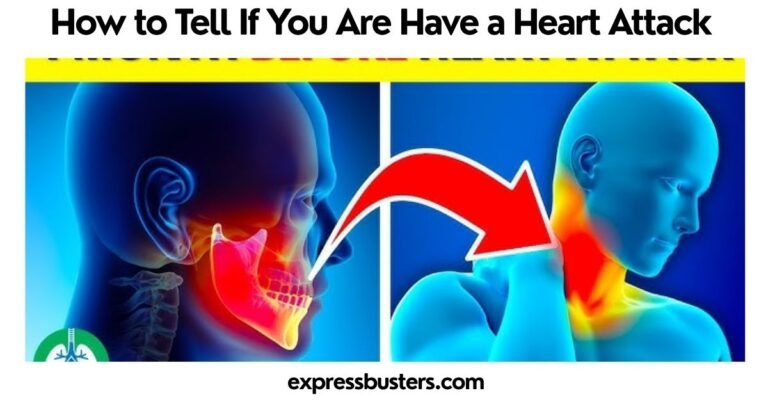
Pain may radiate to:
- Left arm
- Right arm
- Neck
- Jaw
- Back
- Shoulders
Shortness of Breath
Difficulty breathing may occur before, during, or after chest discomfort.
Cold Sweats
Unexpected sweating without physical exertion is a warning sign.
Nausea and Vomiting
Some heart attack victims experience digestive symptoms that feel similar to indigestion.
Dizziness
Feeling lightheaded or faint can indicate reduced blood flow.
Extreme Fatigue
Unusual exhaustion, especially in women, can be an early warning sign.
Heart Attack Symptoms in Women
Women often experience different symptoms than men.
Common signs include:
- Fatigue
- Nausea
- Jaw pain
- Back pain
- Neck pain
- Shortness of breath
- Mild chest discomfort
Because symptoms may be less obvious, women sometimes delay seeking treatment.
Any unusual symptoms that could indicate a heart problem should be evaluated immediately.
Heart Attack Symptoms in Men
Men are more likely to experience classic symptoms such as:
- Intense chest pain
- Arm pain
- Sweating
- Pressure in the chest
- Shortness of breath
Even if symptoms seem mild, emergency evaluation is important.
What Happens at the Hospital?
Many people wonder what doctors do to stop a heart attack.
Diagnostic Testing
Doctors may perform:
- Electrocardiogram (ECG)
- Blood tests
- Chest X-ray
- Echocardiogram
Medications
Treatment may include:
- Aspirin
- Blood thinners
- Nitroglycerin
- Clot-busting drugs
- Pain medications
Angioplasty and Stenting
A catheter is used to open blocked arteries.
Also Read: Are Heart Attacks Painful? Symptoms, Pain Areas, Warning Signs, and What You Need to Know
A small mesh tube called a stent helps keep the artery open.
Coronary Artery Bypass Surgery
Some patients require surgery to restore blood flow around blocked arteries.
Who Is Most at Risk?
Understanding risk factors can help prevent future heart attacks.
High Blood Pressure
High blood pressure damages artery walls over time.
High Cholesterol
Elevated cholesterol contributes to plaque buildup.
Smoking
Smoking significantly increases heart attack risk.
Diabetes
Diabetes damages blood vessels and increases cardiovascular risk.
Obesity
Excess body weight strains the heart.
Lack of Exercise
Physical inactivity contributes to poor heart health.
Family History
Genetics can increase risk.
Chronic Stress
Long-term stress may affect blood pressure and inflammation.
How to Stop a Heart Attack From Happening
The best strategy is prevention.
Eat a Heart-Healthy Diet
Focus on:
- Fruits
- Vegetables
- Whole grains
- Fish
- Nuts
- Beans
Limit:
- Processed foods
- Sugary drinks
- Excess salt
- Saturated fats
Exercise Regularly
Aim for at least 150 minutes of moderate activity each week.
Examples include:
- Walking
- Cycling
- Swimming
- Dancing
Maintain a Healthy Weight
Losing even a small amount of excess weight can improve heart health.
Stop Smoking
Smoking cessation is one of the most effective ways to reduce heart attack risk.
Control Blood Pressure
Regular monitoring and treatment are essential.
Manage Cholesterol
Follow medical advice regarding diet and medications.
Manage Diabetes
Keeping blood sugar under control protects blood vessels.
Get Quality Sleep
Adults should aim for seven to nine hours of sleep each night.
Reduce Stress
Helpful strategies include:
- Meditation
- Deep breathing
- Exercise
- Counseling
- Social support
Foods That Support Heart Health
Some foods are especially beneficial for cardiovascular health.
Fatty Fish
Examples include:
- Salmon
- Tuna
- Sardines
Oats
Rich in soluble fiber that helps lower cholesterol.
Berries
Packed with antioxidants.
Leafy Greens
Provide vitamins and minerals that support heart function.
Nuts
Contain healthy fats and nutrients.
Olive Oil
A key component of heart-healthy eating patterns.
Warning Signs That Should Never Be Ignored
Call 911 immediately if you experience:
- Chest pressure
- Severe chest pain
- Sudden shortness of breath
- Pain spreading to the jaw or arm
- Unexplained sweating
- Sudden dizziness
Even if symptoms disappear, medical evaluation is still important.
ALso Read: What Does Heart Attack Arm Pain Feel Like? Signs, Symptoms, Causes, and When to Get Help
Recovery After a Heart Attack
Recovery involves more than surviving the initial event.
Patients often benefit from:
- Cardiac rehabilitation
- Lifestyle changes
- Medication management
- Follow-up care
- Emotional support
Following medical recommendations significantly improves long-term outcomes.
Key Takeaways
If you want to know how to stop a heart attack, the most important answer is fast medical intervention.
There is no proven method to stop a heart attack in 30 seconds and no guaranteed home remedy that can cure an active heart attack.
The best actions include:
- Recognizing symptoms immediately
- Calling 911 without delay
- Taking aspirin when appropriate
- Following medical instructions
- Seeking emergency treatment
The most effective way to stop a heart attack from happening is prevention through healthy lifestyle habits, regular medical care, and managing risk factors.
Frequently Asked Questions
Can drinking water stop a heart attack?
No. Drinking water cannot stop a heart attack or restore blood flow to a blocked artery.
Can anxiety feel like a heart attack?
Yes. Panic attacks and anxiety can cause symptoms similar to a heart attack. Because symptoms can overlap, medical evaluation is important.
Can young people have heart attacks?
Yes. Although risk increases with age, heart attacks can occur in younger adults, especially when risk factors are present.
Is every heart attack painful?
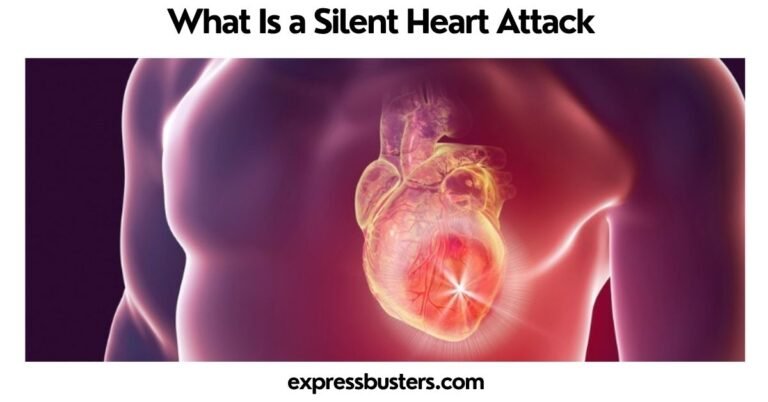
No. Some heart attacks, known as silent heart attacks, may cause mild symptoms or no noticeable symptoms.
How long can heart attack symptoms last?
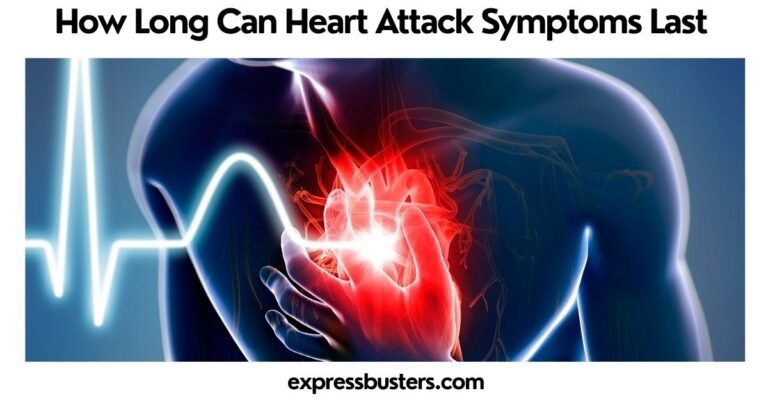
Symptoms may last minutes, hours, or come and go. Any suspected heart attack requires immediate medical attention.
Can exercise trigger a heart attack?
In rare cases, intense exercise may trigger a heart attack in people with underlying heart disease. Regular moderate exercise generally reduces overall risk.
What should I keep at home in case of a heart attack?
A phone, emergency contact list, and aspirin (if approved by your doctor) can be helpful. However, emergency medical services remain the most important resource.
Can heart attacks happen during sleep?
Yes. Some heart attacks occur while sleeping and may wake a person with chest pain, shortness of breath, or sweating.
Is jaw pain alone a heart attack symptom?
It can be, especially in women. Jaw pain combined with other symptoms should be taken seriously.
How often should adults have heart health checkups?
The frequency depends on age and risk factors, but regular medical checkups are important for monitoring blood pressure, cholesterol, blood sugar, and overall cardiovascular health.
Conclusion
Understanding how to stop a heart attack can save lives, but it is important to separate facts from myths. There is no proven way to stop a heart attack in 30 seconds or completely stop a heart attack immediately at home without medical treatment. The most effective response is to recognize the warning signs early, call 911 right away, take aspirin if appropriate, and seek emergency medical care as quickly as possible.
While emergency treatment is critical during a heart attack, prevention remains your strongest defense. Maintaining a heart-healthy lifestyle, eating nutritious foods, staying physically active, managing blood pressure and cholesterol, avoiding smoking, controlling stress, and attending regular medical checkups can significantly lower your risk of developing heart disease.
The key takeaway is simple: every minute matters during a heart attack. Acting fast can reduce heart damage, improve recovery, and save lives. By learning the symptoms, understanding what to do in an emergency, and making long-term healthy choices, you can protect yourself and your loved ones from one of the leading causes of death in the United States.
Knowing how to stop a heart attack starts with awareness, quick action, and prevention. The more informed you are today, the better prepared you will be to respond when it matters most.