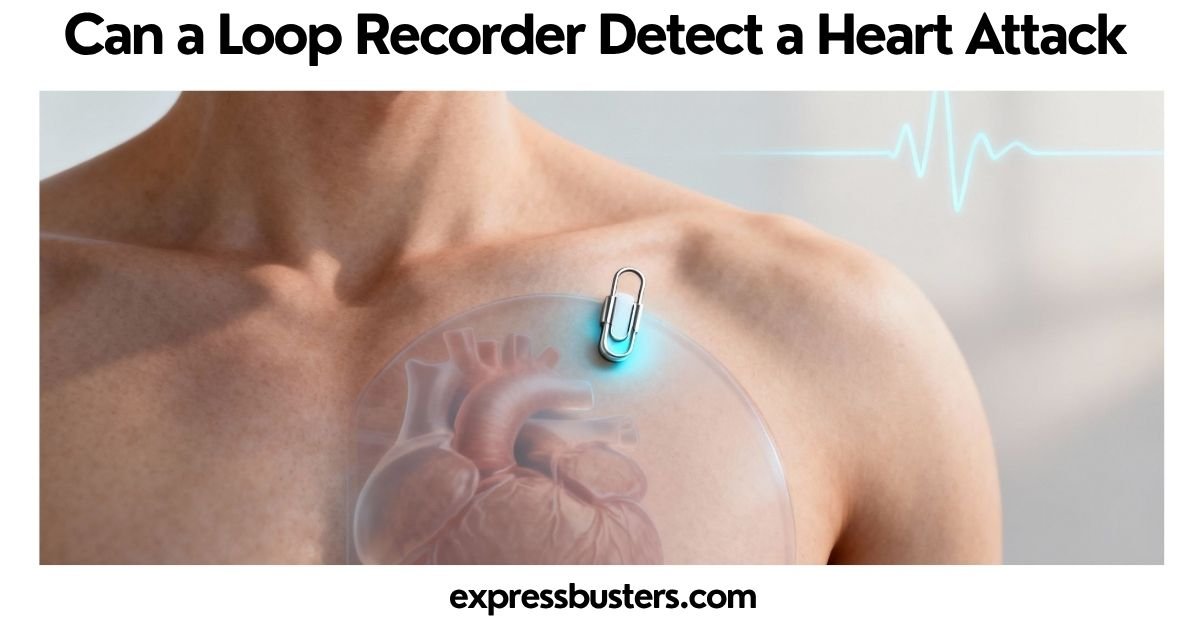
Can a Loop Recorder Detect a Heart Attack? Complete Guide for Patients and Families
Heart problems can feel scary, especially when symptoms come and go without warning. Many people who experience chest pain, dizziness, fainting, or heart palpitations often hear about a device called a loop recorder. This leads to an important question: can a loop recorder detect a heart attack?
The short answer is no, a loop recorder does not directly detect a heart attack. However, the full answer is more detailed and important to understand. A loop recorder can still provide valuable heart information that may help doctors identify dangerous heart rhythm problems connected to heart disease.
In this complete guide, you will learn exactly what a loop recorder does, how it works, what it can and cannot detect, and why doctors use it. You will also discover the warning signs of a heart attack, when to seek emergency care, and how loop recorders help save lives in other ways.
What Is a Loop Recorder?
A loop recorder is a small medical device placed under the skin of the chest to monitor the heart’s electrical activity over a long period of time.
It is also called an implantable loop recorder or ILR.
Unlike short-term heart monitors that work for only 24 to 48 hours, a loop recorder can continuously monitor the heart for up to three years. This makes it very useful for finding heart rhythm problems that happen only occasionally.
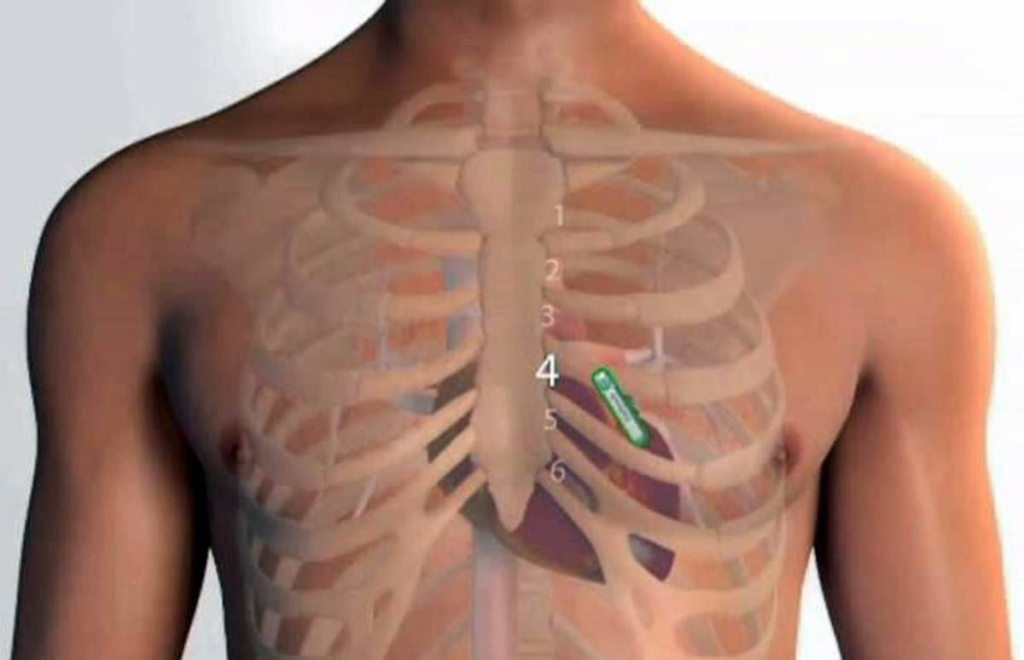
Doctors often recommend a loop recorder for people who have symptoms that are difficult to explain, including:
- Fainting
- Dizziness
- Racing heartbeat
- Irregular heartbeat
- Unexplained strokes
- Palpitations
- Blackouts
- Sudden loss of consciousness
The device records the heart’s rhythm and stores abnormal electrical patterns for doctors to review later.
Can a Loop Recorder Detect a Heart Attack?
The exact answer to “can a loop recorder detect a heart attack” is that it cannot directly diagnose or confirm a heart attack.
A heart attack happens when blood flow to the heart muscle becomes blocked. A loop recorder does not monitor blood flow, blocked arteries, or damage to the heart muscle itself.
Instead, a loop recorder tracks the heart’s electrical activity and rhythm.
This means the device may detect abnormal heart rhythms that happen before, during, or after a heart attack, but it does not actually identify the blockage causing the heart attack.
For example, during a heart attack, some people develop:
- Dangerous arrhythmias
- Very slow heartbeats
- Very fast heartbeats
- Irregular heart rhythms
The loop recorder may capture these rhythm changes. However, doctors still need additional tests to confirm a heart attack.
Why People Confuse Loop Recorders With Heart Attack Detection
Many people believe loop recorders can detect heart attacks because the device monitors the heart continuously.
This misunderstanding is common because heart attacks and heart rhythm problems often happen together.
For example:
- A heart attack can trigger arrhythmias
- Some arrhythmias increase heart attack risk
- Chest pain may occur with rhythm abnormalities
- Symptoms overlap between both conditions
Because of this connection, patients sometimes assume the device can diagnose both issues.
In reality, loop recorders are designed mainly for rhythm monitoring, not for detecting blocked arteries or heart muscle damage.
What Happens During a Heart Attack?
To understand why a loop recorder cannot directly detect a heart attack, it helps to understand what a heart attack actually is.
A heart attack, also called myocardial infarction, occurs when blood flow to part of the heart becomes blocked.
The blockage is usually caused by:
- Fat buildup in arteries
- Blood clots
- Coronary artery disease
- Narrowed heart arteries
Without enough oxygen-rich blood, the heart muscle begins to suffer damage.
This is a medical emergency that requires immediate treatment.
Common Heart Attack Symptoms
Recognizing heart attack symptoms is extremely important because quick treatment saves lives.
Common symptoms include:
Chest Pain or Pressure
Many people describe it as:
- Tightness
- Squeezing
- Heaviness
- Burning
- Pressure in the chest
The discomfort may last several minutes or come and go.
Pain in Other Areas
Pain may spread to:
- Arm
- Shoulder
- Neck
- Jaw
- Back
- Upper stomach
Shortness of Breath
Some people feel unable to catch their breath even while resting.
Cold Sweats
Sudden sweating without exercise or heat exposure can be a warning sign.
Nausea or Vomiting
Heart attacks can sometimes feel like severe indigestion.
Dizziness or Fainting
Reduced blood flow can cause weakness or loss of consciousness.
Extreme Fatigue
Unusual tiredness, especially in women, may appear days before a heart attack.
If you experience these symptoms, call emergency services immediately. Do not rely on a loop recorder to tell you whether you are having a heart attack.
How Doctors Actually Detect a Heart Attack
Since the answer to “can a loop recorder detect a heart attack” is no, doctors use other medical tests instead.
Electrocardiogram (ECG or EKG)
This test records the heart’s electrical activity and can show signs of a heart attack.
Blood Tests
Doctors check cardiac enzymes such as troponin. Elevated troponin levels often mean heart muscle damage.
Coronary Angiography
This imaging test shows blocked arteries in the heart.
Echocardiogram
An ultrasound can reveal heart muscle damage or poor heart pumping function.
CT Scan or MRI
Advanced imaging sometimes helps evaluate heart damage.
These tests work together to confirm a heart attack diagnosis.
What a Loop Recorder Can Detect
Although a loop recorder cannot directly diagnose a heart attack, it is still a highly valuable heart monitoring device.
It can detect several serious conditions.
Arrhythmias
A loop recorder is especially useful for identifying irregular heart rhythms.
These include:
- Atrial fibrillation
- Bradycardia
- Tachycardia
- Heart pauses
- Ventricular arrhythmias
Some arrhythmias are harmless, while others may be life-threatening.
Atrial Fibrillation
Atrial fibrillation is one of the most common rhythm disorders.
The heart beats irregularly and often too quickly.
This condition increases the risk of:
- Stroke
- Heart failure
- Blood clots
Loop recorders are excellent for detecting episodes that happen rarely.
Bradycardia
Bradycardia means the heart beats too slowly.
This can cause:
- Fainting
- Fatigue
- Dizziness
- Weakness
The device records slow heart rhythms that might otherwise go unnoticed.
Tachycardia
Tachycardia means the heart beats too fast.
Certain forms can be dangerous and may increase sudden cardiac arrest risk.
Heart Pauses
Some people experience pauses in heart activity lasting several seconds.
These pauses can lead to fainting or blackouts.
Loop recorders help identify these episodes.
Unexplained Fainting
One major reason doctors implant loop recorders is to investigate unexplained fainting.
Because fainting episodes may happen only once every few months, short-term monitors often miss the problem.
The long-term monitoring ability of loop recorders makes them extremely effective.
Can a Loop Recorder Help After a Heart Attack?
Yes, even though a loop recorder cannot directly detect a heart attack, it may still help patients after one.
Some heart attack survivors develop rhythm problems later.
Doctors may use a loop recorder to monitor for:
- Dangerous arrhythmias
- Silent atrial fibrillation
- Abnormal heart pauses
- Sudden heart rhythm changes
This can help reduce future complications.
Can a Loop Recorder Detect Silent Heart Attacks?
A silent heart attack occurs with few or no obvious symptoms.
Many people wonder if a loop recorder can identify these hidden events.
Again, the answer is not directly.
The device may record abnormal rhythms linked to a silent heart attack, but it cannot confirm heart muscle damage or blocked arteries.
Also Read: Do Heart Attacks Hurt? A Complete Guide to Symptoms, Pain, Warning Signs, and What to Do
Silent heart attacks are usually discovered later through:
- ECG changes
- Imaging tests
- Blood tests
- Heart scans
Difference Between a Loop Recorder and a Heart Monitor
People often confuse several heart-monitoring devices.
Here is how they differ.
Holter Monitor
A Holter monitor is worn externally for 24 to 48 hours.
It records heart rhythms continuously.
Event Monitor
This monitor is worn for weeks and activated during symptoms.
Loop Recorder
A loop recorder is implanted under the skin and works for years.
Smartwatches
Modern smartwatches can detect some irregular rhythms but are less accurate than medical devices.
ECG Machines
These provide immediate heart rhythm recordings during medical visits.
Each device serves a different purpose.
How a Loop Recorder Is Implanted
The implantation procedure is simple and usually takes less than 30 minutes.
A doctor:
- Cleans the chest area
- Uses local anesthesia
- Makes a very small cut
- Inserts the device under the skin
- Closes the incision
Most patients go home the same day.
Recovery is usually quick.
Is a Loop Recorder Painful?
Most people experience only mild discomfort during and after the procedure.
The area may feel sore for a few days.
Many patients eventually forget the device is there.
Risks of a Loop Recorder
Loop recorders are generally safe, but there are some risks.
Possible complications include:
- Infection
- Bleeding
- Swelling
- Skin irritation
- Device movement
Serious complications are uncommon.
Who Needs a Loop Recorder?
Doctors may recommend one for people who have:
- Recurrent fainting
- Unexplained dizziness
- Irregular heartbeat symptoms
- Suspected atrial fibrillation
- Cryptogenic stroke
- Unexplained blackouts
The device helps doctors gather long-term heart data.
Can a Loop Recorder Predict a Heart Attack?
A loop recorder cannot predict a heart attack with certainty.
However, it may reveal rhythm abnormalities linked to heart disease.
For example:
- Frequent arrhythmias
- Severe rhythm disturbances
- Episodes of atrial fibrillation
These findings may encourage doctors to investigate underlying heart disease further.
Still, the device itself is not a heart attack prediction tool.
Warning Signs You Should Never Ignore
Even if you have a loop recorder, you should seek emergency medical care if you experience:
- Chest pain
- Severe shortness of breath
- Sudden sweating
- Crushing chest pressure
- Arm pain
- Jaw pain
- Severe dizziness
- Fainting with chest discomfort
Do not wait for your device to alert you.
Heart attacks require immediate medical treatment.
Can a Loop Recorder Send Alerts?
Some newer loop recorders can automatically transmit data to doctors remotely.
The device may notify healthcare providers if it detects dangerous rhythm patterns.
However, patients should not depend on this feature during emergencies.
Always call emergency services if symptoms suggest a heart attack.
New Technology and Future Developments
Heart monitoring technology continues improving rapidly.
Future devices may become better at identifying signs associated with heart attacks.
Researchers are exploring:
- Artificial intelligence analysis
- Combined rhythm and oxygen monitoring
- Smarter wearable devices
- Remote cardiac monitoring systems
Even so, blocked artery detection still requires specialized testing.
Emotional Impact of Heart Monitoring
Living with unexplained heart symptoms can cause anxiety and stress.
Many patients feel relief after receiving a loop recorder because:
- Doctors can monitor symptoms longer
- Episodes are more likely to be captured
- Hidden rhythm problems may finally be diagnosed
However, it is also important not to become overly dependent on the device.
Patients should still pay attention to symptoms and maintain regular medical care.
Lifestyle Tips for Heart Health
Whether or not you have a loop recorder, protecting your heart is essential.
Eat a Heart-Healthy Diet
Focus on:
- Fruits
- Vegetables
- Whole grains
- Lean proteins
- Healthy fats
Reduce:
- Salt
- Sugar
- Processed foods
- Trans fats
Exercise Regularly
Physical activity improves heart health and circulation.
Always follow your doctor’s advice about exercise intensity.
Stop Smoking
Smoking greatly increases heart attack risk.
Quitting smoking improves heart and blood vessel health.
Control Blood Pressure
High blood pressure damages arteries over time.
Manage Diabetes
High blood sugar raises heart disease risk.
Reduce Stress
Chronic stress may contribute to heart problems.
Sleep Well
Poor sleep affects blood pressure and heart health.
Important Questions to Ask Your Doctor
If your doctor recommends a loop recorder, consider asking:
- Why do I need this device?
- What symptoms are you investigating?
- How long will monitoring last?
- Can the device detect dangerous rhythms?
- What happens if abnormalities are found?
- Will it interfere with daily activities?
- How are results reviewed?
Understanding your care plan helps reduce anxiety.
Also Read: What Is a Widowmaker Heart Attack? Symptoms, Causes, Survival Rate, Treatment, and Recovery
Common Myths About Loop Recorders
A Loop Recorder Prevents Heart Attacks
False.
The device only records heart rhythm information.
It Can Detect All Heart Problems
False.
It mainly monitors electrical activity.
It Replaces Emergency Care
False.
Patients still need immediate treatment for heart attack symptoms.
Implantation Is Major Surgery
False.
The procedure is minimally invasive.
What Makes Loop Recorders Valuable?
Despite limitations, loop recorders remain extremely important in cardiology.
They help doctors:
- Diagnose hidden arrhythmias
- Prevent strokes
- Understand fainting episodes
- Monitor high-risk patients
- Improve long-term heart care
For many patients, the device leads to life-saving treatment decisions.
Expert Insight on Heart Rhythm Monitoring
One important insight often missing online is that heart rhythm disorders and heart attacks are connected but not identical.
Many patients mistakenly focus only on blocked arteries while ignoring electrical heart problems.
In reality:
- Dangerous arrhythmias can occur without heart attacks
- Heart attacks can happen without major rhythm changes
- Some rhythm disorders raise stroke risk more than heart attack risk
- Long-term monitoring often uncovers hidden conditions missed by short tests
This is why cardiologists choose monitoring devices carefully depending on symptoms and medical history.
A loop recorder fills a specific role in modern heart care.
The Importance of Fast Emergency Response
A major danger is assuming a heart monitoring device will protect you during an emergency.
Many patients delay seeking help because they believe their device will detect serious problems automatically.
This can be dangerous.
When it comes to heart attacks:
- Time matters
- Early treatment saves heart muscle
- Delays increase complications
- Emergency care improves survival
Never ignore symptoms because you have a loop recorder.
Can Anxiety Mimic Heart Symptoms?
Yes.
Anxiety and panic attacks can produce symptoms similar to heart problems.
These may include:
- Chest tightness
- Rapid heartbeat
- Sweating
- Dizziness
- Shortness of breath
A loop recorder may help doctors determine whether symptoms come from true rhythm abnormalities or other causes.
This can provide reassurance for some patients.
How Accurate Are Loop Recorders?
Loop recorders are highly accurate for long-term rhythm monitoring.
They are especially effective because they monitor continuously over months or years.
This increases the chance of capturing rare episodes.
However, like all medical devices, they are not perfect.
Sometimes:
- False alerts occur
- Extra heartbeats are misread
- Normal rhythms appear abnormal
Doctors carefully review recordings before making diagnoses.
Living Normally With a Loop Recorder
Most people return to normal activities quickly after implantation.
Patients can usually:
- Walk normally
- Exercise lightly
- Travel
- Work
- Sleep comfortably
Doctors may recommend avoiding heavy chest pressure during healing.
Always follow medical advice specific to your condition.
When Is a Loop Recorder Removed?
The device is removed when:
- A diagnosis is made
- Battery life ends
- Monitoring is no longer needed
Removal is usually simple and performed under local anesthesia.
Also Read: What Happens During a Heart Attack? Symptoms, Causes, Warning Signs & Treatment Guide
Final Thoughts on Can a Loop Recorder Detect a Heart Attack
So, can a loop recorder detect a heart attack?
Not directly.
A loop recorder is designed to monitor heart rhythm abnormalities, not blocked arteries or heart muscle damage. While it may capture dangerous arrhythmias connected to a heart attack, it cannot diagnose the heart attack itself.
This distinction is extremely important.
If you experience symptoms such as chest pain, shortness of breath, sweating, or arm pain, seek emergency medical care immediately. Do not rely on a loop recorder to determine whether you are having a heart attack.
Even though the device has limitations, it remains one of the most valuable tools for diagnosing hidden heart rhythm problems. For patients with unexplained fainting, palpitations, or suspected arrhythmias, loop recorders can provide critical information that improves treatment and saves lives.
Understanding what the device can and cannot do helps patients make safer and smarter healthcare decisions.
FAQs About Can a Loop Recorder Detect a Heart Attack
Can a loop recorder detect blocked arteries?
No. A loop recorder cannot see blocked arteries. It only records electrical heart rhythms.
Can a loop recorder detect chest pain causes?
Not directly. The device may show rhythm changes during chest pain, but additional testing is needed to determine the actual cause.
Does a loop recorder call 911 automatically?
No. Some devices send alerts to doctors, but they do not automatically contact emergency services.
Can a loop recorder detect heart failure?
Not directly. It may detect rhythm issues associated with heart failure, but it cannot diagnose heart failure itself.
Is a loop recorder better than a smartwatch?
For medical heart rhythm monitoring, yes. Loop recorders are more accurate and designed for long-term clinical use.
Can a loop recorder detect atrial fibrillation?
Yes. Detecting atrial fibrillation is one of the main reasons doctors use loop recorders.
Can you exercise with a loop recorder?
Most patients can return to normal exercise after healing, but they should follow their doctor’s recommendations.
How long does a loop recorder stay in the body?
Many loop recorders work for up to three years.
Can a loop recorder detect sudden cardiac arrest risk?
It may identify dangerous arrhythmias linked to sudden cardiac arrest risk, but it does not predict all cases.
What should I do if I have heart attack symptoms while wearing a loop recorder?
Call emergency services immediately. Do not wait for the device to record or send information.
Can a loop recorder improve survival rates?
Indirectly, yes. By identifying dangerous rhythm problems early, the device can help doctors provide treatment that prevents complications.
Is loop recorder implantation safe for older adults?
Yes. The procedure is commonly performed in older adults and is generally considered low risk.
Can a loop recorder monitor the heart 24/7?
Yes. It continuously monitors heart rhythms day and night.
Do loop recorders interfere with daily life?
Most people adjust quickly and experience very little disruption.
Is a loop recorder the same as a pacemaker?
No. A pacemaker treats abnormal heart rhythms, while a loop recorder only records heart activity.