What Does Heart Attack Arm Pain Feel Like? Signs, Symptoms, Causes, and When to Get Help
A heart attack is one of the most serious medical emergencies a person can face. Many people know chest pain is a common symptom, but fewer understand that arm pain can also be a major warning sign. This often leads people to ignore symptoms until it becomes dangerous.
So, what does heart attack arm pain feel like?
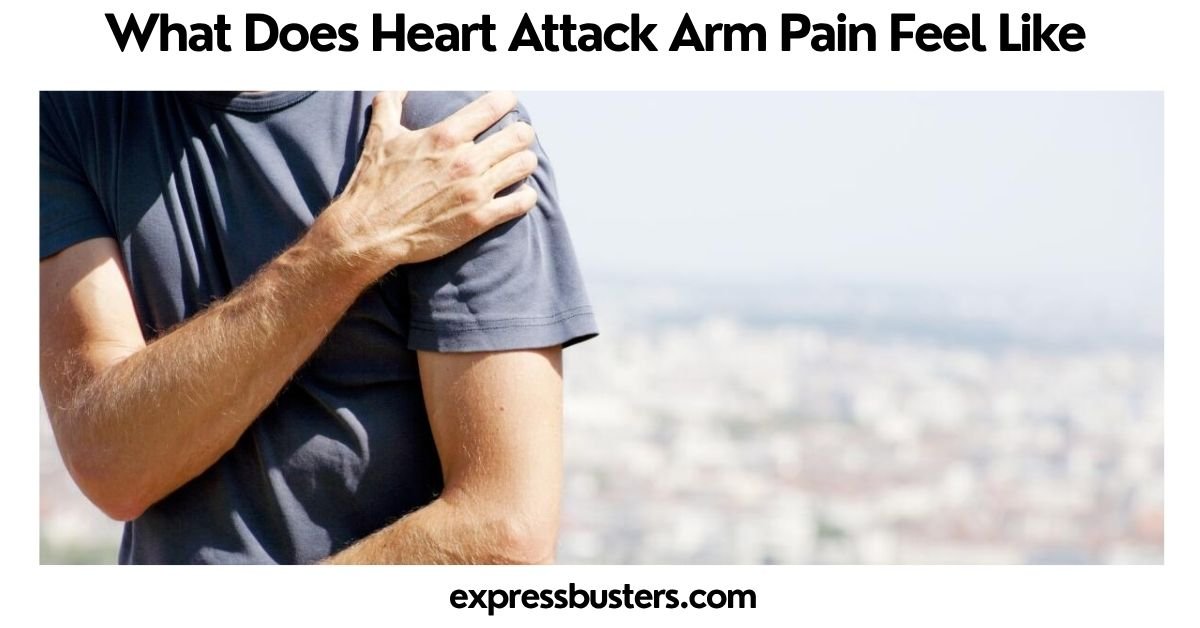
For many people, it feels like pressure, heaviness, squeezing, aching, numbness, or discomfort that spreads down one or both arms. The pain may start in the chest and move into the arm, or it may begin in the arm alone. Some people describe it as dull and constant, while others say it comes and goes.
Understanding how heart attack arm pain feels can help save lives. In this detailed guide, you will learn everything about heart attack arm pain, including symptoms, causes, differences from regular arm pain, risk factors, treatment, prevention, and when to call 911.
What Does Heart Attack Arm Pain Feel Like?
The most common description people give is a strange, uncomfortable feeling that is different from normal muscle pain.
Heart attack arm pain often feels like:
- Pressure inside the arm
- Tightness or squeezing
- A dull ache
- Burning pain
- Heaviness
- Tingling or numbness
- Pain spreading from the chest
- Deep discomfort that does not improve with movement
Many people searching for “what does heart attack arm pain feel like” want to know if the pain is sharp or dull. In most cases, it is dull, heavy, or squeezing rather than sharp.
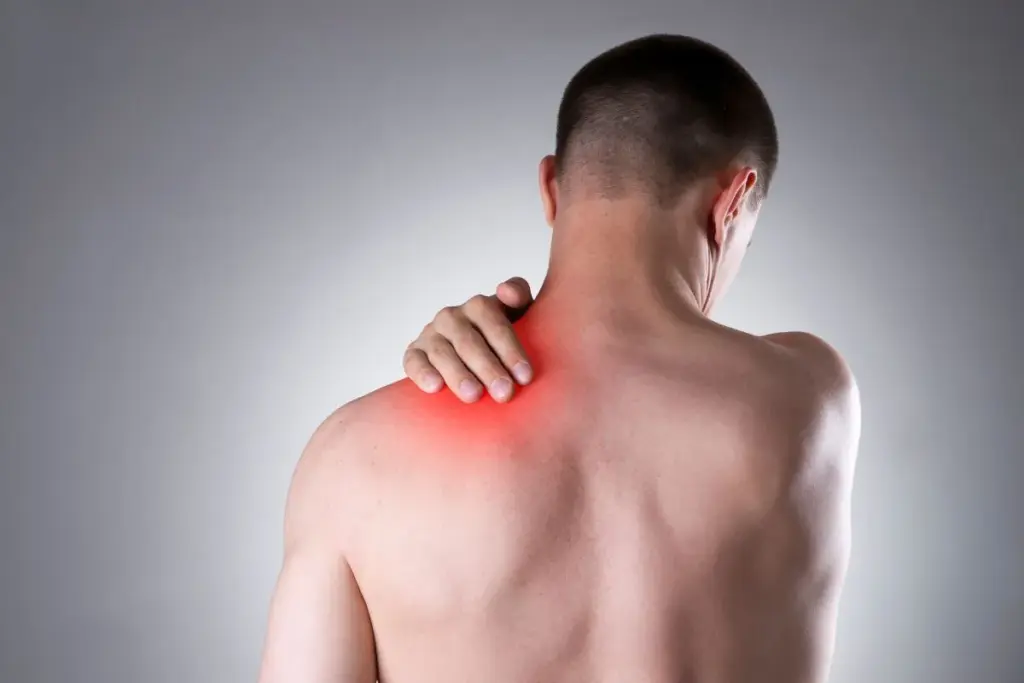
The pain usually affects the left arm, but it can also affect the right arm or both arms. Some people only notice discomfort in the shoulder, elbow, wrist, or fingers.
Another important detail is that heart attack arm pain often comes with other symptoms. These may include chest pressure, sweating, nausea, dizziness, or shortness of breath.
Why Does a Heart Attack Cause Arm Pain?
A heart attack happens when blood flow to the heart becomes blocked. When the heart muscle does not get enough oxygen, nerves send pain signals to the brain.
The brain can sometimes confuse where the pain is coming from. This is called referred pain.
Instead of feeling pain only in the heart or chest, the brain may feel the pain in nearby areas like:
- Left arm
- Right arm
- Neck
- Jaw
- Shoulder
- Back
This is why many people experience arm discomfort during a heart attack.
What Does Arm Pain Feel Like in Heart Attack Cases?
When people ask, “what does arm pain feel like in heart attack,” they are usually trying to compare it to normal arm pain from exercise, injury, or sleeping wrong.
Heart attack arm pain is usually different because:
- It feels deep inside the arm
- It is not linked to movement
- It does not improve with stretching
- It may come with chest symptoms
- It often feels heavy or tight
- It can spread from the chest downward
Some people say it feels like someone is squeezing their arm. Others describe it as a constant ache that becomes worse over time.
In some cases, the pain starts suddenly. In others, it develops slowly over several minutes or hours.
Also Read: Can You Survive a Heart Attack? Signs, Survival Rates, Treatment, and What to Do Fast
Which Arm Hurts During a Heart Attack?
The left arm is the most common location because the heart is slightly left of center in the chest.
However, heart attack pain can affect:
- Left arm
- Right arm
- Both arms
- Shoulders
- Upper back
Some studies show women are more likely than men to experience pain in both arms.
If arm pain appears together with chest discomfort or trouble breathing, it should never be ignored.
Can Heart Attack Arm Pain Happen Without Chest Pain?
Yes. This surprises many people.
Some heart attacks happen without obvious chest pain. These are sometimes called silent heart attacks.
Instead of chest pain, a person may notice:
- Arm pain
- Jaw pain
- Nausea
- Fatigue
- Sweating
- Dizziness
- Shortness of breath
Women, older adults, and people with diabetes are more likely to have unusual symptoms.
This is one reason why understanding “what does pain in arm feel like for heart attack” is so important.
What Does Pain in Arm Feel Like for Heart Attack Compared to Muscle Pain?
Many people worry whether their pain is from a heart problem or something harmless like a pulled muscle.
Here are the major differences.
Heart Attack Arm Pain
- Deep aching or pressure
- Not linked to movement
- May spread from chest
- Often comes with other symptoms
- May happen during rest
- Feels heavy or squeezing
- Can last more than a few minutes
Muscle or Joint Pain
- Sharp or sore feeling
- Worse with movement
- Improves with rest
- Linked to exercise or injury
- Usually easy to locate
- Often tender to touch
If the pain feels unusual, sudden, or comes with other symptoms, medical attention is necessary.
Arm Pain Heart Attack What Does It Feel Like in Women?
Women often experience heart attack symptoms differently from men.
Instead of severe chest pain, women may feel:
- Mild chest pressure
- Pain in both arms
- Shoulder pain
- Neck pain
- Extreme fatigue
- Nausea
- Shortness of breath
Many women describe the arm pain as burning, aching, or pressure-like.
Unfortunately, women are more likely to dismiss symptoms because they may not match the classic heart attack signs shown in movies or TV.
Understanding how arm pain from a heart attack feels can help women seek help earlier.
What Does Arm Pain From Heart Attack Feel Like in Men?
Men more commonly experience:
- Strong chest pressure
- Left arm pain
- Sweating
- Shortness of breath
The arm pain often feels crushing, squeezing, or heavy.
Some men say it feels like pain traveling from the chest into the shoulder and down the arm.
Still, symptoms vary widely from person to person.
How Long Does Heart Attack Arm Pain Last?
The pain can last:
- A few minutes
- Longer than 15 minutes
- Come and go repeatedly
Unlike muscle pain, heart attack pain often does not improve with rest or changing positions.
Pain that continues or worsens should always be treated seriously.
Does Heart Attack Arm Pain Come Suddenly?
Sometimes yes, but not always.
A heart attack can develop:
- Suddenly with intense pain
- Slowly over hours
- Gradually over days
Some people experience warning signs before a major heart attack, including:
- Mild arm discomfort
- Chest tightness
- Fatigue
- Shortness of breath
Never ignore recurring arm pain that feels unusual.
Can Right Arm Pain Mean a Heart Attack?
Yes.
Although left arm pain is more common, right arm pain can also happen during a heart attack.
Pain in either arm may signal heart trouble, especially when combined with:
- Chest pressure
- Sweating
- Nausea
- Trouble breathing
Pain in both arms can be an even stronger warning sign.
What Causes Heart Attack Arm Pain?
The main cause is reduced blood flow to the heart.
Common reasons include:
Coronary Artery Disease
Fatty plaque builds up in arteries and blocks blood flow.
Blood Clots
A clot can suddenly stop blood from reaching the heart.
Coronary Artery Spasm
The artery tightens suddenly and reduces blood flow.
Reduced Oxygen Supply
The heart muscle becomes damaged when oxygen levels drop.
These problems activate nerves that create referred pain in the arms.
Other Symptoms That May Happen with Arm Pain
Heart attack arm pain rarely happens alone.
Also Read: What Is a Widowmaker Heart Attack? Symptoms, Causes, Survival Rate, Treatment, and Recovery
Watch for symptoms like:
- Chest pressure
- Chest tightness
- Burning chest pain
- Shortness of breath
- Sweating
- Dizziness
- Nausea
- Vomiting
- Jaw pain
- Neck pain
- Back pain
- Sudden fatigue
If multiple symptoms appear together, emergency help is critical.
When Should You Call 911?
Call 911 immediately if arm pain happens with:
- Chest discomfort
- Trouble breathing
- Fainting
- Sweating
- Severe weakness
- Pain spreading to jaw or back
Do not drive yourself if symptoms are severe.
Quick treatment can save heart muscle and prevent death.
What Happens During a Heart Attack?
A heart attack occurs when an artery supplying the heart becomes blocked.
Without oxygen-rich blood, heart tissue begins to die.
Doctors call this a myocardial infarction.
The longer treatment is delayed, the greater the damage.
This is why recognizing symptoms early matters so much.
How Doctors Diagnose Heart Attack Arm Pain
Doctors use several tests to determine whether arm pain is heart-related.
Electrocardiogram (ECG)
Measures electrical activity in the heart.
Blood Tests
Check for heart damage markers like troponin.
Echocardiogram
Uses sound waves to examine heart function.
Stress Test
Shows how the heart works during activity.
Coronary Angiography
Looks for blocked arteries.
Prompt diagnosis greatly improves survival rates.
Risk Factors for Heart Attack
Knowing your risk factors can help prevent future problems.
High Blood Pressure
Damages artery walls over time.
Smoking
Raises heart attack risk significantly.
High Cholesterol
Leads to plaque buildup.
Diabetes
Damages blood vessels and nerves.
Obesity
Increases strain on the heart.
Family History
Genetics can increase risk.
Lack of Exercise
Weakens heart health.
Stress
Chronic stress may increase heart disease risk.
Poor Diet
Too much salt, sugar, and unhealthy fat harms arteries.
Can Anxiety Cause Arm Pain Too?
Yes. Anxiety and panic attacks can sometimes cause symptoms similar to a heart attack.
People may feel:
- Arm tingling
- Chest tightness
- Rapid heartbeat
- Sweating
- Dizziness
However, it can be very difficult to tell the difference.
Never assume symptoms are “just anxiety” without medical evaluation.
What Does Mild Heart Attack Arm Pain Feel Like?
Not every heart attack causes severe pain.
Some people experience only:
- Mild aching
- Slight pressure
- Tingling
- Shoulder discomfort
- Intermittent pain
Even mild symptoms can signal a serious problem.
Small heart attacks can still cause long-term damage.
How Is Heart Attack Arm Pain Treated?
Treatment depends on the severity of the blockage.
Emergency Medications
Doctors may use:
- Aspirin
- Blood thinners
- Nitroglycerin
- Oxygen
- Pain relief medicines
Angioplasty and Stent Placement
A small balloon opens blocked arteries.
Coronary Artery Bypass Surgery
Surgeons create a new path for blood flow.
Lifestyle Changes
Patients often need major lifestyle improvements after recovery.
Recovery After a Heart Attack
Recovery may take weeks or months.
Important steps include:
- Taking medications correctly
- Eating healthier foods
- Exercising safely
- Stopping smoking
- Reducing stress
- Attending cardiac rehabilitation
Emotional recovery is important too. Anxiety and depression are common after heart attacks.
How to Reduce Heart Attack Risk
Prevention is always better than treatment.
Eat a Heart-Healthy Diet
Choose:
- Fruits
- Vegetables
- Whole grains
- Lean proteins
- Healthy fats
Limit:
- Fried foods
- Sugary drinks
- Processed foods
- Excess salt
Exercise Regularly
Aim for at least 150 minutes of moderate exercise weekly.
Stop Smoking
Smoking damages arteries and reduces oxygen supply.
Maintain Healthy Weight
Extra weight strains the heart.
Manage Stress
Meditation, sleep, and relaxation techniques help.
Control Blood Pressure and Diabetes
Regular medical care is essential.
Why People Ignore Heart Attack Arm Pain
Many people delay treatment because they believe:
- It is muscle strain
- They are too young
- The pain is not severe enough
- It will go away
- They do not have chest pain
Unfortunately, delayed treatment increases the risk of serious complications.
Listening to your body can save your life.
Can Young People Have Heart Attack Arm Pain?
Yes.
Although risk increases with age, younger adults can still have heart attacks.
Possible causes include:
- Smoking
- Obesity
- Drug use
- High cholesterol
- Family history
- Stress
- Poor diet
Never ignore suspicious symptoms because of age.
Does Heart Attack Arm Pain Hurt More During Activity?
Sometimes.
Physical activity can increase the heart’s oxygen demand, making symptoms worse.
However, symptoms can also appear during:
- Sleep
- Rest
- Emotional stress
Nighttime symptoms should be taken seriously too.
Heart Attack Symptoms in Older Adults
Older adults may have less obvious symptoms.
They may experience:
- Weakness
- Confusion
- Mild arm pain
- Fatigue
- Shortness of breath
Because symptoms may be subtle, diagnosis can sometimes be delayed.
Heart Attack Symptoms in Women vs Men
Women Often Experience
- Fatigue
- Nausea
- Arm pain
- Neck pain
- Back pain
- Mild chest discomfort
Men Often Experience
- Strong chest pain
- Left arm pain
- Sweating
- Pressure sensation
Still, every person is different.
Can Arm Pain Happen Before a Heart Attack?
Yes.
Some people experience warning symptoms days or weeks before a major heart attack.
These may include:
- Mild chest discomfort
- Arm aching
- Fatigue
- Shortness of breath
This is sometimes called unstable angina.
Early treatment may prevent a full heart attack.
What Should You Do If You Think You Are Having a Heart Attack?
Take symptoms seriously.
Step 1: Call 911
Emergency responders can begin treatment quickly.
Step 2: Chew Aspirin if Advised
Aspirin may help reduce clotting.
Step 3: Rest Calmly
Avoid physical exertion.
Step 4: Unlock the Door
Make it easier for emergency teams to enter.
Step 5: Do Not Ignore Symptoms
Quick action saves lives.
Common Myths About Heart Attack Arm Pain
It Only Happens in the Left Arm
Truth: It can affect either arm or both arms.
The Pain Must Be Severe
Truth: Mild discomfort can still signal danger.
Young People Cannot Have Heart Attacks
Truth: Heart attacks can happen at any age.
No Chest Pain Means No Heart Attack
Truth: Some people only experience arm pain or fatigue.
Women Have the Same Symptoms as Men
Truth: Women often experience different symptoms.
Also Read: What Happens During a Heart Attack? Symptoms, Causes, Warning Signs & Treatment Guide
Emotional Effects After a Heart Attack
Many survivors experience:
- Anxiety
- Fear
- Depression
- Stress
Mental health support can improve recovery and quality of life.
Family support also plays a major role.
The Importance of Fast Treatment
Every minute matters during a heart attack.
Faster treatment means:
- Less heart damage
- Better recovery
- Lower risk of death
- Fewer complications
Never wait to “see if it gets better.”
Final Thoughts on What Does Heart Attack Arm Pain Feel Like
Understanding what does heart attack arm pain feel like can help people recognize a life-threatening emergency early.
Heart attack arm pain often feels like pressure, squeezing, heaviness, aching, or numbness. It may affect the left arm, right arm, or both arms. The pain is usually different from regular muscle soreness because it feels deep, persistent, and may happen with chest discomfort, sweating, or shortness of breath.
The most important thing to remember is this: never ignore unusual arm pain, especially when it appears suddenly or comes with other symptoms.
Quick medical care can save your life.
FAQs About Heart Attack Arm Pain
Can heart attack arm pain come and go?
Yes. Some people experience pain that appears and disappears over several minutes or hours.
Is left arm pain always a heart attack?
No. Muscle injuries, nerve problems, and joint conditions can also cause left arm pain. However, sudden or unusual pain should be checked immediately.
What does arm pain from heart attack feel like at night?
It may feel like pressure, aching, numbness, or heaviness that wakes you from sleep or appears during rest.
Can women have only arm pain during a heart attack?
Yes. Some women experience arm pain without severe chest pain.
How long should arm pain last before seeking help?
Seek emergency help immediately if arm pain occurs with chest discomfort, shortness of breath, sweating, or dizziness.
Can stress trigger heart attack symptoms?
Extreme stress can increase heart strain and may contribute to heart attacks in some people.
Does heart attack arm pain affect the shoulder too?
Yes. Pain often spreads into the shoulder and upper arm.
Can heart attack arm pain feel like tingling?
Yes. Some people experience numbness or tingling sensations.
What does pain in arm feel like for heart attack during exercise?
It may feel heavier or more intense during physical activity because the heart needs more oxygen.
Can dehydration cause symptoms similar to a heart attack?
Dehydration can cause dizziness and weakness, but chest pressure and persistent arm pain require urgent medical evaluation.