How Do Heart Attacks Happen? A Complete Guide to Causes, Symptoms, Prevention, and Survival
Heart attacks are one of the leading causes of death in the United States and around the world. Every year, hundreds of thousands of people experience a heart attack, and many of them never expected it to happen. Understanding how do heart attacks happen can help people recognize warning signs early, reduce their risk, and potentially save lives.
Many people think a heart attack happens suddenly without warning. While some heart attacks do occur unexpectedly, most develop over many years due to changes inside the arteries that supply blood to the heart.
This guide explains how do heart attacks happen, what causes them, why some occur during sleep, how sudden and massive heart attacks develop, and what steps can help prevent them. By the end of this article, you will have a clear understanding of the entire process in simple language.
What Is a Heart Attack?
A heart attack occurs when blood flow to a part of the heart muscle becomes blocked. Without enough oxygen-rich blood, that section of the heart begins to suffer damage.
Doctors call a heart attack a myocardial infarction. This medical term simply means that part of the heart muscle has been injured because it did not receive enough oxygen.
The heart is a powerful muscle that works continuously to pump blood throughout the body. To perform this job, the heart itself needs a constant supply of oxygen and nutrients delivered through coronary arteries.
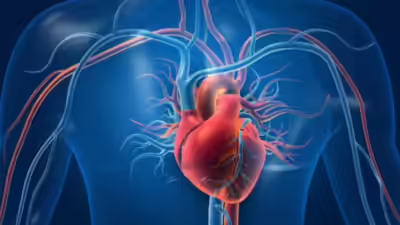
When one of these arteries becomes blocked, the heart muscle can begin to die within minutes. The longer the blockage remains, the more damage occurs.
How Do Heart Attacks Happen?
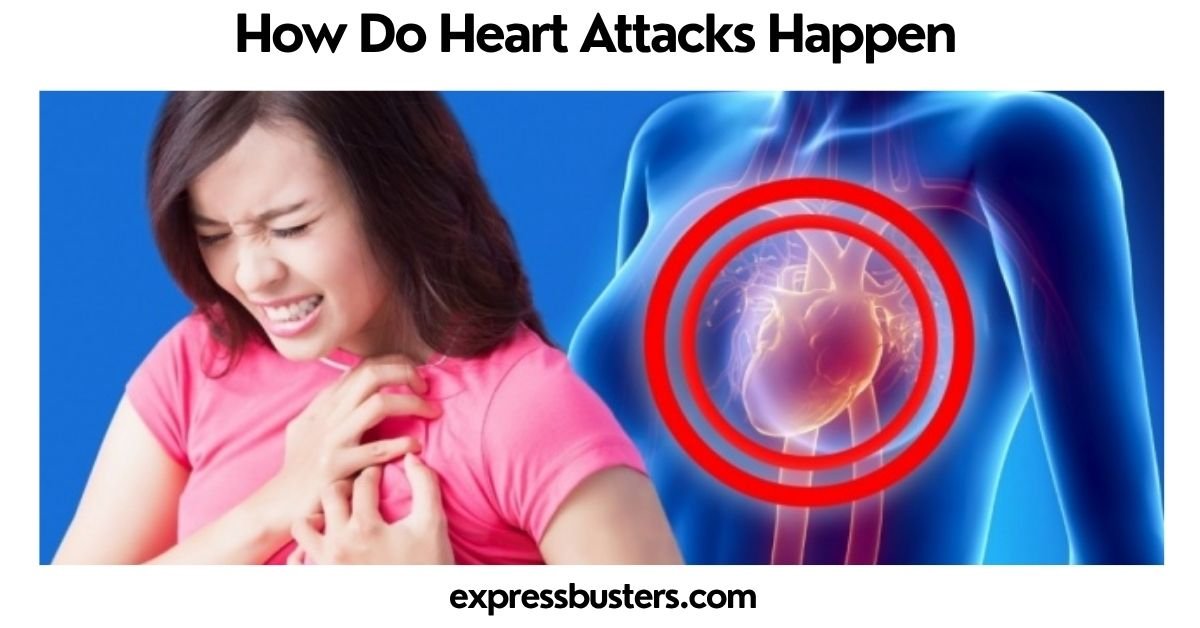
The question “how do heart attacks happen” can be answered by understanding what occurs inside the coronary arteries.
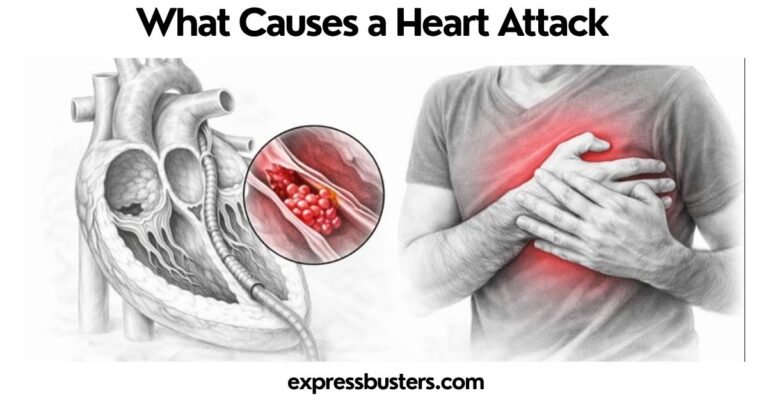
Most heart attacks begin with a process called atherosclerosis. This condition develops when fatty deposits, cholesterol, calcium, and other substances build up inside artery walls.
Over time, these deposits form plaques.
At first, plaques may not cause any symptoms. However, they gradually narrow the arteries and reduce blood flow.
A heart attack often occurs when:
- A plaque suddenly ruptures or breaks open.
- The body treats the rupture like an injury.
- A blood clot forms around the damaged plaque.
- The clot blocks blood flow through the artery.
- Part of the heart muscle is deprived of oxygen.
- Heart tissue begins to die.
This chain of events explains how do heart attacks happen in most cases.
ALso Read: Which Arm Hurts During a Heart Attack? A Complete Guide to Symptoms, Causes, and Warning Signs
Understanding the Coronary Arteries
The coronary arteries are responsible for supplying blood to the heart muscle.
There are three major coronary arteries:
- Left Anterior Descending Artery (LAD)
- Left Circumflex Artery
- Right Coronary Artery
When one of these arteries becomes blocked, the area of the heart it supplies can become damaged.
The severity of a heart attack often depends on:
- Which artery is blocked
- How much blockage exists
- How long blood flow is interrupted
- How quickly treatment is received
What Causes Plaque Buildup?
Plaque buildup does not happen overnight.
It usually develops over decades due to several risk factors.
High Cholesterol
High levels of LDL cholesterol can contribute to plaque formation inside arteries.
When excess cholesterol circulates in the bloodstream, it can stick to artery walls and create fatty deposits.
High Blood Pressure
High blood pressure damages artery walls over time.
These damaged areas become more vulnerable to plaque accumulation.
Smoking
Smoking is one of the most dangerous risk factors for heart disease.
Tobacco chemicals damage blood vessels, reduce oxygen levels, and increase blood clot formation.
Diabetes
High blood sugar damages blood vessels and accelerates plaque development.
People with diabetes often face a significantly higher risk of heart attacks.
Obesity
Excess body weight increases strain on the heart and contributes to several risk factors including high blood pressure, diabetes, and abnormal cholesterol levels.
Lack of Physical Activity
A sedentary lifestyle weakens cardiovascular health and increases the likelihood of artery disease.
Unhealthy Diet
Diets high in:
- Saturated fats
- Trans fats
- Added sugars
- Processed foods
- Excess sodium
can increase heart attack risk over time.
How Do Sudden Heart Attacks Happen?
Many people ask, “how do sudden heart attacks happen?”
Although they appear sudden, most have been developing silently for years.
A person may feel healthy and experience no symptoms. However, inside their arteries, plaque may already be present.
A sudden heart attack often occurs when a plaque unexpectedly ruptures.
The rupture triggers rapid blood clot formation.
Within minutes, blood flow can become completely blocked.
Because the event occurs quickly, symptoms may seem to appear out of nowhere.
In reality, the underlying artery disease usually existed long before the heart attack happened.
How Do Massive Heart Attacks Happen?
Another common question is, “how do massive heart attacks happen?”
A massive heart attack usually involves blockage of a major coronary artery that supplies a large portion of the heart muscle.
One of the most dangerous examples involves blockage of the Left Anterior Descending artery, sometimes called the “widowmaker” artery.
When a major artery becomes completely blocked:
- A large area of the heart loses oxygen
- Heart muscle damage occurs rapidly
- Pumping ability decreases
- Dangerous rhythm abnormalities may develop
- Cardiac arrest can occur
Massive heart attacks often require immediate emergency treatment to improve survival chances.
How Do Heart Attacks Happen in Sleep?
Many people are surprised to learn that heart attacks can occur during sleep.
Understanding how do heart attacks happen in sleep requires looking at changes that occur in the body overnight.
Several factors may contribute:
Early Morning Hormonal Changes
Before waking, the body naturally releases hormones that:
- Increase blood pressure
- Raise heart rate
- Increase blood clotting tendencies
These changes can place additional stress on the cardiovascular system.
Sleep Apnea
Sleep apnea is a condition where breathing repeatedly stops and starts during sleep.
This condition can:
- Reduce oxygen levels
- Increase blood pressure
- Trigger inflammation
- Increase heart attack risk
Existing Coronary Artery Disease
People with significant plaque buildup may experience artery blockage at any time, including during sleep.
Irregular Heart Rhythms
Certain rhythm disturbances can increase the risk of cardiovascular events overnight.
Symptoms of a nighttime heart attack may include:
- Waking with chest pain
- Shortness of breath
- Sweating
- Nausea
- Jaw or arm discomfort
What Happens Inside the Heart During a Heart Attack?
When blood flow stops, the heart muscle enters a dangerous state.
Within minutes:
- Oxygen supply decreases
- Cells begin malfunctioning
- Electrical activity becomes unstable
- Muscle tissue starts dying
As damage progresses:
- The heart pumps less efficiently
- Blood circulation declines
- Complications become more likely
The amount of damage depends largely on how quickly treatment restores blood flow.
Common Heart Attack Symptoms
Recognizing symptoms quickly can save lives.
Chest Pain or Pressure
The most common symptom is discomfort in the center of the chest.
People often describe it as:
- Pressure
- Tightness
- Squeezing
- Fullness
- Burning
Pain Spreading to Other Areas
Pain may radiate to:
- Arms
- Shoulders
- Neck
- Jaw
- Back
Shortness of Breath
Many people experience difficulty breathing before or during a heart attack.
Cold Sweats
Unexpected sweating can be an important warning sign.
Nausea and Vomiting
Some heart attacks resemble stomach problems.
Dizziness
Reduced blood flow can cause lightheadedness or fainting.
Heart Attack Symptoms in Women
Women may experience symptoms that differ from the classic chest pain pattern.
Common symptoms in women include:
- Fatigue
- Nausea
- Back pain
- Jaw pain
- Shortness of breath
- Sleep disturbances
- Indigestion-like discomfort
Because symptoms may be less obvious, heart attacks in women are sometimes recognized later.
Heart Attack Symptoms in Men
Men often experience:
- Severe chest pressure
- Left arm pain
- Sweating
- Shortness of breath
However, symptoms can vary significantly from person to person.
Silent Heart Attacks
Not all heart attacks cause obvious symptoms.
A silent heart attack may occur with:
- Mild discomfort
- Fatigue
- Indigestion
- No symptoms at all
Many people discover they had a silent heart attack only after medical testing.
Risk Factors That Increase Heart Attack Chances
Several factors increase risk.
Age
Risk increases as people get older.
Family History
A strong family history of heart disease raises risk.
Smoking
Smoking remains one of the most preventable causes of heart attacks.
High Blood Pressure
Uncontrolled blood pressure damages arteries.
Diabetes
Diabetes significantly increases cardiovascular risk.
High Cholesterol
Elevated LDL cholesterol contributes to plaque formation.
Obesity
Excess weight increases strain on the heart.
Chronic Stress
Long-term stress can negatively affect heart health.
How Doctors Diagnose a Heart Attack
When doctors suspect a heart attack, they perform several tests.
Electrocardiogram (ECG)
An ECG records electrical activity in the heart.
It can reveal signs of heart muscle damage.
Blood Tests
Doctors measure cardiac biomarkers such as troponin.
Elevated troponin levels often indicate heart injury.
Coronary Angiography
This test uses dye and imaging to identify blocked arteries.
Echocardiogram
An ultrasound helps evaluate heart function.
Also Read: How to Know If You Are Have a Heart Attack: Complete Guide to Recognizing the Warning Signs Early
Emergency Treatment for Heart Attacks
Rapid treatment is essential.
Common treatments include:
Medications
Doctors may use:
- Aspirin
- Blood thinners
- Clot-dissolving medications
- Blood pressure medications
Angioplasty
A catheter with a small balloon opens the blocked artery.
Stent Placement
A metal mesh tube helps keep the artery open.
Coronary Artery Bypass Surgery
In severe cases, surgeons create a new pathway around blocked arteries.
What to Do If You Think Someone Is Having a Heart Attack
Take immediate action.
- Call 911 immediately.
- Keep the person calm.
- Help them sit comfortably.
- Follow emergency instructions.
- Begin CPR if necessary and trained.
Never ignore symptoms or wait to see if they improve.
How to Prevent a Heart Attack
Prevention starts with healthy daily habits.
Eat a Heart-Healthy Diet
Focus on:
- Fruits
- Vegetables
- Whole grains
- Lean proteins
- Healthy fats
Exercise Regularly
Aim for at least 150 minutes of moderate activity each week.
Stop Smoking
Quitting smoking can rapidly improve heart health.
Manage Stress
Healthy stress management supports cardiovascular wellness.
Control Blood Pressure
Regular monitoring helps prevent complications.
Manage Cholesterol
Healthy eating and medications may help reduce risk.
Control Diabetes
Keeping blood sugar levels stable protects blood vessels.
Maintain a Healthy Weight
Weight management lowers multiple heart disease risks.
Can Young People Have Heart Attacks?
Yes.
Although heart attacks are more common in older adults, younger people can experience them as well.
Contributing factors include:
- Smoking
- Obesity
- Diabetes
- Drug use
- Genetic conditions
- High cholesterol
Healthy habits should begin early in life.
Recovery After a Heart Attack
Recovery continues long after leaving the hospital.
Most patients benefit from:
- Cardiac rehabilitation
- Lifestyle changes
- Medication adherence
- Follow-up medical care
Many people return to active and fulfilling lives after proper treatment.
The Future of Heart Attack Prevention
Medical research continues to improve prevention and treatment.
Emerging advances include:
- Better cholesterol-lowering medications
- Advanced imaging techniques
- Personalized risk assessment
- Artificial intelligence in heart disease prediction
- Improved emergency response systems
These developments may help reduce heart attack deaths in the future.
Final Thoughts
Understanding how do heart attacks happen is one of the most important steps toward protecting your heart health. Most heart attacks begin with years of plaque buildup inside the coronary arteries. When a plaque ruptures and forms a blood clot, blood flow can suddenly stop, causing damage to the heart muscle.
Whether you are wondering how do heart attack happen, how do sudden heart attacks happen, how do massive heart attacks happen, or how do heart attacks happen in sleep, the underlying process often involves blocked coronary arteries and reduced blood flow to the heart.
The good news is that many heart attacks are preventable. Healthy eating, regular exercise, avoiding tobacco, controlling blood pressure, managing cholesterol, and treating diabetes can dramatically lower risk.
Learning the warning signs and seeking immediate medical attention can save lives and reduce long-term heart damage.
FAQs About How Do Heart Attacks Happen
Can emotional stress trigger a heart attack?
Yes. Intense emotional stress can temporarily increase blood pressure, heart rate, and stress hormones, potentially triggering a heart attack in people with underlying heart disease.
Can dehydration increase heart attack risk?
Severe dehydration may make the blood thicker and place additional strain on the heart, which could contribute to cardiovascular problems in susceptible individuals.
Are heart attacks always painful?
No. Some heart attacks cause only mild discomfort, while others may be completely silent.
Can a healthy-looking person have a heart attack?
Yes. Some individuals have hidden risk factors such as genetic cholesterol disorders or undiagnosed artery disease.
Do heart attacks happen more often in the morning?
Research has shown that heart attacks occur more frequently during the early morning hours due to natural hormonal and physiological changes.
Can anxiety feel like a heart attack?
Yes. Anxiety attacks and heart attacks can share symptoms such as chest discomfort and shortness of breath. Because they can look similar, emergency evaluation is important.
Does cold weather increase heart attack risk?
Cold temperatures can cause blood vessels to narrow and may increase blood pressure, potentially increasing heart attack risk in vulnerable individuals.
Can heart attacks happen without blocked arteries?
Yes. Although less common, heart attacks can occur due to artery spasms, blood clotting disorders, or spontaneous coronary artery dissection.
How long can heart attack symptoms last before seeking help?
Symptoms can last minutes to hours. Anyone experiencing possible heart attack symptoms should seek emergency care immediately rather than waiting.
Can lifestyle changes reverse heart disease?
In some cases, aggressive lifestyle improvements combined with medical treatment can slow progression and may even reduce plaque buildup over time.