What Is a Silent Heart Attack? Symptoms, Causes, Risks, and Prevention Guide
Many people believe that every heart attack causes sudden chest pain, collapse, and an emergency trip to the hospital. While this can happen, not all heart attacks are obvious. Some occur quietly, with little or no warning signs. These events are known as silent heart attacks.
If you have ever wondered, “what is a silent heart attack,” you are not alone. Millions of Americans are at risk, and many do not realize they have experienced one until weeks, months, or even years later.
A silent heart attack can damage the heart just like a traditional heart attack. The difference is that the symptoms are mild, unusual, or completely unnoticed. Because of this, many people do not seek medical treatment when the event occurs.
Understanding what is a silent heart attack can help you recognize warning signs early, reduce your risk, and protect your long-term heart health. This comprehensive guide explains everything you need to know, including symptoms, causes, risk factors, diagnosis, treatment options, prevention strategies, and answers to frequently asked questions.
What Is a Silent Heart Attack?
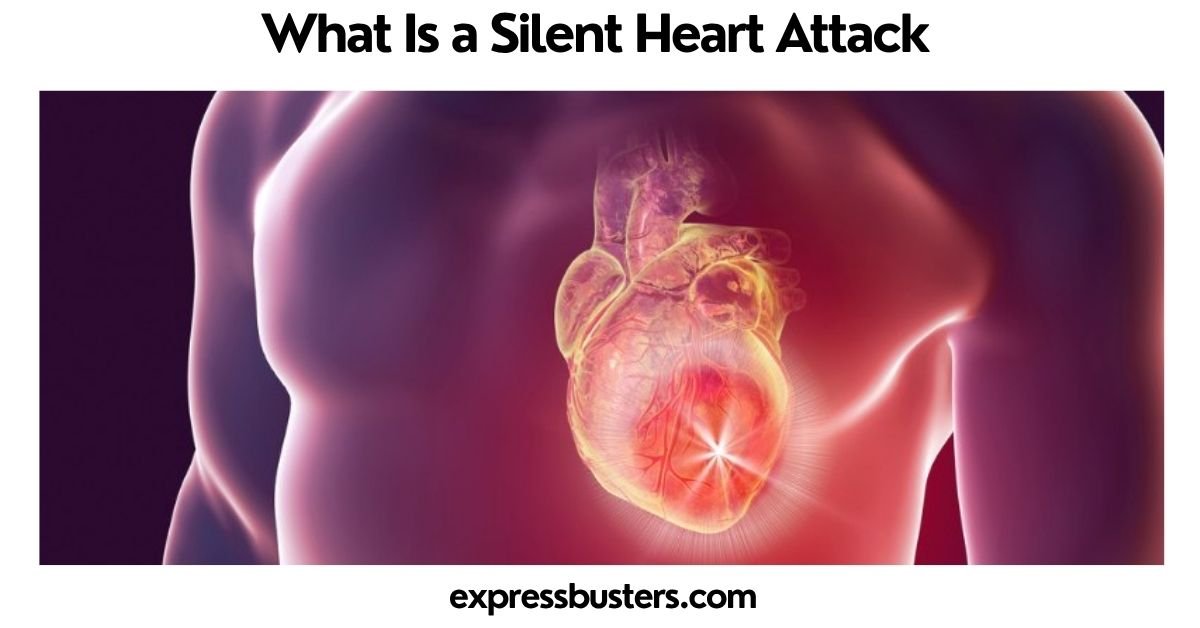
A silent heart attack is a heart attack that occurs without the classic symptoms most people expect. Medical professionals often refer to it as silent myocardial infarction or silent ischemia.
To understand what is a silent heart attack, it helps to know how a heart attack happens. The heart requires a constant supply of oxygen-rich blood. When one of the coronary arteries becomes blocked, blood flow to part of the heart muscle is reduced or stopped. Without enough oxygen, heart tissue begins to die.
In a typical heart attack, this blockage causes intense symptoms such as severe chest pain. In a silent heart attack, however, symptoms may be so mild that they are mistaken for indigestion, fatigue, stress, muscle strain, or minor illness.
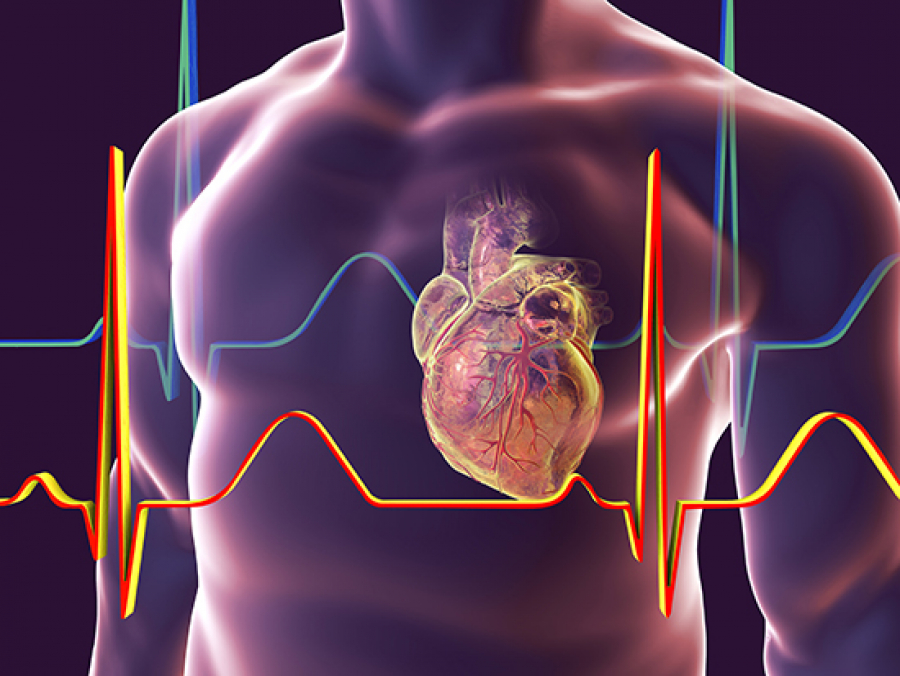
Even though the symptoms may be less noticeable, the damage to the heart muscle can still be significant.
What Is a Silent Heart Attack Called?
Many people ask, “what is a silent heart attack called?”
Medical experts commonly use several terms:
- Silent heart attack
- Silent myocardial infarction (SMI)
- Silent ischemia
- Unrecognized heart attack
- Asymptomatic heart attack
All these terms describe a heart attack that occurs with little or no noticeable symptoms.
How Common Are Silent Heart Attacks?
Silent heart attacks are more common than many people realize.
Research suggests that a significant percentage of all heart attacks are silent. Some studies estimate that nearly half of heart attacks may go unrecognized when they happen.
This means millions of people could be living with heart damage without knowing it.
Silent heart attacks are especially common among:
- Older adults
- Women
- People with diabetes
- Individuals with high blood pressure
- People with a history of heart disease
Because these events often go undetected, they represent a major public health concern.
What Is a Silent Heart Attack Like?
One of the most common questions is, “what is a silent heart attack like?”
The experience varies from person to person.
Some individuals feel absolutely nothing and only discover the heart attack during a routine medical exam.
Others experience symptoms that seem too minor to be serious.
People often describe a silent heart attack as:
- Mild chest discomfort
- Slight pressure in the chest
- Fatigue that feels unusual
- Indigestion-like sensations
- Mild shortness of breath
- Temporary weakness
- A feeling that something is not quite right
Because these symptoms are subtle, many people continue their daily activities without realizing a heart attack is occurring.
What Is a Silent Heart Attack Symptoms List?
Understanding what is a silent heart attack symptoms list can help identify potential warning signs.
Symptoms may include:
Mild Chest Discomfort
Instead of severe chest pain, some people feel mild pressure, squeezing, fullness, or discomfort.
Unusual Fatigue
Extreme tiredness without a clear reason may be one of the earliest warning signs.
Shortness of Breath
Difficulty breathing during routine activities can occur even without chest pain.
Indigestion or Heartburn
Many people mistake heart attack symptoms for digestive problems.
Pain in Other Areas
Discomfort may spread to:
- Neck
- Jaw
- Shoulder
- Upper back
- Arms
Dizziness
Feeling lightheaded or unsteady may occur when blood flow is affected.
Nausea
Some people experience stomach upset or mild nausea.
Cold Sweats
Unexpected sweating without physical activity can be a warning sign.
Weakness
General weakness may develop suddenly.
Sleep Disturbances
Some individuals report unexplained sleep problems before a silent heart attack.
Why Silent Heart Attack Symptoms Are Often Missed
Several factors make silent heart attacks difficult to recognize.
Symptoms Are Mild
Many people expect severe chest pain and ignore milder symptoms.
Symptoms Resemble Other Conditions
Signs can look similar to:
- Acid reflux
- Stress
- Anxiety
- Muscle pain
- Flu-like illness
Symptoms May Come and Go
Unlike dramatic heart attack symptoms, silent symptoms may appear briefly and then disappear.
Lack of Awareness
Many people simply do not know that heart attacks can occur without severe pain.
What Causes a Silent Heart Attack?
The underlying causes are generally the same as those of a traditional heart attack.
Coronary Artery Disease
The most common cause is plaque buildup inside the coronary arteries.
Over time, cholesterol, fat, and inflammatory substances accumulate on artery walls.
Blood Clots
A plaque rupture may trigger a blood clot that blocks blood flow.
Reduced Oxygen Supply
When oxygen cannot reach the heart muscle, tissue damage begins.
Coronary Artery Spasm
Temporary narrowing of an artery may also contribute.
Small Vessel Disease
Damage to smaller blood vessels can reduce blood flow and increase risk.
Risk Factors for Silent Heart Attacks
Several factors increase the likelihood of experiencing a silent heart attack.
High Blood Pressure
Uncontrolled hypertension damages arteries and increases heart strain.
High Cholesterol
Elevated cholesterol contributes to plaque formation.
Diabetes
People with diabetes are especially vulnerable because nerve damage may reduce pain sensation.
Smoking
Smoking damages blood vessels and promotes clot formation.
Obesity
Excess body weight increases cardiovascular risk.
Physical Inactivity
A sedentary lifestyle weakens heart health.
Family History
Genetics play a role in cardiovascular disease.
Age
Risk increases as people get older.
Chronic Stress
Long-term stress can negatively affect heart health.
Sleep Disorders
Conditions such as sleep apnea may raise heart attack risk.
What Is a Silent Heart Attack in Women?
Many people search for information about what is a silent heart attack in women because symptoms often differ from those experienced by men.
Women are more likely to experience subtle symptoms rather than classic chest pain.
Common signs in women include:
- Extreme fatigue
- Shortness of breath
- Nausea
- Back pain
- Neck pain
- Jaw discomfort
- Dizziness
- Sleep disturbances
These symptoms may develop days or weeks before the heart attack.
Because they are often mistaken for stress, menopause, or everyday exhaustion, women may delay seeking medical attention.
Healthcare providers increasingly emphasize the importance of recognizing these less obvious symptoms.
Silent Heart Attack Symptoms in Men
Men can also experience silent heart attacks, although they may be somewhat more likely to report chest discomfort.
Symptoms may include:
- Mild chest pressure
- Fatigue
- Sweating
- Arm discomfort
- Breathing difficulties
- Weakness
Regardless of gender, any unusual symptom that persists or feels concerning should be evaluated by a healthcare professional.
Silent Heart Attacks and Diabetes
People with diabetes face a significantly increased risk.
High blood sugar can damage nerves throughout the body, including those involved in pain perception.
As a result, a person may experience reduced chest pain during a heart attack.
This explains why silent heart attacks are especially common among diabetic patients.
Maintaining healthy blood sugar levels is critical for reducing risk.
How Long Can a Silent Heart Attack Go Undetected?
A silent heart attack can remain undetected for:
- Weeks
- Months
- Years
- Even decades in some cases
Many individuals only discover evidence of a past heart attack during:
- Electrocardiograms (ECGs)
- Echocardiograms
- Cardiac imaging studies
- Stress tests
Some people learn about a silent heart attack only after developing heart failure or another cardiovascular complication.
How Doctors Diagnose a Silent Heart Attack
Because symptoms are often absent, diagnosis frequently occurs after the event.
Electrocardiogram (ECG)
An ECG can detect electrical changes that suggest previous heart damage.
Echocardiogram
Ultrasound imaging reveals areas of weakened heart muscle.
Cardiac MRI
Detailed imaging can identify scar tissue.
Stress Testing
Exercise testing evaluates blood flow and heart performance.
Blood Tests
Certain markers may indicate recent heart damage.
Coronary Angiography
This procedure helps identify blocked arteries.
Complications of Silent Heart Attacks
A silent heart attack should never be considered harmless.
Potential complications include:
Heart Failure
Damaged heart muscle may lose pumping strength.
Irregular Heart Rhythms
Scar tissue can disrupt electrical signals.
Future Heart Attacks
A previous silent heart attack increases the risk of another event.
Sudden Cardiac Arrest
Severe electrical disturbances can become life-threatening.
Reduced Quality of Life
Chronic fatigue and decreased physical capacity may occur.
Can a Silent Heart Attack Be Fatal?
Yes.
Although some silent heart attacks cause limited damage, others can be deadly.
The greatest danger often comes from delayed diagnosis and treatment.
Without proper medical care, heart damage can worsen over time.
Early recognition significantly improves outcomes.
Treatment for Silent Heart Attacks
Treatment depends on the extent of heart damage and underlying disease.
Medications
Doctors may prescribe:
- Blood pressure medications
- Cholesterol-lowering drugs
- Blood thinners
- Beta blockers
- Antiplatelet medications
Lifestyle Changes
Healthy habits play a major role in recovery.
Cardiac Rehabilitation
Structured exercise and education programs help improve heart health.
Surgical Procedures
Some patients may require:
- Angioplasty
- Stent placement
- Coronary artery bypass surgery
How to Prevent a Silent Heart Attack
The good news is that many silent heart attacks are preventable.
Eat a Heart-Healthy Diet
Focus on:
- Fruits
- Vegetables
- Whole grains
- Lean proteins
- Healthy fats
Limit:
- Excess sugar
- Processed foods
- Saturated fat
- Trans fat
Stay Physically Active
Aim for regular exercise throughout the week.
Maintain a Healthy Weight
Weight management reduces cardiovascular stress.
Stop Smoking
Smoking cessation provides immediate and long-term benefits.
Control Blood Pressure
Regular monitoring helps prevent complications.
Manage Cholesterol
Healthy cholesterol levels protect arteries.
Control Diabetes
Blood sugar management is essential.
Get Enough Sleep
Quality sleep supports cardiovascular function.
Reduce Stress
Stress management techniques may improve heart health.
Schedule Regular Checkups
Routine healthcare visits can detect risk factors before serious problems develop.
Warning Signs That Require Immediate Medical Attention
Seek emergency care immediately if you experience:
- Chest discomfort
- Sudden shortness of breath
- Unexplained sweating
- Severe weakness
- Arm pain
- Jaw pain
- Back pain
- Dizziness
- Fainting
Even mild symptoms should not be ignored if they are unusual or persistent.
Silent Heart Attack vs Traditional Heart Attack
Although both involve interrupted blood flow to the heart, important differences exist.
Silent Heart Attack
- Symptoms may be absent
- Signs are often overlooked
- Diagnosis frequently occurs later
Traditional Heart Attack
- Symptoms are usually obvious
- Severe chest pain is common
- Emergency treatment is often sought immediately
Despite these differences, both conditions can cause serious heart damage.
The Long-Term Outlook After a Silent Heart Attack
Many people live healthy lives after a silent heart attack, especially when the condition is identified early.
Success depends on:
- Following medical advice
- Taking prescribed medications
- Managing risk factors
- Adopting healthy lifestyle habits
- Attending regular medical appointments
The earlier treatment begins, the better the chances of preventing future complications.
Expert Insight: Why Silent Heart Attacks Deserve More Attention
One of the biggest challenges in cardiovascular medicine is that people often associate danger only with severe symptoms.
Also Read: How to Stop a Heart Attack: Complete Guide to Recognizing, Responding, and Reducing Your Risk
A silent heart attack challenges this assumption.
The absence of pain does not mean the absence of damage.
In fact, silent heart attacks reveal an important lesson about heart health: the body does not always send clear warning signals.
This is why preventive care, routine screening, and awareness are so important. Waiting for dramatic symptoms can be a costly mistake.
For many people, the most effective strategy is not learning how to react to a heart attack after it occurs, but learning how to prevent one before it happens.
Conclusion
Understanding what is a silent heart attack could save your life or the life of someone you love. A silent heart attack occurs when blood flow to part of the heart is blocked, but symptoms are absent, mild, or unrecognized. Despite its quiet nature, the damage can be just as serious as that caused by a traditional heart attack.
Knowing what is a silent heart attack symptoms, recognizing what is a silent heart attack in women, and understanding what is a silent heart attack like can help people seek medical care sooner and reduce long-term complications.
The most effective protection comes from prevention. Healthy eating, regular exercise, blood pressure control, cholesterol management, diabetes care, and routine medical checkups remain the foundation of strong heart health.
Awareness is the first step. Action is the second. Together, they can help prevent silent heart attacks and protect your future.
Frequently Asked Questions (FAQs)
Can you have a silent heart attack while sleeping?
Yes. Some silent heart attacks occur during sleep and may go completely unnoticed until later medical testing reveals evidence of heart damage.
Are silent heart attacks more dangerous than regular heart attacks?
They can be equally dangerous because delayed diagnosis may allow heart damage to progress without treatment.
Can stress cause a silent heart attack?
Chronic stress alone may not directly cause a silent heart attack, but it can contribute to high blood pressure, inflammation, and other cardiovascular risk factors.
What age do silent heart attacks usually occur?
Risk increases with age, particularly after age 45 in men and after menopause in women. However, younger adults can also experience silent heart attacks.
Can a silent heart attack heal on its own?
The damaged heart tissue does not fully regenerate. Medical treatment is important to protect remaining heart function and reduce future risks.
Is fatigue the only symptom of a silent heart attack?
No. Fatigue is common, but symptoms may also include shortness of breath, mild chest discomfort, nausea, dizziness, sweating, or weakness.
Can exercise trigger a silent heart attack?
Intense physical activity can occasionally reveal underlying heart disease, but regular exercise generally lowers the overall risk of heart attacks.
Should I get tested if I have multiple risk factors?
Yes. People with diabetes, high blood pressure, high cholesterol, obesity, smoking history, or a family history of heart disease should discuss screening options with their healthcare provider.
Can silent heart attacks happen more than once?
Yes. A person can experience multiple silent heart attacks over time, especially if underlying cardiovascular disease remains untreated.
What is the best way to reduce the risk of a silent heart attack?
The best approach includes maintaining a healthy lifestyle, controlling blood pressure and cholesterol, managing diabetes, avoiding tobacco, staying active, and attending regular medical checkups.