What Are the Signs of a Heart Attack in Women? A Complete Guide to Symptoms, Causes, Warning Signs, and Prevention
Heart disease remains the leading cause of death among women in the United States. Yet many women still believe that heart attacks mainly affect men. This misunderstanding often causes dangerous delays in seeking medical care.
One of the biggest challenges is that heart attack symptoms in women can be different from the symptoms most people expect. While movies often show someone suddenly clutching their chest and collapsing, many women experience subtle warning signs that are easy to ignore.
If you have ever wondered, “what are the signs of a heart attack in women,” this guide will provide clear answers. You will learn about early symptoms, unusual warning signs, risk factors, prevention strategies, and when to seek emergency help.
Understanding these symptoms could save your life or the life of someone you love.
What Is a Heart Attack?
A heart attack, also known as a myocardial infarction, occurs when blood flow to part of the heart muscle becomes blocked. Without enough oxygen-rich blood, heart muscle cells begin to die.
The most common cause is the buildup of fatty deposits, called plaque, inside the arteries. When plaque ruptures, a blood clot can form and block blood flow.
A heart attack is a medical emergency. Quick treatment can reduce damage to the heart and improve survival.
Why Heart Attack Symptoms Are Different in Women
For many years, heart attack research focused mostly on men. As a result, the classic symptoms of heart attacks became associated with male experiences.
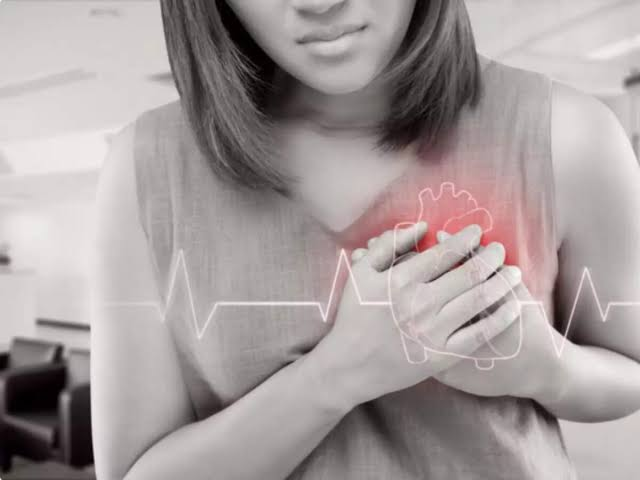
Women often experience symptoms that are more subtle and less obvious. Some women never experience severe chest pain at all.
Several factors may explain these differences:
- Hormonal influences
- Smaller coronary arteries
- Different patterns of artery disease
- Changes in blood vessels
- Differences in how the body responds to reduced blood flow
Because symptoms may not match common expectations, women sometimes delay seeking medical attention.
Also Read: Inomyalgia: Causes, Symptoms, Treatment, and Lifestyle Changes for Long-Term Relief
What Are the Signs of a Heart Attack in Women?
Many women ask, “what are the signs of a heart attack in women?”
The answer is that symptoms can vary from person to person. However, there are several common warning signs that every woman should know.
Chest Pain or Chest Discomfort
Chest discomfort is still one of the most common symptoms.
Women may experience:
- Pressure in the chest
- Tightness
- Fullness
- Squeezing sensation
- Burning feeling
- Aching discomfort
Unlike the sudden crushing pain often described by men, women may experience mild or moderate discomfort that comes and goes.
The discomfort can last for several minutes or return repeatedly.
Shortness of Breath
Difficulty breathing is another major warning sign.
Some women notice:
- Feeling unable to catch their breath
- Trouble breathing during normal activities
- Breathlessness while resting
- Difficulty climbing stairs
Shortness of breath may occur with or without chest pain.
Pain in the Neck, Jaw, or Throat
One of the most overlooked signs is pain outside the chest.
Women frequently report discomfort in:
- Jaw
- Neck
- Throat
- Upper shoulders
This pain may feel like pressure, tightness, or aching.
Because it resembles dental problems or muscle strain, many women do not realize it could signal a heart attack.
Back Pain
Upper back pain is surprisingly common during heart attacks in women.
The pain may:
- Occur between the shoulder blades
- Feel sharp or burning
- Come suddenly
- Worsen with activity
Many women mistake it for poor posture, muscle tension, or a back injury.
Pain in One or Both Arms
Arm discomfort is another important symptom.
Pain may:
- Affect either arm
- Travel down the arm
- Feel heavy or numb
- Come and go
While left arm pain is commonly associated with heart attacks, women may experience pain in either arm.
Unusual Fatigue
Extreme fatigue is one of the most common but least recognized symptoms.
Women often describe:
- Feeling exhausted for no reason
- Lack of energy
- Difficulty completing routine tasks
- Sudden weakness
Some women report severe fatigue days or even weeks before a heart attack.
This symptom can appear long before chest pain develops.
Nausea and Vomiting
Digestive symptoms are more common in women than men during heart attacks.
Symptoms may include:
- Nausea
- Vomiting
- Upset stomach
- Indigestion
- Heartburn-like discomfort
Because these symptoms resemble digestive issues, many women assume they have a stomach problem rather than a heart problem.
Dizziness or Lightheadedness
Reduced blood flow during a heart attack can affect the brain.
Women may experience:
- Feeling faint
- Dizziness
- Lightheadedness
- Sudden weakness
- Loss of balance
These symptoms should never be ignored, especially when combined with other warning signs.
Cold Sweats
Breaking out in a cold sweat without physical exertion can be a serious warning sign.
Women often describe:
- Sudden sweating
- Clammy skin
- Profuse sweating
- Feeling unusually hot or cold
Cold sweats occurring alongside other symptoms require immediate medical attention.
What Are the Sign of a Heart Attack in Women Before It Happens?
Many women experience warning signs before a major heart attack occurs.
These symptoms may appear:
- Days before
- Weeks before
- Even months before
Common early warning signs include:
- Unusual fatigue
- Sleep disturbances
- Mild chest discomfort
- Shortness of breath
- Anxiety
- Indigestion
- Back pain
Recognizing these early symptoms allows women to seek medical help before a major event occurs.
Also Read: Did Elon Musk Have a Heart Attack? Updated Facts, Rumors, and the Truth in 2026
What Are the Signs of Heart Attack in a Woman During Sleep?
Some heart attacks happen during sleep or in the early morning.
Women may wake up with:
- Chest pressure
- Shortness of breath
- Sweating
- Nausea
- Anxiety
- Jaw pain
- Arm discomfort
Many women initially think they are experiencing a nightmare, panic attack, or indigestion.
Any unexplained symptoms that wake you from sleep should be evaluated promptly.
In Women What Are the Signs of a Heart Attack That Are Often Missed?
Several symptoms are frequently overlooked.
These include:
Extreme Tiredness
Persistent exhaustion without a clear cause is often dismissed as stress or aging.
Sleep Problems
Women sometimes experience difficulty sleeping in the weeks leading up to a heart attack.
Flu-Like Symptoms
Feeling generally unwell may be a warning sign.
Anxiety
A sudden sense that something is wrong can occur before a heart attack.
Digestive Complaints
Many women report stomach discomfort rather than chest pain.
Because these symptoms are common in everyday life, they are often ignored.
Risk Factors for Heart Attacks in Women
Understanding risk factors can help prevent heart disease.
High Blood Pressure
High blood pressure damages artery walls over time.
High Cholesterol
Excess cholesterol contributes to plaque buildup inside arteries.
Diabetes
Women with diabetes have a significantly higher risk of heart disease.
Smoking
Smoking damages blood vessels and increases clot formation.
Obesity
Excess body weight places additional strain on the heart.
Physical Inactivity
A sedentary lifestyle contributes to many cardiovascular problems.
Family History
Genetics can increase heart attack risk.
Stress
Chronic stress may contribute to heart disease through several biological mechanisms.
Menopause
Hormonal changes after menopause increase cardiovascular risk.
Women at Higher Risk of Heart Attack
Certain groups of women face greater risk.
These include:
- Women over age 55
- Smokers
- Women with diabetes
- Women with high blood pressure
- Women with high cholesterol
- Women with obesity
- Women with autoimmune diseases
- Women with kidney disease
Regular health screenings become increasingly important for these groups.
How Women’s Heart Attack Symptoms Compare to Men’s
Symptoms Common in Men
- Severe chest pain
- Pain radiating down the left arm
- Sudden onset symptoms
Symptoms Common in Women
- Fatigue
- Nausea
- Shortness of breath
- Jaw pain
- Back pain
- Sleep disturbances
- Indigestion
Women can still experience classic chest pain, but they are more likely to have additional nontraditional symptoms.
When Should a Woman Call 911?
Call emergency services immediately if symptoms include:
- Chest discomfort lasting more than a few minutes
- Shortness of breath
- Jaw pain
- Back pain
- Arm pain
- Nausea with chest discomfort
- Sudden sweating
- Dizziness
Do not drive yourself to the hospital if symptoms are severe.
Prompt treatment can dramatically improve outcomes.
What Happens at the Hospital?
Doctors may perform several tests.
Electrocardiogram (ECG)
Measures the heart’s electrical activity.
Blood Tests
Detect heart muscle damage.
Echocardiogram
Uses sound waves to evaluate heart function.
Coronary Angiography
Shows blockages inside coronary arteries.
Treatment may include medications, procedures to open blocked arteries, or surgery.
How to Reduce Your Risk of a Heart Attack
Eat a Heart-Healthy Diet
Focus on:
- Fruits
- Vegetables
- Whole grains
- Lean proteins
- Healthy fats
Limit:
- Processed foods
- Excess sugar
- Saturated fats
- Excess sodium
Exercise Regularly
Aim for at least 150 minutes of moderate activity each week.
Examples include:
- Walking
- Cycling
- Swimming
- Dancing
Maintain a Healthy Weight
Weight management reduces stress on the heart.
Control Blood Pressure
Regular monitoring can help prevent complications.
Manage Cholesterol
Healthy lifestyle habits and medications may be needed.
Quit Smoking
Smoking cessation quickly improves cardiovascular health.
Manage Stress
Helpful strategies include:
- Meditation
- Yoga
- Deep breathing
- Physical activity
- Adequate sleep
Get Regular Checkups
Routine screenings help identify risk factors early.
Common Myths About Heart Attacks in Women
Women Do Not Get Heart Attacks Often
Reality: Heart disease is the leading cause of death among women.
Chest Pain Is Always Present
Reality: Many women experience little or no chest pain.
Young Women Are Not at Risk
Reality: Heart attacks can occur at any age.
Symptoms Are Always Sudden
Reality: Warning signs often develop gradually.
Heartburn Cannot Be a Heart Attack
Reality: Heart attack symptoms can mimic indigestion.
The Importance of Listening to Your Body
Women often prioritize family, work, and responsibilities over their own health.
Unfortunately, this can lead to delayed treatment.
If something feels unusual, trust your instincts.
A symptom that seems minor could be your body’s warning signal.
Also Read: Can a Loop Recorder Detect a Heart Attack? Complete Guide for Patients and Families
Seeking medical evaluation early is always safer than waiting.
Key Takeaways
If you are asking, “what are the signs of a heart attack in women,” remember that symptoms may be very different from the classic signs often shown in movies.
Common warning signs include:
- Chest discomfort
- Shortness of breath
- Extreme fatigue
- Jaw pain
- Neck pain
- Back pain
- Arm discomfort
- Nausea
- Dizziness
- Cold sweats
Women frequently experience subtle symptoms that can easily be mistaken for less serious conditions.
Understanding these warning signs can lead to faster treatment, less heart damage, and better survival outcomes.
Your heart health matters. Paying attention to symptoms and acting quickly could save your life.
Frequently Asked Questions (FAQs)
Can a woman have a heart attack without chest pain?
Yes. Many women experience symptoms such as fatigue, nausea, shortness of breath, jaw pain, or back pain without significant chest discomfort.
How long can warning signs last before a heart attack?
Some women notice symptoms for days, weeks, or even months before a heart attack occurs.
Are panic attacks and heart attacks similar?
Yes. Both can cause chest discomfort, sweating, and shortness of breath. Because symptoms overlap, medical evaluation is important.
Can stress trigger a heart attack in women?
Severe emotional or physical stress can increase heart attack risk and may contribute to certain heart conditions.
Do heart attack symptoms come and go?
Yes. Symptoms can be intermittent, especially in the early stages.
Can heart attack symptoms be mistaken for acid reflux?
Absolutely. Many women report symptoms that feel like heartburn or indigestion.
Does menopause increase heart attack risk?
Yes. Reduced estrogen levels after menopause are associated with increased cardiovascular risk.
Should women with a family history of heart disease get screened earlier?
Yes. Women with close relatives who have heart disease should discuss early screening with their healthcare provider.
Can healthy women still have heart attacks?
Yes. Although healthy habits lower risk, heart attacks can still occur due to genetics, underlying conditions, or other factors.
What is the most commonly ignored heart attack symptom in women?
Extreme fatigue is one of the most frequently overlooked warning signs and may appear weeks before a heart attack.
Conclusion
Understanding what are the signs of a heart attack in women is essential because symptoms are often different from those experienced by men. While chest pain remains a common warning sign, many women experience less obvious symptoms such as unusual fatigue, shortness of breath, nausea, jaw pain, back pain, dizziness, and cold sweats. These subtle signs can appear days or even weeks before a heart attack, making awareness especially important.
The key to improving outcomes is recognizing symptoms early and seeking immediate medical attention when something feels wrong. Delaying treatment can increase the risk of serious heart damage and life-threatening complications. Every woman should know her personal risk factors, maintain regular health checkups, and adopt heart-healthy habits such as eating a balanced diet, staying physically active, managing stress, and avoiding smoking.
If you have ever wondered what are the signs of heart attack in a woman, remember that no symptom should be ignored simply because it seems mild or unusual. In women, what are the signs of a heart attack can vary greatly from person to person, but early recognition can save lives. By understanding what are the sign of a heart attack in women and taking proactive steps to protect heart health, women can reduce their risk and improve their long-term well-being.