How to Know If You Are Have a Heart Attack: Complete Guide to Recognizing the Warning Signs Early
Many people ask, “how to know if you are have a heart attack?” This is one of the most important health questions anyone can learn about. A heart attack can happen suddenly, but in many cases, the body gives warning signs before the situation becomes life-threatening.
Every year, hundreds of thousands of Americans experience heart attacks. Some people recognize the symptoms quickly and get medical help right away. Others ignore the signs, thinking it is indigestion, stress, muscle pain, or simple fatigue. Delaying treatment can cause severe heart damage and may even lead to death.
Understanding how to know if you are have a heart attack can help save your life or the life of someone you love. The sooner treatment begins, the better the chances of survival and recovery.
What Is a Heart Attack?
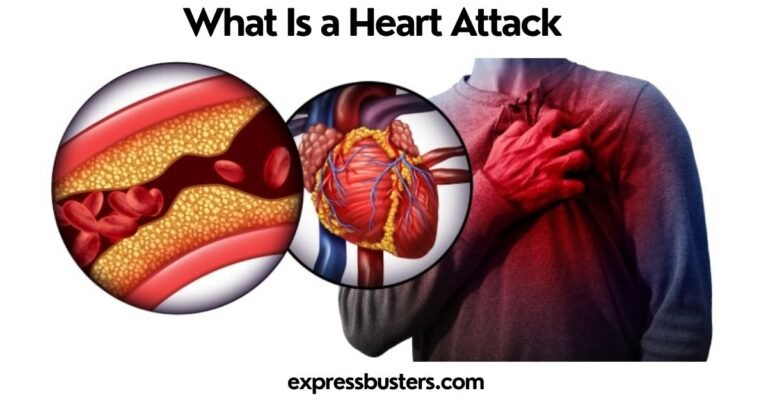
A heart attack happens when blood flow to part of the heart becomes blocked. The heart muscle needs oxygen-rich blood to function properly. When blood cannot reach part of the heart, that area begins to suffer damage.
Doctors call a heart attack a myocardial infarction.
The blockage is usually caused by:
- Fatty deposits in arteries
- Blood clots
- Severe narrowing of coronary arteries
Without quick treatment, the heart muscle can become permanently damaged.
The faster a person receives emergency care, the better the outcome.
Why It Is Important to Know the Signs
Many people assume a heart attack always causes sudden, severe chest pain. While this can happen, symptoms are often different from what people expect.
Some individuals experience mild symptoms for hours, days, or even weeks before a major heart attack occurs.
Knowing how to know if you are have a heart attack allows you to:
- Seek treatment faster
- Reduce heart damage
- Improve survival chances
- Prevent complications
- Protect loved ones
Recognizing symptoms early is one of the most powerful tools in heart health.
The Most Common Heart Attack Symptoms
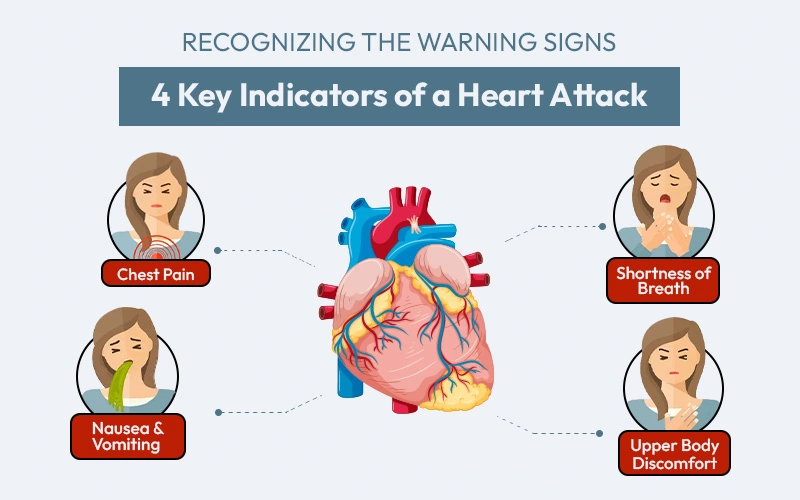
Chest Pain or Chest Pressure
Chest discomfort is the most common heart attack symptom.
People often describe it as:
- Pressure
- Tightness
- Squeezing
- Fullness
- Burning
- Heavy weight on the chest
The sensation may last several minutes or come and go.
Many survivors say it feels like an elephant sitting on their chest.
Not everyone experiences intense pain. Some feel only mild discomfort.
Pain That Spreads to Other Areas
Heart attack pain frequently travels beyond the chest.
Pain may spread to:
- Left arm
- Right arm
- Both arms
- Neck
- Jaw
- Back
- Shoulders
This spreading pain is an important warning sign.
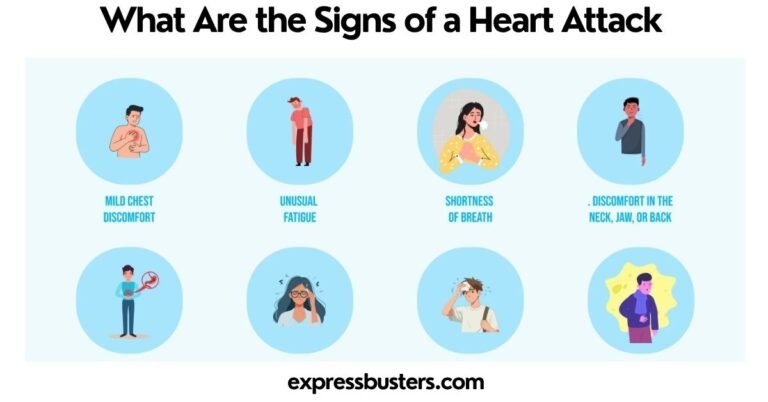
Shortness of Breath
Breathing may become difficult before or during a heart attack.
You may notice:
- Trouble catching your breath
- Feeling winded with little activity
- Sudden breathing difficulty while resting
Shortness of breath can occur with or without chest pain.
Cold Sweat
Unexpected sweating is a common symptom.
The sweat may feel:
- Cold
- Clammy
- Excessive
Many people report breaking into a sweat even when the room is cool.
Nausea and Vomiting
Heart attacks can affect the digestive system.
Symptoms may include:
- Upset stomach
- Nausea
- Vomiting
- Feeling sick without a clear reason
This symptom is more common in women.
Dizziness or Lightheadedness
Reduced blood flow can affect the brain.
You may feel:
- Dizzy
- Weak
- Unsteady
- Close to fainting
These symptoms should never be ignored when combined with other warning signs.
Early Warning Signs Before a Heart Attack
One of the best ways to understand how to know if you are have a heart attack is to learn about early symptoms.
Many people experience warning signs days or weeks beforehand.
Unusual Fatigue
Feeling unusually tired can be an early clue.
You may notice:
- Extreme exhaustion
- Difficulty completing normal tasks
- Fatigue without explanation
This symptom is especially common among women.
Mild Chest Discomfort
Early chest symptoms may seem minor.
People often mistake them for:
- Heartburn
- Muscle strain
- Anxiety
- Indigestion
Persistent discomfort should always be evaluated by a healthcare professional.
Reduced Exercise Tolerance
Activities that once felt easy may suddenly become difficult.
Examples include:
- Climbing stairs
- Walking short distances
- Carrying groceries
This can indicate reduced blood flow to the heart.
Sleep Problems
Some individuals experience:
- Difficulty sleeping
- Frequent waking
- Unusual nighttime discomfort
Although sleep issues alone do not mean a heart attack is coming, they can accompany other warning signs.
Also Read: What Is a Silent Heart Attack? Symptoms, Causes, Risks, and Prevention Guide
How Heart Attack Symptoms Differ in Women
Women often experience symptoms that differ from the classic signs seen in men.
Because symptoms may be less obvious, women sometimes delay seeking treatment.
Common Symptoms in Women
Women may experience:
- Fatigue
- Nausea
- Shortness of breath
- Back pain
- Jaw pain
- Neck pain
- Dizziness
Chest pain can still occur but may be less severe.
Why Women Are Often Misdiagnosed
Many women mistake symptoms for:
- Stress
- Anxiety
- Menopause
- Digestive problems
Healthcare providers and patients alike may overlook heart-related causes.
This is why awareness is so important.
Heart Attack Symptoms in Men
Men often experience more traditional symptoms.
These may include:
- Severe chest pressure
- Arm pain
- Sweating
- Shortness of breath
However, men can also have unusual symptoms.
Never assume a symptom is harmless simply because it does not match the classic description.
What Is a Silent Heart Attack?
A silent heart attack occurs with few or no obvious symptoms.
Many people do not realize they had a heart attack until later medical testing reveals evidence of heart damage.
Silent Heart Attack Symptoms
Symptoms may include:
- Mild fatigue
- Light chest discomfort
- Indigestion-like feelings
- Slight shortness of breath
Because symptoms appear minor, they are often ignored.
Silent heart attacks are especially common among:
- Older adults
- People with diabetes
- Women
Heart Attack vs Heartburn
One reason people struggle with how to know if you are have a heart attack is that symptoms can resemble heartburn.
Heartburn Characteristics
Heartburn often:
- Occurs after eating
- Causes burning in the chest
- Improves with antacids
- Stays centered in the chest
Heart Attack Characteristics
Heart attack discomfort often:
- Feels like pressure or squeezing
- Spreads to other body parts
- Occurs during activity or rest
- Includes sweating or shortness of breath
When in doubt, seek emergency care.
It is far safer to have a false alarm than to ignore a heart attack.
Heart Attack vs Panic Attack
Panic attacks can feel frighteningly similar to heart attacks.
Panic Attack Symptoms
May include:
- Rapid heartbeat
- Sweating
- Chest discomfort
- Fear
- Shaking
Heart Attack Symptoms
More commonly include:
- Pressure-like chest pain
- Radiating pain
- Physical weakness
- Shortness of breath
Only a medical professional can determine the exact cause.
Never self-diagnose during a possible emergency.
Risk Factors for Heart Attack
Understanding risk factors helps identify your personal risk.
High Blood Pressure
High blood pressure damages arteries over time.
High Cholesterol
Cholesterol buildup narrows arteries and restricts blood flow.
Smoking
Smoking damages blood vessels and increases clot formation.
Diabetes
Diabetes significantly raises heart disease risk.
Obesity
Excess weight places additional stress on the heart.
Family History
Genetics can increase vulnerability to heart disease.
Lack of Physical Activity
Inactive lifestyles contribute to multiple cardiovascular risk factors.
Chronic Stress
Long-term stress can negatively affect heart health.
What To Do If You Think You Are Having a Heart Attack
Knowing what to do can save your life.
Call 911 Immediately
Do not wait to see if symptoms improve.
Emergency responders can begin treatment quickly.
Stop Physical Activity
Sit or lie down and stay calm.
Avoid exertion.
Take Aspirin If Advised
If you are not allergic and have been instructed by emergency services, chewing aspirin may help reduce clotting.
Unlock Your Door
This helps emergency personnel reach you faster.
Stay on the Phone
Follow instructions from emergency dispatchers.
What Not To Do During a Suspected Heart Attack
Avoid these dangerous mistakes:
- Do not drive yourself if possible
- Do not ignore symptoms
- Do not wait several hours
- Do not assume it is indigestion
- Do not continue exercising
Quick action saves heart muscle.
How Doctors Diagnose a Heart Attack
Healthcare providers use several tools.
Electrocardiogram (ECG)
Measures the heart’s electrical activity.
Blood Tests
Detect heart muscle damage.
Imaging Tests
Doctors may use imaging to evaluate blood flow and heart function.
Coronary Angiography
Shows blocked arteries.
These tests help determine the severity of the event and guide treatment.
Treatment Options for Heart Attack
Treatment depends on severity and timing.
Medications
Common treatments include:
- Blood thinners
- Aspirin
- Cholesterol-lowering medications
- Blood pressure medications
Angioplasty
A catheter opens blocked arteries.
Stent Placement
A small mesh tube keeps the artery open.
Coronary Bypass Surgery
Used for severe blockages.
Recovery After a Heart Attack
Recovery is a long-term process.
Cardiac Rehabilitation
Structured programs help improve recovery.
Benefits include:
- Better fitness
- Improved heart health
- Reduced future risk
Lifestyle Changes
Patients are encouraged to:
- Eat healthier
- Exercise regularly
- Quit smoking
- Control blood pressure
- Manage diabetes
Emotional Recovery
Many survivors experience:
- Anxiety
- Depression
- Fear
Emotional support is an important part of healing.
How To Prevent a Heart Attack
Prevention remains the best strategy.
Eat a Heart-Healthy Diet
Focus on:
- Fruits
- Vegetables
- Whole grains
- Lean proteins
Limit:
- Added sugar
- Excess salt
- Saturated fats
Stay Physically Active
Aim for regular exercise throughout the week.
Maintain a Healthy Weight
Weight control reduces multiple heart disease risks.
Manage Stress
Healthy coping methods include:
- Walking
- Meditation
- Social support
- Hobbies
Get Regular Checkups
Routine screenings help identify problems early.
When Should You Go to the Emergency Room?
Go immediately if you experience:
- Chest pressure
- Arm pain
- Jaw pain
- Shortness of breath
- Sudden sweating
- Severe dizziness
Do not wait for symptoms to become unbearable.
Prompt treatment dramatically improves survival.
Key Takeaways: How to Know If You Are Have a Heart Attack
If you are wondering how to know if you are have a heart attack, remember that symptoms can vary widely from person to person.
The most common signs include:
- Chest pressure
- Arm pain
- Jaw pain
- Shortness of breath
- Cold sweating
- Nausea
- Dizziness
Women, older adults, and people with diabetes may experience less obvious symptoms.
Never ignore warning signs.
Acting quickly can save your heart and your life.
Frequently Asked Questions
Can a heart attack last for several days?
Some people experience warning signs for days or weeks before a major heart attack. However, active heart attack symptoms require immediate medical attention.
Can you have a heart attack while sleeping?
Yes. Heart attacks can occur during sleep and may wake a person with chest discomfort, sweating, or shortness of breath.
Is chest pain always present during a heart attack?
No. Some people experience little or no chest pain, especially women, older adults, and people with diabetes.
Can young adults have heart attacks?
Yes. Although risk increases with age, younger adults can experience heart attacks due to genetics, smoking, obesity, high cholesterol, or other health conditions.
Can dehydration cause symptoms that look like a heart attack?
Severe dehydration may cause dizziness, weakness, and rapid heartbeat, but chest pain should always be evaluated immediately.
Does a normal fitness level eliminate heart attack risk?
No. Even physically active individuals can experience heart attacks if other risk factors are present.
Can stress alone trigger a heart attack?
Extreme emotional or physical stress can contribute to heart-related emergencies, especially in people with existing heart disease.
How long should chest pain last before calling 911?
Do not wait. Any concerning chest discomfort accompanied by other symptoms should be treated as an emergency immediately.
Can a heart attack happen without blocked arteries?
Yes. Although blockages are the most common cause, artery spasms and other conditions can also reduce blood flow to the heart.
What is the biggest mistake people make during a heart attack?
The most common mistake is waiting too long before seeking medical care. Every minute matters when heart muscle is being deprived of oxygen.
Conclusion
Understanding how to know if you are have a heart attack can make the difference between life and death. While many people expect a heart attack to cause sudden and severe chest pain, the reality is often more complex. Symptoms can range from chest pressure and shortness of breath to fatigue, nausea, dizziness, and pain in the jaw, back, neck, or arms. In some cases, especially among women, older adults, and people with diabetes, the warning signs may be subtle and easy to overlook.
One of the most important lessons is to trust your body and never ignore unusual symptoms. If something feels different or wrong, especially when multiple symptoms occur together, it is always safer to seek emergency medical attention immediately. Early treatment can significantly reduce heart damage, improve recovery outcomes, and save lives.
Heart attacks remain one of the leading causes of death in the United States, but many cases can be prevented through healthy lifestyle choices, regular medical checkups, and awareness of personal risk factors. By learning the warning signs, taking preventive measures, and acting quickly during an emergency, you can protect your heart and improve your long-term health.
Remember, when it comes to a possible heart attack, every minute matters. Knowing how to know if you are have a heart attack is not just valuable information—it is knowledge that could save your life or the life of someone you care about.