Does Heart Attack Pain Come and Go? Everything You Need to Know
Many people think a heart attack always causes sudden, severe chest pain that never stops. However, that is not always true. One common question is: does heart attack pain come and go?
The simple answer is yes. Heart attack pain can come and go in some people. The pain may last for a few minutes, disappear, and then return later. Because of this, many people ignore the warning signs and delay getting medical help.
Understanding how heart attack pain feels and when to seek emergency care can save lives.
Does Heart Attack Pain Come and Go?
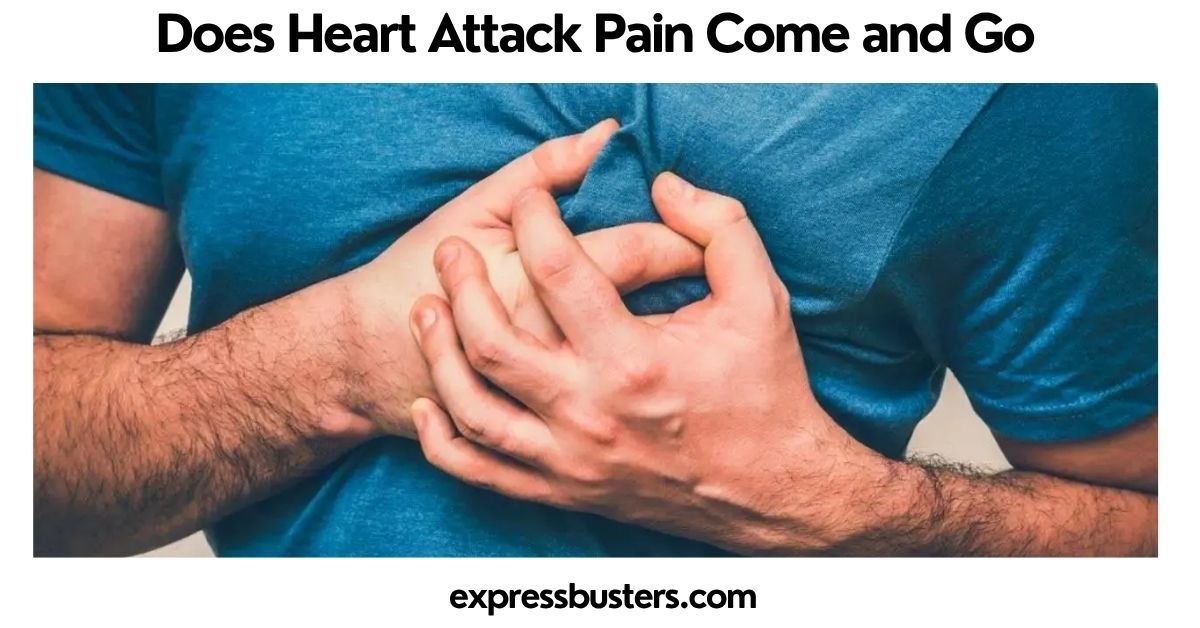
Yes, does heart attack pain come and go is a common and important question. A heart attack can cause pain or discomfort that comes and goes instead of staying constant.
Some people feel chest pressure for a few minutes. The discomfort may improve for a short time and then come back. Even if the pain goes away, it should never be ignored.
A temporary improvement does not mean the danger has passed.
Why Does Heart Attack Pain Come and Go?
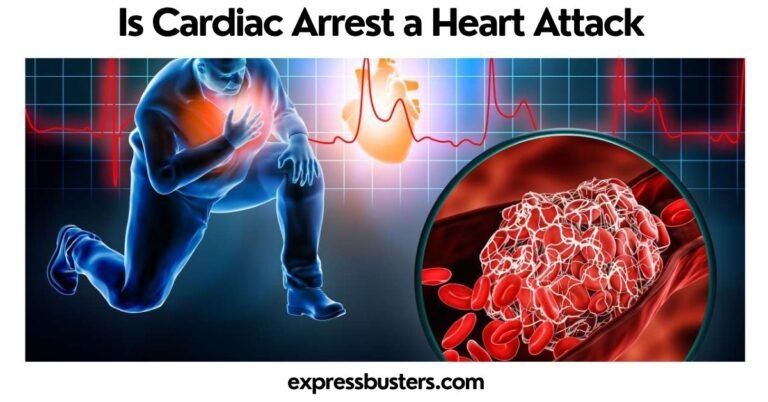
Heart attacks happen when blood flow to the heart muscle is reduced or blocked.
Before a complete blockage occurs, blood flow may decrease and improve several times. This can cause symptoms that appear and disappear.
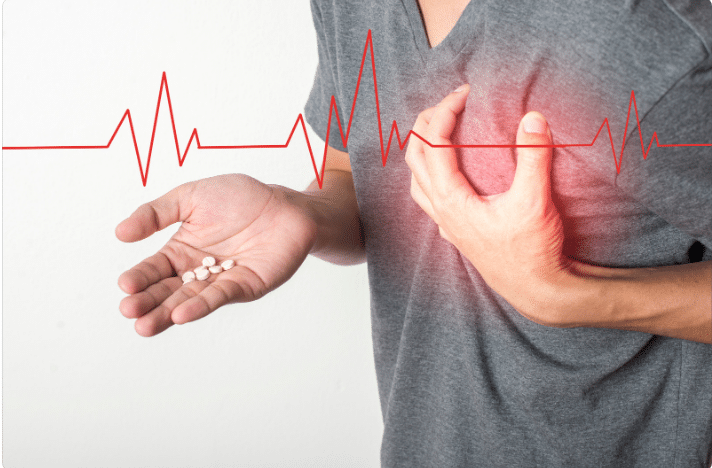
When the heart does not get enough oxygen-rich blood, it sends warning signals through pain or discomfort. If blood flow improves briefly, the pain may lessen. When blood flow decreases again, the pain returns.
This is why heart attack pain can sometimes come and go.
Does Pain Come and Go With Heart Attack?
Yes, does pain come and go with heart attack is another common concern.
Also Read: Can an EKG Detect a Heart Attack? Complete Guide to What an EKG Can and Cannot Reveal
Not everyone experiences the same symptoms. Some people have constant pain, while others experience pain in waves.
The pain may:
- Last for a few minutes
- Go away temporarily
- Return later
- Become more frequent over time
If chest pain keeps returning, medical attention is needed immediately.
Does Pain From Heart Attack Come and Go Before a Heart Attack?
Yes. In some cases, warning symptoms appear days or weeks before a major heart attack.
These warning signs may include:
- Chest pressure
- Chest tightness
- Shortness of breath
- Fatigue
- Discomfort during physical activity
Many people dismiss these symptoms because they seem mild. However, recurring symptoms can be a sign of serious heart disease.
What Does Heart Attack Pain Feel Like?
Heart attack pain is often different from what people expect.
Instead of sharp pain, many people describe it as:
- Pressure
- Tightness
- Squeezing
- Fullness
- Heaviness
- Burning
- Aching
Some people feel like someone is sitting on their chest.
The pain may be mild or severe.
Where Is Heart Attack Pain Usually Felt?
Heart attack pain is most commonly felt in the chest, but it can spread to other parts of the body.
Also Read: Can a Dog Have Heart Attack? Causes, Symptoms, Emergency Signs, Treatment, and Prevention
Common areas include:
- Chest
- Left arm
- Right arm
- Shoulders
- Neck
- Jaw
- Back
- Upper stomach
Pain that spreads to these areas should never be ignored.
Does the Pain of a Heart Attack Come and Go in Women?
Yes, does the pain of a heart attack come and go is especially important for women.
Women often experience different symptoms than men.
Common symptoms in women include:
- Extreme tiredness
- Nausea
- Back pain
- Jaw pain
- Shortness of breath
- Indigestion-like discomfort
Women may have mild symptoms that come and go, making heart attacks harder to recognize.
Heart Attack Does Pain Come and Go in Older Adults?
Yes. Older adults may experience unusual symptoms.
Instead of severe chest pain, they may have:
- Weakness
- Dizziness
- Confusion
- Shortness of breath
- Fatigue
The symptoms may come and go and can be mistaken for normal aging or other health problems.
Does Heart Attack Chest Pain Come and Go During Exercise?
Yes. Some people notice chest discomfort during physical activity.
The pain may occur when:
- Walking
- Running
- Climbing stairs
- Exercising
The discomfort may improve when resting but return during activity.
This can be a warning sign that the heart is not receiving enough blood.
Other Symptoms of a Heart Attack
Chest pain is not the only symptom.
Other warning signs include:
- Shortness of breath
- Cold sweats
- Nausea
- Vomiting
- Dizziness
- Lightheadedness
- Fatigue
- Arm pain
- Jaw pain
- Back pain
Having several of these symptoms together increases the chance of a heart problem.
Conditions That Can Feel Like a Heart Attack
Not all chest pain is caused by a heart attack.
Other conditions that may cause similar symptoms include:
- Acid reflux
- Heartburn
- Anxiety attacks
- Panic attacks
- Muscle strain
- Lung infections
- Costochondritis
Because these conditions can feel similar, it is important to get medical evaluation when symptoms occur.
Risk Factors for Heart Attack
Some people have a higher risk of heart disease.
Major risk factors include:
- High blood pressure
- High cholesterol
- Smoking
- Diabetes
- Obesity
- Lack of exercise
- Family history of heart disease
- Unhealthy diet
- Chronic stress
- Older age
The more risk factors a person has, the greater the chance of experiencing a heart attack.
When Should You Seek Emergency Help?
Call 911 immediately if you experience:
- Chest pain lasting more than a few minutes
- Chest pressure or tightness
- Pain spreading to the arm, neck, jaw, or back
- Severe shortness of breath
- Cold sweats
- Dizziness
- Nausea with chest discomfort
Do not wait to see if symptoms improve.
Fast treatment can save heart muscle and save lives.
How Doctors Diagnose a Heart Attack
Doctors use several tests to diagnose heart attacks.
These include:
Electrocardiogram (ECG)
This test checks the electrical activity of the heart.
Blood Tests
Blood tests can detect heart muscle damage.
Echocardiogram
This ultrasound creates images of the heart.
Coronary Angiography
This test helps doctors find blocked arteries.
How Heart Attacks Are Treated
Treatment depends on the severity of the blockage.
Common treatments include:
- Aspirin
- Blood thinners
- Oxygen therapy
- Nitroglycerin
- Angioplasty
- Stent placement
- Bypass surgery
Quick treatment improves survival and reduces heart damage.
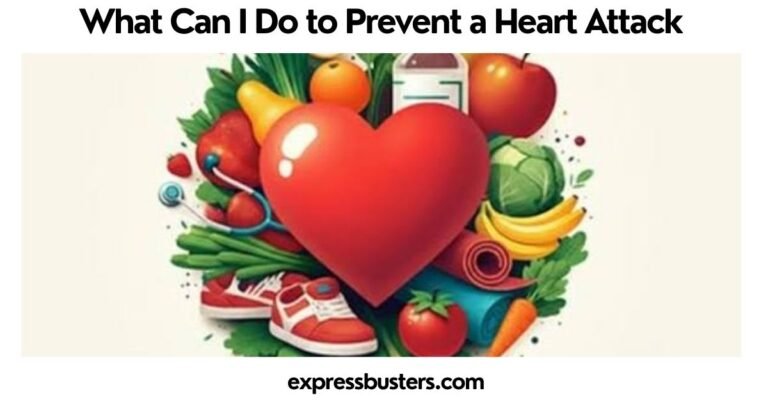
How to Prevent a Heart Attack
Many heart attacks can be prevented through healthy lifestyle choices.
Eat a Healthy Diet
Choose:
- Fruits
- Vegetables
- Whole grains
- Lean proteins
- Healthy fats
Exercise Regularly
Aim for at least 150 minutes of moderate exercise each week.
Stop Smoking
Smoking greatly increases heart attack risk.
Control Blood Pressure
Regular monitoring helps protect the heart.
Manage Cholesterol
Healthy eating and medication can help keep cholesterol levels under control.
Maintain a Healthy Weight
Excess weight increases strain on the heart.
Reduce Stress
Stress management can improve overall heart health.
Conclusion
So, does heart attack pain come and go? Yes, it can. Many people experience chest pain or discomfort that appears, disappears, and then returns. This pattern can make heart attacks difficult to recognize.
Remember that does pain come and go with heart attack, does pain from heart attack come and go, does the pain of a heart attack come and go, heart attack does pain come and go, and does heart attack chest pain come and go are all valid concerns because symptoms vary from person to person.
Never ignore recurring chest discomfort, especially when it is accompanied by shortness of breath, sweating, nausea, or pain spreading to the arm, jaw, neck, or back. Seeking medical attention quickly can make a life-saving difference.
FAQs
Can heart attack pain come and go for several days?
Yes. Some people experience warning symptoms for days before a major heart attack.
Can heart attack pain disappear completely?
Symptoms may temporarily disappear, but the underlying problem may still be present.
Do all heart attacks cause severe chest pain?
No. Some heart attacks cause mild symptoms or even no chest pain at all.
Can women have different heart attack symptoms than men?
Yes. Women often experience fatigue, nausea, shortness of breath, jaw pain, and back pain.
Can anxiety feel like a heart attack?
Yes. Anxiety and panic attacks can cause symptoms similar to a heart attack.
Should I go to the emergency room if chest pain comes and goes?
Yes. Any recurring chest pain should be evaluated by a healthcare professional immediately.
Can young adults have heart attacks?
Yes. Although heart attacks are more common in older adults, younger people can also experience them.
What is the biggest warning sign of a heart attack?
Chest pressure, chest tightness, or chest discomfort that lasts several minutes or keeps returning is one of the most common warning signs.