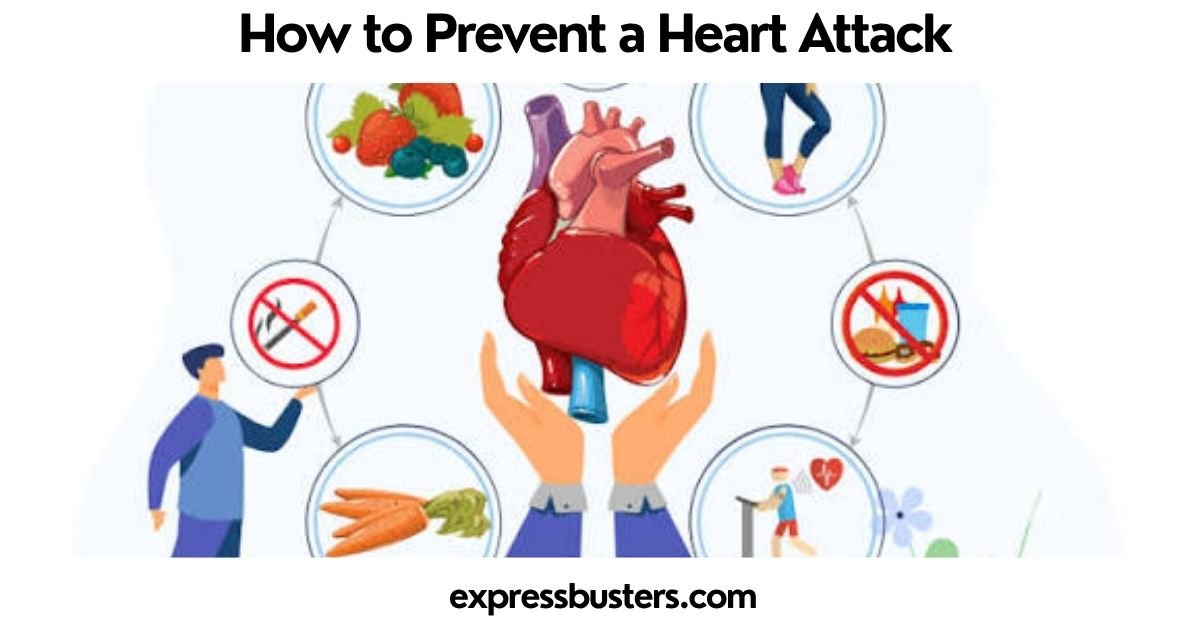
How to Prevent a Heart Attack: The Complete Guide to Protecting Your Heart and Living a Longer Life
Heart disease remains the leading cause of death in the United States, but the good news is that most heart attacks can be prevented. Millions of Americans live with risk factors such as high blood pressure, diabetes, high cholesterol, obesity, smoking, and lack of physical activity. Many people believe a heart attack happens without warning, but in reality, the body often shows signs long before a serious event occurs.
Learning how to prevent a heart attack is one of the most valuable investments you can make for your health. Prevention is not about following one perfect diet or exercising for hours every day. Instead, it is about making consistent, healthy choices that protect your heart over time.
Modern medical research shows that up to 80% of premature heart attacks and strokes are preventable through healthy lifestyle changes and proper medical care. That means your daily habits can greatly influence your future heart health.
This guide explains everything you need to know about how to prevent a heart attack using updated medical knowledge, practical strategies, and expert-backed advice. Whether you want to lower your personal risk or help a loved one stay healthy, this article provides clear and simple information that anyone can understand.
What Is a Heart Attack?
A heart attack, also called a myocardial infarction, happens when blood flow to part of the heart muscle becomes blocked. Without enough oxygen-rich blood, heart muscle cells begin to die.
The most common cause is the buildup of fatty deposits, called plaque, inside the coronary arteries. Over many years, these deposits narrow the arteries. If a plaque suddenly breaks open, a blood clot can form and completely block blood flow.
The longer the blockage remains, the greater the damage to the heart muscle.
A heart attack is different from cardiac arrest. During a heart attack, the heart usually continues beating. During cardiac arrest, the heart suddenly stops pumping blood because of an electrical problem. However, a severe heart attack can sometimes trigger cardiac arrest.
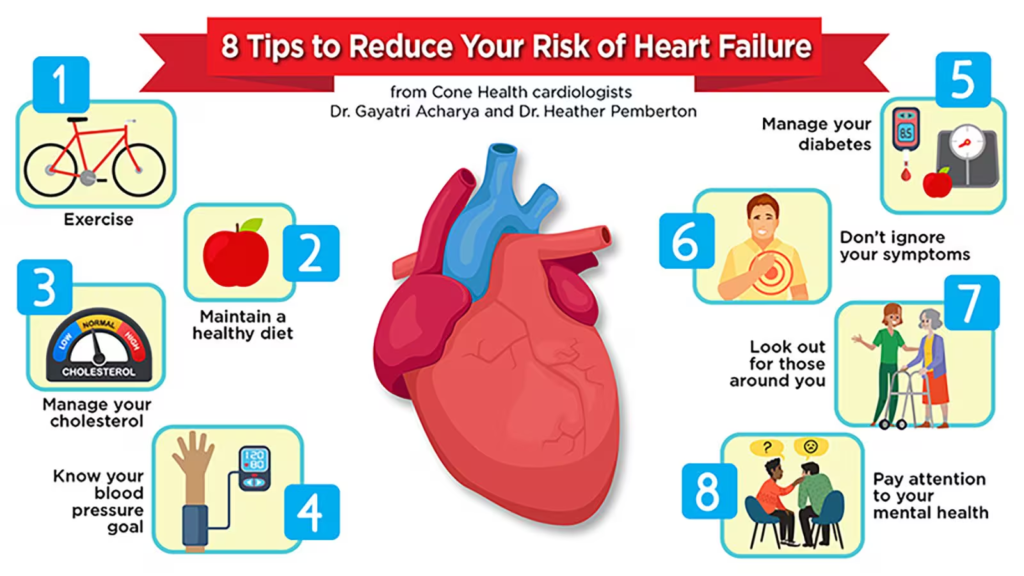
Understanding this difference helps people recognize why prevention is so important.
Why Heart Attack Prevention Matters
Many people only think about heart disease after someone they know experiences a heart attack. Unfortunately, heart disease develops silently for many years before symptoms appear.
Preventing heart disease offers many benefits beyond protecting your heart.
Healthy heart habits can:
- Reduce the risk of stroke
- Lower blood pressure
- Improve cholesterol levels
- Increase energy
- Help maintain a healthy weight
- Reduce diabetes complications
- Improve brain function
- Support healthy aging
- Increase life expectancy
Learning how to prevent heart attacks also means reducing your chances of developing many other chronic diseases.
Who Is Most at Risk of Having a Heart Attack?
Anyone can experience a heart attack, but some people have a higher risk than others.
Risk Factors You Cannot Change
Certain risk factors are beyond your control.
These include:
- Age over 45 for men
- Age over 55 for women
- Family history of early heart disease
- Male sex
- Certain inherited cholesterol disorders
Although these cannot be changed, understanding them allows you to focus even more on the risk factors you can control.
Risk Factors You Can Control
Most heart attack risks come from daily lifestyle habits.
These include:
- Smoking
- High blood pressure
- High LDL cholesterol
- Diabetes
- Obesity
- Physical inactivity
- Poor nutrition
- Excess alcohol
- Chronic stress
- Poor sleep
- Untreated sleep apnea
Improving even one of these areas can significantly lower your heart attack risk.
Understanding How Heart Disease Develops
Heart disease rarely appears overnight.
The process usually begins years or even decades before symptoms develop.
Small injuries occur inside the artery walls because of high blood pressure, smoking, elevated cholesterol, inflammation, or high blood sugar.
The body tries to repair these injuries.
Over time, cholesterol becomes trapped inside the damaged areas, forming plaque.
As plaque grows:
- Arteries become narrower.
- Blood flow decreases.
- The heart works harder.
- Oxygen supply becomes limited.
Eventually, plaque may rupture.
A blood clot forms within minutes.
If the clot completely blocks blood flow, a heart attack occurs.
This explains why prevention should begin early in life instead of waiting for symptoms.
Know the Warning Signs Before a Heart Attack Happens
Many people imagine a heart attack as sudden chest pain that comes without warning.
While this does happen, many people experience warning signs days, weeks, or even months beforehand.
Possible warning signs include:
- Chest pressure
- Chest tightness
- Burning sensation
- Pain that spreads into the arm
- Neck pain
- Jaw pain
- Shoulder discomfort
- Back pain
- Shortness of breath
- Unusual fatigue
- Nausea
- Cold sweat
- Dizziness
Women often experience less obvious symptoms than men.
Some women report:
- Extreme tiredness
- Indigestion
- Upper back pain
- Trouble sleeping
- Mild chest discomfort
- Shortness of breath
Recognizing these symptoms early can save your life.
The Biggest Lifestyle Changes That Prevent Heart Attacks
There is no single miracle solution for preventing heart disease.
Instead, success comes from combining several healthy habits into your daily routine.
Small improvements performed consistently are much more effective than extreme diets or short-term fitness programs.
Maintain Healthy Blood Pressure
High blood pressure is often called the “silent killer.”
Many people feel perfectly healthy even when their blood pressure is dangerously high.
Over time, elevated blood pressure damages artery walls.
This damage allows cholesterol plaque to build more easily.
Keeping blood pressure within a healthy range greatly reduces your risk of heart attack and stroke.
Also Read: How to Prevent a Heart Attack and Stroke: The Complete Guide to Protecting Your Heart and Brain
Simple ways to improve blood pressure include:
- Reduce sodium intake
- Eat more fruits
- Eat more vegetables
- Exercise regularly
- Lose excess weight
- Limit alcohol
- Stop smoking
- Manage stress
- Take prescribed medications consistently
Checking your blood pressure regularly allows problems to be detected before complications develop.
Keep Cholesterol Under Control
Cholesterol often receives negative attention, but your body actually needs cholesterol to produce hormones and build healthy cells.
Problems occur when LDL cholesterol becomes too high.
LDL cholesterol contributes to plaque buildup inside arteries.
HDL cholesterol helps remove excess cholesterol from the bloodstream.
The goal is not simply lowering cholesterol but improving the balance between LDL and HDL.
Healthy cholesterol habits include:
- Eating more soluble fiber
- Choosing healthy fats
- Limiting processed foods
- Avoiding trans fats
- Exercising regularly
- Maintaining a healthy weight
Some people also benefit from cholesterol-lowering medications prescribed by their healthcare provider.
Control Blood Sugar Before It Damages Your Heart
Diabetes significantly increases heart attack risk.
High blood sugar damages blood vessels over time.
It also increases inflammation and accelerates plaque formation.
Even people with prediabetes should take action early.
Healthy blood sugar control includes:
- Limiting sugary drinks
- Eating balanced meals
- Increasing physical activity
- Maintaining healthy body weight
- Following medical advice
- Monitoring glucose when recommended
Protecting your blood sugar protects your heart.
Maintain a Healthy Weight Without Following Fad Diets
Many people think preventing heart disease requires becoming extremely thin.
That is not true.
The goal is maintaining a healthy body composition that reduces stress on the heart.
Even losing 5% to 10% of body weight can produce meaningful improvements in:
- Blood pressure
- Blood sugar
- Cholesterol
- Inflammation
- Heart function
Rather than following restrictive diets, focus on sustainable eating habits you can maintain for years.
Slow, steady progress almost always leads to better long-term results.
Stop Smoking as Soon as Possible
Smoking remains one of the strongest risk factors for heart disease.
Every cigarette exposes your cardiovascular system to harmful chemicals that:
- Damage artery walls
- Raise blood pressure
- Reduce oxygen in the blood
- Increase blood clotting
- Lower good cholesterol
- Increase inflammation
The encouraging news is that the body begins healing quickly after quitting.
Within months, circulation improves.
Within years, heart attack risk drops significantly.
Even longtime smokers experience major health improvements after quitting.
If quitting feels difficult, remember that many people succeed with counseling, nicotine replacement therapy, prescription medications, or structured support programs.
Exercise Is One of the Most Powerful Medicines for Your Heart
Physical activity strengthens nearly every part of the cardiovascular system.
Exercise helps:
- Lower blood pressure
- Improve cholesterol
- Reduce body fat
- Increase insulin sensitivity
- Improve circulation
- Reduce inflammation
- Strengthen the heart muscle
You do not need expensive gym memberships or intense workouts.
Walking is one of the most effective forms of exercise for heart health.
Most adults benefit from at least 150 minutes of moderate exercise each week.
This can include:
- Walking
- Swimming
- Cycling
- Dancing
- Gardening
- Hiking
- Light jogging
Strength training at least twice each week also supports cardiovascular health by improving metabolism and maintaining muscle mass.
One of the biggest mistakes people make is believing they must exercise perfectly or not at all. In reality, consistency matters far more than intensity. A daily 30-minute walk performed year after year provides greater protection than occasional extreme workouts followed by long periods of inactivity.
Healthy Habits Work Better Together
One important lesson from modern heart research is that healthy habits work together rather than independently.
For example, someone who exercises regularly often sleeps better. Better sleep helps regulate blood pressure and blood sugar. Lower blood pressure reduces stress on the arteries, while better blood sugar control slows plaque buildup. These positive effects reinforce one another over time.
Likewise, eating healthier foods often leads to gradual weight loss, which can improve cholesterol, lower inflammation, and reduce the workload on the heart. Instead of focusing on one change at a time, think about building an overall heart-healthy lifestyle.
This approach makes it much easier to understand how to prevent a heart attack over the long term rather than looking for quick fixes.
Can You Prevent a Widowmaker Heart Attack?
One question many people ask is how to prevent a widowmaker heart attack.
A widowmaker heart attack occurs when there is a severe blockage in the left anterior descending (LAD) coronary artery. Because this artery supplies a large portion of the heart muscle, a complete blockage can become life-threatening very quickly.
The same prevention strategies discussed throughout this guide are also the best ways to reduce the risk of this serious condition.
People wondering how to prevent a widowmaker heart attack should focus on controlling blood pressure, improving cholesterol levels, avoiding smoking, staying physically active, maintaining a healthy weight, managing diabetes, and following medical advice if they already have heart disease.
Although no prevention plan can completely eliminate risk, reducing plaque buildup and improving artery health greatly lowers the chances of developing a major coronary blockage.
Heart-Healthy Nutrition: Your First Line of Defense
One of the best answers to the question “how to prevent a heart attack” is improving your daily diet. Every meal either supports your heart or increases your risk over time. The good news is that healthy eating does not have to be complicated or expensive.
Instead of following strict diets, focus on eating whole, nutrient-rich foods most of the time.
Choose foods like:
- Fresh vegetables
- Fresh fruits
- Whole grains
- Beans and lentils
- Nuts and seeds
- Fish
- Skinless poultry
- Low-fat dairy products
- Healthy oils such as olive oil and avocado oil
These foods provide vitamins, minerals, antioxidants, fiber, and healthy fats that protect your heart and blood vessels.
Eat More Fiber
Fiber helps lower LDL (bad) cholesterol and keeps blood sugar levels more stable. It also helps you feel full, making it easier to maintain a healthy weight.
Excellent sources of fiber include:
- Oatmeal
- Apples
- Berries
- Pears
- Beans
- Lentils
- Brown rice
- Whole wheat bread
- Broccoli
- Sweet potatoes
Most adults should aim for at least 25 to 30 grams of fiber each day.
Also Read: Do Statins Prevent Heart Attacks? The Complete Evidence-Based Guide
Choose Healthy Fats
Not all fats are harmful. Healthy fats can actually improve heart health when eaten in moderation.
Good sources include:
- Salmon
- Tuna
- Sardines
- Walnuts
- Almonds
- Chia seeds
- Flaxseeds
- Olive oil
- Avocados
Limit foods high in saturated fat, such as fatty cuts of meat, butter, and full-fat dairy products. Avoid trans fats whenever possible because they increase bad cholesterol and lower good cholesterol.
Reduce Added Sugar
Too much sugar can contribute to obesity, diabetes, and high triglyceride levels.
Common sources of added sugar include:
- Soda
- Candy
- Cakes
- Cookies
- Sweet breakfast cereals
- Energy drinks
- Sweetened coffee drinks
Replacing sugary drinks with water or unsweetened tea is one of the easiest ways to improve your heart health.
Watch Your Sodium Intake
Eating too much sodium raises blood pressure, especially in people who are sensitive to salt.
Many packaged and restaurant foods contain much more sodium than people realize.
Simple ways to reduce sodium include:
- Cooking more meals at home
- Reading food labels
- Choosing low-sodium products
- Using herbs and spices instead of salt
- Limiting processed meats
Small changes can make a noticeable difference over time.
Stay Physically Active Every Week
Exercise is one of the most effective ways to prevent heart disease.
Regular movement strengthens your heart so it pumps blood more efficiently. It also improves circulation, lowers blood pressure, increases good cholesterol, reduces stress, and helps control weight.
If you have been inactive for a long time, begin slowly.
Good activities include:
- Brisk walking
- Swimming
- Cycling
- Dancing
- Water aerobics
- Tennis
- Hiking
- Light strength training
Even short periods of movement throughout the day are beneficial.
Walking after meals can improve blood sugar and support digestion while also helping your heart.
Manage Stress Before It Hurts Your Heart
Stress affects more than your emotions.
Long-term stress can increase blood pressure, raise stress hormone levels, contribute to unhealthy eating, disturb sleep, and encourage smoking or excessive alcohol use.
Learning healthy ways to manage stress is an important part of preventing heart disease.
Helpful stress-management techniques include:
- Deep breathing
- Daily walks
- Meditation
- Prayer
- Reading
- Gardening
- Spending time outdoors
- Talking with family or friends
- Listening to calming music
You cannot eliminate stress completely, but you can improve how your body responds to it.
Sleep Is More Important Than Many People Realize
Many adults sacrifice sleep because of work, family responsibilities, or screen time.
Poor sleep affects nearly every aspect of heart health.
Regularly sleeping less than seven hours each night has been linked to:
- High blood pressure
- Weight gain
- Diabetes
- Increased inflammation
- Heart disease
Aim for seven to nine hours of quality sleep each night.
To improve sleep:
- Go to bed at the same time each night.
- Limit caffeine late in the day.
- Reduce screen time before bed.
- Keep your bedroom cool and quiet.
- Follow a relaxing bedtime routine.
If you snore loudly or often wake up gasping for air, talk with your healthcare provider about sleep apnea. Treating sleep apnea can significantly reduce cardiovascular risk.
Limit Alcohol
Drinking too much alcohol can raise blood pressure and triglyceride levels while increasing the risk of obesity and irregular heart rhythms.
If you choose to drink alcohol, do so in moderation.
Some people should avoid alcohol completely, especially those with certain medical conditions or who take medications that interact with alcohol.
If you do not drink alcohol now, there is no medical reason to start for heart health.
Keep Up With Regular Health Screenings
Many heart disease risk factors develop without symptoms.
Routine medical checkups help detect problems early.
Your healthcare provider may recommend checking:
- Blood pressure
- Cholesterol
- Blood sugar
- Weight
- Body mass index
- Kidney function
- Heart rhythm
People with a family history of heart disease may need earlier or more frequent screenings.
Early detection often prevents serious complications later.
Take Medications as Prescribed
Lifestyle improvements are the foundation of heart attack prevention, but medications also play an important role for many people.
Depending on your health, your healthcare provider may prescribe medicines to control:
- High blood pressure
- High cholesterol
- Diabetes
- Blood clotting
- Heart rhythm disorders
Do not stop taking prescribed medications without discussing it with your healthcare provider, even if you feel well.
Many heart medications work by preventing future problems rather than relieving symptoms.
How to Prevent a Stroke or Heart Attack
Many people search for information about how to prevent a stroke or heart attack because these conditions share many of the same risk factors.
Fortunately, the same healthy habits protect both your heart and your brain.
These include:
- Controlling blood pressure
- Lowering LDL cholesterol
- Staying physically active
- Eating a balanced diet
- Managing diabetes
- Maintaining a healthy weight
- Avoiding smoking
- Limiting alcohol
- Getting enough sleep
- Managing stress
By following these habits consistently, you reduce your risk of both conditions at the same time.
How to Prevent Getting a Heart Attack
Many people ask how to prevent getting a heart attack before they experience any symptoms.
The answer is to start prevention as early as possible.
Do not wait until your cholesterol is high or your blood pressure increases.
Healthy habits formed in your twenties, thirties, and forties often provide decades of protection later in life.
Every positive choice you make today helps protect your future heart.
How to Prevent Having a Heart Attack After Heart Disease Is Diagnosed
If you already have heart disease, prevention becomes even more important.
People with previous heart attacks or blocked arteries have a higher risk of another event.
Your treatment plan may include:
- Heart-healthy eating
- Daily exercise approved by your healthcare provider
- Medication adherence
- Cardiac rehabilitation
- Stress reduction
- Smoking cessation
- Weight management
- Regular follow-up appointments
Many people live long, active lives after heart disease by consistently following these recommendations.
Know the Emergency Symptoms
Even with excellent prevention, emergencies can still happen.
Call emergency services immediately if you experience:
- Chest pain lasting several minutes
- Chest pressure
- Pain spreading into the arm
- Jaw pain
- Back pain
- Shortness of breath
- Cold sweating
- Sudden nausea
- Fainting
Do not drive yourself to the hospital unless no other option is available.
Quick treatment saves heart muscle and improves survival.
Common Myths About Heart Attack Prevention
Many myths continue to confuse people.
Myth 1: Heart attacks only happen to older adults.
Heart attacks can occur in younger adults, especially those with diabetes, smoking habits, obesity, or inherited cholesterol disorders.
Myth 2: Women do not get heart attacks.
Heart disease is one of the leading causes of death among women.
Myth 3: If you exercise, you can eat anything.
Exercise cannot completely cancel the effects of an unhealthy diet.
Myth 4: Heart disease runs in my family, so I cannot prevent it.
Family history increases risk, but healthy habits can greatly reduce that risk.
Myth 5: I feel healthy, so my heart must be healthy.
High blood pressure and high cholesterol often cause no symptoms for years.
Expert Tips for Lifelong Heart Health
Protecting your heart is not about being perfect. It is about making better choices consistently.
Think of prevention as a lifelong investment rather than a short-term project.
Some of the most successful people focus on small habits they can maintain every day, such as walking after dinner, preparing healthy lunches, drinking more water, or scheduling yearly health checkups.
Over time, these simple actions produce remarkable results.
Conclusion
Learning how to prevent a heart attack is one of the most important steps you can take for your long-term health.
Although some risk factors cannot be changed, most heart attacks are linked to lifestyle choices that are within your control.
Eating nutritious foods, staying active, avoiding tobacco, managing stress, sleeping well, controlling blood pressure, monitoring cholesterol, and following medical advice all work together to protect your heart.
Remember that prevention is a journey, not a destination.
Every healthy meal, every walk, every good night’s sleep, and every medical checkup moves you closer to a stronger heart and a healthier future.
The best time to begin protecting your heart is today.
Frequently Asked Questions (FAQs)
Can drinking more water help prevent a heart attack?
Staying hydrated supports healthy circulation and overall cardiovascular function, but drinking water alone cannot prevent a heart attack. It should be combined with other healthy lifestyle habits.
Can emotional stress alone trigger a heart attack?
In some cases, severe emotional stress can contribute to a heart attack, especially in people who already have heart disease. Managing stress is an important part of overall heart health.
Does walking every day reduce heart attack risk?
Yes. Daily walking improves blood pressure, circulation, cholesterol levels, blood sugar control, and weight management, making it one of the simplest ways to help prevent heart attacks.
Can young adults have heart attacks?
Yes. Although heart attacks are more common in older adults, younger people can also experience them, especially if they smoke, have diabetes, obesity, high cholesterol, or a strong family history.
Can dehydration increase heart risks?
Severe dehydration may place additional strain on the heart, particularly in older adults or those with existing heart conditions. Drinking enough fluids supports normal cardiovascular function.
Should I take aspirin every day to prevent a heart attack?
Not everyone benefits from daily aspirin therapy. For some people, the risk of bleeding outweighs the benefits. Always consult your healthcare provider before starting daily aspirin.
Can regular dental care support heart health?
Good oral hygiene may help reduce chronic inflammation associated with gum disease. While brushing and dental care alone do not prevent heart attacks, maintaining oral health is an important part of overall wellness.
How often should I have my cholesterol checked?
Most adults should have their cholesterol checked regularly based on their age, medical history, and risk factors. Your healthcare provider can recommend the best schedule for you.
What is the single most important habit for heart health?
There is no single habit that guarantees protection. The greatest benefit comes from combining healthy eating, regular exercise, avoiding tobacco, controlling blood pressure, managing cholesterol, maintaining a healthy weight, and getting routine medical care.
Is it ever too late to improve heart health?
No. People of all ages can benefit from healthier lifestyle choices. Even small improvements made later in life can lower the risk of future heart attacks, improve quality of life, and increase longevity.