How Can You Prevent a Heart Attack? The Complete Guide to Protecting Your Heart Naturally
Heart disease remains one of the leading causes of death in the United States, but the good news is that many heart attacks can be prevented. Medical research continues to show that healthy lifestyle choices, regular medical care, and early action on risk factors can dramatically reduce the chances of developing serious heart problems.
If you have ever wondered, how can you prevent a heart attack, the answer is encouraging. Prevention is not about making one big change overnight. Instead, it is about building healthy habits every day that protect your heart for years to come.
Many people believe heart attacks only happen to older adults or people with severe health problems. In reality, heart attacks can affect adults of different ages, especially when risk factors such as smoking, obesity, high blood pressure, diabetes, or high cholesterol are ignored.
The purpose of this guide is to explain everything you need to know in simple language. Instead of repeating common advice, this article provides practical strategies, medical insights, and easy-to-follow recommendations that can help you lower your risk and live a healthier life.
By the end of this guide, you will understand:
- Why heart attacks happen
- Who is at risk
- The warning signs you should never ignore
- How can you prevent a heart attack from happening
- Daily habits that strengthen your heart
- Foods that support long-term cardiovascular health
- Why exercise is one of the most powerful medicines available
Whether you already have heart disease, have a family history of heart problems, or simply want to stay healthy as you age, this guide can help you make informed decisions for a healthier future.
What Is a Heart Attack?
A heart attack, also called a myocardial infarction, happens when blood flow to part of the heart muscle becomes blocked. Without enough oxygen-rich blood, the affected heart muscle begins to suffer damage.
Most heart attacks occur because fatty deposits, called plaque, build up inside the arteries over many years. This condition is known as atherosclerosis.
When plaque suddenly breaks open, a blood clot may form and completely block the artery. Without immediate treatment, part of the heart muscle can die.
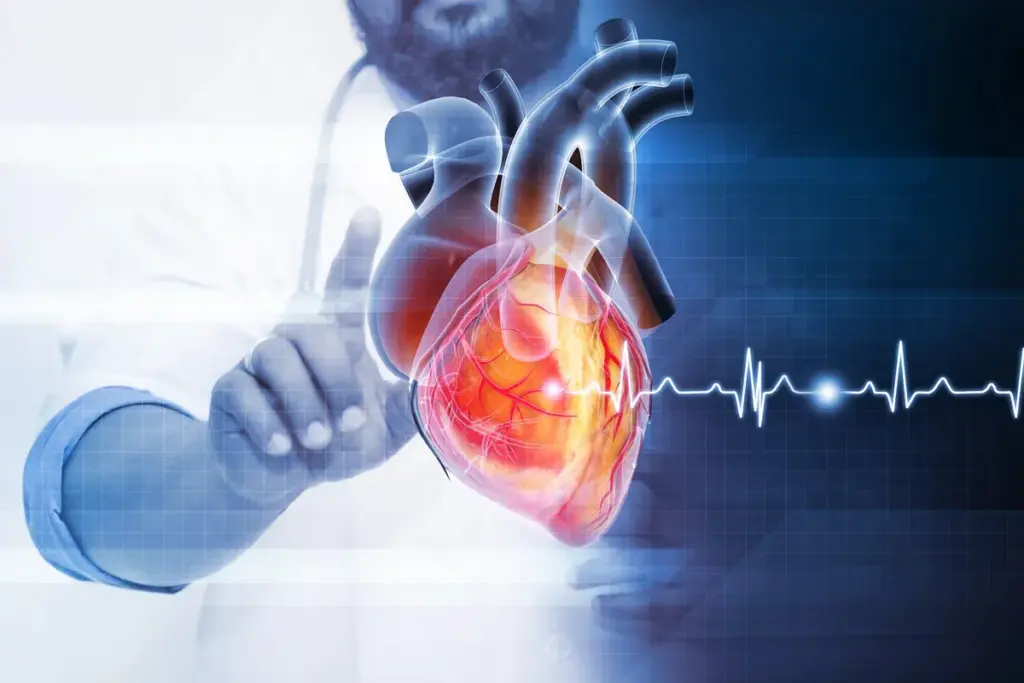
Heart attacks are medical emergencies. Fast treatment can save heart muscle and significantly improve recovery.
Why Do Heart Attacks Happen?
Understanding the causes makes prevention much easier.
Your heart works every second of your life and needs a continuous supply of oxygen-rich blood. Coronary arteries deliver that blood.
Over time, unhealthy habits can slowly damage these arteries.
Common causes include:
- High cholesterol
- High blood pressure
- Smoking
- Diabetes
- Obesity
- Physical inactivity
- Chronic inflammation
- Poor nutrition
- Excessive stress
- Family history of heart disease
Most heart attacks develop over many years rather than occurring suddenly without warning.
This means you often have plenty of opportunities to reduce your risk.
Heart Attack Statistics Everyone Should Know
Heart disease affects millions of Americans every year.
Important facts include:
- Heart disease remains the leading cause of death in the United States.
- Hundreds of thousands of Americans experience heart attacks each year.
- Many first heart attacks occur in people who never realized they had heart disease.
- A significant number of heart attacks are preventable through lifestyle improvements and proper medical care.
One important lesson from these statistics is that prevention works.
Many of today’s heart attacks are linked to preventable risk factors rather than unavoidable aging.
Who Has the Highest Risk?
Although anyone can experience a heart attack, certain people face greater risks.
Age
Risk increases as people grow older.
Men generally develop heart disease earlier than women, although women’s risk rises after menopause.
Family History
If your parents or siblings developed heart disease early in life, your own risk may be higher.
Genetics cannot be changed, but lifestyle can.
Smoking
Smoking damages artery walls, raises blood pressure, increases clot formation, and reduces oxygen in the blood.
Even occasional smoking increases cardiovascular risk.
High Blood Pressure
High blood pressure quietly damages blood vessels for years.
It often causes no symptoms, making regular checkups extremely important.
Also Read: How Can I Prevent a Stroke or Heart Attack? The Complete Guide to Protecting Your Heart and Brain
High Cholesterol
Too much LDL (“bad”) cholesterol encourages plaque buildup inside arteries.
Healthy HDL cholesterol helps remove excess cholesterol from the bloodstream.
Diabetes
High blood sugar damages blood vessels throughout the body.
People with diabetes have a much greater chance of developing heart disease.
Obesity
Extra body weight forces the heart to work harder.
Obesity also increases the risk of:
- Diabetes
- High blood pressure
- High cholesterol
- Sleep apnea
- Chronic inflammation
Lack of Physical Activity
Inactive lifestyles weaken the cardiovascular system.
Regular movement improves circulation and strengthens the heart muscle.
Warning Signs You Should Never Ignore
Not every heart attack begins with dramatic chest pain.
Some symptoms are subtle.
Common warning signs include:
- Chest pressure
- Chest tightness
- Pain spreading into the shoulder
- Arm pain
- Jaw pain
- Neck discomfort
- Back pain
- Shortness of breath
- Cold sweat
- Sudden nausea
- Unusual fatigue
- Lightheadedness
Women may experience different symptoms than men.
Many women report:
- Extreme fatigue
- Indigestion
- Nausea
- Back pain
- Jaw pain
- Mild chest discomfort
Ignoring these symptoms can delay lifesaving treatment.
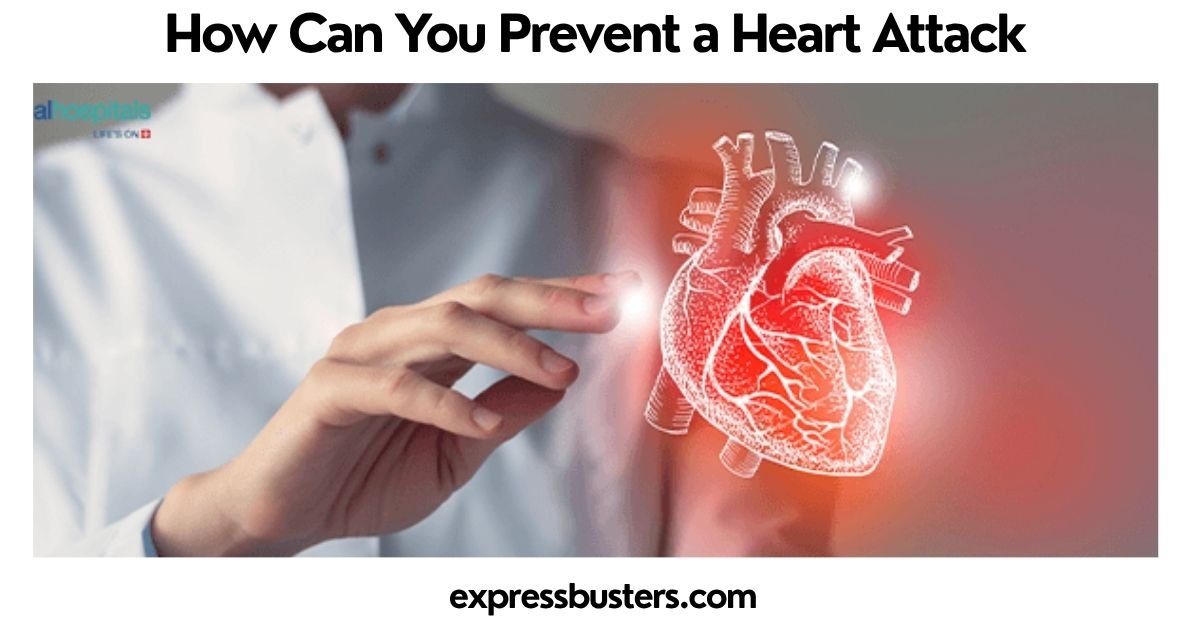
How Can You Prevent a Heart Attack?
The most important question is simple:
How can you prevent a heart attack?
There is no single pill or miracle solution.
Instead, prevention comes from combining several healthy habits that work together over many years.
Think of heart health like building a strong house. Each healthy choice becomes another brick that strengthens the foundation.
The most effective prevention strategies include:
- Eating nutritious foods
- Staying physically active
- Maintaining a healthy weight
- Controlling blood pressure
- Managing cholesterol
- Preventing diabetes
- Avoiding tobacco
- Limiting alcohol
- Managing stress
- Getting enough sleep
- Seeing your doctor regularly
None of these habits alone provides complete protection, but together they can dramatically lower your risk.
Eat a Heart-Healthy Diet Every Day
Food affects every blood vessel in your body.
Every meal either helps or harms your heart.
Instead of following restrictive fad diets, focus on consistent healthy eating.
A heart-friendly eating pattern includes:
Vegetables
Aim for colorful vegetables every day.
Excellent choices include:
- Spinach
- Broccoli
- Carrots
- Bell peppers
- Kale
- Tomatoes
- Green beans
These foods provide fiber, vitamins, antioxidants, and minerals that support healthy blood vessels.
Fruits
Fresh fruit naturally contains vitamins, potassium, antioxidants, and fiber.
Choose:
- Apples
- Oranges
- Berries
- Grapes
- Pears
- Bananas
Whole fruits are generally healthier than fruit juice because they contain more fiber.
Whole Grains
Whole grains help stabilize blood sugar and improve cholesterol levels.
Good options include:
- Oatmeal
- Brown rice
- Whole wheat bread
- Quinoa
- Barley
Lean Protein
Healthy protein supports muscle while limiting unhealthy saturated fat.
Choose:
- Fish
- Skinless chicken
- Turkey
- Beans
- Lentils
- Tofu
Fatty fish like salmon provide omega-3 fats that support heart health.
Healthy Fats
Not all fats are harmful.
Healthy fats include:
- Olive oil
- Avocados
- Nuts
- Seeds
These fats may improve cholesterol balance when eaten in moderation.
Foods to Limit
Protecting your heart also means reducing foods that contribute to artery damage.
Limit:
- Sugary drinks
- Processed snacks
- Fast food
- Fried foods
- Processed meats
- Excess salt
- Pastries
- Candy
- High-fat desserts
You do not need to eliminate every treat forever.
Instead, focus on making healthy foods your everyday choice.
The Power of Portion Control
Healthy foods can still contribute to weight gain when portions become too large.
Simple portion tips include:
- Use smaller plates.
- Eat slowly.
- Stop eating before feeling overly full.
- Read nutrition labels.
- Avoid eating directly from large packages.
Mindful eating helps prevent unnecessary calories while making meals more satisfying.
Exercise Is One of the Best Medicines
If doctors could package exercise into a pill, it would likely become one of the world’s most prescribed medications.
Regular physical activity benefits nearly every part of the cardiovascular system.
Exercise can:
- Lower blood pressure
- Improve cholesterol
- Reduce stress
- Burn calories
- Strengthen the heart muscle
- Improve circulation
- Lower blood sugar
- Increase energy
- Improve sleep
Adults should aim for regular moderate exercise throughout the week.
Good activities include:
- Walking
- Cycling
- Swimming
- Dancing
- Jogging
- Hiking
- Tennis
The best exercise is one you enjoy enough to continue.
Walking: The Simplest Heart Exercise
Walking deserves special attention because almost everyone can do it.
Daily walking:
- Improves circulation
- Helps control weight
- Reduces blood pressure
- Lowers stress hormones
- Supports healthy cholesterol
Even short walks after meals can improve blood sugar control.
Consistency matters more than speed.
Strength Training Supports Heart Health
Many people think only aerobic exercise helps the heart.
Strength training also provides important benefits.
It can:
- Improve insulin sensitivity
- Increase muscle mass
- Support healthy metabolism
- Help maintain bone strength
- Improve body composition
A balanced routine combines aerobic exercise with muscle-strengthening activities each week.
Maintain a Healthy Weight
Body weight influences almost every heart disease risk factor.
Being overweight increases the likelihood of:
- High blood pressure
- Diabetes
- High cholesterol
- Sleep apnea
- Chronic inflammation
The goal is not simply becoming thinner.
The goal is becoming healthier.
Even modest weight loss can improve blood pressure, cholesterol, and blood sugar levels.
Instead of chasing quick results, focus on habits you can maintain for life.
Small Daily Changes Produce Big Results
Many people believe they must completely change their lifestyle overnight.
That approach often fails.
Long-term success comes from small improvements that become permanent habits.
Examples include:
- Walking after dinner.
- Drinking water instead of soda.
- Cooking one extra healthy meal each week.
- Choosing fruit instead of dessert.
- Taking the stairs when possible.
- Packing a healthy lunch.
- Sleeping on a regular schedule.
Each small choice may seem minor, but together they create powerful protection against heart disease.
More importantly, these habits answer one of the most important health questions people ask: how can you prevent having a heart attack? The answer is by making consistent, sustainable choices that support your heart every single day rather than relying on short-term fixes.
At the same time, if your goal is understanding how can you prevent a heart attack from happening, remember that prevention is a lifelong commitment. Every healthy meal, every walk, every medical checkup, and every positive lifestyle decision reduces your overall risk.
Control Your Blood Pressure Before It Causes Damage
High blood pressure is often called the “silent killer” because it usually has no noticeable symptoms. Many people feel perfectly healthy even while their blood pressure is damaging their arteries and increasing their risk of heart disease.
When blood pressure stays high for months or years, it forces the heart to work harder than normal. Over time, this extra workload can weaken the heart and damage blood vessels throughout the body.
One of the smartest answers to the question, how can you prevent a heart attack, is to know your blood pressure and keep it within a healthy range.
You can help control your blood pressure by:
- Eating less sodium (salt)
- Choosing fresh foods instead of processed meals
- Exercising regularly
- Maintaining a healthy weight
- Managing stress
- Limiting alcohol intake
- Avoiding tobacco products
- Taking prescribed medications exactly as directed
Checking your blood pressure at home or during routine medical visits allows you and your healthcare provider to identify problems before they become serious.
Manage Your Cholesterol Levels
Cholesterol is a waxy substance that your body needs in small amounts. However, too much LDL cholesterol can build up inside your arteries and reduce blood flow to the heart.
Think of your arteries like water pipes. Over time, plaque can narrow these pipes, making it harder for blood to reach the heart muscle.
Healthy cholesterol management includes:
- Eating more fiber-rich foods
- Choosing healthy fats such as olive oil and nuts
- Limiting foods high in saturated and trans fats
- Exercising regularly
- Losing excess weight if needed
- Taking cholesterol-lowering medication if prescribed
Many people have high cholesterol without realizing it because it usually causes no symptoms. Regular blood tests are the only reliable way to monitor your cholesterol levels.
Prevent and Manage Diabetes
Diabetes significantly increases the risk of heart attack because high blood sugar damages blood vessels over time.
If you have diabetes, controlling your blood sugar is one of the best ways to protect your heart.
Healthy habits include:
- Eating balanced meals
- Limiting sugary drinks
- Staying physically active
- Taking medications as prescribed
- Monitoring blood sugar regularly
- Attending regular medical appointments
Even people without diabetes should pay attention to their blood sugar levels, especially if they have risk factors such as obesity or a family history of diabetes.
Stop Smoking and Avoid Tobacco
Smoking is one of the most preventable causes of heart disease.
Every cigarette exposes your heart and blood vessels to harmful chemicals that:
- Damage artery walls
- Increase blood pressure
- Lower oxygen levels
- Raise the risk of blood clots
- Speed up plaque buildup
The benefits of quitting begin almost immediately.
Within weeks and months, circulation improves, blood pressure may decrease, and the heart begins to recover from the harmful effects of tobacco.
If quitting feels difficult, remember that many people succeed with the help of healthcare professionals, counseling, support groups, nicotine replacement therapy, or prescription medications.
Limit Alcohol Consumption
Small amounts of alcohol may fit into some people’s lifestyles, but excessive drinking increases the risk of:
- High blood pressure
- Weight gain
- Irregular heart rhythms
- Heart muscle damage
- Stroke
If you drink alcohol, do so in moderation and follow your healthcare provider’s advice.
For many people, reducing or avoiding alcohol entirely is a positive step toward better heart health.
Manage Stress in Healthy Ways
Stress is a normal part of life, but long-term stress can negatively affect your heart.
When stress becomes chronic, the body releases hormones that can increase blood pressure, heart rate, and inflammation.
People under constant stress may also be more likely to:
- Overeat
- Smoke
- Drink excessive alcohol
- Skip exercise
- Sleep poorly
Healthy stress management techniques include:
- Deep breathing
- Walking outdoors
- Spending time with family and friends
- Meditation
- Prayer or spiritual practices
- Reading
- Gardening
- Listening to music
- Journaling
Managing stress does not mean eliminating every challenge. It means developing healthy ways to respond to life’s pressures.
Prioritize Good Sleep
Sleep is often overlooked, but it is essential for heart health.
Adults generally need seven to nine hours of quality sleep each night.
Poor sleep has been linked to:
- High blood pressure
- Obesity
- Diabetes
- Depression
- Increased inflammation
- Higher risk of heart disease
To improve sleep:
- Go to bed at the same time each night.
- Limit screen time before bed.
- Keep your bedroom cool and quiet.
- Avoid large meals late in the evening.
- Reduce caffeine later in the day.
If you snore loudly or frequently wake up feeling tired, talk with your healthcare provider. Conditions such as sleep apnea can increase the risk of heart attack if left untreated.
Reduce Sitting Time
Modern lifestyles often involve long hours of sitting at work, in the car, or while watching television.
Even if you exercise regularly, sitting for long periods may still affect your heart health.
Try to:
- Stand up every hour.
- Stretch throughout the day.
- Walk during phone calls.
- Use the stairs whenever possible.
- Take short walking breaks after meals.
Small movements throughout the day improve circulation and reduce the effects of prolonged sitting.
Know Your Family History
You cannot change your genetics, but you can use that information to make smarter decisions.
Tell your healthcare provider if close family members had:
- Heart attacks
- Stroke
- High blood pressure
- High cholesterol
- Diabetes
Knowing your family history allows your provider to recommend earlier screening and preventive care when appropriate.
Have Regular Preventive Screenings
Preventive healthcare is one of the most effective ways to catch problems early.
Routine checkups may include:
- Blood pressure measurement
- Cholesterol testing
- Blood sugar testing
- Weight and body mass index evaluation
- Heart rhythm assessment
- Discussion of lifestyle habits
Many serious conditions can be treated successfully when detected early.
Take Medications as Prescribed
Some people need medication to reduce their risk of heart attack.
Common medications may include:
- Blood pressure medications
- Cholesterol-lowering drugs
- Diabetes medications
- Blood-thinning medications in certain situations
Never stop taking prescribed medicine without talking to your healthcare provider.
Lifestyle changes remain important, but medications can provide additional protection for people at higher risk.
How Can You Prevent a Stroke or Heart Attack?
Many of the same habits that protect your heart also protect your brain.
If you are wondering how can you prevent a stroke or heart attack, the answer involves controlling the major risk factors that affect blood vessels throughout the body.
Focus on:
- Keeping blood pressure under control
- Managing cholesterol
- Controlling diabetes
- Staying active
- Eating nutritious foods
- Maintaining a healthy weight
- Not smoking
- Limiting alcohol
- Managing stress
- Getting enough sleep
- Following your healthcare provider’s treatment plan
Healthy blood vessels support both the heart and the brain, making these habits valuable for preventing multiple serious conditions.
Heart Attack Prevention at Different Ages
In Your 20s and 30s
This is the ideal time to build healthy habits.
Focus on:
- Staying active
- Eating nutritious foods
- Avoiding smoking
- Maintaining a healthy weight
- Learning your family history
In Your 40s and 50s
Risk factors often become more noticeable during these years.
Pay close attention to:
- Blood pressure
- Cholesterol
- Blood sugar
- Stress management
- Routine medical checkups
Age 60 and Older
Continue healthy habits while working closely with your healthcare provider.
Regular screenings and medication management become increasingly important.
Staying physically active, even with gentle exercises, continues to benefit heart health.
Heart Attack Prevention for Women
Heart disease is not only a men’s health issue.
Women often experience different symptoms and unique risk factors.
Women should pay special attention to:
- Pregnancy-related complications
- High blood pressure
- Diabetes
- Menopause-related changes
- Autoimmune diseases
- Stress
Regular healthcare visits help identify these risks early.
Heart Attack Prevention for Men
Men often develop heart disease earlier than women.
Common risk factors include:
- Smoking
- High cholesterol
- High blood pressure
- Obesity
- Physical inactivity
- Stress
Men should not ignore routine checkups simply because they feel healthy.
Common Myths About Heart Attack Prevention
Myth 1: Heart attacks only happen to older people.
While risk increases with age, younger adults can also experience heart attacks.
Myth 2: If I feel fine, my heart must be healthy.
Many people have high blood pressure or high cholesterol without symptoms.
Myth 3: Exercise alone prevents heart attacks.
Exercise is important, but nutrition, sleep, stress management, and medical care also matter.
Myth 4: Only overweight people develop heart disease.
People of all body sizes can develop heart disease.
Myth 5: Family history means prevention is impossible.
Genetics influence risk, but healthy habits can significantly reduce that risk.
Expert Tips for Long-Term Heart Health
Healthcare professionals consistently recommend focusing on daily habits instead of searching for quick fixes.
Helpful strategies include:
- Prepare healthy meals at home more often.
- Read nutrition labels before buying packaged foods.
- Stay hydrated throughout the day.
- Schedule annual health checkups.
- Keep moving even on busy days.
- Manage stress before it becomes overwhelming.
- Take medications consistently if prescribed.
- Build healthy habits that you can maintain for life.
The key is consistency rather than perfection.
The Bigger Picture of Heart Attack Prevention
Many people ask, how can you prevent a heart attack from happening because they are looking for one simple answer.
Also Read: How to Prevent a Stroke or Heart Attack: The Complete Guide to Protecting Your Heart and Brain
In reality, prevention is the result of many healthy choices working together.
Imagine each healthy habit as adding one layer of protection around your heart.
One healthy meal may not seem life-changing.
One walk may seem small.
One good night’s sleep may not appear important.
However, repeating these actions over months and years creates powerful protection.
Similarly, if you are asking how can you prevent having a heart attack, remember that prevention starts today. Every positive decision you make—whether choosing a healthier lunch, taking a short walk, quitting smoking, or scheduling a medical checkup—helps lower your future risk.
Conclusion
Heart attacks remain a major health concern, but they are not inevitable. Modern research continues to show that many heart attacks can be prevented through healthy daily habits and regular medical care.
If you have been asking how can you prevent a heart attack, the answer is clear: focus on the things you can control. Eat nutritious foods, stay physically active, maintain a healthy weight, manage blood pressure and cholesterol, avoid smoking, sleep well, reduce stress, and work closely with your healthcare provider.
Prevention is not about being perfect. It is about making better choices consistently over time. Even small improvements can lead to meaningful reductions in your risk.
Remember that your heart works for you every minute of every day. Taking care of it today is one of the greatest investments you can make for your future health, your family, and your quality of life.
Frequently Asked Questions
Can drinking more water help prevent a heart attack?
Staying well hydrated supports healthy circulation and overall cardiovascular function. While drinking water alone will not prevent a heart attack, replacing sugary beverages with water is a healthy habit that benefits the heart.
Does cold weather increase the risk of a heart attack?
Yes. Extremely cold temperatures can cause blood vessels to narrow and increase the heart’s workload. People with existing heart disease should dress warmly and avoid strenuous outdoor activity during severe cold.
Can air pollution affect heart health?
Yes. Long-term exposure to polluted air may increase inflammation and place extra stress on the cardiovascular system. Limiting outdoor activity on poor air quality days can help reduce exposure.
Is it safe to exercise if heart disease runs in my family?
In most cases, regular exercise is encouraged. However, if you have a strong family history of heart disease or experience symptoms such as chest pain or dizziness during activity, consult your healthcare provider before beginning a new exercise program.
Can dehydration trigger heart problems?
Severe dehydration may increase strain on the heart by reducing blood volume and making the heart work harder. Drinking enough fluids each day supports normal cardiovascular function.
How often should healthy adults have their cholesterol checked?
The appropriate schedule depends on age, family history, and individual risk factors. Many healthy adults benefit from periodic cholesterol testing during routine preventive healthcare visits, while people at higher risk may need more frequent monitoring.
Can emotional shock increase the risk of a heart attack?
Intense emotional stress can temporarily increase blood pressure and heart rate. While most people recover without problems, severe emotional events may trigger heart issues in susceptible individuals. Developing healthy coping strategies is an important part of long-term heart health.