
Inomyalgia: Causes, Symptoms, Treatment, and Lifestyle Changes for Long-Term Relief
Inomyalgia is a condition that causes ongoing muscle pain, tenderness, fatigue, and discomfort throughout the body. Many people living with inomyalgia struggle with daily activities because the pain can affect movement, sleep, mood, and overall quality of life. Although the condition is not always widely discussed, it can have a major impact on physical and emotional health.
People often describe inomyalgia as a deep aching feeling in the muscles. Some experience stiffness in the morning, while others notice pain after stress, lack of sleep, or physical activity. The condition may affect one part of the body or several muscle groups at the same time.
In recent years, health experts have started paying more attention to the role of lifestyle habits in managing inomyalgia symptoms. Research and patient experiences suggest that regular exercise, healthy sleep habits, stress reduction techniques, and balanced nutrition may help reduce pain and improve daily functioning.
This complete guide explains everything you need to know about inomyalgia in very simple language. You will learn about the causes, symptoms, diagnosis, treatment options, lifestyle changes, prevention strategies, and the latest insights that may help people manage this condition more effectively.
What Is Inomyalgia?
Inomyalgia is a term used to describe chronic muscle pain and discomfort that may involve inflammation, tenderness, fatigue, and muscle sensitivity. The word combines ideas related to muscles and pain. While some people experience mild symptoms, others may deal with severe pain that interferes with work, relationships, and physical activities.
Unlike short-term muscle soreness after exercise, inomyalgia tends to last longer and may return frequently. The pain can appear without a clear injury and may continue for weeks, months, or even years.
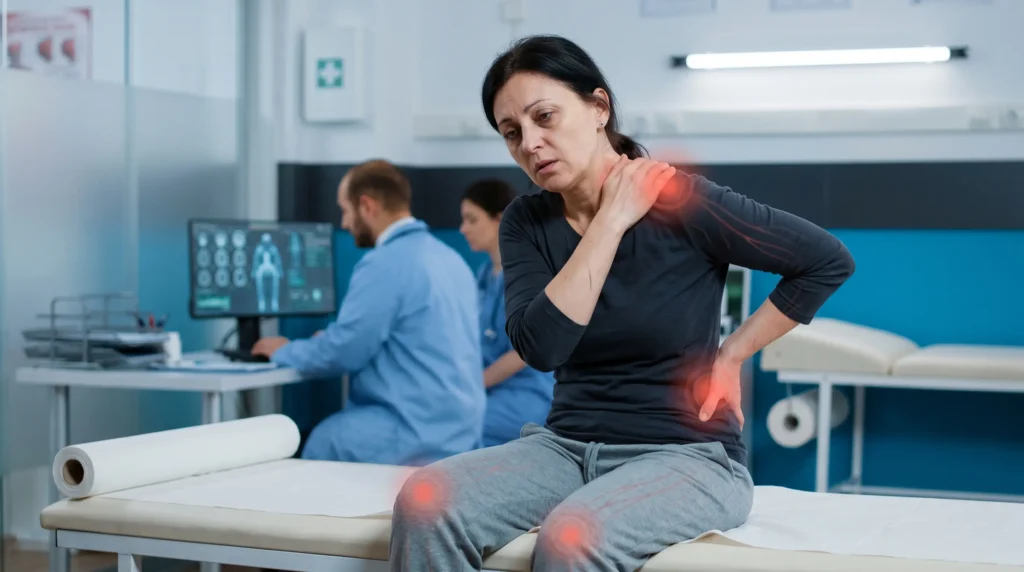
Many healthcare professionals believe that inomyalgia is connected to several factors working together, including:
- Muscle strain
- Stress and anxiety
- Poor sleep
- Inflammation
- Nervous system sensitivity
- Lack of physical activity
- Hormonal changes
- Nutritional deficiencies
Inomyalgia can affect adults of all ages, but it is more commonly reported among middle-aged individuals and people living with high stress levels.
Common Symptoms of Inomyalgia
The symptoms of inomyalgia can vary from person to person. Some individuals may only experience mild muscle discomfort, while others face widespread pain and exhaustion.
Muscle Pain
Persistent muscle pain is the most common symptom of inomyalgia. The pain may feel:
- Aching
- Burning
- Tight
- Sharp
- Throbbing
The discomfort may affect the back, shoulders, neck, legs, arms, or chest muscles.
Muscle Stiffness
Many people with inomyalgia wake up feeling stiff, especially in the morning. The stiffness may improve after gentle movement or stretching.
Fatigue
Extreme tiredness is another major symptom. Even after sleeping, some individuals still feel exhausted during the day.
Also Read: What Does Heart Attack Arm Pain Feel Like? Signs, Symptoms, Causes, and When to Get Help
Tender Points
Certain parts of the body may become highly sensitive to pressure. Touching these areas can cause discomfort or pain.
Sleep Problems
Poor sleep is very common with inomyalgia. People may struggle with:
- Falling asleep
- Staying asleep
- Restless sleep
- Waking up tired
Brain Fog
Some individuals experience memory issues or difficulty concentrating. This is often called brain fog.
Mood Changes
Living with constant pain may increase the risk of:
- Anxiety
- Stress
- Depression
- Irritability
Headaches
Frequent headaches or tension headaches may occur due to muscle tightness and stress.
What Causes Inomyalgia?
There is no single cause of inomyalgia. Experts believe it develops because of multiple physical, emotional, and environmental factors.
Chronic Stress
Stress plays a major role in muscle pain conditions. When the body stays in a constant state of tension, muscles tighten and become painful over time.
People under emotional pressure often notice worsening inomyalgia symptoms.
Lack of Physical Activity
A sedentary lifestyle may weaken muscles and reduce flexibility. Weak muscles become more sensitive to strain and fatigue.
Overuse of Muscles
Repeating the same movements for long periods can stress muscle tissues. This commonly affects office workers, athletes, and people with physically demanding jobs.
Poor Sleep Quality
Sleep is essential for muscle recovery. Lack of quality sleep may increase pain sensitivity and inflammation.
Inflammation
Some cases of inomyalgia may involve low-grade inflammation inside the muscles or surrounding tissues.
Nutritional Deficiencies
Low levels of certain nutrients may contribute to muscle pain, including:
- Vitamin D
- Magnesium
- Potassium
- Vitamin B12
Hormonal Imbalances
Hormonal changes can influence pain perception and muscle health. This may explain why some people notice symptoms during hormonal shifts.
Nervous System Sensitivity
Some researchers believe the nervous system becomes overly sensitive in people with chronic pain conditions like inomyalgia. The brain may interpret normal sensations as painful.
Risk Factors for Inomyalgia
Several factors may increase the likelihood of developing inomyalgia.
High Stress Lifestyle
People with stressful careers or emotional pressure are more likely to experience chronic muscle tension.
Poor Posture
Incorrect posture places pressure on muscles and joints.
Lack of Exercise
Inactive muscles become weaker and less flexible.
Sleep Disorders
Conditions like insomnia may worsen muscle pain.
Obesity
Extra body weight places stress on muscles and connective tissues.
Anxiety and Depression
Mental health conditions often increase physical pain sensitivity.
Previous Injuries
Old muscle injuries may trigger chronic pain patterns.
How Inomyalgia Is Diagnosed
There is no single laboratory test that confirms inomyalgia. Doctors usually diagnose the condition through:
- Medical history
- Physical examination
- Symptom review
- Muscle tenderness assessment
Healthcare providers may also perform tests to rule out other conditions such as:
- Arthritis
- Fibromyalgia
- Thyroid disorders
- Autoimmune diseases
- Vitamin deficiencies
A correct diagnosis is important because muscle pain can sometimes signal another health issue.
The Connection Between Stress and Inomyalgia
Stress is one of the strongest triggers linked to inomyalgia symptoms.
When the body experiences stress, it releases hormones like cortisol and adrenaline. These hormones prepare the body for emergency situations. However, chronic stress keeps muscles tense for long periods.
ALso Read: How Many Beats Per Minute Is a Heart Attack? Signs, Heart Rate, Causes, and When to Get Help
This constant muscle tension may lead to:
- Pain
- Tightness
- Fatigue
- Poor circulation
- Sleep disruption
Many people notice that their symptoms worsen during stressful life events. This connection highlights the importance of stress management in long-term recovery.
Lifestyle Changes That Can Improve Inomyalgia
One of the most effective ways to manage inomyalgia involves healthy lifestyle habits. Medical treatments alone may not fully control symptoms without supportive daily routines.
Regular Exercise
Exercise is one of the best natural treatments for inomyalgia.
Although movement may feel difficult at first, gentle physical activity helps:
- Improve blood flow
- Reduce stiffness
- Strengthen muscles
- Improve flexibility
- Boost mood
- Increase energy
Helpful exercises include:
- Walking
- Swimming
- Stretching
- Yoga
- Cycling
- Low-impact aerobics
Consistency matters more than intensity.
Stress Reduction Techniques
Stress management may significantly reduce muscle tension and pain.
Useful techniques include:
- Deep breathing
- Meditation
- Yoga
- Journaling
- Mindfulness
- Spending time outdoors
- Relaxation exercises
People who manage stress effectively often experience fewer flare-ups.
Improving Sleep Quality
Good sleep supports muscle healing and pain control.
Helpful sleep habits include:
- Sleeping at the same time daily
- Avoiding screens before bed
- Keeping the bedroom dark and cool
- Limiting caffeine at night
- Practicing relaxation before sleep
Healthy Nutrition
A balanced diet supports muscle recovery and reduces inflammation.
Foods that may help include:
- Fruits
- Vegetables
- Lean protein
- Whole grains
- Nuts
- Healthy fats
- Water-rich foods
Reducing processed foods and excessive sugar may also improve symptoms.
Maintaining Good Posture
Proper posture reduces muscle strain.
People working at desks should:
- Sit upright
- Use supportive chairs
- Take regular breaks
- Stretch frequently
Hydration
Muscles need water to function properly. Dehydration may worsen cramps and fatigue.
Best Treatments for Inomyalgia
Treatment plans often depend on symptom severity and personal health history.
Physical Therapy
Physical therapists teach exercises that improve strength, flexibility, and posture.
Therapy may include:
- Stretching
- Muscle strengthening
- Massage techniques
- Movement training
Pain Relief Medications
Doctors may recommend medications for temporary symptom relief.
Common options include:
- Anti-inflammatory drugs
- Muscle relaxants
- Pain relievers
Medication should always be used carefully and under medical guidance.
Massage Therapy
Massage can help relax tight muscles and improve circulation.
Many patients report temporary pain relief after massage sessions.
Cognitive Behavioral Therapy
Chronic pain affects mental health. Therapy may help individuals develop coping strategies for stress and discomfort.
Heat Therapy
Warm baths, heating pads, and warm compresses may relax muscles and reduce stiffness.
Acupuncture
Some people find acupuncture helpful for reducing chronic muscle pain.
Can Exercise Really Help Inomyalgia?
Many people fear exercise because movement sometimes increases discomfort at first. However, avoiding activity completely may make symptoms worse over time.
Regular movement helps the body by:
- Increasing circulation
- Strengthening muscles
- Improving flexibility
- Reducing inflammation
- Supporting mental health
The key is to start slowly.
A gentle 10-minute walk each day may gradually improve energy and mobility. Over time, muscles become stronger and more resistant to pain.
People with severe symptoms should speak with a healthcare provider before starting a new exercise program.
The Importance of Mental Health in Inomyalgia
Mental health and physical pain are closely connected.
Chronic pain may increase emotional stress, while stress can increase physical pain. This cycle often makes symptoms harder to control.
Addressing emotional wellness is an important part of recovery.
Helpful strategies include:
- Counseling
- Support groups
- Relaxation techniques
- Time management
- Positive social support
- Mindfulness practices
People who care for both mental and physical health often experience better long-term outcomes.
Foods That May Help Reduce Inomyalgia Symptoms
While no single diet cures inomyalgia, some foods may support muscle health and reduce inflammation.
Anti-Inflammatory Foods
These foods may help calm inflammation:
- Berries
- Leafy greens
- Salmon
- Olive oil
- Nuts
- Avocados
Magnesium-Rich Foods
Magnesium supports muscle function.
Good sources include:
- Spinach
- Almonds
- Pumpkin seeds
- Bananas
Protein Sources
Protein helps repair muscle tissue.
Healthy options include:
- Chicken
- Fish
- Eggs
- Beans
- Greek yogurt
Hydrating Foods
Water-rich foods support hydration:
- Cucumbers
- Watermelon
- Celery
- Oranges
How Long Does Inomyalgia Last?
The duration varies widely.
Some people experience temporary symptoms after stress or overuse. Others deal with chronic pain for years.
Recovery often depends on:
- Lifestyle habits
- Stress levels
- Sleep quality
- Exercise routine
- Medical support
Early intervention may improve outcomes.
Can Inomyalgia Be Prevented?
Not every case can be prevented, but healthy habits may lower the risk.
Stay Physically Active
Regular movement keeps muscles flexible and strong.
Manage Stress
Relaxation techniques may reduce muscle tension.
Sleep Well
Consistent sleep supports recovery and reduces inflammation.
Eat Balanced Meals
Nutrient-rich foods support muscle health.
Practice Good Ergonomics
Correct posture reduces unnecessary muscle strain.
Common Myths About Inomyalgia
It Is Just Normal Muscle Soreness
Inomyalgia is more complex than temporary soreness after exercise.
Exercise Makes It Worse
Gentle exercise usually improves symptoms over time.
The Pain Is Imaginary
The pain is real and can seriously affect daily life.
Only Older Adults Get It
People of different ages may develop inomyalgia.
Rest Alone Will Cure It
Too much inactivity may worsen muscle weakness and stiffness.
Latest Insights and Modern Understanding of Inomyalgia
Modern healthcare is increasingly recognizing the importance of whole-body wellness in managing chronic muscle pain conditions like inomyalgia.
One major shift in recent years is the understanding that pain is not always caused only by tissue damage. The brain, nervous system, emotions, sleep quality, and stress levels all influence how pain is experienced.
This means effective treatment often requires a complete lifestyle approach instead of relying only on medication.
Another important insight involves the role of inflammation caused by modern habits such as:
- Long sitting hours
- Poor diet
- Chronic stress
- Sleep deprivation
Healthcare providers now encourage patients to focus on long-term health habits instead of searching for quick fixes.
Technology is also changing how people manage symptoms. Fitness trackers, meditation apps, online therapy, and virtual exercise programs help many individuals stay consistent with healthy routines.
Living Successfully With Inomyalgia
Living with chronic pain can feel frustrating, but many people improve their quality of life by building healthy daily routines.
Also Read: Do Heart Attacks Hurt? A Complete Guide to Symptoms, Pain, Warning Signs, and What to Do
Small changes often produce big results over time.
Helpful habits include:
- Moving daily
- Sleeping consistently
- Reducing stress
- Eating nutritious foods
- Staying socially connected
- Seeking professional support when needed
Progress may happen slowly, but consistency is powerful.
People who stay patient and committed to healthy routines often experience reduced pain, better energy, and improved emotional well-being.
When to See a Doctor
You should seek medical advice if you experience:
- Severe muscle pain
- Pain lasting several weeks
- Weakness
- Fever
- Swelling
- Difficulty moving
- Sudden unexplained symptoms
A healthcare professional can rule out serious conditions and recommend proper treatment.
Frequently Asked Questions About Inomyalgia
Is inomyalgia a serious condition?
Inomyalgia is usually not life-threatening, but it can greatly affect quality of life if symptoms become chronic.
Can stress cause inomyalgia flare-ups?
Yes. Stress is one of the most common triggers linked to worsening muscle pain and tension.
What is the best exercise for inomyalgia?
Low-impact exercises like walking, swimming, yoga, and stretching are often recommended.
Can diet affect inomyalgia symptoms?
Yes. A healthy anti-inflammatory diet may support muscle health and reduce discomfort.
Is inomyalgia the same as fibromyalgia?
They share similarities, but they are not always considered the same condition. Fibromyalgia usually includes broader nervous system sensitivity and additional symptoms.
Does dehydration worsen inomyalgia?
Yes. Poor hydration may contribute to muscle cramps, fatigue, and stiffness.
Can weather changes affect inomyalgia?
Some people report increased pain during cold or damp weather, although experiences vary.
Is massage helpful for inomyalgia?
Many individuals find massage useful for reducing muscle tension and improving relaxation.
Can anxiety increase muscle pain?
Yes. Anxiety often increases muscle tension, which may worsen symptoms.
Can people with inomyalgia live normal lives?
Yes. Many people successfully manage symptoms through exercise, stress management, sleep improvement, and healthy lifestyle habits.
Final Thoughts on Inomyalgia
Inomyalgia is a complex condition involving chronic muscle pain, fatigue, stiffness, and sensitivity. While the symptoms can be difficult, modern understanding shows that lifestyle changes play a major role in symptom management and recovery.
Regular exercise, stress reduction techniques, healthy sleep habits, balanced nutrition, and emotional wellness support may lead to significant improvements over time.
The most effective approach is usually a combination of medical care and consistent self-care habits. Instead of focusing only on pain relief, people should aim to improve overall health and body function.
As awareness continues to grow, more individuals are discovering that long-term improvement is possible through patience, healthy routines, and a complete mind-body approach.
With the right support and lifestyle choices, many people living with inomyalgia can enjoy better mobility, improved energy, and a higher quality of life.