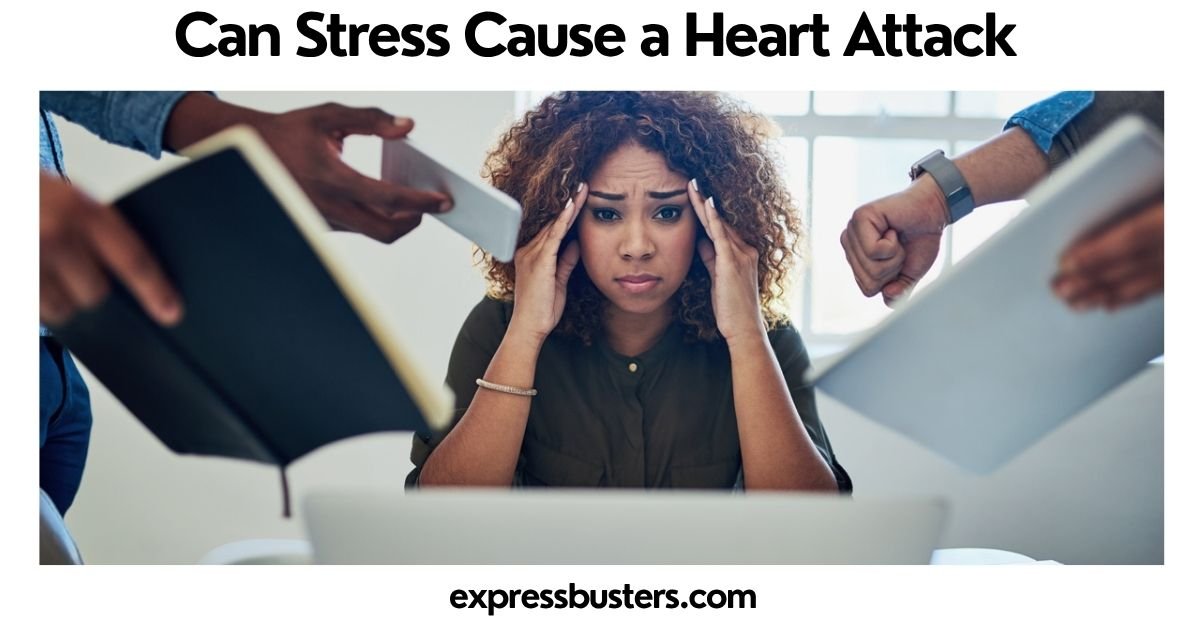
Can Stress Cause a Heart Attack? The Complete Guide to Stress, Anxiety, and Heart Health
Stress is a normal part of life. Every person deals with pressure from work, family, money, health problems, relationships, and daily responsibilities. A small amount of stress can sometimes help people stay alert and focused. But when stress becomes constant, it can affect the body in serious ways.
One of the biggest health questions many people ask today is: can stress cause a heart attack?
Doctors, researchers, and heart specialists have studied this question for years. The answer is more complex than a simple yes or no. Stress alone may not always directly cause a heart attack, but long-term stress can increase the risk of heart disease and trigger dangerous heart problems in some people.
Many people are also asking related questions such as:
- can stress and anxiety cause a heart attack
- can a heart attack be caused by stress
- can stress cause a heart attack in a young person
- can a stress test cause a heart attack
This complete guide explains everything you need to know in very simple language. You will learn how stress affects the heart, how anxiety changes the body, warning signs to watch for, who is most at risk, and what you can do to protect your heart health.
The article also includes expert insights, practical stress management tips, and updated medical information to help you understand the real connection between stress and heart attacks.
What Is Stress?
Stress is the body’s natural response to pressure or danger. When a person feels stressed, the body releases hormones such as adrenaline and cortisol. These hormones prepare the body to react quickly. This is called the “fight or flight” response.
In short-term situations, stress can help people survive dangerous events. For example, stress can help a driver react quickly to avoid an accident.
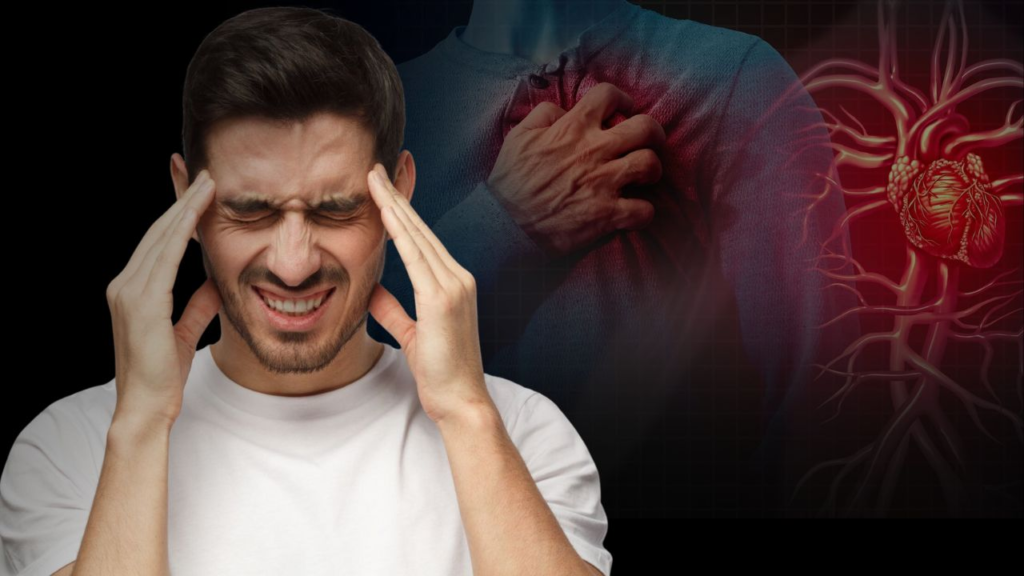
However, modern stress is often different. Instead of lasting a few minutes, stress can continue for weeks, months, or even years.
Common causes of stress include:
- Financial problems
- Relationship issues
- Work pressure
- Family responsibilities
- Lack of sleep
- Chronic illness
- Social isolation
- Anxiety about the future
- Grief and loss
- Major life changes
When stress becomes long-term, it can harm many parts of the body, especially the heart.
Can Stress Cause a Heart Attack?
Yes, stress can increase the risk of a heart attack.
Medical experts now understand that chronic stress can damage the cardiovascular system over time. Stress can raise blood pressure, increase inflammation, affect blood vessels, and lead to unhealthy habits that put extra pressure on the heart.
Stress does not always directly cause a heart attack by itself. But it can act as a trigger in people who already have heart disease or hidden heart problems.
Researchers have found that people under extreme emotional stress sometimes experience sudden heart events after:
- Serious arguments
- Emotional trauma
- Natural disasters
- Financial collapse
- Death of a loved one
- Severe anxiety attacks
In some cases, intense emotional stress can even cause a condition called stress cardiomyopathy, also known as broken heart syndrome.
Also Read: How Long Do Heart Attacks Last? Symptoms, Warning Signs, Recovery, and What You Need to Know
This shows that the connection between stress and heart health is very real.
How Stress Affects the Heart
To understand can stress cause a heart attack, it helps to know what happens inside the body during stress.
Increased Heart Rate
Stress hormones make the heart beat faster. This increases the workload on the heart. Frequent stress can force the heart to work harder than normal for long periods.
Higher Blood Pressure
Stress can temporarily raise blood pressure. Chronic stress may contribute to long-term high blood pressure, which is a major risk factor for heart attacks.
Inflammation in the Body
Experts now believe inflammation plays a major role in heart disease. Stress can increase inflammation in blood vessels and arteries.
Inflamed arteries are more likely to develop plaque buildup. Plaque can block blood flow and lead to a heart attack.
Yale experts and other heart specialists have explained that chronic stress can damage blood vessels through ongoing inflammation and hormone imbalance.
Blood Clotting Changes
Stress may make the blood more likely to clot. Blood clots are dangerous because they can block arteries that supply blood to the heart.
Poor Lifestyle Habits
Stress often leads to unhealthy behaviors such as:
- Smoking
- Overeating
- Drinking alcohol
- Lack of exercise
- Poor sleep
- Drug use
These habits increase the risk of obesity, diabetes, high cholesterol, and heart disease.
Can Stress and Anxiety Cause a Heart Attack?
Many people wonder: can stress and anxiety cause a heart attack?
Anxiety and stress are closely connected, but they are not exactly the same.
Stress is usually caused by external pressure. Anxiety often involves constant fear, worry, or nervousness.
Both can affect the heart.
Severe anxiety can cause symptoms that feel very similar to a heart attack, including:
- Chest pain
- Rapid heartbeat
- Sweating
- Dizziness
- Shortness of breath
- Nausea
This is especially common during panic attacks.
However, anxiety can also increase the risk of real heart problems over time.
People with chronic anxiety disorders may experience:
- Higher blood pressure
- Increased stress hormones
- Poor sleep quality
- Greater inflammation
- Irregular heart rhythms
Studies show that people with severe anxiety may have a higher risk of cardiovascular disease.
That does not mean every anxious person will have a heart attack. But unmanaged anxiety can place extra strain on the heart for many years.
Can a Heart Attack Be Caused by Stress?
The question can a heart attack be caused by stress has become more important in modern medicine.
Doctors now recognize that emotional stress can sometimes act as a direct trigger for a heart attack.
This usually happens when a person already has narrowed arteries or hidden heart disease.
For example, a sudden burst of anger or emotional shock may:
- Raise blood pressure quickly
- Increase oxygen demand in the heart
- Cause arteries to tighten
- Trigger plaque rupture
- Increase clot formation
If blood flow to the heart becomes blocked, a heart attack can happen.
Some studies have shown that heart attack risk increases shortly after episodes of intense anger or emotional distress.
This does not mean stress is the only cause. Heart attacks are usually caused by a combination of factors including:
- High cholesterol
- Smoking
- Diabetes
- High blood pressure
- Obesity
- Family history
- Lack of exercise
Still, stress is now considered an important contributor to heart disease.
Can Stress Cause a Heart Attack in a Young Person?
Many younger adults believe heart attacks only happen to older people. Unfortunately, that is no longer true.
Also Read: How Do You Know If Your Have a Heart Attack? The Complete Guide
So, can stress cause a heart attack in a young person?
In some cases, yes.
Young adults today face high levels of stress from:
- Social media pressure
- Career competition
- Financial struggles
- Lack of sleep
- Anxiety disorders
- Unhealthy diets
- Energy drinks and stimulants
At the same time, obesity, diabetes, and high blood pressure are increasing among younger people.
Stress alone may not usually cause a heart attack in a healthy young person. But when combined with smoking, drug use, poor diet, lack of exercise, or genetic heart problems, stress can become dangerous.
Doctors have also noticed more young adults experiencing stress-related heart conditions, including:
- High blood pressure
- Arrhythmias
- Panic-related chest pain
- Stress cardiomyopathy
Young people should never ignore chest pain or severe symptoms, especially if they have risk factors.
What Is Broken Heart Syndrome?
Broken heart syndrome is a real medical condition.
The medical name is Takotsubo cardiomyopathy.
This condition can happen after sudden emotional or physical stress.
Common triggers include:
- Death of a loved one
- Divorce
- Major arguments
- Financial shock
- Serious illness
- Extreme fear
In broken heart syndrome, the heart suddenly becomes weak and cannot pump normally.
Symptoms often look exactly like a heart attack:
- Chest pain
- Shortness of breath
- Irregular heartbeat
Doctors believe stress hormones may temporarily stun the heart.
Unlike a classic heart attack, arteries are often not blocked.
Most people recover with proper medical treatment, but the condition can still be serious.
This condition clearly shows how powerful emotional stress can be on the heart.
Signs of a Stress-Related Heart Problem
Stress affects people differently. Some people notice emotional symptoms while others develop physical symptoms.
Possible warning signs include:
- Frequent chest pain
- Rapid heartbeat
- High blood pressure
- Fatigue
- Dizziness
- Trouble sleeping
- Severe anxiety
- Shortness of breath
- Headaches
- Panic attacks
Signs of a possible heart attack include:
- Pressure or pain in the chest
- Pain spreading to the arm, jaw, neck, or back
- Sudden sweating
- Nausea
- Severe shortness of breath
- Lightheadedness
Women sometimes experience different symptoms such as:
- Extreme fatigue
- Indigestion
- Upper back pain
- Jaw pain
- Nausea
Never ignore possible heart attack symptoms.
Call emergency services immediately if symptoms are severe or sudden.
The Link Between Stress and High Blood Pressure
High blood pressure is one of the biggest heart attack risk factors.
Stress can cause temporary spikes in blood pressure. Repeated stress responses may contribute to long-term hypertension.
When blood pressure stays high for years, arteries become damaged and less flexible.
This increases the risk of:
- Heart attacks
- Strokes
- Kidney disease
- Heart failure
Stress management can help lower overall cardiovascular risk.
How Poor Sleep Increases Heart Risk
Stress and poor sleep often happen together.
People under stress may:
- Wake up frequently
- Sleep fewer hours
- Have insomnia
- Experience anxiety at night
Poor sleep affects heart health by:
- Raising blood pressure
- Increasing inflammation
- Affecting blood sugar
- Increasing stress hormones
Adults should aim for seven to nine hours of sleep each night.
Good sleep is one of the most important parts of heart protection.
The Role of Cortisol in Heart Disease
Cortisol is known as the stress hormone.
Short-term cortisol release is normal. But constantly high cortisol levels can damage the body.
Long-term high cortisol may contribute to:
- Weight gain
- Belly fat
- High blood sugar
- High cholesterol
- High blood pressure
- Inflammation
All these factors increase heart disease risk.
Can a Stress Test Cause a Heart Attack?
Another common question is: can a stress test cause a heart attack?
A cardiac stress test is a medical test used to check how the heart works during exercise or medication-induced stress.
Doctors often use stress tests to:
- Diagnose heart disease
- Check blood flow
- Evaluate chest pain
- Monitor heart function
Stress tests are generally safe.
However, because the heart is being challenged during the test, there is a very small risk of complications.
Rare complications may include:
- Abnormal heart rhythms
- Chest pain
- Fainting
- Heart attack
These events are uncommon because stress tests are supervised by medical professionals.
Doctors evaluate patient safety before performing the test.
For most people, the benefits of finding heart disease early are much greater than the risks.
Emotional Stress vs Physical Stress
Both emotional and physical stress affect the heart.
Emotional stress includes:
- Anxiety
- Fear
- Anger
- Depression
- Relationship conflict
Physical stress includes:
- Severe illness
- Infection
- Surgery
- Extreme exercise
- Sleep deprivation
Both types can increase heart strain.
In some people, emotional stress may be just as harmful as physical stress.
Does Stress Affect Men and Women Differently?
Yes.
Research shows stress may affect women differently than men.
Women are more likely to experience:
- Stress-related chest pain
- Anxiety disorders
- Depression-related heart risk
- Broken heart syndrome
Women sometimes have less obvious heart attack symptoms, which can delay treatment.
Hormonal changes, caregiving stress, and emotional strain may also influence heart health.
Men often experience stress through:
- High-pressure work environments
- Anger-related stress
- Substance use
- High blood pressure
Both men and women should take stress seriously.
How Chronic Stress Damages Arteries
Healthy arteries are flexible and smooth.
Chronic stress can damage artery walls through inflammation and high blood pressure.
Damaged arteries are more likely to develop plaque.
Plaque buildup narrows arteries and reduces blood flow.
If plaque ruptures, a clot can form and block blood flow completely.
That is one of the main causes of heart attacks.
The Hidden Danger of Silent Stress
Some people do not realize they are stressed.
They may ignore symptoms because stress becomes part of daily life.
Silent stress can appear as:
- Constant tension
- Irritability
- Headaches
- Digestive problems
- Muscle pain
- Exhaustion
- Lack of motivation
Over time, silent stress can slowly affect heart health.
This is why stress management should be part of regular healthcare.
How Doctors Diagnose Stress-Related Heart Problems
Doctors may use several tests to evaluate heart symptoms.
These include:
- Blood pressure checks
- Electrocardiogram (ECG)
- Blood tests
- Echocardiogram
- Stress tests
- CT scans
- Cardiac catheterization
Doctors also ask about:
- Anxiety levels
- Lifestyle habits
- Sleep quality
- Family history
- Emotional stress
Mental health and heart health are now seen as closely connected.
Best Ways to Reduce Stress and Protect the Heart
Managing stress can improve both emotional and physical health.
Exercise Regularly
Exercise is one of the best stress relievers.
Physical activity can:
- Lower blood pressure
- Improve mood
- Reduce anxiety
- Improve circulation
- Strengthen the heart
Even walking 30 minutes daily can help.
Eat a Heart-Healthy Diet
Healthy foods support both the brain and heart.
Good choices include:
- Fruits
- Vegetables
- Whole grains
- Fish
- Nuts
- Beans
- Olive oil
Limit:
- Processed foods
- Sugary drinks
- Excess salt
- Fried foods
Improve Sleep Habits
Better sleep helps lower stress hormones.
Tips include:
- Keeping a regular sleep schedule
- Avoiding screens before bed
- Limiting caffeine late in the day
- Sleeping in a quiet room
Practice Relaxation Techniques
Relaxation can calm the nervous system.
Helpful methods include:
- Deep breathing
- Meditation
- Yoga
- Prayer
- Mindfulness
- Stretching
Build Strong Relationships
Social support improves mental health.
Talking with trusted friends or family members can reduce stress.
Isolation often increases emotional strain.
Reduce Alcohol and Smoking
Many people use alcohol or cigarettes to cope with stress.
Unfortunately, both increase heart disease risk.
Quitting smoking is one of the best ways to protect the heart.
Seek Professional Help
Therapy and counseling can help people manage anxiety, depression, and chronic stress.
Mental healthcare is an important part of heart health.
Can Stress Cause Heart Palpitations?
Yes.
Stress and anxiety can trigger heart palpitations.
Palpitations may feel like:
- Racing heartbeat
- Fluttering
- Skipped beats
- Pounding in the chest
Most stress-related palpitations are harmless.
However, severe or frequent palpitations should be checked by a doctor.
Especially if they happen with:
- Chest pain
- Fainting
- Dizziness
- Shortness of breath
Can Panic Attacks Feel Like a Heart Attack?
Absolutely.
Panic attacks and heart attacks share many symptoms.
A panic attack may cause:
- Chest tightness
- Rapid heartbeat
- Sweating
- Shaking
- Fear of dying
- Shortness of breath
Because symptoms are so similar, it is important not to assume chest pain is only anxiety.
A doctor should evaluate new or severe symptoms.
Stress, Depression, and Heart Disease
Depression and heart disease are strongly connected.
People with depression may:
- Exercise less
- Eat unhealthy foods
- Smoke more
- Skip medications
- Sleep poorly
Depression can also increase inflammation and stress hormones.
Heart attack survivors with depression often have worse recovery outcomes.
Mental health treatment can improve quality of life and heart health.
Workplace Stress and Heart Risk
High-pressure jobs may increase cardiovascular risk.
Long work hours, burnout, and lack of control at work can raise stress levels.
Signs of unhealthy workplace stress include:
- Constant exhaustion
- Irritability
- Sleep problems
- High blood pressure
- Anxiety
Healthy work-life balance matters for long-term heart protection.
Financial Stress and the Heart
Money problems are one of the biggest causes of chronic stress.
Financial anxiety can lead to:
- Sleep loss
- Depression
- High blood pressure
- Emotional eating
Stress management is not only about relaxation.
It also involves practical problem-solving, budgeting, and seeking support when needed.
How Technology and Social Media Increase Stress
Modern life exposes people to constant information and comparison.
Social media may increase:
- Anxiety
- Sleep problems
- Negative thinking
- Emotional stress
Too much screen time can also reduce physical activity.
Taking regular breaks from digital devices may improve emotional well-being.
The Connection Between Inflammation and Heart Attacks
Inflammation is now considered one of the major drivers of heart disease.
Chronic stress can keep the body in a state of low-level inflammation.
Inflammation may:
- Damage blood vessels
- Increase plaque buildup
- Raise clotting risk
This is one reason experts stress the importance of emotional health.
The mind and body are deeply connected.
Heart-Healthy Daily Habits
Small daily choices can protect the heart over time.
Healthy habits include:
- Drinking enough water
- Walking daily
- Managing stress early
- Avoiding smoking
- Limiting processed foods
- Staying socially connected
- Getting regular checkups
- Monitoring blood pressure
Consistency matters more than perfection.
When to See a Doctor
See a healthcare provider if you experience:
- Frequent chest pain
- Shortness of breath
- High blood pressure
- Severe anxiety
- Ongoing sleep problems
- Heart palpitations
- Family history of heart disease
Early treatment can prevent serious complications.
The Future of Stress and Heart Research
Doctors continue learning more about the connection between emotions and heart disease.
Researchers are now studying:
- Stress hormones
- Brain-heart communication
- Inflammation pathways
- Anxiety disorders and heart risk
- Meditation and heart recovery
Modern medicine increasingly recognizes that emotional health is part of overall cardiovascular care.
Final Thoughts
So, can stress cause a heart attack?
The evidence shows that chronic stress can significantly increase heart disease risk and may trigger heart attacks in some people.
Stress affects the body through:
- High blood pressure
- Inflammation
- Hormone imbalance
- Poor sleep
- Unhealthy habits
- Increased strain on the heart
Questions such as can stress and anxiety cause a heart attack and can a heart attack be caused by stress are now taken seriously by doctors around the world.
Stress alone may not always directly cause a heart attack, but it can play an important role in cardiovascular disease.
The good news is that stress can often be managed.
Simple lifestyle changes, emotional support, healthy sleep, exercise, therapy, and relaxation techniques can greatly improve both mental and heart health.
Protecting your heart is not only about cholesterol and blood pressure.
It is also about caring for your emotional well-being every day.
Frequently Asked Questions
Can stress cause chest pain even without heart disease?
Yes. Stress and anxiety can cause chest tightness, muscle tension, and rapid breathing that may feel like heart pain.
How long does stress affect the heart?
Short-term stress effects may last minutes or hours. Chronic stress can affect the heart for years if not managed properly.
Can crying too much affect the heart?
Emotional distress may temporarily increase stress hormones and heart rate, but crying itself is not usually dangerous.
Is stress worse for the heart than poor diet?
Both are important. Chronic stress and unhealthy eating together create a much higher heart disease risk.
Can meditation improve heart health?
Yes. Meditation may help lower stress hormones, blood pressure, and anxiety levels.
Can stress cause sudden death?
Severe emotional stress can sometimes trigger dangerous heart rhythms or heart events in vulnerable individuals.
Can young athletes have stress-related heart problems?
Yes. Intense pressure, stimulant use, dehydration, and hidden heart conditions may increase risk in some young athletes.
Does stress affect cholesterol levels?
Stress may contribute to unhealthy eating habits and hormone changes that indirectly affect cholesterol.
Are women more sensitive to stress-related heart problems?
Research suggests women may experience certain stress-related heart conditions more often, including broken heart syndrome.
Can reducing stress lower heart attack risk?
Yes. Stress management may improve blood pressure, sleep, inflammation, and overall cardiovascular health.
Can stress cause numbness in the arms?
Anxiety and panic attacks can sometimes cause tingling or numbness, but numbness with chest pain should always be medically evaluated.
What foods help reduce stress naturally?
Foods rich in magnesium, omega-3 fats, and antioxidants may help support stress management and heart health.
Can dehydration make stress symptoms worse?
Yes. Dehydration can increase fatigue, dizziness, and rapid heartbeat, which may worsen stress symptoms.
Is laughing good for the heart?
Laughter may help reduce stress hormones and improve blood vessel function.
Can stress increase the risk of stroke too?
Yes. Chronic stress may increase blood pressure and inflammation, which are major stroke risk factors.