How Do You Know If Your Have a Heart Attack? The Complete Guide
Heart attacks are one of the leading causes of death in the United States. Every year, hundreds of thousands of people experience a heart attack, and many do not recognize the warning signs early enough. One of the most searched health questions online today is: “how do you know if your have a heart attack”.
The reason this question matters so much is simple. A heart attack can happen suddenly, but in many cases, the body gives warning signs hours, days, or even weeks before it becomes a medical emergency. Knowing these signs can save your life or the life of someone you love.
Many people expect a heart attack to feel dramatic, with severe chest pain and collapse. In reality, symptoms can be mild, confusing, or mistaken for other conditions like indigestion, anxiety, muscle strain, or fatigue. Some people ignore symptoms because they do not “feel serious enough.”
This guide explains everything you need to know about how do you know if your have a heart attack, including the earliest signs, silent symptoms, differences between men and women, risk factors, emergency actions, diagnosis, treatment, prevention, and frequently asked questions.
What Is a Heart Attack?
A heart attack happens when blood flow to the heart becomes blocked. The heart muscle needs oxygen-rich blood to work properly. When blood cannot reach the heart, the muscle starts to become damaged.
This blockage usually happens because fatty deposits called plaque build up inside the arteries over time. If the plaque breaks open, a blood clot can form and block the artery.
The medical term for a heart attack is myocardial infarction.
Without quick treatment, part of the heart muscle may die permanently.
How Do You Know If Your Have a Heart Attack? Main Warning Signs
The biggest clue is that your body suddenly feels different in a way that does not go away.
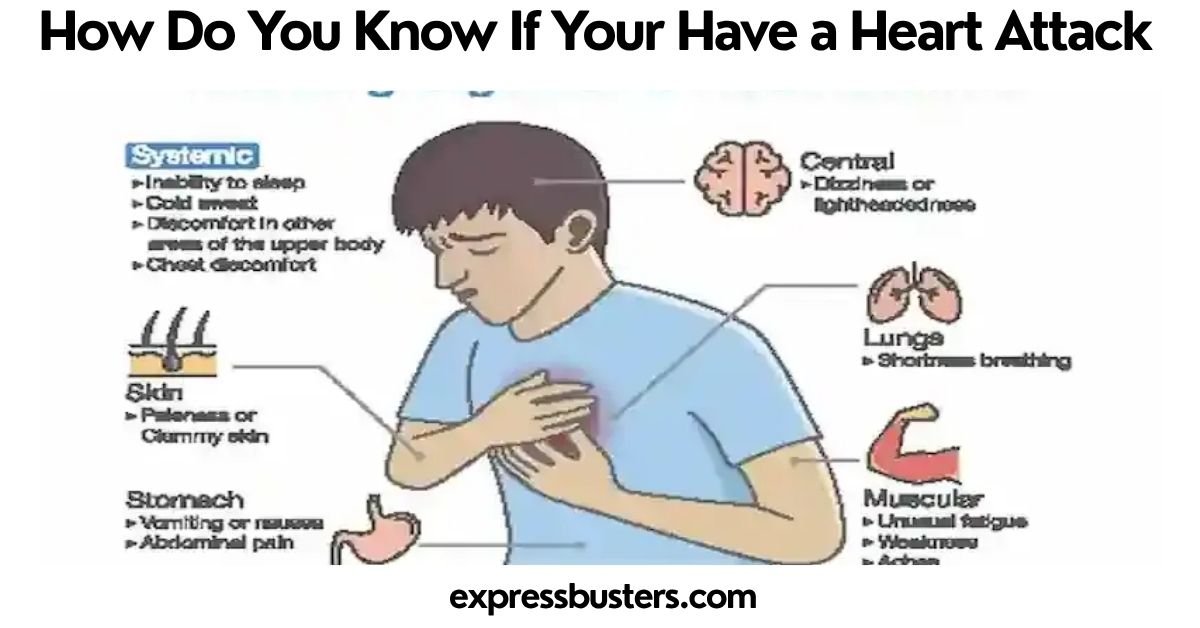
The most common heart attack symptoms include:
Chest Pain or Pressure
This is the most recognized symptom.
People often describe it as:
- Tightness
- Pressure
- Squeezing
- Burning
- Fullness
- Heaviness
Some say it feels like an elephant sitting on the chest.
The pain may last more than a few minutes or come and go repeatedly.
It may happen during activity or while resting.
Pain That Spreads to Other Areas
Heart attack pain often travels beyond the chest.
You may feel discomfort in:
- Left arm
- Both arms
- Neck
- Jaw
- Back
- Shoulders
- Upper stomach
Sometimes jaw pain or arm pain appears before chest discomfort.
Shortness of Breath
You may suddenly feel unable to breathe normally.
This symptom can happen:
- Before chest pain
- During chest pain
- Without chest pain at all
Many people describe it as feeling winded after very little activity.
Cold Sweat
A sudden cold sweat without physical activity can be a warning sign.
The sweat may feel clammy or unusual.
Nausea or Vomiting
Some people feel sick to their stomach during a heart attack.
This symptom is more common in women.
Extreme Fatigue
Feeling suddenly exhausted without reason can be an early warning sign.
Many people ignore this symptom because it can seem unrelated to the heart.
Dizziness or Lightheadedness
Reduced blood flow may make you feel faint, weak, or unsteady.
Heartburn-Like Feeling
Some heart attacks feel similar to acid reflux or indigestion.
The difference is that heart attack discomfort often does not improve with antacids.
How Long Do Heart Attack Symptoms Last?
Symptoms can last:
- A few minutes
- Several hours
- Longer
Some people experience mild symptoms for days before a major heart attack happens.
If symptoms last longer than five minutes, seek emergency help immediately.
Silent Heart Attacks: The Dangerous Type Many People Miss
One of the most important things to understand about how do you know if your have a heart attack is that not all heart attacks are obvious.
A silent heart attack may cause:
- Mild discomfort
- Weakness
- Fatigue
- Mild chest pressure
- Flu-like symptoms
Some people do not realize they had a heart attack until a doctor discovers heart damage later.
Silent heart attacks are more common in:
- Older adults
- People with diabetes
- Women
Heart Attack Symptoms in Women
Women often experience different symptoms than men.
This is one reason heart attacks are sometimes missed in women.
Women may experience:
- Fatigue
- Nausea
- Back pain
- Jaw pain
- Neck pain
- Shortness of breath
- Light chest discomfort
- Dizziness
Many women describe symptoms as pressure or tightness instead of severe pain.
A woman may continue daily activities while having a heart attack because symptoms seem mild at first.
Heart Attack Symptoms in Men
Men are more likely to experience classic symptoms such as:
- Severe chest pain
- Left arm pain
- Sweating
- Sudden pressure in the chest
However, men can also have silent or unusual symptoms.
What Does a Heart Attack Feel Like? Realistic Explanation
Many people ask this question because movies often show heart attacks incorrectly.
A real heart attack may feel like:
- Heavy pressure in the chest
- Tight squeezing
- Burning discomfort
- Sudden weakness
- Trouble breathing
- Deep ache in the arms or jaw
It may start slowly and build over time.
Not every heart attack causes sudden collapse.
Signs That Mean You Should Call 911 Immediately
Call emergency services right away if you experience:
Also Read: How Can You Tell If You Have a Heart Attack? Signs, Symptoms, Causes, and What to Do Right Away
- Chest pressure lasting more than 5 minutes
- Pain spreading to the arms or jaw
- Trouble breathing
- Sudden sweating
- Severe weakness
- Loss of consciousness
Never drive yourself if symptoms are serious.
Emergency medical teams can begin treatment before reaching the hospital.
Why Fast Treatment Matters
Heart muscle begins to die when blood flow is blocked.
Doctors often say:
“Time is muscle.”
The faster treatment begins, the greater the chance of survival and recovery.
Quick treatment can:
- Save heart muscle
- Reduce permanent damage
- Prevent heart failure
- Lower death risk
Common Causes of Heart Attacks
Understanding the causes helps answer the question: how do you know if your have a heart attack and why does it happen?
Coronary Artery Disease
This is the most common cause.
Plaque builds up in the arteries and reduces blood flow.
Blood Clots
A clot can suddenly block an artery completely.
High Blood Pressure
High pressure damages arteries over time.
High Cholesterol
Bad cholesterol contributes to plaque buildup.
Smoking
Smoking damages blood vessels and increases clot risk.
Diabetes
High blood sugar damages arteries and nerves.
Obesity
Excess weight increases heart strain.
Stress
Chronic stress may contribute to heart disease.
Lack of Exercise
Physical inactivity weakens heart health.
Family History
Heart disease risk can run in families.
Who Is Most at Risk for a Heart Attack?
Some people have a much higher risk.
Major risk factors include:
- Age over 45 for men
- Age over 55 for women
- Smoking
- Diabetes
- High cholesterol
- High blood pressure
- Obesity
- Poor diet
- Lack of exercise
- Heavy alcohol use
- Drug use
- Chronic stress
- Sleep apnea
The more risk factors you have, the higher your risk becomes.
Can Young People Have Heart Attacks?
Yes.
Heart attacks are becoming more common in younger adults.
Possible reasons include:
- Smoking
- Vaping
- Obesity
- Stress
- Energy drink overuse
- Drug use
- Poor diet
Even people in their 20s and 30s can experience heart attacks.
Never ignore symptoms because of age.
How Doctors Diagnose a Heart Attack
If doctors suspect a heart attack, they perform several tests.
Electrocardiogram (ECG or EKG)
This test checks the heart’s electrical activity.
It can show damage or abnormal heart rhythms.
Blood Tests
Doctors look for proteins released when heart muscle is damaged.
Troponin is one of the main markers.
Echocardiogram
This ultrasound shows how the heart is pumping.
Coronary Angiography
Doctors use dye and imaging to locate blocked arteries.
CT Scan or MRI
Imaging tests may help assess heart damage.
What Should You Do During a Heart Attack?
Knowing what to do is critical.
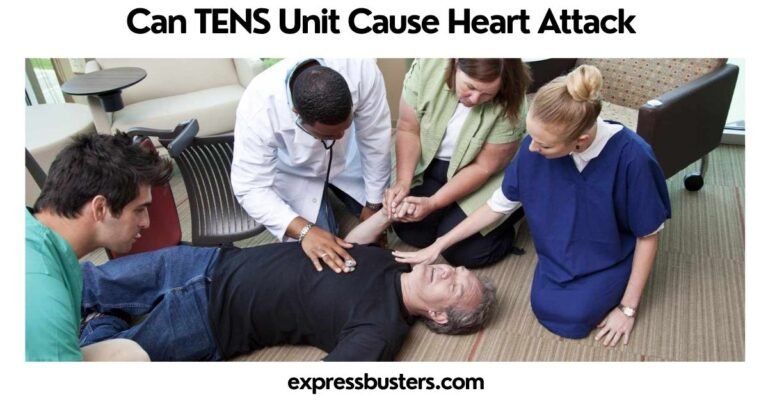
Call 911 Immediately
Do not wait to see if symptoms improve.
Sit Down and Stay Calm
Avoid physical activity.
Chew Aspirin if Advised
Aspirin may help reduce clotting.
Only take it if emergency services or your doctor recommend it.
Unlock the Door
Emergency responders may need quick access.
Do Not Ignore Symptoms
Many people delay treatment because they hope symptoms will pass.
That delay can be deadly.
Can Anxiety Feel Like a Heart Attack?
Yes.
Panic attacks and anxiety can cause:
- Chest pain
- Sweating
- Fast heartbeat
- Shortness of breath
- Dizziness
However, it can be difficult to tell the difference.
If you are unsure, always seek emergency care.
It is safer to rule out a heart attack than ignore one.
Heartburn vs Heart Attack: How to Tell the Difference
This is one of the most confusing situations.
Heartburn usually:
- Happens after eating
- Improves with antacids
- Feels like burning in the chest
A heart attack may involve:
- Pressure or squeezing
- Pain spreading to arms or jaw
- Sweating
- Shortness of breath
Still, the symptoms can overlap.
If you have risk factors or feel uncertain, seek medical help.
Can a Heart Attack Happen While Sleeping?
Yes.
Some heart attacks occur during sleep.
Possible signs include:
- Waking with chest pain
- Sudden sweating
- Shortness of breath
- Jaw pain
- Arm pain
People with sleep apnea may have higher risk.
What Is a Mini Heart Attack?
The term “mini heart attack” usually refers to a mild heart attack or a temporary blockage.
Even mild heart attacks can cause permanent heart damage.
They should always be treated seriously.
What Happens After a Heart Attack?
Recovery depends on:
- How quickly treatment began
- Amount of heart damage
- Overall health
Treatment may include:
- Medication
- Lifestyle changes
- Cardiac rehabilitation
- Surgery
- Stents
Some people recover fully, while others develop long-term heart problems.
How to Prevent a Heart Attack
The best way to reduce fear about how do you know if your have a heart attack is prevention.
Healthy habits greatly reduce risk.
Stop Smoking
Smoking is one of the biggest risk factors.
Quitting improves heart health quickly.
Eat a Heart-Healthy Diet
Focus on:
- Fruits
- Vegetables
- Whole grains
- Lean protein
- Healthy fats
Reduce:
- Salt
- Sugar
- Fried foods
- Processed foods
Exercise Regularly
Aim for at least 150 minutes of moderate exercise weekly.
Walking is an excellent option.
Control Blood Pressure
High blood pressure often has no symptoms.
Regular checkups matter.
Manage Cholesterol
Healthy cholesterol levels protect arteries.
Maintain Healthy Weight
Losing even a small amount of weight can help the heart.
Control Diabetes
Good blood sugar control lowers heart disease risk.
Reduce Stress
Chronic stress affects heart health.
Helpful strategies include:
- Sleep
- Exercise
- Relaxation
- Time management
- Social support
Get Enough Sleep
Poor sleep increases heart risk.
Adults should aim for 7 to 9 hours nightly.
The Hidden Warning Signs People Often Ignore
Many heart attack survivors later realize they ignored early symptoms.
Common ignored warning signs include:
- Unusual tiredness
- Mild chest pressure
- Shortness of breath
- Jaw discomfort
- Neck tightness
- Feeling “off”
- Lightheadedness
People often delay treatment because symptoms seem minor.
Listening to your body matters.
Why Some People Delay Going to the Hospital
Research and real-life experiences show several reasons:
ALso Read: How to Prevent Heart Attack: Complete Guide to Protect Your Heart Naturally
- Fear
- Denial
- Embarrassment
- Cost concerns
- Hoping symptoms disappear
- Assuming it is stress or indigestion
Unfortunately, delays can increase damage and death risk.
How Heart Attack Symptoms Differ in Older Adults
Older adults may experience:
- Confusion
- Weakness
- Fainting
- Breathing problems
- Mild chest discomfort
Symptoms may be less obvious than in younger adults.
Can Exercise Trigger a Heart Attack?
Exercise is generally healthy for the heart.
However, intense physical exertion can trigger a heart attack in someone with severe heart disease.
Warning signs during exercise include:
- Chest pressure
- Severe shortness of breath
- Dizziness
- Pain spreading to arms or jaw
Stop exercising and seek help immediately if these occur.
Can COVID-19 Increase Heart Attack Risk?
Studies suggest COVID-19 may increase inflammation and blood clot risk in some people.
This may temporarily increase the chance of heart problems.
People with existing heart disease should monitor symptoms carefully.
Emotional Impact After a Heart Attack
Many survivors experience:
- Anxiety
- Depression
- Fear
- Stress
Mental recovery is important too.
Support groups, counseling, and cardiac rehab can help.
Important Insight: Heart Attacks Do Not Always Look Dramatic
One major misunderstanding is that heart attacks always cause sudden collapse.
In reality:
- Symptoms may come slowly
- Pain may be mild
- Discomfort may come and go
- Fatigue may be the main symptom
This is why education matters.
Recognizing subtle signs can save lives.
When Should You See a Doctor About Chest Pain?
You should seek medical evaluation if you experience:
- Recurring chest discomfort
- Unexplained shortness of breath
- Exercise-related chest pain
- Pain spreading to the jaw or arm
- Sudden fatigue
- Dizziness
Even mild symptoms deserve attention.
How Do You Know If Your Have a Heart Attack or Something Else?
The truth is that symptoms can overlap with many conditions.
That is why professional evaluation is essential.
Possible conditions with similar symptoms include:
- Panic attacks
- Acid reflux
- Muscle strain
- Lung conditions
- Gallbladder problems
Never try to diagnose yourself during severe symptoms.
The Most Important Takeaway
If something feels seriously wrong, trust your instincts.
Many heart attack survivors say they sensed something unusual before seeking help.
Fast action saves lives.
It is always better to seek emergency care and discover it was not a heart attack than to stay home during a real medical emergency.
Frequently Asked Questions About How Do You Know If Your Have a Heart Attack
Can a heart attack happen without chest pain?
Yes. Some people experience nausea, fatigue, jaw pain, or shortness of breath without chest pain.
How long can heart attack symptoms last before a major attack?
Symptoms may appear hours, days, or even weeks beforehand in some cases.
Can women have different heart attack symptoms?
Yes. Women often experience fatigue, nausea, back pain, and jaw pain instead of severe chest pain.
What age do heart attacks usually happen?
Risk increases with age, but heart attacks can happen at almost any age.
Can stress cause a heart attack?
Severe stress can contribute to heart problems and may trigger heart attacks in some people.
Does left arm pain always mean a heart attack?
No. But left arm pain combined with chest discomfort or breathing problems should be treated seriously.
Can heart attacks feel mild?
Yes. Some heart attacks cause only mild discomfort or unusual fatigue.
What should I do first during a heart attack?
Call 911 immediately and avoid physical activity.
Can healthy people have heart attacks?
Yes. Even people who appear healthy may have hidden risk factors.
Do heart attack symptoms come and go?
Yes. Symptoms may appear, fade, and return before a major event occurs.
Can dehydration cause heart attack symptoms?
Dehydration may cause dizziness or rapid heartbeat, but true heart attack symptoms require urgent medical evaluation.
Can you survive a heart attack without treatment?
Some people survive, but untreated heart attacks can cause severe damage or death.
Is jaw pain a sign of a heart attack?
Yes. Jaw pain can be an important warning sign, especially in women.
Can a panic attack turn into a heart attack?
Panic attacks do not directly cause heart attacks, but symptoms can look similar.
What foods help prevent heart attacks?
Heart-healthy foods include fruits, vegetables, fish, nuts, oats, beans, and whole grains.
Final Thoughts
Understanding how do you know if your have a heart attack can truly save lives. Heart attacks do not always appear the way people expect. Symptoms may be mild, unusual, or easy to ignore.
The most dangerous mistake is waiting too long.
If you experience chest pressure, shortness of breath, pain spreading to the arm or jaw, sudden fatigue, or other unusual symptoms, seek emergency medical help immediately.
Your heart gives warning signs more often than many people realize. Learning to recognize them early can protect your future, your health, and your life.