What Are the Signs of a Heart Attack? Complete Guide to Early Warning Symptoms, Causes, and Life-Saving Actions
Heart disease is one of the leading causes of death in the United States. Every year, thousands of people ignore early symptoms because they do not realize what is happening. Knowing what are the signs of a heart attack can save your life or the life of someone you love.
Many people think a heart attack always causes sudden chest pain and collapse. In reality, symptoms can start slowly and quietly. Some people feel mild discomfort for days before the attack becomes serious. Others experience unusual fatigue, nausea, or shortness of breath without any chest pain at all.
This detailed guide explains what are the signs of a heart attack, how symptoms differ in men and women, what silent heart attacks feel like, and what actions you should take immediately. The information is written in very easy English and follows trusted medical guidance while also providing deeper insight into why symptoms happen and why people often miss them.
What Is a Heart Attack?
A heart attack happens when blood flow to part of the heart becomes blocked. The blockage usually comes from fat, cholesterol, and plaque building up inside the arteries. When blood cannot reach the heart muscle, the tissue starts to die because it does not get enough oxygen.
The medical name for a heart attack is myocardial infarction.
Some heart attacks happen suddenly, but many begin with warning signs hours, days, or even weeks earlier. Recognizing those early clues is extremely important.
Why Knowing the Signs of a Heart Attack Matters
Many people wait too long before getting help. They think the symptoms are stress, heartburn, tiredness, or muscle pain. This delay can cause permanent heart damage or death.
Quick treatment can:
- Save heart muscle
- Reduce complications
- Improve survival rates
- Prevent long-term disability
Understanding what are the warning signs of a heart attack gives you the power to act quickly.
What Are the Signs of a Heart Attack?
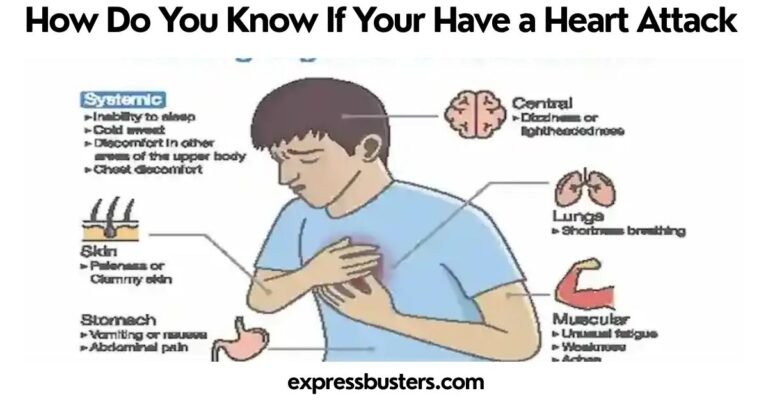
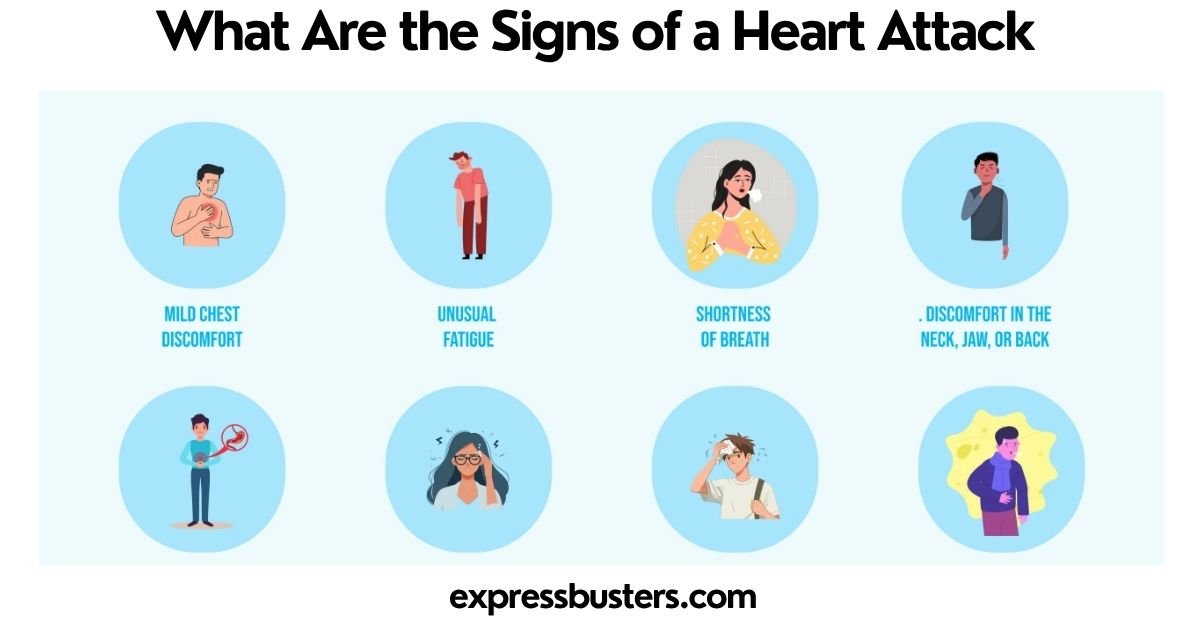
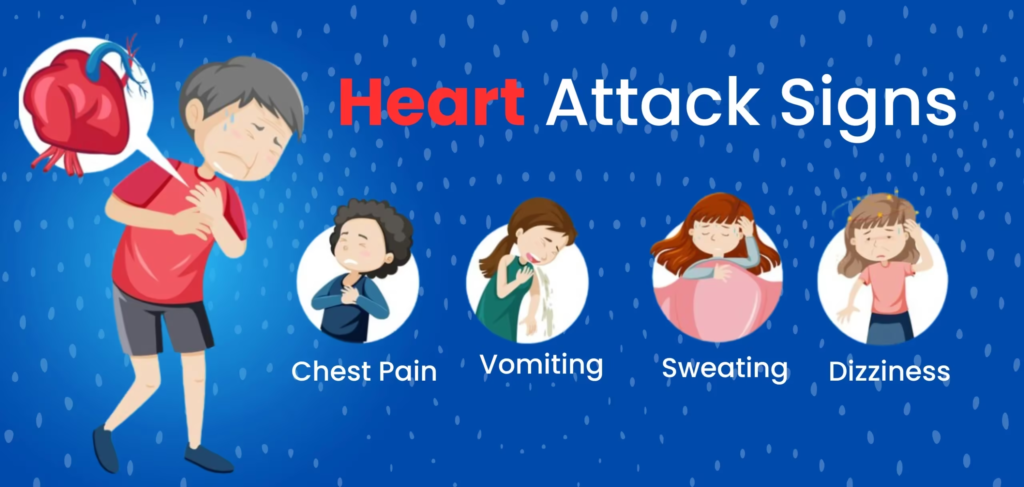
The most common signs of a heart attack include:
- Chest pain or pressure
- Shortness of breath
- Pain in the arm, neck, jaw, or back
- Sweating
- Nausea
- Dizziness
- Extreme tiredness
- Fast or irregular heartbeat
Symptoms can be mild or severe. They may come and go. Some people experience only one symptom while others have several at the same time.
ALso Read: Can You Have a Heart Attack and Not Know It? Silent Heart Attack Signs, Causes, and Prevention
Let us look at each sign closely.
Chest Pain or Pressure
Chest discomfort is the most common symptom.
People describe it as:
- Tightness
- Pressure
- Squeezing
- Fullness
- Burning
- Heavy weight on the chest
The pain usually happens in the center or left side of the chest. It may last more than a few minutes or come and go repeatedly.
Some people compare it to “an elephant sitting on the chest.”
However, not everyone experiences severe pain. Mild pressure can also be dangerous.
Pain Spreading to Other Parts of the Body
Heart attack pain often travels beyond the chest.
Pain may spread to:
- Left arm
- Both arms
- Shoulders
- Neck
- Jaw
- Upper back
- Stomach area
This happens because nerves in the heart share pathways with other body parts, causing “referred pain.”
Jaw pain or upper back pain is especially common in women.
Shortness of Breath
Many people feel unable to catch their breath before or during a heart attack.
This symptom may happen:
- While resting
- During light activity
- Along with chest pain
- Without chest pain
Shortness of breath happens because the heart cannot pump blood properly when damaged.
Some people think they are simply out of shape or tired, but sudden breathing difficulty should never be ignored.
Cold Sweats
Breaking out in a cold sweat without exercise or heat exposure can be a major warning sign.
People often describe:
- Clammy skin
- Sudden sweating
- Feeling sticky or damp
The body reacts this way during stress on the heart.
Nausea, Indigestion, or Stomach Pain
Heart attack symptoms can sometimes feel like digestive problems.
You may experience:
- Nausea
- Vomiting
- Heartburn
- Stomach pressure
- Upper abdominal pain
This is one reason many people delay getting medical care. They mistake symptoms for acid reflux or food poisoning.
Dizziness or Lightheadedness
Reduced blood flow during a heart attack can affect the brain.
Symptoms may include:
- Feeling faint
- Sudden weakness
- Loss of balance
- Confusion
If dizziness happens together with chest discomfort or shortness of breath, seek emergency care immediately.
Extreme Fatigue
Unusual tiredness is one of the most ignored symptoms.
People may feel:
- Completely drained
- Weak after simple tasks
- Exhausted without reason
This symptom is especially common in women.
Some women report feeling tired for days or weeks before a heart attack.
Rapid or Irregular Heartbeat
The heart may beat:
- Too fast
- Too hard
- Unevenly
Some people notice pounding in the chest or fluttering feelings.
Although heart rhythm changes do not always mean a heart attack, they should not be ignored when combined with other symptoms.
What Are the Signs of a Heart Attack in Women?
Women often experience different symptoms than men. Because of this, heart attacks in women are more likely to be missed or diagnosed late.
Common Heart Attack Symptoms in Women
What are the signs of a heart attack in women? They often include:
- Extreme fatigue
- Shortness of breath
- Nausea
- Jaw pain
- Upper back pain
- Neck pain
- Dizziness
- Mild chest pressure
- Sleep problems
- Anxiety-like feelings
Many women do not experience the dramatic chest pain shown in movies.
Instead, symptoms can feel mild, confusing, or unrelated to the heart.
Why Women Experience Different Symptoms
Women may have:
- Smaller coronary arteries
- Different plaque patterns
- Hormonal influences
- Different nerve responses
These factors can change how symptoms appear.
Why Women Delay Treatment
Many women:
- Put family responsibilities first
- Think symptoms are stress or exhaustion
- Believe heart attacks mainly affect men
This misunderstanding can be deadly.
Heart disease is actually a major killer of women in the United States.
What Are the 4 Silent Signs of a Heart Attack?
A silent heart attack causes little or no obvious chest pain. Many people do not realize they had one until later medical testing shows heart damage.
What are the 4 silent signs of a heart attack? The most common silent symptoms include:
1. Unusual Fatigue
Feeling exhausted for no clear reason is one of the biggest silent warnings.
This fatigue often:
- Lasts several days
- Appears suddenly
- Makes routine activities difficult
2. Mild Chest Discomfort
Instead of severe pain, silent heart attacks may cause:
- Tightness
- Pressure
- Burning
- Mild aching
People often mistake this for indigestion.
3. Shortness of Breath
Difficulty breathing without heavy activity may be a silent symptom.
Even walking short distances may suddenly become difficult.
4. Pain in the Jaw, Neck, or Back
Silent heart attacks commonly create discomfort outside the chest.
Many people think the pain comes from:
- Sleeping wrong
- Stress
- Muscle strain
These subtle symptoms are why silent heart attacks are dangerous.
What Are the Signs and Symptoms of a Heart Attack That Need Emergency Help?
Call emergency services immediately if you notice:
- Chest pressure lasting more than a few minutes
- Sudden shortness of breath
- Pain spreading to the arm or jaw
- Fainting
- Severe sweating
- Nausea with chest discomfort
Never drive yourself if symptoms are severe.
Fast treatment can prevent major heart damage.
Early Warning Signs Days Before a Heart Attack
Some people experience symptoms long before the actual attack.
Possible early signs include:
- Increased fatigue
- Trouble sleeping
- Anxiety
- Mild chest pressure
- Shortness of breath during activity
- Swelling in the legs
- Heart palpitations
These symptoms are easy to ignore because they seem small at first.
Listening to your body is important.
What Causes a Heart Attack?
The main cause is coronary artery disease.
Over time, arteries become narrow because of plaque buildup.
When plaque breaks open, a blood clot can form and block blood flow completely.
Other causes include:
- Severe artery spasms
- Drug use
- Extreme stress
- Rare artery tears
Risk Factors for Heart Attacks
Some risk factors cannot be changed, while others can.
Risk Factors You Cannot Change
- Age
- Family history
- Gender
- Genetics
Risk Factors You Can Change
- Smoking
- High blood pressure
- Diabetes
- High cholesterol
- Obesity
- Lack of exercise
- Poor diet
- Heavy alcohol use
- Chronic stress
Managing these risks greatly lowers heart attack chances.
How Stress Affects the Heart
Stress has a stronger effect on the heart than many people realize.
Long-term stress can:
- Raise blood pressure
- Increase inflammation
- Trigger unhealthy habits
- Affect sleep
- Increase heart rate
Extreme emotional events can even trigger sudden heart problems.
Learning stress management techniques is an important part of heart health.
Heart Attack Symptoms by Age
Symptoms may change with age.
Younger Adults
Younger people may ignore symptoms because they think heart attacks only happen to older adults.
Warning signs in younger adults often include:
- Chest discomfort
- Sweating
- Fatigue
- Arm pain
Older Adults
Older adults may experience:
- Confusion
- Weakness
- Breathing difficulty
- Mild chest symptoms
Because symptoms can be subtle, diagnosis may take longer.
Heartburn vs Heart Attack
Many people confuse heart attacks with heartburn.
Heartburn Usually:
- Happens after eating
- Improves with antacids
- Causes burning in the throat or chest
Heart Attack Symptoms Often:
- Include pressure or tightness
- Spread to other body areas
- Come with sweating or shortness of breath
- Do not improve with antacids
If unsure, always seek medical help.
It is safer to check and be wrong than ignore a dangerous symptom.
How Doctors Diagnose a Heart Attack
Doctors use several tests to confirm a heart attack.
Electrocardiogram (ECG)
This measures electrical signals in the heart.
Blood Tests
Doctors check for heart muscle damage markers.
Imaging Tests
Scans help show blood flow problems and heart damage.
Coronary Angiography
A special dye helps doctors see blocked arteries.
Fast diagnosis allows quicker treatment.
Treatments for a Heart Attack
Treatment depends on severity and timing.
Medications
Doctors may use:
- Blood thinners
- Clot-dissolving drugs
- Pain relief
- Blood pressure medications
Angioplasty and Stents
Doctors open blocked arteries using balloons and small mesh tubes called stents.
Surgery
Some patients need bypass surgery to improve blood flow.
Recovery After a Heart Attack
Recovery involves physical healing and lifestyle changes.
Important Recovery Steps
- Taking medications correctly
- Eating healthier foods
- Exercising safely
- Quitting smoking
- Managing stress
- Attending cardiac rehabilitation
Recovery is not only about survival. It is about protecting future heart health.
How to Prevent a Heart Attack
Prevention is often possible through healthy habits.
Eat a Heart-Healthy Diet
Focus on:
- Fruits
- Vegetables
- Whole grains
- Lean protein
- Healthy fats
Limit:
- Processed foods
- Salt
- Sugar
- Trans fats
Stay Active
Aim for regular physical activity.
Even walking daily helps heart health.
Stop Smoking
Smoking damages arteries and increases clot risk.
Quitting significantly lowers heart attack risk.
Control Blood Pressure and Diabetes
Regular medical care helps prevent artery damage.
Maintain a Healthy Weight
Extra weight increases strain on the heart.
Why Silent Symptoms Are Often Ignored
One important insight many articles miss is how psychology affects heart attack survival.
People often delay treatment because:
- Symptoms seem minor
- They fear embarrassment
- They worry about medical costs
- They believe symptoms will disappear
This delay can be deadly.
Understanding what are the signs and symptoms of a heart attack is not enough. People must also trust themselves enough to act quickly.
The Emotional Impact of a Heart Attack
Heart attacks affect emotional health too.
Many survivors experience:
- Anxiety
- Depression
- Fear of another attack
- Sleep problems
Emotional recovery is an important part of healing.
Support groups, therapy, and family support can help.
Heart Attack Symptoms During Exercise
Exercise-related symptoms should never be ignored.
Warning signs include:
- Chest pressure during activity
- Unusual breathlessness
- Dizziness during exercise
- Sudden weakness
Some people only experience symptoms when the heart works harder.
When to Call 911
Call emergency services immediately if:
- Chest pain lasts longer than 5 minutes
- Symptoms become severe
- Breathing becomes difficult
- Pain spreads to the jaw or arms
Do not wait to “see if it gets better.”
Every minute matters.
What to Do While Waiting for Help
While waiting for emergency services:
- Sit down and stay calm
- Loosen tight clothing
- Chew aspirin if advised by emergency professionals
- Avoid physical activity
Do not ignore worsening symptoms.
Can Young Healthy People Have Heart Attacks?
Yes.
Although risk increases with age, younger adults can still have heart attacks.
Causes may include:
- Smoking
- Drug use
- Genetics
- Severe stress
- Undiagnosed medical conditions
No one should assume they are “too young” for heart disease.
How Sleep Affects Heart Health
Poor sleep increases heart attack risk.
Lack of sleep can:
- Raise blood pressure
- Increase stress hormones
- Affect blood sugar
- Trigger inflammation
Good sleep is an important but often overlooked part of heart protection.
Warning Signs People Commonly Ignore
People often dismiss:
- Mild jaw pain
- Sudden fatigue
- Light chest pressure
- Nausea
- Sweating without exercise
This is especially true in women and older adults.
Learning what are the warning signs of a heart attack can help prevent dangerous delays.
The Connection Between Diabetes and Heart Attacks
Diabetes greatly increases heart disease risk.
High blood sugar damages arteries over time.
People with diabetes may also experience “silent” heart attacks because nerve damage can reduce pain signals.
Also Read: Am I Having a Heart Attack Female Quiz? Signs, Symptoms, Risks, and What Women Need to Know
This makes regular medical care even more important.
How High Blood Pressure Damages the Heart
High blood pressure forces the heart to work harder.
Over time, this can:
- Damage arteries
- Increase plaque buildup
- Weaken the heart muscle
Many people have high blood pressure without symptoms.
Routine health checks are essential.
Can Anxiety Feel Like a Heart Attack?
Yes. Anxiety and panic attacks can mimic heart attack symptoms.
Both may cause:
- Chest tightness
- Rapid heartbeat
- Sweating
- Shortness of breath
However, never assume symptoms are “just anxiety.”
Only a medical professional can safely rule out a heart attack.
Important Facts About Heart Attacks in the United States
In the US:
- Heart disease remains a leading cause of death
- Many first heart attacks happen without previous warning
- Fast treatment improves survival dramatically
Awareness and prevention remain critical public health goals.
Frequently Asked Questions About Heart Attacks
Can a heart attack happen while sleeping?
Yes. Some heart attacks occur during sleep or early morning hours. People may wake up with chest pain, sweating, or breathing difficulty.
Can women have heart attacks without chest pain?
Yes. Women are more likely than men to experience symptoms like nausea, fatigue, jaw pain, and shortness of breath without severe chest pain.
How long do heart attack symptoms last?
Symptoms may last minutes, hours, or come and go repeatedly. Never wait for symptoms to disappear before seeking help.
Is arm pain always present during a heart attack?
No. Some people never feel arm pain. Others feel pain only in the jaw, neck, back, or stomach.
Can dehydration cause heart attack symptoms?
Dehydration may cause dizziness and rapid heartbeat, but true heart attack symptoms require immediate medical evaluation.
What should I do if symptoms go away?
You should still seek medical care. Temporary symptoms can still signal a serious heart problem.
Can stress alone trigger a heart attack?
Severe emotional stress can contribute to heart problems, especially in people with existing risk factors.
Are silent heart attacks dangerous?
Yes. Silent heart attacks still damage the heart and increase the risk of future heart problems.
Can exercise prevent heart attacks?
Regular exercise lowers risk, but it does not guarantee protection. Healthy lifestyle habits work best together.
Should I take aspirin during a heart attack?
Emergency professionals may advise aspirin because it can reduce clotting. However, always follow medical guidance because aspirin is not safe for everyone.
Final Thoughts on What Are the Signs of a Heart Attack
Knowing what are the signs of a heart attack can save lives. Symptoms are not always dramatic. Sometimes the warning signs are mild, silent, or easy to mistake for stress, fatigue, or indigestion.
Chest pressure, shortness of breath, sweating, nausea, unusual fatigue, jaw pain, and arm discomfort should never be ignored.
It is especially important to understand what are the signs of a heart attack in women because symptoms are often different and less recognized.
Learning what are the 4 silent signs of a heart attack also helps people recognize hidden dangers before permanent damage occurs.
The most important lesson is simple: trust your body and act quickly. Fast medical care saves heart muscle, improves recovery, and increases survival.
Understanding what are the signs and symptoms of a heart attack today may protect your future tomorrow.