Do Heart Attacks Hurt? A Complete Guide to Symptoms, Pain, Warning Signs, and What to Do
Many people ask the same important question: do heart attacks hurt? The simple answer is yes, heart attacks often hurt, but the pain is not always the same for everyone. Some people feel severe chest pain, while others only feel pressure, tightness, burning, or discomfort. In some cases, a heart attack may even feel mild at first.
Understanding heart attack pain can save lives. Every year, thousands of people delay treatment because they are unsure whether their symptoms are serious. Some think the pain is only indigestion, stress, muscle strain, or fatigue. Unfortunately, waiting too long can increase the risk of heart damage or death.
This guide explains everything you need to know about heart attack pain in very easy-to-read language. You will learn what heart attack pain feels like, why it happens, who is at risk, how symptoms can differ between men and women, and when to call emergency services.
You will also learn the answer to another common question: does a heart attack hurt all the time? The truth is more complex than many people realize.
This article is designed for readers in the United States and follows current medical understanding from trusted heart health organizations and emergency medicine experts.
What Is a Heart Attack?
Before understanding whether heart attacks hurt, it helps to know what a heart attack actually is.
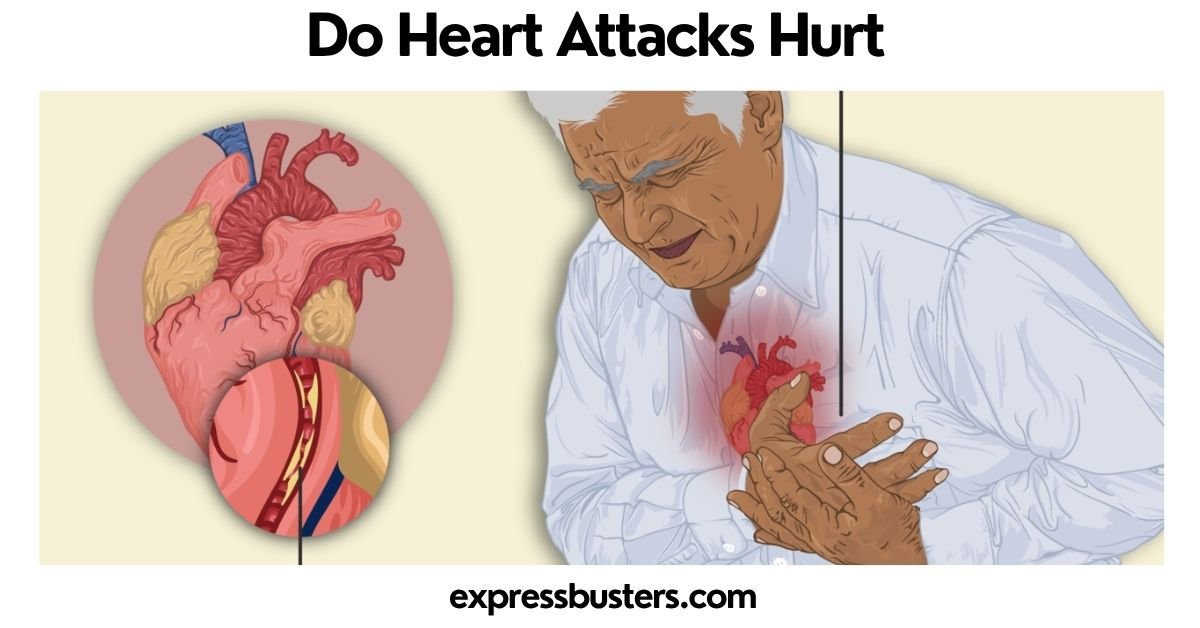
A heart attack happens when blood flow to part of the heart becomes blocked. The heart muscle needs oxygen-rich blood to survive. When the blood supply is reduced or stopped, heart muscle cells begin to die.
Most heart attacks happen because of plaque buildup inside the coronary arteries. Plaque is made of fat, cholesterol, calcium, and other substances. Over time, plaque can narrow the arteries. If the plaque breaks open, a blood clot can form and suddenly block blood flow.
Doctors call a heart attack a myocardial infarction.
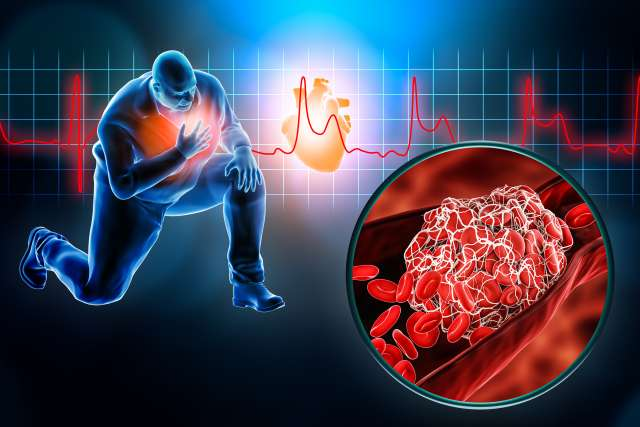
Heart attacks are medical emergencies. Quick treatment can save heart muscle and improve survival.
Do Heart Attacks Hurt?
Yes, heart attacks usually hurt in some way. However, the pain is not always sharp or dramatic.
Many movies show people collapsing with sudden crushing chest pain. While that can happen, real-life heart attack symptoms are often more subtle.
Some people describe the feeling as:
- Pressure in the chest
- Tightness
- Squeezing
- Fullness
- Burning
- Heavy weight on the chest
- Aching pain
- Discomfort that comes and goes
The pain may start slowly and become worse over time. In other cases, symptoms appear suddenly.
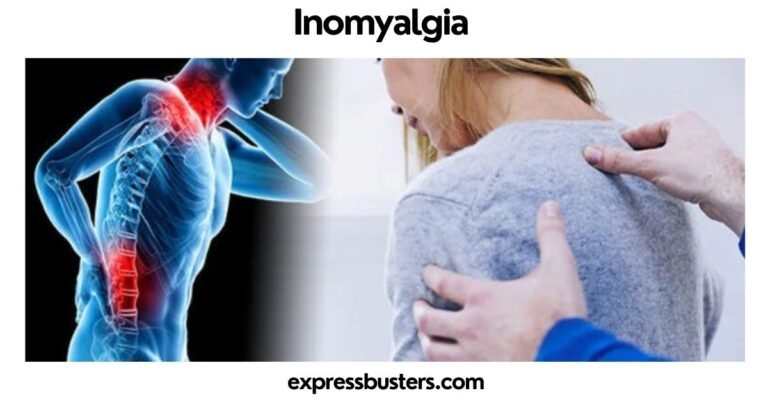
One important fact is that heart attack pain can spread to other parts of the body. Some people feel pain in the:
- Left arm
- Both arms
- Back
- Neck
- Jaw
- Shoulder
- Upper stomach
This is one reason people sometimes confuse heart attack symptoms with other conditions.
Does a Heart Attack Hurt Badly?
Sometimes the pain is severe, but not always.
One of the biggest misunderstandings about heart attacks is the belief that the pain must be unbearable. In reality, some people experience only mild discomfort.
Also Read: Can You Survive a Heart Attack? Signs, Survival Rates, Treatment, and What to Do Fast
Others describe the pain as:
- A strong pressure
- An uncomfortable squeezing feeling
- A dull ache
- A heavy sensation
- Tightness that will not go away
Pain intensity depends on several factors, including:
- The size of the blockage
- Which artery is blocked
- Overall heart health
- Age
- Diabetes status
- Individual pain tolerance
People with diabetes may have reduced nerve sensitivity and may feel less pain during a heart attack. Older adults can also have unusual or mild symptoms.
What Does Heart Attack Pain Feel Like?
People often ask doctors to explain exactly what heart attack pain feels like. The truth is that symptoms can vary.
Still, there are common patterns.
Chest Pressure
The most common symptom is chest pressure. Many survivors say it feels like someone is sitting on their chest.
Tightness or Squeezing
Some people describe a squeezing feeling in the middle of the chest.
Burning Sensation
Heart attack pain can feel similar to heartburn or acid reflux.
Pain That Spreads
The discomfort may move into the jaw, shoulder, arm, or back.
Shortness of Breath
Some people feel like they cannot catch their breath.
Sudden Weakness
A heart attack may cause sudden weakness, dizziness, or sweating.
Nausea
Many people, especially women, feel sick to their stomach.
Why Do Heart Attacks Hurt?
The pain happens because the heart muscle is not getting enough oxygen.
When blood flow decreases, the heart tissue becomes stressed and damaged. The body sends pain signals through nerves connected to the chest and upper body.
Sometimes the brain cannot identify the exact source of the pain. This is called referred pain. That is why a heart attack may cause discomfort in the arm, neck, jaw, or back instead of only the chest.
Do All Heart Attacks Cause Chest Pain?
No, not every heart attack causes obvious chest pain.
Some people experience what doctors call a silent heart attack. This means the symptoms are very mild, unusual, or unnoticed.
Silent heart attacks are more common in:
- Older adults
- People with diabetes
- Women
- People with nerve damage
Symptoms of a silent heart attack may include:
- Extreme tiredness
- Mild chest discomfort
- Shortness of breath
- Lightheadedness
- Nausea
- Weakness
- Flu-like feelings
Because symptoms may seem minor, some people do not seek medical care right away.
Do Heart Attacks Hurt More in Men or Women?
Heart attack symptoms can be different in men and women.
Heart Attack Symptoms in Men
Men more commonly experience:
- Strong chest pain
- Pressure in the chest
- Pain in the left arm
- Sweating
- Shortness of breath
Heart Attack Symptoms in Women
Women may also have chest discomfort, but they are more likely to experience symptoms such as:
- Fatigue
- Nausea
- Jaw pain
- Back pain
- Dizziness
- Indigestion-like discomfort
- Shortness of breath
Because symptoms in women can appear less dramatic, heart attacks are sometimes missed or diagnosed later.
One important insight from emergency physicians is that many women wait longer before seeking help because they think the symptoms are stress, exhaustion, or stomach problems.
This delay can be dangerous.
How Long Does Heart Attack Pain Last?
Heart attack pain often lasts longer than a few minutes.
The discomfort may:
- Come and go
- Become stronger over time
- Last more than 15 minutes
- Continue even while resting
Pain from a heart attack usually does not completely disappear after changing body position.
If chest discomfort lasts more than a few minutes or keeps returning, emergency medical care is needed.
Does a Heart Attack Hurt Suddenly?
Sometimes yes, but not always.
Many people expect a heart attack to happen instantly with extreme pain. However, some heart attacks begin slowly.
Symptoms may start with mild discomfort that gradually worsens over several hours.
This is why people sometimes ignore early warning signs.
A person may think:
- “It is only stress.”
- “It is probably indigestion.”
- “I just need rest.”
Unfortunately, waiting too long can cause serious heart damage.
Signs That Chest Pain Could Be a Heart Attack
Not all chest pain is a heart attack, but some warning signs should never be ignored.
Seek emergency help immediately if chest discomfort happens with:
- Shortness of breath
- Sweating
- Dizziness
- Nausea
- Pain spreading to the arm or jaw
- Sudden weakness
- Fainting
- Pressure lasting several minutes
Pain during physical activity that improves with rest may also be a warning sign of heart disease.
Heart Attack Pain vs Heartburn
Many people confuse heart attack pain with heartburn.
Heartburn usually causes a burning feeling in the chest or throat after eating. It often improves with antacids.
Heart attack pain may feel different.
Heart attack discomfort often includes:
- Pressure or squeezing
- Sweating
- Trouble breathing
- Pain spreading to other areas
- Weakness
One important detail is that some heart attacks feel exactly like severe indigestion.
If you are unsure, it is always safer to get checked.
Also Read: What Is a Widowmaker Heart Attack? Symptoms, Causes, Survival Rate, Treatment, and Recovery
Heart Attack Pain vs Anxiety Attack
Panic attacks and heart attacks can feel similar.
Both may cause:
- Chest discomfort
- Fast heartbeat
- Sweating
- Dizziness
- Shortness of breath
However, heart attack symptoms are more likely to include:
- Pressure or heaviness in the chest
- Pain spreading to the arm or jaw
- Symptoms during physical activity
- Persistent discomfort
Anxiety attacks often improve after calming down.
Still, doctors recommend treating unexplained chest pain seriously until a heart attack is ruled out.
Can You Have a Heart Attack Without Knowing?
Yes, it is possible.
Silent heart attacks may cause mild symptoms or no obvious symptoms at all.
Some people only discover they had a heart attack during:
- A routine checkup
- An electrocardiogram
- Heart imaging tests
Even silent heart attacks can damage the heart.
This is why regular medical care matters, especially for people with risk factors.
Common Risk Factors for Heart Attacks
Understanding risk factors helps explain who may be more likely to experience heart attack symptoms.
High Blood Pressure
High blood pressure damages arteries over time.
High Cholesterol
Too much cholesterol increases plaque buildup.
Smoking
Smoking damages blood vessels and raises clot risk.
Diabetes
Diabetes increases the risk of artery disease.
Obesity
Extra weight places stress on the heart.
Lack of Exercise
Physical inactivity weakens heart health.
Stress
Long-term stress may contribute to heart disease.
Family History
Genetics can increase heart attack risk.
Older Age
Heart attack risk rises with age.
What Should You Do During a Heart Attack?
If you think someone may be having a heart attack, quick action is critical.
Call 911 Immediately
Do not wait to see if symptoms improve.
Sit Down and Stay Calm
Avoid physical activity.
Chew Aspirin if Recommended
Emergency operators may suggest chewing aspirin if there is no allergy or bleeding risk.
Unlock the Door
Make it easier for emergency workers to enter.
Do Not Drive Yourself
An ambulance can begin treatment immediately.
One major insight from emergency care experts is that many deaths happen because people wait too long before calling for help.
Why Fast Treatment Matters
During a heart attack, every minute matters.
Doctors often say “time is muscle.” This means the longer blood flow is blocked, the more heart muscle dies.
Fast treatment can:
- Save heart tissue
- Improve survival
- Reduce complications
- Lower the risk of heart failure
Modern treatments may include:
- Blood-thinning medicines
- Clot-busting drugs
- Stents
- Angioplasty
- Heart surgery
Can Young People Have Heart Attacks?
Yes.
Although heart attacks are more common in older adults, younger people can also experience them.
Risk factors in younger adults may include:
- Smoking
- Obesity
- High stress
- Drug use
- Diabetes
- High cholesterol
- Family history
Some young adults ignore symptoms because they believe they are “too young” for heart disease.
That assumption can be dangerous.
What Causes Sudden Severe Heart Attack Pain?
Severe pain may happen when a large coronary artery becomes suddenly blocked.
The body reacts strongly to the sudden loss of oxygen.
Some people experience:
- Crushing chest pressure
- Intense sweating
- Severe shortness of breath
- Panic-like feelings
- Fainting
This type of heart attack can become life-threatening very quickly.
Can Stress Cause Heart Attack Symptoms?
Stress itself may not directly block arteries, but severe emotional stress can trigger heart problems.
Stress hormones increase:
- Heart rate
- Blood pressure
- Oxygen demand
Long-term stress may also contribute to unhealthy habits like smoking, overeating, or poor sleep.
In rare cases, extreme emotional stress can trigger a condition called stress cardiomyopathy, also known as broken heart syndrome.
How Doctors Diagnose a Heart Attack
Doctors use several tests to confirm a heart attack.
Electrocardiogram
This test checks the heart’s electrical activity.
Blood Tests
Damaged heart muscle releases proteins into the blood.
Echocardiogram
Ultrasound images help doctors see heart function.
Coronary Angiography
This imaging test shows blocked arteries.
Quick diagnosis helps doctors start treatment faster.
Can Heart Attack Symptoms Come and Go?
Yes.
Some people feel discomfort that comes and goes before a major heart attack.
This can happen because blood flow changes temporarily.
Symptoms may include:
- Mild chest pressure
- Arm discomfort
- Shortness of breath during activity
- Fatigue
These warning signs should never be ignored.
What Is the Difference Between Cardiac Arrest and a Heart Attack?
People often confuse these conditions.
A heart attack happens when blood flow to the heart is blocked.
Cardiac arrest happens when the heart suddenly stops beating properly.
A heart attack can sometimes lead to cardiac arrest.
Cardiac arrest causes:
- Collapse
- No pulse
- Loss of consciousness
- No normal breathing
Immediate CPR and defibrillation are needed.
How to Lower Your Heart Attack Risk
Preventing heart disease is extremely important.
Eat a Heart-Healthy Diet
Choose:
- Fruits
- Vegetables
- Whole grains
- Lean proteins
- Healthy fats
Limit:
- Processed foods
- Excess salt
- Sugary drinks
- Trans fats
Exercise Regularly
Physical activity strengthens the heart.
Stop Smoking
Quitting smoking quickly improves heart health.
Manage Stress
Healthy stress management can support cardiovascular health.
Control Blood Pressure
Regular monitoring matters.
Manage Diabetes
Good blood sugar control protects blood vessels.
Sleep Well
Poor sleep may increase heart risks.
Attend Regular Checkups
Preventive care helps detect problems early.
Why Some People Ignore Heart Attack Pain
One important issue in public health is that many people ignore early symptoms.
Reasons include:
- Fear
- Denial
- Embarrassment
- Lack of awareness
- Believing symptoms are minor
Some people worry about “overreacting.”
However, emergency doctors consistently say it is better to get checked and be safe.
What Does Recovery Feel Like After a Heart Attack?
Recovery varies from person to person.
Some people feel tired for weeks after treatment.
Others may experience:
- Emotional stress
- Anxiety
- Fear of another heart attack
- Physical weakness
Cardiac rehabilitation programs help many patients recover safely.
These programs often include:
- Exercise training
- Nutrition education
- Emotional support
- Heart health education
Do Heart Attacks Hurt More at Night?
Heart attacks can happen at any time, including during sleep.
Some studies suggest certain heart attacks occur more often in the early morning because of natural hormonal and blood pressure changes.
Nighttime symptoms may include:
- Sudden chest pressure
- Sweating
- Trouble breathing
- Jaw or arm pain
Never ignore chest symptoms that wake you from sleep.
Can Women Have Different Heart Attack Pain?
Yes.
Women are more likely to experience unusual symptoms.
Instead of classic crushing chest pain, women may feel:
- Fatigue
- Nausea
- Upper back pain
- Neck pain
- Mild chest pressure
- Dizziness
This difference is important because many women delay emergency care.
Healthcare experts now encourage greater awareness of these less obvious warning signs.
Do Heart Attacks Hurt in the Left Arm?
Pain in the left arm is one of the most recognized heart attack symptoms.
However, pain may also occur in:
- The right arm
- Both arms
- The shoulder
- The neck
Arm pain related to a heart attack often feels heavy, aching, or uncomfortable.
Also Read: What Happens During a Heart Attack? Symptoms, Causes, Warning Signs & Treatment Guide
Can Heart Attack Pain Feel Like Muscle Pain?
Sometimes.
This can make diagnosis difficult.
Muscle pain usually changes with movement or pressure.
Heart attack pain is more likely to:
- Feel deep inside the chest
- Continue during rest
- Occur with sweating or nausea
- Spread to other areas
If symptoms are unclear, medical evaluation is important.
Emotional Impact of Heart Attack Fear
Many people live with fear after hearing stories about heart attacks.
Some become anxious every time they feel chest discomfort.
While awareness is helpful, constant fear can increase stress.
A balanced approach is best:
- Learn the warning signs
- Understand personal risk factors
- Attend regular medical checkups
- Maintain a healthy lifestyle
Knowledge helps people respond wisely instead of reacting with panic.
The Biggest Misunderstandings About Heart Attack Pain
There are several dangerous myths about heart attacks.
Heart Attacks Always Cause Severe Pain
False. Symptoms may be mild.
Only Older Men Have Heart Attacks
False. Women and younger adults can also have them.
Heartburn Cannot Be a Heart Attack
False. Some heart attacks feel like indigestion.
Symptoms Must Be Sudden
False. Symptoms may begin slowly.
If Pain Stops, Everything Is Fine
False. Symptoms that come and go still require medical care.
Important Insight About Heart Attack Survival
One major reason heart attack survival rates have improved is faster treatment.
Modern emergency medicine allows doctors to reopen blocked arteries more quickly than ever before.
However, early treatment only works when people recognize symptoms and seek help immediately.
Public education remains one of the most powerful tools for saving lives.
Conclusion
So, do heart attacks hurt?
In most cases, yes, heart attacks do hurt, but the pain is not always extreme or easy to recognize. Some people feel crushing chest pain, while others only notice pressure, fatigue, nausea, or discomfort in the arm, jaw, or back.
Another common question is does a heart attack hurt the same for everyone? The answer is no. Symptoms vary based on age, gender, health conditions, and the type of heart attack.
The most important lesson is this: never ignore unexplained chest discomfort or sudden symptoms like shortness of breath, sweating, dizziness, or arm pain.
Fast medical care saves lives.
Understanding heart attack symptoms can help you protect yourself and the people around you.
Frequently Asked Questions About Heart Attacks
Can a heart attack last for days?
Some people experience warning symptoms for days before a major heart attack occurs. Symptoms may come and go.
Do heart attacks always happen during exercise?
No. Heart attacks can happen during rest, sleep, or normal daily activities.
Can dehydration cause heart attack symptoms?
Severe dehydration can strain the heart and may worsen existing heart conditions, but it is not usually the direct cause of a heart attack.
Does anxiety increase heart attack risk?
Long-term stress and anxiety may increase heart disease risk through effects on blood pressure, sleep, and lifestyle habits.
Can you survive a heart attack without treatment?
Some people survive untreated heart attacks, but delaying treatment greatly increases the risk of death and permanent heart damage.
Is chest pain on the right side a heart attack?
Most heart attack pain occurs in the center or left chest, but some people may feel pain on the right side or in other areas.
Can coughing stop a heart attack?
No. The idea of “cough CPR” is often misunderstood online. A suspected heart attack requires emergency medical care.
Are heart attacks becoming more common in younger adults?
Some studies suggest rising obesity, diabetes, smoking, and stress levels may be contributing to more heart problems in younger adults.
Can women recover differently after a heart attack?
Yes. Women sometimes experience different recovery patterns and may need additional emotional and physical support.
Does every blocked artery cause a heart attack?
Not always. Some blockages develop slowly, while others suddenly form dangerous clots.
Can healthy people still have heart attacks?
Yes. Even active people with healthy lifestyles can experience heart attacks because of genetics, hidden risk factors, or unexpected artery problems.
What is the first thing most people feel during a heart attack?
Many people first notice chest pressure, discomfort, or unusual shortness of breath.
Can a heart attack happen more than once?
Yes. People who have already had one heart attack may be at higher risk for another.
Is it safe to sleep after chest pain?
Unexplained chest pain should never be ignored. Seek medical advice immediately if symptoms may be heart-related.
Do heart attacks always damage the heart permanently?
Quick treatment can reduce damage significantly. Some people recover very well after timely medical care.