How Many Energy Drinks Cause Heart Attacks? The Complete Evidence-Based Guide
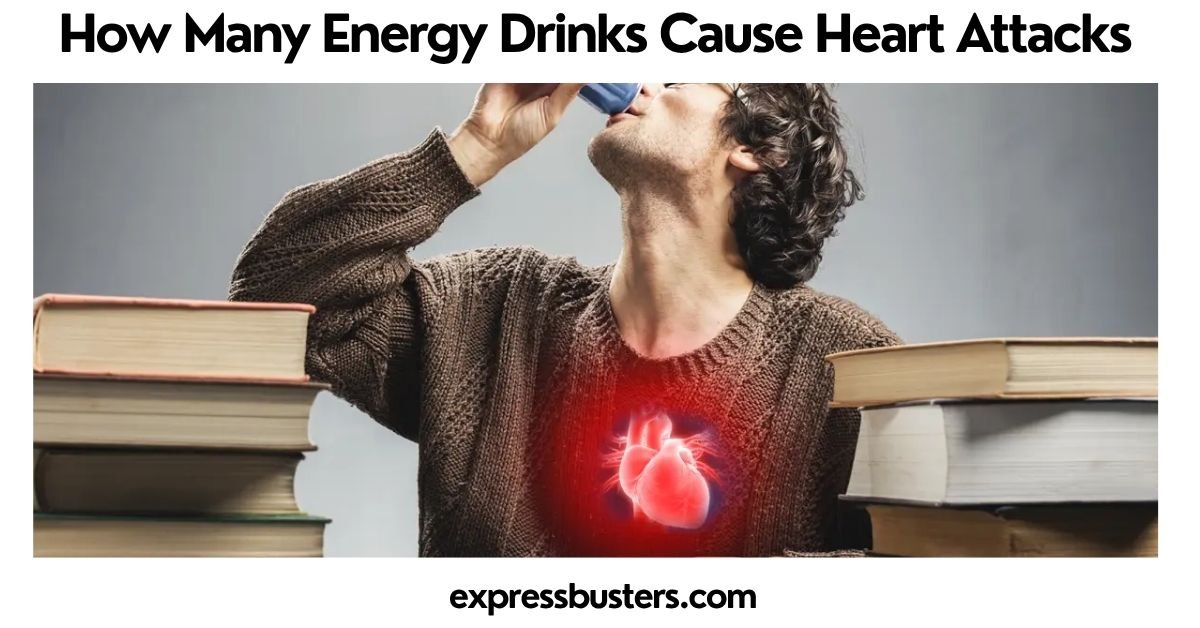
Energy drinks are everywhere in modern life. Students drink them to stay awake during long study sessions. Athletes use them before workouts. Office workers rely on them to fight afternoon fatigue. With their growing popularity, many people are asking an important question: how many energy drinks cause heart attacks?
The answer is not as simple as many people expect.
There is currently no scientific consensus on the exact number of energy drinks that may cause a heart attack. Some people consume energy drinks regularly without immediate problems, while others may experience serious cardiovascular complications after drinking much smaller amounts. This difference occurs because every person’s body, health condition, and caffeine tolerance are unique.
Understanding the relationship between energy drinks and heart health is essential because cardiovascular disease remains one of the leading causes of death in the United States. While energy drinks do not automatically cause heart attacks, excessive consumption may increase cardiovascular risks in certain situations.
This comprehensive guide explains what current research says about energy drinks, heart attacks, caffeine safety, warning signs, risk factors, and practical ways to protect your heart health.
What Does “How Many Energy Drinks Cause Heart Attacks” Really Mean?
Many people search online using phrases such as:
- how many energy drinks cause heart attacks
- how many energy drinks can cause a heart attack
- how many energy drink can cause heart attack
- how many energy drinks will cause a heart attack
- how many heart attacks are caused by energy drinks
These searches reflect a common concern about whether there is a specific number of energy drinks that becomes dangerous.
The reality is that heart attacks do not occur from one factor alone. They usually result from a combination of circumstances, including:
- Existing heart disease
- High blood pressure
- Genetics
- Age
- Obesity
- Smoking
- Diabetes
- Stress
- Poor sleep
- Excessive stimulant intake
Because these factors vary from person to person, researchers cannot identify one exact number of energy drinks that causes heart attacks in every individual.
Understanding What Is Inside an Energy Drink
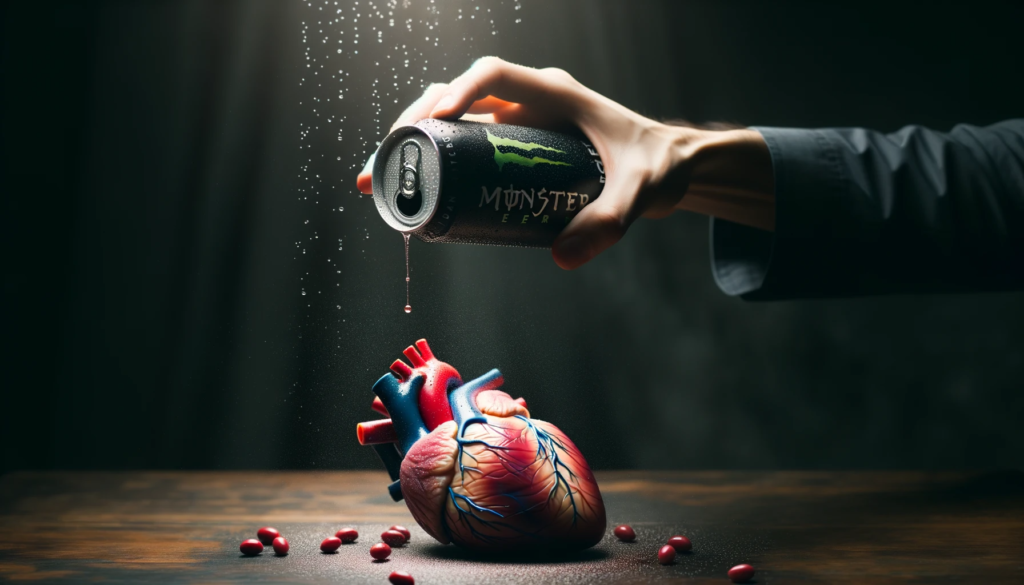
To understand the risks, it helps to know what energy drinks contain.
Most energy drinks include:
- Caffeine
- Sugar
- Taurine
- Guarana
- Ginseng
- B vitamins
- Amino acids
- Herbal stimulants
The caffeine content can vary dramatically.
Some energy drinks contain:
- 80 mg caffeine
- 120 mg caffeine
- 160 mg caffeine
- 200 mg caffeine
- 300 mg caffeine or more
Some large containers contain multiple servings, meaning consumers may unknowingly drink double or triple the listed caffeine amount.
This variation makes it difficult to determine exactly how many energy drinks can cause a heart attack because the caffeine content differs significantly between brands.
Also Read: Does Heart Attack Pain Come and Go? Everything You Need to Know
How Energy Drinks Affect the Heart
Energy drinks are designed to stimulate the body.
After consumption, several changes can occur:
- Increased heart rate
- Higher blood pressure
- Greater adrenaline release
- Increased nervous system activity
- Enhanced alertness
- Temporary increase in energy
These effects are not necessarily dangerous for healthy adults when consumed in moderation.
However, when stimulant intake becomes excessive, the cardiovascular system can experience significant stress.
The heart must work harder, beat faster, and respond to elevated blood pressure levels.
Over time or under certain conditions, this added strain may increase cardiovascular risks.
Can Energy Drinks Actually Cause Heart Attacks?
Research has documented cases where energy drink consumption was associated with:
- Heart attacks
- Cardiac arrest
- Irregular heart rhythms
- High blood pressure emergencies
- Chest pain
- Stroke
However, it is important to understand that these cases do not always prove that energy drinks directly caused the event.
Many individuals involved had additional risk factors such as:
- Smoking
- Drug use
- Heavy alcohol consumption
- Undiagnosed heart disease
- Obesity
- High cholesterol
- Family history of heart problems
Current evidence suggests that energy drinks can contribute to conditions that increase cardiovascular risk, especially among susceptible individuals.
How Many Energy Drinks Can Cause a Heart Attack?
This is one of the most common questions people ask.
Unfortunately, there is no universally accepted answer.
Several factors determine risk.
Caffeine Amount Matters More Than Number of Drinks
One energy drink may contain 80 mg of caffeine.
Another may contain 300 mg.
Therefore, saying “three energy drinks” means very different things depending on the product.
The total stimulant load is usually more important than the number of cans consumed.
Individual Sensitivity Varies
Some people metabolize caffeine quickly.
Others process caffeine much more slowly.
A person who is highly sensitive to caffeine may experience:
- Heart palpitations
- Anxiety
- Rapid heartbeat
- Elevated blood pressure
after consuming amounts that barely affect someone else.
Underlying Health Conditions Increase Risk
Individuals with:
- Heart disease
- Arrhythmias
- High blood pressure
- Congenital heart defects
may face greater risks from energy drink consumption.
Other Sources of Caffeine Matter
Many people consume caffeine from:
- Coffee
- Tea
- Soft drinks
- Pre-workout supplements
- Chocolate
- Weight-loss products
These sources can combine with energy drinks and increase total caffeine exposure.
What Is Considered a Safe Caffeine Limit?
Health experts generally suggest that up to 400 milligrams of caffeine per day is safe for most healthy adults.
However, this guideline does not guarantee safety for everyone.
Certain groups may need lower amounts, including:
- Pregnant women
- Teenagers
- Individuals with heart conditions
- People sensitive to caffeine
A person consuming multiple energy drinks in a short period can easily exceed recommended limits.
Also Read: Can Heartburn Feel Like a Heart Attack? A Complete Guide to Understanding the Difference
For example:
- Two 200 mg drinks = 400 mg caffeine
- Three 200 mg drinks = 600 mg caffeine
- Four 200 mg drinks = 800 mg caffeine
As caffeine intake increases, the likelihood of adverse effects also rises.
Why Researchers Cannot Give an Exact Number
The reason experts cannot answer exactly how many energy drinks will cause a heart attack is because heart attacks are complex medical events.
Several variables affect risk:
Body Weight
A smaller individual may experience stronger effects from the same caffeine dose compared with a larger person.
Age
Older adults often have more cardiovascular risk factors.
Medical History
Previous heart problems significantly influence risk levels.
Hydration Status
Dehydration may worsen cardiovascular stress.
Physical Activity
Intense exercise combined with stimulants can place additional strain on the heart.
Medication Use
Certain medications may interact with caffeine and stimulants.
Because these variables differ among individuals, no universal threshold exists.
Energy Drinks and Heart Rhythm Problems
One of the biggest concerns is not necessarily heart attacks themselves but abnormal heart rhythms.
These may include:
- Tachycardia
- Atrial fibrillation
- Premature heartbeats
- Ventricular arrhythmias
An abnormal rhythm can reduce the heart’s efficiency and, in severe cases, become life-threatening.
Research suggests that excessive stimulant intake may increase the likelihood of rhythm disturbances, especially in vulnerable individuals.
Who Faces the Highest Risk?
Certain groups should be particularly cautious with energy drinks.
People With Heart Disease
Individuals diagnosed with cardiovascular conditions already have reduced heart health reserves.
Additional stimulation may increase strain.
People With High Blood Pressure
Energy drinks can temporarily elevate blood pressure.
For someone already managing hypertension, this increase may be problematic.
Teenagers and Young Adults
Many young consumers believe energy drinks are harmless.
However, excessive intake among younger populations has been associated with emergency room visits and serious symptoms.
Athletes
Athletes often consume energy drinks before exercise.
The combination of:
- High heart rates
- Physical exertion
- Dehydration
- Elevated caffeine levels
can create additional cardiovascular stress.
People With Anxiety Disorders
Caffeine can worsen anxiety symptoms and trigger physical sensations that mimic cardiac problems.
How Many Heart Attacks Are Caused by Energy Drinks?
Many people ask how many heart attacks are caused by energy drinks each year.
The exact number is unknown.
Several reasons make tracking difficult:
- Heart attacks usually involve multiple causes.
- Cases may not be reported.
- Medical records often do not isolate energy drinks as the sole factor.
- Other lifestyle factors frequently contribute.
While researchers cannot provide a precise national figure, healthcare professionals continue to monitor concerns because emergency room visits involving energy drinks have increased over time.
Warning Signs You Should Never Ignore
If you experience any of the following after consuming energy drinks, seek medical attention immediately:
- Chest pain
- Severe shortness of breath
- Fainting
- Rapid heartbeat
- Irregular heartbeat
- Severe dizziness
- Sudden weakness
- Pain radiating into the arm, jaw, or back
These symptoms may indicate a serious cardiovascular issue.
Prompt medical evaluation is essential.
Can One Energy Drink Cause a Heart Attack?
For most healthy adults, one energy drink is unlikely to cause a heart attack.
However, rare cases have been reported where serious cardiac events occurred after consuming a single energy drink.
These situations often involve:
- Undiagnosed heart disease
- Extreme caffeine sensitivity
- Genetic conditions
- Additional stimulants
- Drug interactions
Although uncommon, these cases demonstrate that individual responses vary considerably.
The Hidden Danger of Mixing Energy Drinks With Other Substances
Many people combine energy drinks with:
- Coffee
- Alcohol
- Pre-workout supplements
- Fat burners
- Prescription stimulants
This practice significantly increases risk.
The combined stimulant effect may:
- Raise heart rate further
- Increase blood pressure
- Cause dehydration
- Increase anxiety
- Trigger arrhythmias
The total caffeine consumed throughout the day matters far more than a single beverage.
Long-Term Effects of Heavy Energy Drink Consumption
Regular excessive consumption may contribute to:
- Persistent high blood pressure
- Sleep disruption
- Increased stress hormone production
- Weight gain from sugar intake
- Cardiovascular strain
- Dependence on caffeine
Poor sleep alone can negatively affect heart health over time.
When energy drinks replace healthy lifestyle habits, overall health may decline.
Energy Drinks Versus Coffee
Many people wonder whether coffee is safer.
Coffee generally contains:
- Caffeine
- Natural antioxidants
- Fewer stimulant additives
Energy drinks often contain:
- High caffeine concentrations
- Multiple stimulants
- Large amounts of sugar
- Artificial ingredients
Because of these differences, some researchers believe energy drinks may have stronger cardiovascular effects than coffee containing the same amount of caffeine.
Can Healthy People Drink Energy Drinks Safely?
Many healthy adults consume energy drinks without serious problems.
However, safe use typically includes:
- Staying within caffeine guidelines
- Avoiding excessive intake
- Remaining hydrated
- Avoiding stimulant combinations
- Not consuming energy drinks before bedtime
Moderation is the key factor.
How to Reduce Heart Risks While Using Energy Drinks
If you choose to consume energy drinks, consider these safety tips.
Monitor Total Daily Caffeine
Track all caffeine sources, not just energy drinks.
Avoid Multiple Energy Drinks in Short Periods
Spacing intake reduces stimulant overload.
Stay Hydrated
Drink adequate water throughout the day.
Do Not Mix With Alcohol
Alcohol can mask symptoms of excessive caffeine consumption.
Read Labels Carefully
Check serving sizes and caffeine content.
Know Your Medical History
Individuals with cardiovascular concerns should consult healthcare providers before using energy drinks regularly.
ALso Read: Pertadad: A Better Mental Clarity, Focus, and Structured Thinking
What Current Science Really Tells Us
Current evidence supports several conclusions.
First, there is no exact answer to how many energy drinks cause heart attacks.
Second, excessive energy drink consumption may increase cardiovascular risks.
Third, some people are more vulnerable than others.
Fourth, total caffeine intake matters more than simply counting cans.
Finally, moderation remains the safest approach.
Rather than focusing on a specific number, consumers should focus on their overall caffeine exposure, health status, and symptoms.
Expert Perspective: Looking Beyond the Number
One reason the question “how many energy drinks cause heart attacks” is difficult to answer is because it focuses on quantity alone.
The better question may be:
“What combination of factors increases the likelihood of heart problems after consuming energy drinks?”
Research suggests the greatest risks occur when multiple factors combine, including:
- Excessive caffeine
- Existing heart disease
- Sleep deprivation
- Dehydration
- Heavy exercise
- Alcohol use
- Other stimulants
This broader perspective provides a more accurate understanding of cardiovascular risk than searching for a single dangerous number.
Conclusion
When asking how many energy drinks cause heart attacks, it is important to understand that there is currently no universally accepted number. The risk depends on caffeine content, individual health status, genetics, age, cardiovascular conditions, medication use, hydration levels, and overall stimulant exposure.
For most healthy adults, moderate energy drink consumption is unlikely to cause a heart attack. However, excessive intake may increase the risk of high blood pressure, abnormal heart rhythms, chest pain, and other cardiovascular complications.
The safest strategy is to monitor total caffeine consumption, avoid combining multiple stimulants, stay hydrated, and seek medical advice if you have existing heart conditions. Understanding your personal risk factors is far more important than focusing on a specific number of energy drinks.
By making informed choices and practicing moderation, individuals can significantly reduce the potential risks associated with energy drink consumption.
FAQs About How Many Energy Drinks Cause Heart Attacks
Can drinking an energy drink on an empty stomach affect the heart?
Yes. Drinking an energy drink on an empty stomach may lead to faster caffeine absorption, which can increase heart rate, blood pressure, and feelings of jitteriness in some individuals.
Do sugar-free energy drinks reduce heart attack risk?
Sugar-free versions remove excess sugar but still often contain large amounts of caffeine and stimulants. They may reduce some health concerns but do not eliminate cardiovascular risks.
Are energy shots riskier than regular energy drinks?
Energy shots often contain concentrated caffeine in a small volume, making it easier to consume large amounts quickly. This may increase the risk of side effects.
Can energy drinks affect cholesterol levels?
Energy drinks do not directly raise cholesterol in most people, but high-sugar varieties may contribute to weight gain and poor metabolic health over time.
Do energy drinks increase the risk of blood clots?
Current evidence is limited, but some researchers continue studying whether excessive stimulant use may influence blood vessel function and clotting mechanisms.
Can energy drinks interfere with heart medications?
Yes. Some heart medications may interact with caffeine and stimulants. Individuals taking cardiovascular medications should consult their healthcare provider.
Is caffeine tolerance protective against heart problems?
Not necessarily. A person may feel fewer symptoms due to tolerance, but excessive caffeine can still affect blood pressure and heart function.
Do energy drinks affect sleep even if consumed earlier in the day?
Yes. Caffeine can remain in the body for many hours and may affect sleep quality, especially in sensitive individuals.
Are natural energy drinks safer for the heart?
Natural ingredients do not automatically make a product safer. Many natural energy drinks still contain high caffeine levels.
Should older adults avoid energy drinks completely?
Not always, but older adults often have more cardiovascular risk factors and should use caution, especially if they have heart disease, high blood pressure, or take prescription medications.