How to Tell If You Are Have a Heart Attack: Complete Guide to Recognizing Symptoms, Warning Signs, and When to Get Emergency Help
Heart attacks are one of the leading causes of death in the United States. Every year, hundreds of thousands of Americans experience a heart attack, and many people do not recognize the symptoms until it is too late. Knowing how to tell if you are have a heart attack can save your life or the life of someone you love.
One of the biggest problems is that heart attack symptoms are not always dramatic. Movies often show a person suddenly collapsing while grabbing their chest. In real life, symptoms can begin slowly and may feel like indigestion, muscle pain, fatigue, or mild discomfort.
Understanding how to tell if your having a heart attack is important because quick treatment can reduce heart damage and improve survival rates. The sooner a person receives medical care, the better the chances of recovery.
This guide explains the most common warning signs, hidden symptoms, risk factors, differences between men and women, and what to do if you think you are experiencing a heart attack.
What Is a Heart Attack?
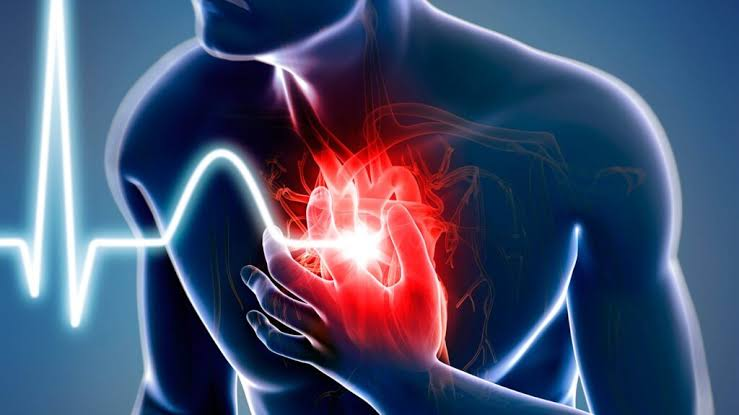
A heart attack happens when blood flow to part of the heart muscle becomes blocked. Without enough oxygen-rich blood, the heart muscle begins to suffer damage.
Doctors call a heart attack a myocardial infarction. It usually occurs when fatty deposits known as plaque build up inside the coronary arteries. If a plaque ruptures, a blood clot can form and block blood flow.
The longer the blockage remains untreated, the more damage occurs to the heart muscle.
That is why recognizing symptoms early is so important.
Why Knowing How to Tell If You Are Have a Heart Attack Matters
Many people wait too long before seeking emergency medical care. Some assume the symptoms are heartburn, stress, exhaustion, or a minor illness.
Unfortunately, every minute counts.
When blood flow is restored quickly, doctors can often reduce permanent heart damage. Delayed treatment can lead to serious complications including:
- Heart failure
- Dangerous heart rhythms
- Permanent heart muscle damage
- Cardiac arrest
- Death
Learning how to tell if your having a heart attack gives you the ability to act quickly when symptoms appear.
The Most Common Heart Attack Symptoms
Heart attack symptoms can vary from person to person. However, certain warning signs appear frequently.
Also Read: How to Stop a Heart Attack: Complete Guide to Recognizing, Responding, and Reducing Your Risk
Chest Pain or Chest Pressure
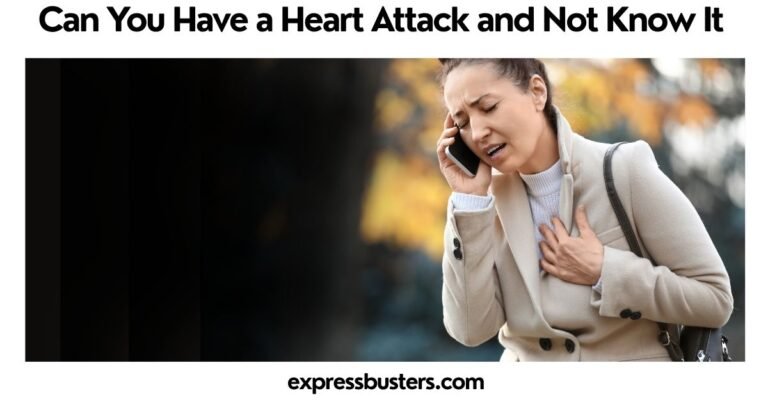
Chest discomfort is the most common symptom.
Many people describe it as:
- Pressure
- Tightness
- Squeezing
- Fullness
- Heaviness
- Burning sensation
The discomfort may last several minutes or come and go.
Some people compare it to feeling as though a heavy object is sitting on their chest.
Chest pain related to a heart attack often occurs in the center or left side of the chest.
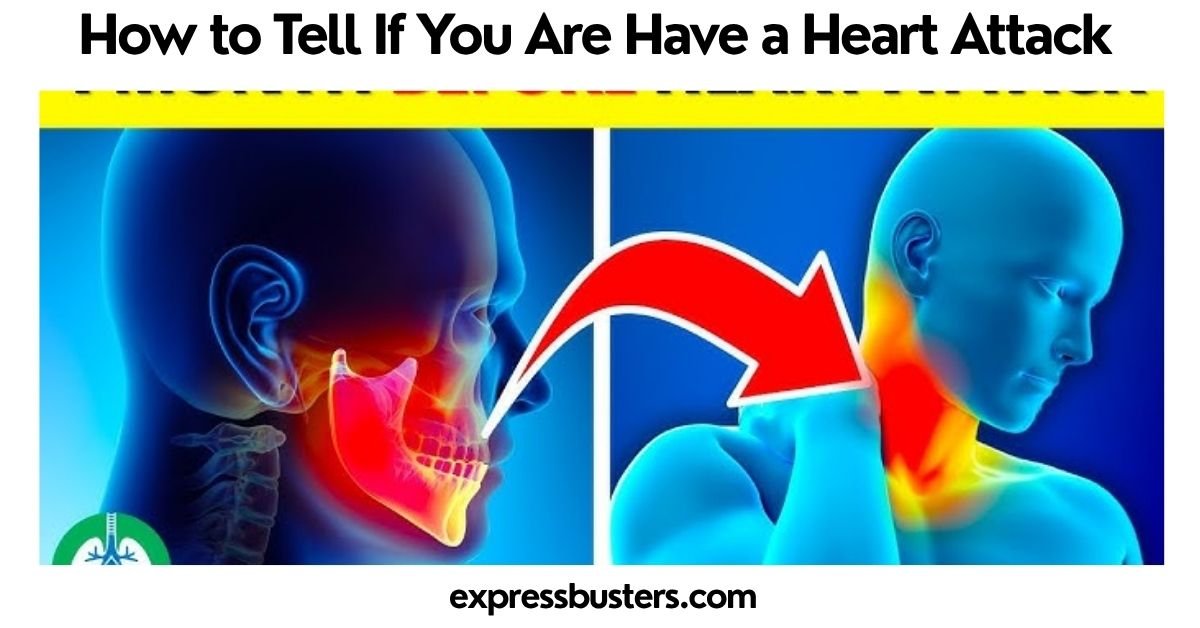
Pain That Spreads to Other Parts of the Body
Heart attack pain often travels beyond the chest.
Common locations include:
- Left arm
- Right arm
- Both arms
- Shoulders
- Neck
- Jaw
- Upper back
Some individuals experience jaw or shoulder pain without significant chest pain.
Shortness of Breath
Difficulty breathing is another major warning sign.
You may notice:
- Trouble catching your breath
- Feeling winded after little activity
- Breathlessness while resting
Shortness of breath can occur before chest pain, during chest pain, or even without chest discomfort.
Cold Sweats
Sudden sweating without physical activity can signal a heart attack.
Many people report:
- Clammy skin
- Cold perspiration
- Excessive sweating
This symptom often occurs alongside chest pressure.
Nausea and Vomiting
Heart attacks can affect the digestive system.
Some people experience:
- Nausea
- Stomach discomfort
- Vomiting
- Upset stomach
These symptoms are especially common among women.
Dizziness or Lightheadedness
Reduced blood flow can affect the brain and cause:
- Dizziness
- Weakness
- Feeling faint
- Loss of balance
If dizziness occurs alongside chest discomfort or breathing difficulties, seek emergency care immediately.
Extreme Fatigue
Unusual tiredness can appear days or even weeks before a heart attack.
Warning signs include:
- Sudden exhaustion
- Lack of energy
- Difficulty performing normal tasks
- Feeling drained without explanation
Many people ignore this symptom because it seems unrelated to heart health.
How to Tell If Your Having a Heart Attack Versus Heartburn
One of the most common questions people ask is whether they are experiencing heartburn or a heart attack.
Heartburn usually:
- Occurs after eating
- Produces a burning sensation
- Improves with antacids
- Remains localized in the chest or throat
Heart attack symptoms may:
- Cause pressure instead of burning
- Spread to the arms, neck, or jaw
- Include sweating
- Include shortness of breath
- Not improve with antacids
Because symptoms can overlap, it is safer to seek emergency care whenever you are unsure.
Silent Heart Attacks: The Hidden Danger
Not every heart attack causes severe pain.
A silent heart attack may involve:
- Mild discomfort
- Fatigue
- Shortness of breath
- Light chest pressure
- Flu-like symptoms
Many people do not realize they had a heart attack until later medical testing reveals heart damage.
Silent heart attacks are more common among:
- Older adults
- Women
- People with diabetes
This is one reason why understanding how to tell if you are have a heart attack is so important.
Heart Attack Symptoms in Women
Women often experience different symptoms than men.
Also Read: How to Avoid Heart Attack: The Protecting Your Heart Naturally
While chest pain remains common, women are more likely to report:
- Unusual fatigue
- Nausea
- Vomiting
- Back pain
- Neck pain
- Jaw pain
- Dizziness
- Shortness of breath
Because these symptoms may seem unrelated to the heart, women sometimes delay seeking treatment.
Any combination of these symptoms should be taken seriously.
Heart Attack Symptoms in Men
Men often experience the classic warning signs.
Common symptoms include:
- Chest pressure
- Chest pain
- Left arm pain
- Sweating
- Shortness of breath
However, men can also experience less typical symptoms.
Every person is different, and no symptom should be ignored.
Heart Attack Symptoms by Age
Younger Adults
Heart attacks can occur in younger individuals, especially when risk factors are present.
Symptoms often include:
- Chest pain
- Arm discomfort
- Sweating
- Anxiety-like feelings
Older Adults
Older adults may experience:
- Weakness
- Confusion
- Shortness of breath
- Fatigue
Symptoms can be less obvious, making diagnosis more difficult.
Major Risk Factors for Heart Attacks
Knowing your risk can help you stay alert.
Important risk factors include:
High Blood Pressure
High blood pressure damages arteries over time.
High Cholesterol
Excess cholesterol contributes to plaque buildup.
Smoking
Smoking significantly increases heart attack risk.
Diabetes
Diabetes damages blood vessels and nerves.
Obesity
Excess weight places additional stress on the heart.
Physical Inactivity
Lack of exercise contributes to many heart disease risks.
Family History
Genetics can play a major role in heart health.
Stress
Long-term stress may increase cardiovascular risk.
Excessive Alcohol Use
Heavy drinking can contribute to heart problems.
When Should You Call 911?
Call emergency services immediately if you experience:
- Chest pain lasting more than a few minutes
- Chest pressure with sweating
- Chest discomfort with shortness of breath
- Arm, neck, jaw, or back pain combined with other symptoms
- Sudden severe weakness
- Signs of cardiac arrest
Never drive yourself if symptoms are severe.
Emergency responders can begin treatment before reaching the hospital.
What Happens During a Heart Attack?
Understanding the process helps explain why speed matters.
When a coronary artery becomes blocked:
- Blood flow decreases.
- Oxygen delivery stops.
- Heart muscle cells begin to die.
- Permanent damage develops.
- Heart function weakens.
Early treatment can restore blood flow and limit injury.
What to Do If You Think You Are Having a Heart Attack
Take these steps immediately:
- Call 911.
- Stop physical activity.
- Sit or lie down.
- Stay as calm as possible.
- Follow emergency operator instructions.
- Unlock your door if alone.
- Keep your phone nearby.
Do not wait to see whether symptoms improve.
Symptoms That Require Immediate Emergency Care
Seek urgent medical attention if you experience:
- Crushing chest pain
- Severe breathing difficulty
- Fainting
- Sudden weakness
- Rapid or irregular heartbeat
- Chest pain spreading to the jaw or arms
These symptoms can indicate a life-threatening emergency.
Can Anxiety Feel Like a Heart Attack?
Yes.
Panic attacks and heart attacks share several symptoms:
- Chest discomfort
- Rapid heartbeat
- Sweating
- Dizziness
- Shortness of breath
However, it can be extremely difficult to tell the difference.
If there is any doubt, seek emergency medical evaluation immediately.
How Doctors Diagnose a Heart Attack
Doctors use several tests:
Electrocardiogram (ECG)
Measures electrical activity in the heart.
Blood Tests
Detect proteins released when heart muscle is damaged.
Echocardiogram
Uses ultrasound to evaluate heart function.
Coronary Angiography
Identifies blocked arteries.
Chest Imaging
Helps rule out other conditions.
Preventing Future Heart Attacks
Prevention starts with healthy habits.
Key strategies include:
- Maintaining a healthy weight
- Exercising regularly
- Quitting smoking
- Managing blood pressure
- Controlling diabetes
- Reducing stress
- Eating heart-healthy foods
- Limiting alcohol intake
- Following medical advice
Small lifestyle improvements can significantly reduce risk.
Common Myths About Heart Attacks
Heart Attacks Only Happen to Older People
Heart attacks can occur at any age.
Severe Chest Pain Is Always Present
Many heart attacks involve mild or unusual symptoms.
Women Have Completely Different Symptoms
Women can experience classic chest pain too.
If Symptoms Come and Go, It Is Not Serious
Intermittent symptoms can still signal a heart attack.
Also Raed: Inomyalgia: Causes, Symptoms, Treatment, and Lifestyle Changes for Long-Term Relief
Healthy People Never Have Heart Attacks
Even active individuals can experience heart problems.
Conclusion
Knowing how to tell if you are have a heart attack can save precious time and potentially save your life. Heart attacks do not always look the way people expect. While chest pressure remains the most common symptom, warning signs may also include shortness of breath, fatigue, nausea, dizziness, jaw pain, arm pain, or unexplained sweating.
The most important rule is simple: if you think you might be having a heart attack, seek emergency medical care immediately. Fast treatment can reduce heart damage, improve recovery, and dramatically increase survival rates.
Learning how to tell if your having a heart attack is one of the most valuable health skills anyone can have. Awareness, preparation, and quick action make all the difference.
Frequently Asked Questions
Can a heart attack wake you up from sleep?
Yes. Some people experience chest pain, sweating, or breathing difficulty that wakes them during the night.
Can dehydration cause symptoms that mimic a heart attack?
Dehydration can cause dizziness, weakness, and rapid heartbeat, but it should never be assumed to be the cause of chest pain without medical evaluation.
How long can heart attack symptoms last before becoming severe?
Symptoms may develop gradually over hours, days, or even weeks before becoming a medical emergency.
Can exercise trigger a heart attack?
Intense physical activity may trigger a heart attack in someone with underlying heart disease, especially if symptoms are already present.
Are heart attacks always painful?
No. Some heart attacks produce mild discomfort or no obvious pain at all.
Can blood pressure be normal during a heart attack?
Yes. Blood pressure may be normal, high, or low during a heart attack.
Does arm pain always occur on the left side?
No. Pain can affect either arm or both arms.
Can a heart attack cause tooth or jaw pain?
Yes. Some people experience jaw, face, or tooth discomfort as a warning sign.
Is it possible to have multiple heart attacks without realizing it?
Yes. Silent heart attacks can occur without obvious symptoms and may only be discovered later through medical testing.
What is the biggest mistake people make during a heart attack?
The most common mistake is waiting too long to seek emergency medical help.